
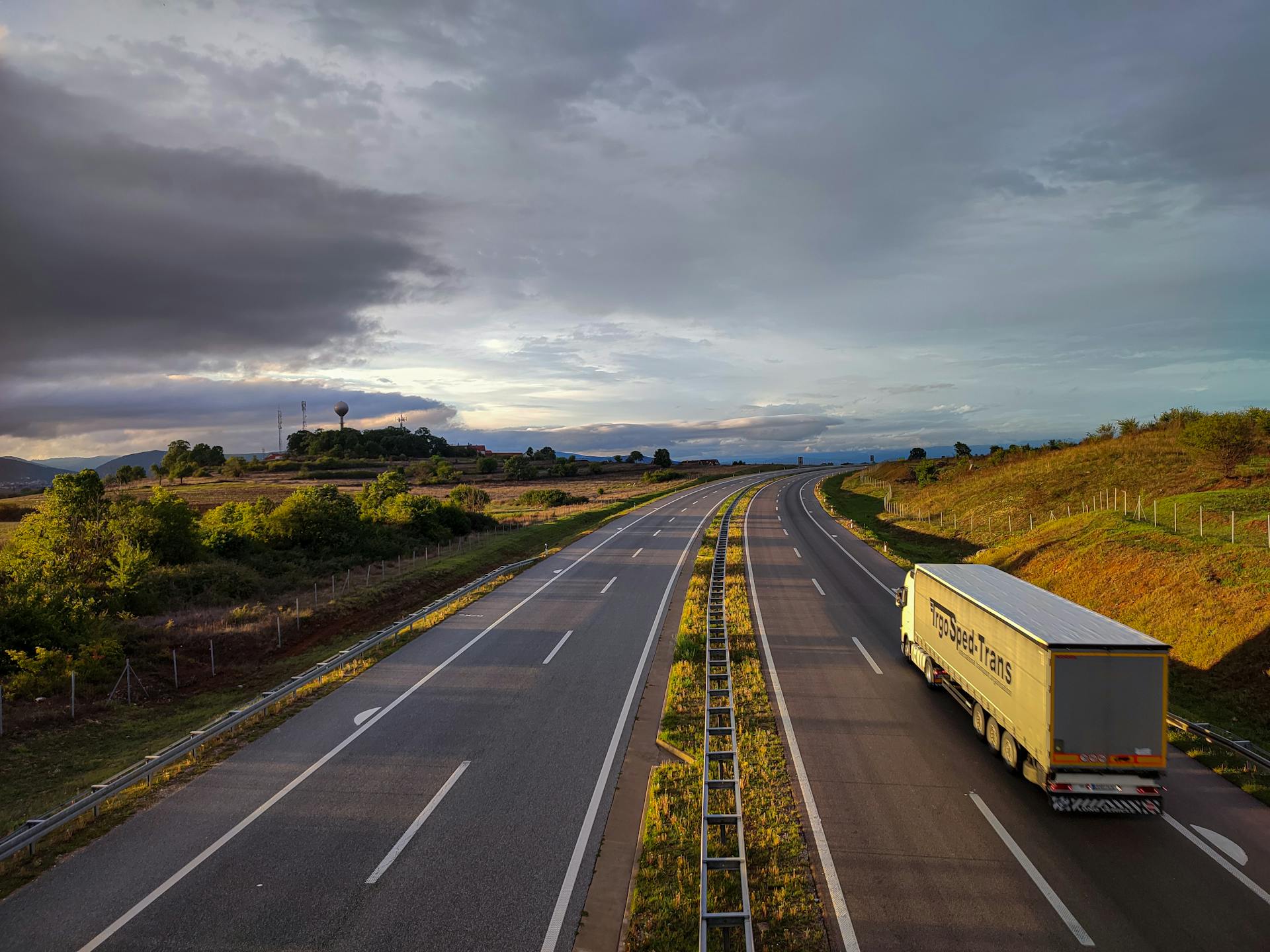
Baltimore to Chicago Truck Dispatch
Freight route connecting Baltimore, MD to Chicago, IL (700 miles). Chicago's intermodal hub status extends Baltimore's Midwest reach via I-70/I-76.
What do truck dispatch rates run from Baltimore to Chicago?
Baltimore to Chicago is a 700-mile lane that pays about $1,575 - $1,855 a load, near $2.25 - $2.65 per mile. The lane data lists transit as 1-2 days. Main freight is consumer goods, manufacturing equipment and retail distribution. Deadhead risk is about 30-35%, so a booked return matters a lot.
- Distance
- 700 miles
- Avg. rate / load
- $1,575 - $1,855
- Rate per mile
- $2.25 - $2.65
- Transit time
- 1-2 days
- Deadhead risk
- 30-35%
Lane rates reviewed September 2026. The numbers follow 2026 spot-market pricing and will move with fuel and the calendar. See our dispatch fee structure.
Baltimore to Chicago
Baltimore to Chicago is a 700-mile run west, mostly on I-70 and then across Ohio and Indiana. The drive works out to about 12 hours at 60 mph. That is more than the 11-hour driving limit, so a solo driver needs an overnight rest, or the load needs a team. At the far end, Chicago is the continent's main interchange between eastern and western railroads. About 25 percent of U.S. freight trains and 50 percent of U.S. intermodal trains pass through the region. Trucks are about one in seven vehicles on Illinois urban interstates. Back in Baltimore, CSX's Howard Street Tunnel now handles double-stack trains, and the port expects about 160,000 more containers a year.
Origin
Baltimore, MD
Destination
Chicago, IL
Distance
700 miles
Transit Time
1-2 days
Average Rate
$1,575 - $1,855
Rate per Mile
$2.25 - $2.65
700-mile lane with 1-2 day transit
I-70 west, then Ohio and Indiana, into one of the biggest rail hubs in North America
A solo driver needs an overnight rest because the drive is longer than the 11-hour limit
Baltimore to Chicago: route facts a driver should know
Chicago is the main rail hand-off in North America
According to the Chicago Metropolitan Agency for Planning (CMAP), about 25 percent of all freight trains and 50 percent of all intermodal trains in the United States pass through the Chicago area. It is the continent's main interchange point between western and eastern railroads. For a trucker, that can mean steady reload freight around the rail yards.
Source: CMAP, Maintain the region's status as North America's freight hub. Checked 25 Sep 2026.
Trucks and delays around Chicago
CMAP reports that trucks are about one in seven vehicles on urban interstates in Illinois, and some roads in the Chicago region carry more than 30,000 trucks a day. It also estimates that weekday delay at rail crossings cost residents $58 million a year in 2017. Add a buffer to any Chicago-area appointment.
Source: CMAP, Maintain the region's status as North America's freight hub. Checked 25 Sep 2026.
Howard Street Tunnel: double-stack trains in Baltimore
CSX reopened the expanded Howard Street Tunnel in Baltimore on 26 September 2025, so double-stack container trains can run through the city. The project cost more than $450 million, according to the report. It is expected to add about 160,000 containers a year at the Port of Baltimore.
Source: South Baltimore news report, 30 Sep 2025. Checked 25 Sep 2026.
700 miles is more than one driving day for one driver
At 60 mph, 700 miles is about 12 hours of driving. FMCSA limits driving to 11 hours after 10 consecutive hours off duty. A solo driver therefore needs a full 10-hour rest before the last part of the run, or the load needs a team.
Source: FMCSA, Summary of Hours of Service Regulations. Checked 25 Sep 2026.
Diesel for this lane
How much is the diesel for Baltimore to Chicago?
About $692.46 this week. The lane is 700 miles. A truck that gets 6.5 miles per gallon uses about 108 gallons, and diesel is averaging $6.43 a gallon on this lane (week of October 19, 2026). The U.S. average diesel price is up 10 cents this week.
An estimate. It uses EIA's weekly average for the two regions this lane connects, not the price at each pump. Your mpg and fuel card discounts change it.
- Distance
- 700 mi
- Diesel needed
- 108 gal
- Price used
- $6.43/gal
- Fuel cost
- $692.46
Common Freight Types
Consumer goods, factory equipment and retail freight ride this long route.
- Consumer Goods
- Manufacturing Equipment
- Retail Distribution
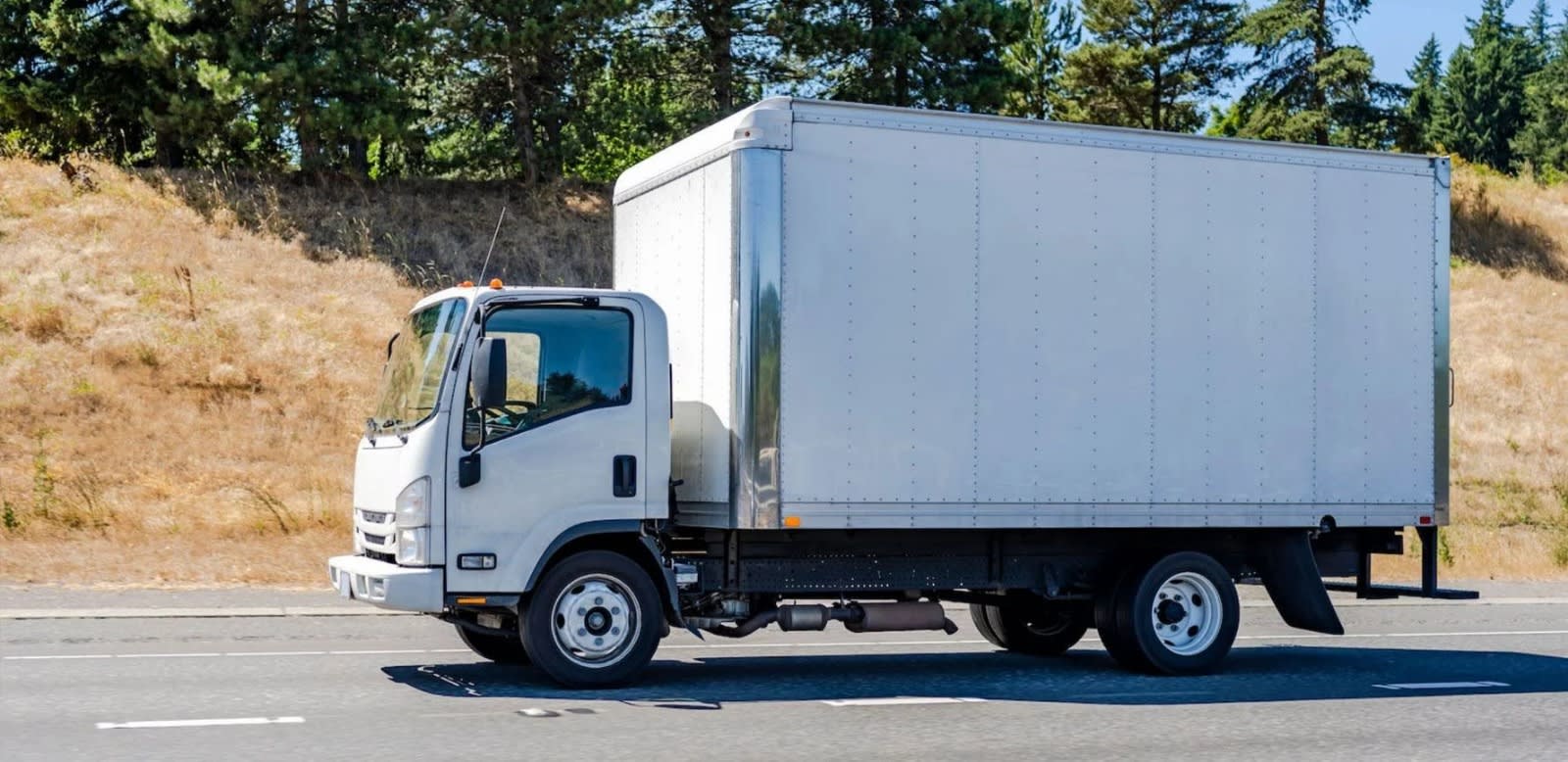
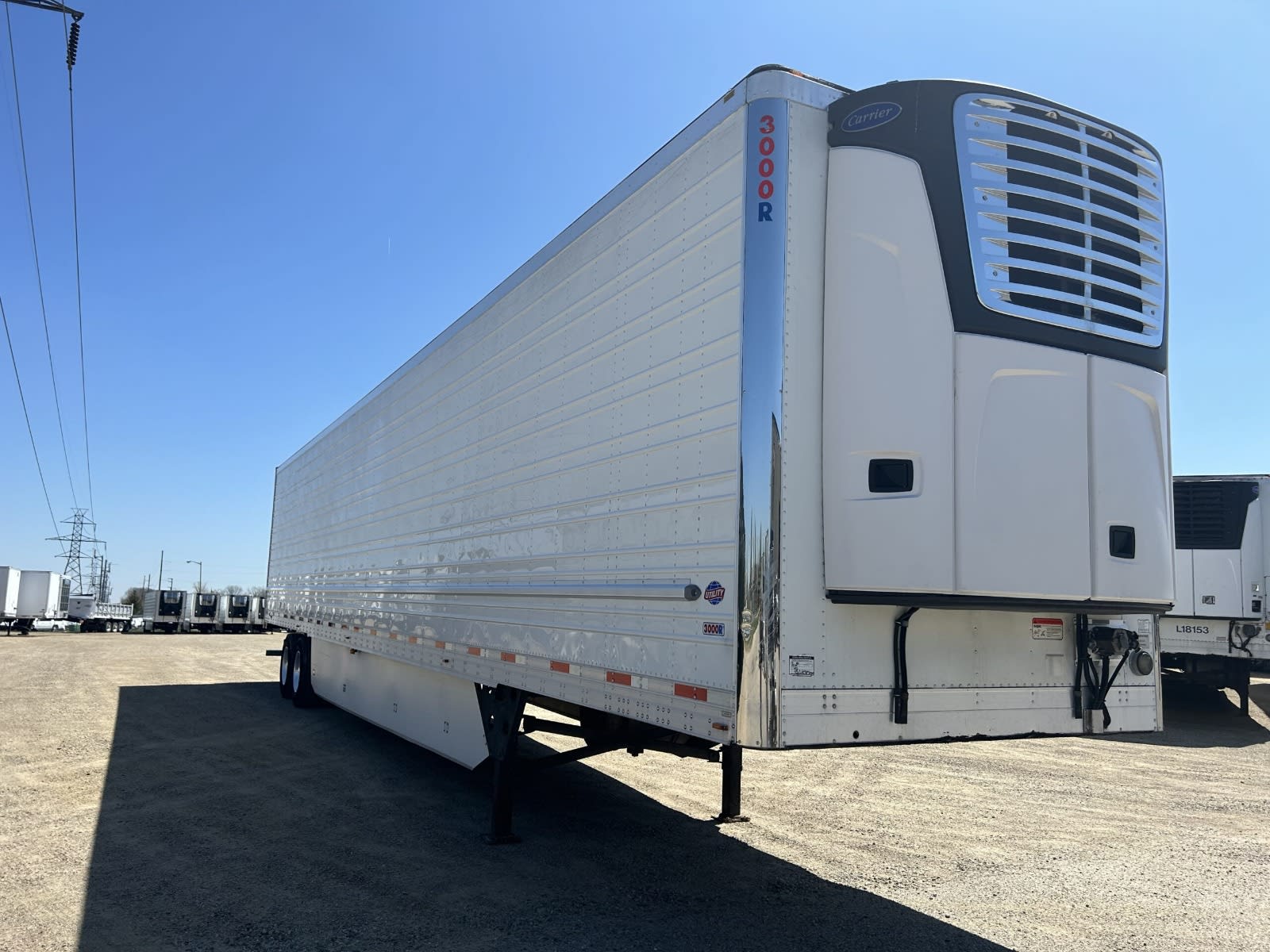
What makes the Baltimore to Chicago lane difficult?
Pennsylvania's western mountains slow the early part of the trip, especially in winter
Pennsylvania's western mountains slow the early part of the trip, especially in winter.
Chicago-area roads carry heavy truck traffic, and the last miles eat time
Chicago-area roads carry heavy truck traffic, and the last miles eat time.
A trip this long is exposed to more weather changes than a short run
A trip this long is exposed to more weather changes than a short run.
What freight moves on the Baltimore to Chicago lane?
What moves between the port and the rail capital of North America, and when.
Primary Commodities
- •Consumer Goods
- •Manufacturing Equipment
- •Retail Distribution
Secondary Commodities
- •Intermodal containers from Chicago rail yards
- •Retail distribution overflow
- •Machinery and factory equipment
Seasonal Cargo
Peak seasons for this lane:
- •Consumer goods (holiday surge, October to December)
- •Retail distribution (holiday surge)
- •Manufacturing equipment (steady all year)
When is the Baltimore to Chicago lane busiest?
Holiday retail sets the peak here, and winter weather sets the risk on a route this long.
Q1 (Jan-Mar): Slow Period?
The early months of the year are softer as retailers work down inventory. Manufacturing freight helps, so the lane cools rather than freezes.
Q4 (Oct-Dec): Peak Period?
Retail and consumer goods swell in the last quarter, and Chicago becomes even more crowded. Rates tend to be stronger, and so are the delays.
Produce Season?
Produce is a small part of this lane, so harvest season has little pull on capacity.
- •Holiday retail push, October to December
- •Steady manufacturing moves all year
- •Quiet weeks in January and February
Hurricane Risk?
Storm risk is limited to the Baltimore coast from June to November. The rest of the route is inland, where winter weather matters more.
Seasonal Strategy Summary
Retail and consumer goods rise in the last quarter, and manufacturing equipment holds steady all year. On a 700-mile route, winter weather in Pennsylvania, Ohio and Indiana is the seasonal risk that matters most.
How do I negotiate the best rate on the Baltimore to Chicago lane?
How to time the booking, where the premium loads are, and when to walk away from a load.
When to Book
How far ahead to book:
Three to four days ahead is wise for a run this long, with more notice in winter.
What Brokers Pay More
Where the premium is:
Time-critical freight tied to Chicago's rail yards and distribution centers can earn a premium.
When to Avoid
When to say no:
Avoid arriving in Chicago at weekday rush hour unless the pay reflects the wait.
Rate Negotiation Tips for Baltimore to Chicago
- •
Work from $2.25 to $2.65 a mile and check the board before accepting a load.
- •
At about 12 hours of driving, a solo run needs a 10-hour rest. Price the extra day, or ask if the load can use a team.
- •
Add a buffer to any Chicago appointment. Rail-crossing delays cost the region an estimated $58 million a year.
- •
A firm delivery time is worth more money, because a missed window in Chicago can cost a full day.
How do I find a backhaul load on the Baltimore to Chicago lane?
A long haul only pays if the trip home carries freight, and Chicago is where to find it.
Best Return Cities
Return freight is strongest around:
- •Chicago, IL
- •Chicago rail yard and intermodal districts
Deadhead Risk %
Deadhead risk on this lane: 30-35%
The lane data lists empty return risk at 30-35%, a high figure. Chicago has the loads, so booking early is what separates a good week from a poor one.
Alternative Routes
If your first choice returns nothing, try these:
- •Because so much freight passes through Chicago, many drivers find a Baltimore-bound load within a day.
Backhaul Optimization Tips
- •
Chicago has plenty of freight, yet the lane data still shows 30-35% of trips coming back empty. Book the Baltimore-bound load before you unload.
- •
Search near the rail yards. About 25 percent of U.S. freight trains and 50 percent of intermodal trains pass through the Chicago region.
- •
Plan your exit from Chicago early, since some roads there carry more than 30,000 trucks a day.
- •
Ask whether the Baltimore-bound load is tied to a port or rail terminal. The Howard Street Tunnel now handles double-stack trains.
What do experienced dispatchers know about the Baltimore to Chicago lane?
Three planning notes for a run this long.
Plan your overnight rest before you leave Baltimore, not after the sun goes down in Ohio.
Arrive in Chicago outside weekday rush hours when the receiver allows it.
Book the return at the same time as the outbound load. Chicago has plenty of freight, but the best loads go early.
Before you book Baltimore to Chicago, plan your overnight rest, your Chicago arrival time and your return load.
Baltimore to Chicago Lane FAQs
Answers on driving hours, Chicago traffic and the rail hub at the end of the run.
The lane data shows about $1,575 - $1,855 per load, or $2.25 - $2.65 a mile, over 700 miles. Long lanes pay a bigger total, but the return load decides how good the week is.
Not in a single driving day. Seven hundred miles at about 60 mph is roughly 12 hours, while FMCSA caps driving at 11 hours after 10 consecutive hours off duty. A solo driver needs a full 10-hour rest before the last leg.
It is the main place where eastern and western railroads meet. The Chicago Metropolitan Agency for Planning says about 25 percent of freight trains and 50 percent of intermodal trains in the United States pass through the region. That volume creates loads, and it creates crowding.
Trucks are about one in seven vehicles on urban interstates in Illinois, and some roads in the region carry more than 30,000 trucks a day. Rail-crossing delays cost the region an estimated $58 million a year in 2017. Give every Chicago appointment a cushion.
It can. CSX reopened the expanded tunnel on 26 September 2025 so that double-stack container trains can move through Baltimore. The port expects about 160,000 more containers a year, which could mean more port loads for trucks.
Consumer goods and retail freight peak in the last three months of the year. Manufacturing equipment runs steady all year. Rail containers out of Chicago's yards add a second stream.
The mountains in western Pennsylvania slow the first part of the trip, and a route this long crosses several weather zones. Watch the forecast for Pennsylvania, Ohio and Indiana before you commit.
Other Maryland freight lanes we dispatch
- Baltimore to Atlanta
- Baltimore to Charlotte
- Baltimore to Boston
- Baltimore to Columbus
- Baltimore to Hagerstown
- Baltimore to Charleston
Local resources
Also serving the other end of this lane
Dry Van owner-operator, Midwest: +$1,950/week after moving to $2.65/mi on produce / auto parts freight.
Read the case studyNeed help running Baltimore, MD to Chicago, IL consistently?
Want help filling the return leg between Baltimore and Chicago? Ask about a free custom growth plan.