

Baltimore to Charlotte Truck Dispatch
Freight route connecting Baltimore, MD to Charlotte, NC (400 miles). Charlotte's banking and distribution sector connects well via I-95/I-85.
What do truck dispatch rates run from Baltimore to Charlotte?
Baltimore to Charlotte runs about 400 miles and pays roughly $980 - $1,140 a load, near $2.45 - $2.85 per mile. The lane data lists transit as 1 day. Common freight is consumer goods, financial and office equipment and furniture. Deadhead risk is about 20-25%, with Charlotte as the main return market.
- Distance
- 400 miles
- Avg. rate / load
- $980 - $1,140
- Rate per mile
- $2.45 - $2.85
- Transit time
- 1 day
- Deadhead risk
- 20-25%
Lane rates reviewed September 2026. Rates track 2026 spot-market conditions and change with fuel and dock waits. See our dispatch fee structure.
Baltimore to Charlotte
Baltimore to Charlotte is a 400-mile run south, mostly on I-95 and then I-85. The lane data names Charlotte's finance and distribution businesses as the main freight sources. Plan on roughly 7 hours of wheel time at a steady 60 mph. Three details matter to a truck driver. Trucks with more than two axles may not use the 95 Express Lanes in Northern Virginia, so a tractor-trailer stays in the regular lanes. Charlotte has a large Norfolk Southern rail terminal at its airport. And the freight often starts at big sites like Tradepoint Atlantic at Sparrows Point, which covers 3,300 acres and has 70 miles of rail.
Origin
Baltimore, MD
Destination
Charlotte, NC
Distance
400 miles
Transit Time
1 day
Average Rate
$980 - $1,140
Rate per Mile
$2.45 - $2.85
400-mile lane with next-day transit in the lane data
I-95 south to I-85 carries the whole trip, through Richmond and the North Carolina Piedmont
Tractor-trailers stay out of the Virginia Express Lanes
Baltimore to Charlotte: route facts a driver should know
Virginia 95 Express Lanes: no trucks with more than two axles
Commercial trucks with two axles can use the 95 Express Lanes in Virginia with an E-ZPass. Trucks with more than two axles cannot use them at all. A tractor-trailer must stay in the general-purpose lanes, so plan your Northern Virginia timing around the regular lanes.
Source: Express Lanes (Virginia), Frequently asked questions. Checked 25 Sep 2026.
Charlotte Regional Intermodal Facility at the airport
Norfolk Southern built its Charlotte Regional Intermodal Facility at Charlotte Douglas International Airport. It cost $92 million, including $15.7 million in federal funds, and was planned for 200,000 lifts a year. It replaced a 40-acre downtown terminal that could not be expanded. This account is from a report dated 3 May 2012, when construction began.
Source: Progressive Railroading, 3 May 2012. Checked 25 Sep 2026.
Tradepoint Atlantic: a big freight source in Baltimore
Tradepoint Atlantic at Sparrows Point, in Baltimore, covers 3,300 acres. It has 70 miles of rail on the property, direct connections to CSX and Norfolk Southern, and a deepwater port with a 50-foot main shipping channel. It says it has the largest privately owned rail yard on the East Coast.
Source: Tradepoint Atlantic, Why Tradepoint. Checked 25 Sep 2026.
Watch the 14-hour window on a 7-hour lane
FMCSA says a driver may not drive beyond the 14th consecutive hour after coming on duty, and off-duty time does not extend that window. The driving on this lane is about 7 hours at 60 mph, but waiting at a dock in Baltimore or Charlotte counts against the 14 hours. Ask for dock times before you accept the load.
Source: FMCSA, Summary of Hours of Service Regulations. Checked 25 Sep 2026.
Diesel for this lane
How much is the diesel for Baltimore to Charlotte?
About $376.86 this week. The lane is 400 miles. A truck that gets 6.5 miles per gallon uses about 62 gallons, and diesel is averaging $6.12 a gallon on this lane (week of October 19, 2026). The U.S. average diesel price is up 10 cents this week.
An estimate. It uses EIA's weekly average for the two regions this lane connects, not the price at each pump. Your mpg and fuel card discounts change it.
- Distance
- 400 mi
- Diesel needed
- 62 gal
- Price used
- $6.12/gal
- Fuel cost
- $376.86
Common Freight Types
Consumer goods, office equipment and furniture make up most of the trailers on this route.
- Consumer Goods
- Financial/Office Equipment
- Furniture
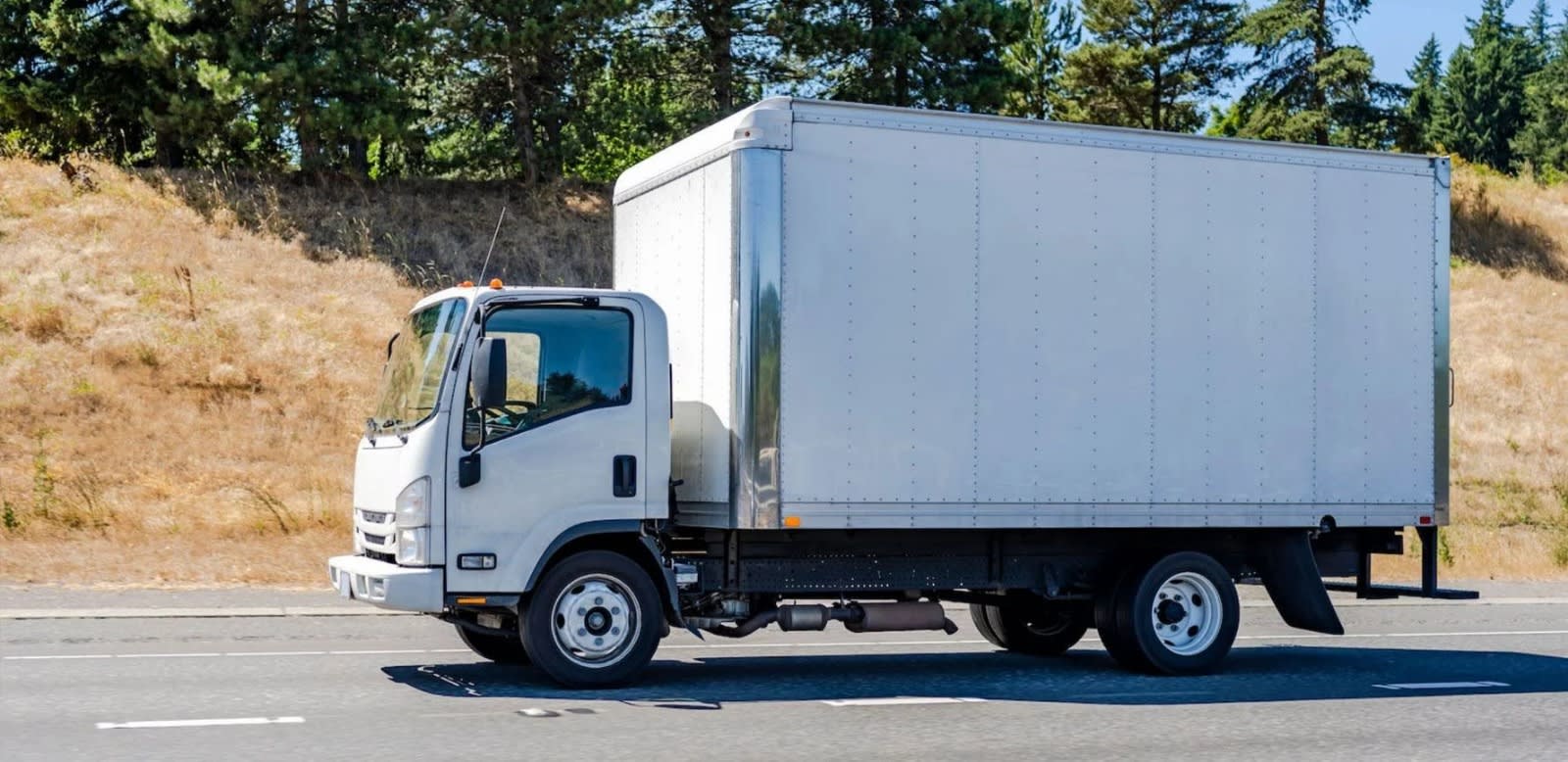
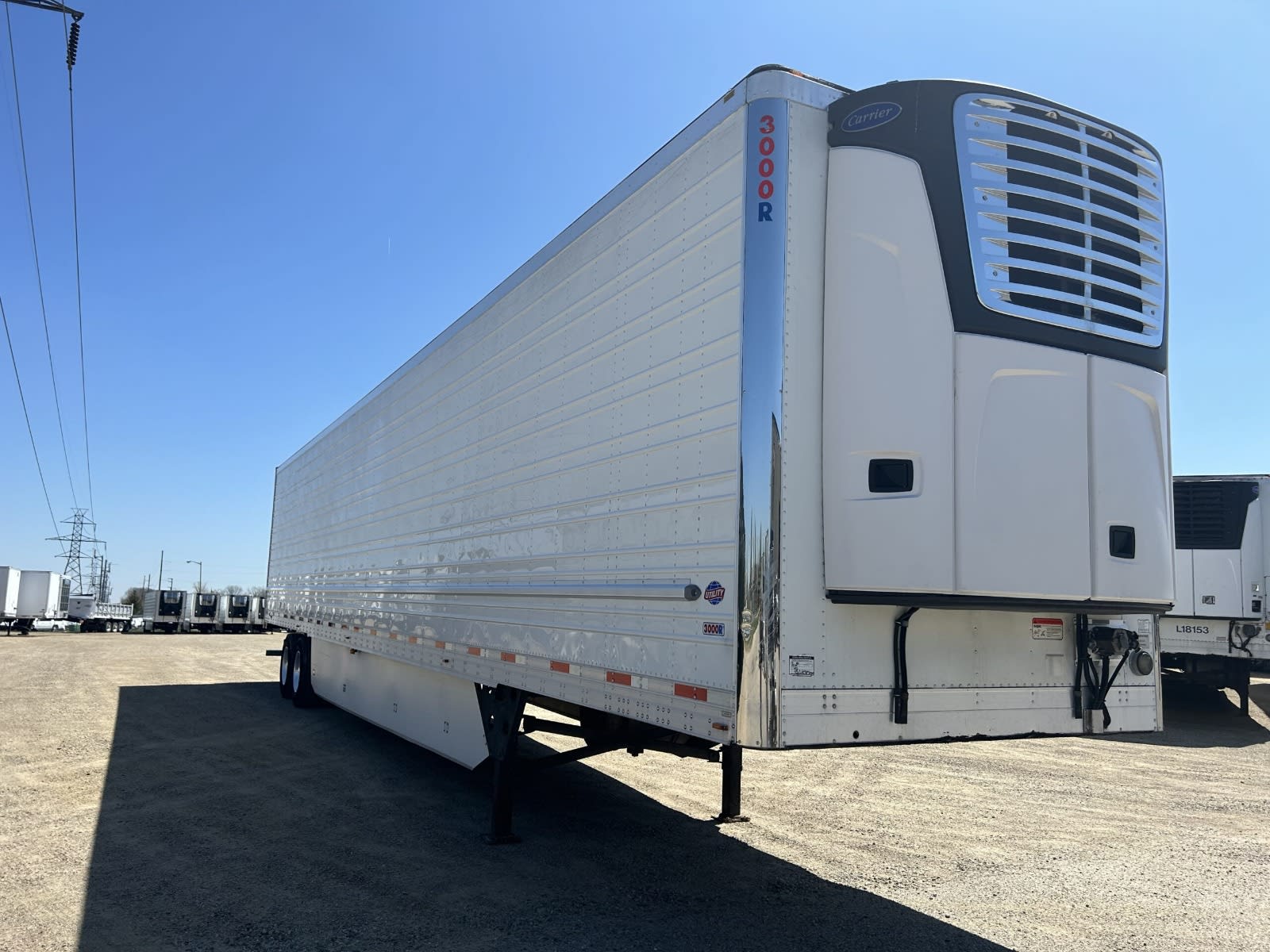
What makes the Baltimore to Charlotte lane difficult?
Northern Virginia and Richmond both clog at weekday rush hour
Northern Virginia and Richmond both clog at weekday rush hour.
Many carriers run this Southeast corridor, and a crowd of trucks can push rates down in slow weeks
Many carriers run this Southeast corridor, and a crowd of trucks can push rates down in slow weeks.
Charlotte's city streets may limit delivery hours, so confirm the window before you arrive
Charlotte's city streets may limit delivery hours, so confirm the window before you arrive.
What freight moves on the Baltimore to Charlotte lane?
What rides the I-95 and I-85 corridor between these two cities, and when it peaks.
Primary Commodities
- •Consumer Goods
- •Financial/Office Equipment
- •Furniture
Secondary Commodities
- •Rail terminal containers from the Charlotte airport facility
- •Furniture loads
- •Retail restocking loads
Seasonal Cargo
Peak seasons for this lane:
- •Consumer goods (holiday surge, October to December)
- •Financial and office equipment (steady all year)
- •Furniture (steady all year)
When is the Baltimore to Charlotte lane busiest?
The holiday rush drives this lane, and rush-hour traffic shapes it all year.
Q1 (Jan-Mar): Slow Period?
After the holidays, consumer loads thin out. Office equipment and furniture keep some steady work on the board, so the lane slows but does not stall.
Q4 (Oct-Dec): Peak Period?
Holiday goods fill trailers from October through December. Rates can firm up, but so does traffic on the I-95 and I-85 corridors.
Produce Season?
Produce is not the focus of this lane, so harvest windows change little.
- •Holiday shipping, October to December
- •Steady office and furniture moves all year
- •Slow patch after New Year
Hurricane Risk?
From June to November, tropical weather can reach both the Baltimore coast and the Carolinas. Charlotte sits inland, so the bigger exposure is along the eastern part of the route.
Seasonal Strategy Summary
Consumer goods swell in the holiday months. Financial and office equipment and furniture hold steady all year. Rush hour in Northern Virginia and Richmond can matter more than the season.
How do I negotiate the best rate on the Baltimore to Charlotte lane?
Guidance on when to lock in the load, who pays more, and which rush-hour offers to refuse.
When to Book
A good booking window:
Two to three days ahead is a good target, since the corridor moves steady volume.
What Brokers Pay More
Where the extra dollars are:
Finance-related and office freight, and loads with tight Charlotte dock times, often pay above standard rates.
When to Avoid
Offers to be careful with:
Do not agree to Richmond or Charlotte arrivals at weekday rush hour unless the rate covers the delay.
Rate Negotiation Tips for Baltimore to Charlotte
- •
Start from $2.45 to $2.85 a mile, then compare with the board on the day you book.
- •
Ask for dock times at both ends. Seven hours of driving is easy, but a long wait can use up your 14-hour window.
- •
Charge extra if the appointment puts you in Richmond or Charlotte at weekday rush hour.
- •
The airport rail terminal may keep set gate hours, so confirm the pickup time before you commit.
How do I find a backhaul load on the Baltimore to Charlotte lane?
The Charlotte end has the freight to fill your return, but you still have to book it early.
Best Return Cities
Good places to look for a northbound load:
- •Charlotte, NC
- •Charlotte airport rail terminal area
Deadhead Risk %
Deadhead risk on this lane: 20-25%
About one trip in four or five comes back empty on this lane, according to the lane data. Charlotte's rail and distribution freight gives you two separate places to search.
Alternative Routes
If the usual pickups are thin, try these:
- •Northbound freight often comes from Charlotte's distribution buildings and from the airport rail terminal.
Backhaul Optimization Tips
- •
Line up the northbound load before you leave Charlotte, and ask whether the pickup is near the airport rail terminal, which was planned for 200,000 lifts a year.
- •
On the way back, stay in the regular lanes in Northern Virginia. Trucks with more than two axles cannot use the 95 Express Lanes.
- •
Baltimore-area freight often starts at big rail and port sites. Tradepoint Atlantic has 70 miles of rail on its property, so ask about loads there.
- •
One trip in four or five returns empty on this lane. Booking early is the cheapest way to shrink that share.
What do experienced dispatchers know about the Baltimore to Charlotte lane?
Three things to settle before you head south.
Stay in the regular lanes through Northern Virginia and leave extra time for them.
Ask for the dock time at both ends before you accept the load.
Pick your Richmond pass carefully. Midday is usually easier than the rush hours.
Before you book Baltimore to Charlotte, confirm dock times, plan your Northern Virginia timing, and check the board.
Baltimore to Charlotte Lane FAQs
Plain answers about Virginia's express lanes, Charlotte's rail terminal and dock time.
The lane data shows about $980 - $1,140 per load, or $2.45 - $2.85 a mile, over 400 miles. Compare that with the load board on the day you book, since fuel and timing move it.
It can. The drive is only about 7 hours at 60 mph, but FMCSA says a driver may not drive beyond the 14th consecutive hour after coming on duty, and off-duty time does not extend that window. A long wait at a dock in either city can leave you unable to finish.
No. Commercial trucks with two axles can use the 95 Express Lanes with an E-ZPass, but trucks with more than two axles cannot use them at all. A tractor-trailer stays in the regular lanes on the way from Baltimore toward Charlotte.
It is at Charlotte Douglas International Airport. Norfolk Southern built it for $92 million and planned it for 200,000 lifts a year, replacing a 40-acre downtown terminal that could not grow. The report describing this is from 2012, so confirm gate hours with the terminal.
Tradepoint Atlantic at Sparrows Point covers 3,300 acres and has 70 miles of rail on site. It has direct links to CSX and Norfolk Southern and a deepwater port with a 50-foot main channel. That is a lot of freight starting in one place.
Consumer goods lead in the holiday months. Financial and office equipment and furniture stay steady all year. Charlotte's banking and distribution business is why the lane sees more office-type freight than many others.
Northern Virginia and Richmond both back up at weekday rush hour, and Charlotte's streets can have delivery limits. Plan those legs for midday when your appointment allows.
Other Maryland freight lanes we dispatch
- Baltimore to Chicago
- Baltimore to Norfolk
- Baltimore to Atlanta
- Baltimore to Boston
- Baltimore to Columbus
- Baltimore to Hagerstown
Local resources
Also serving the other end of this lane
Dry Van owner-operator, Midwest: +$1,950/week after moving to $2.65/mi on produce / auto parts freight.
Read the case studyNeed help running Baltimore, MD to Charlotte, NC consistently?
Hauling Baltimore to Charlotte regularly? Ask about a free custom growth plan for your trucks.