
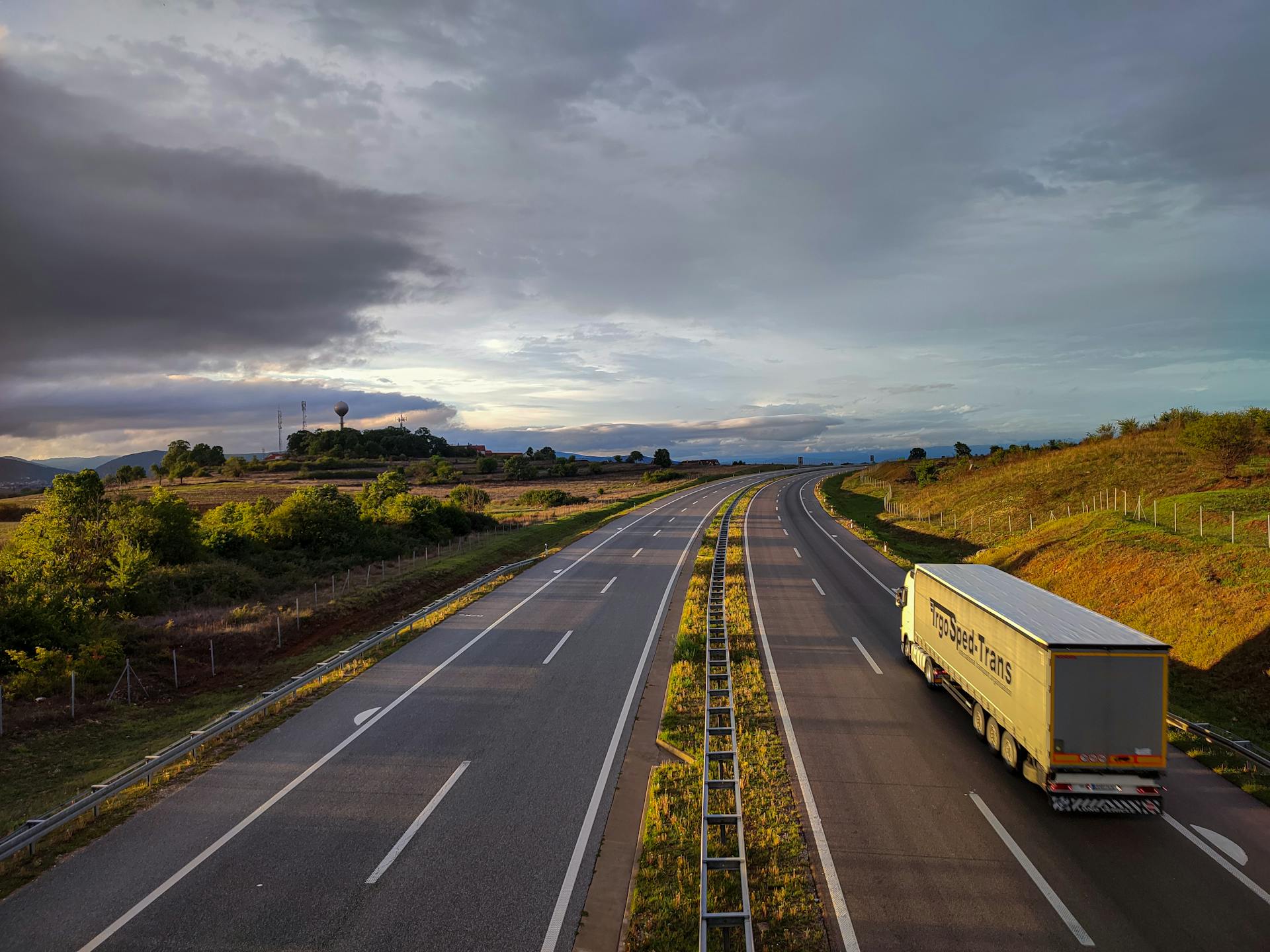
Baltimore to Columbus Truck Dispatch
Freight route connecting Baltimore, MD to Columbus, OH (400 miles). Rickenbacker Inland Port and e-commerce DC growth make Columbus a strong reload market via I-70.
What do truck dispatch rates run from Baltimore to Columbus?
A truck on the Baltimore to Columbus lane hauls about 400 miles for roughly $980 - $1,140 per load, which is close to $2.45 - $2.85 for each mile. The lane data lists typical transit as 1 day. Freight here is mostly e-commerce and parcel, consumer goods and automotive parts. The lane data puts deadhead risk at 20-25%, with Columbus as the main return market.
- Distance
- 400 miles
- Avg. rate / load
- $980 - $1,140
- Rate per mile
- $2.45 - $2.85
- Transit time
- 1 day
- Deadhead risk
- 20-25%
Lane rates reviewed September 2026. The mile rate reflects 2026 spot-market pricing and moves with fuel and appointment times. See our dispatch fee structure.
Baltimore to Columbus
Baltimore to Columbus is a 400-mile run west on I-70. You leave a port city, cross western Maryland and the Pennsylvania mountains, and end in central Ohio. Figure about 7 hours of driving at a steady 60 mph. That fits inside the 11-hour driving limit, so an early pickup can mean a same-day delivery. Two places in the middle of the trip decide how smooth it goes. In Maryland, the I-70 South Mountain Welcome Centers are a popular stop, and their truck spaces are often full. In Pennsylvania, I-70 meets the Pennsylvania Turnpike at Breezewood, where trucks leave the interstate and drive through two traffic lights on US 30. At the Ohio end, Norfolk Southern runs an intermodal terminal at Rickenbacker, near Columbus.
Origin
Baltimore, MD
Destination
Columbus, OH
Distance
400 miles
Transit Time
1 day
Average Rate
$980 - $1,140
Rate per Mile
$2.45 - $2.85
400-mile lane with same-day or next-day transit
I-70 carries the whole run, from the Baltimore beltway to the Columbus outer belt
Two known slow spots: the Breezewood lights in Pennsylvania and full truck parking in western Maryland
Baltimore to Columbus: route facts a driver should know
Breezewood: two traffic lights between I-70 and the turnpike
In Breezewood, Pennsylvania, a quarter-mile stretch of US 30 with two traffic lights connects I-70 and the Pennsylvania Turnpike (I-76). In 2022, the interchange had 2.65 million exits and 2.83 million entries. Trucks made up 37 percent of that traffic. Plan a few extra minutes for this stop, and try not to hit it at peak travel times.
Source: Pennsylvania Turnpike Commission, news release of 24 Sep 2024. Checked 25 Sep 2026.
South Mountain Welcome Centers: 74 truck spaces, often full
On I-70 in Frederick County, Maryland, the South Mountain Welcome Centers now have 74 truck parking spaces. A project finished on 8 July 2026 added 25 of them (15 eastbound and 10 westbound) and cost $8.6 million. The state says the truck areas are often at capacity. A 2020 state review found that this site has the highest share of trucks parked more than eight hours in Maryland. Do not count on a space when your 30-minute break comes due.
Source: Maryland DOT State Highway Administration, news release. Checked 25 Sep 2026.
Rickenbacker: a rail terminal near Columbus
Norfolk Southern's Rickenbacker Intermodal Terminal near Columbus opened in 2008. The airport authority reports an average truck dwell time of less than 20 minutes. About 75 percent of the terminal's traffic is international and 25 percent is domestic. Short dwell times matter when you have a tight delivery window.
Source: Columbus Regional Airport Authority, Rail intermodal page. Checked 25 Sep 2026.
Bad weather can add 2 hours to the driving day
FMCSA lets a driver extend the 11-hour driving limit and the 14-hour window by up to 2 hours when adverse driving conditions come up. Snow on the Pennsylvania ridges is the kind of surprise that rule covers, but plan your day so you never have to depend on it.
Source: FMCSA, Summary of Hours of Service Regulations. Checked 25 Sep 2026.
Diesel for this lane
How much is the diesel for Baltimore to Columbus?
About $395.69 this week. The lane is 400 miles. A truck that gets 6.5 miles per gallon uses about 62 gallons, and diesel is averaging $6.43 a gallon on this lane (week of October 19, 2026). The U.S. average diesel price is up 10 cents this week.
An estimate. It uses EIA's weekly average for the two regions this lane connects, not the price at each pump. Your mpg and fuel card discounts change it.
- Distance
- 400 mi
- Diesel needed
- 62 gal
- Price used
- $6.43/gal
- Fuel cost
- $395.69
Common Freight Types
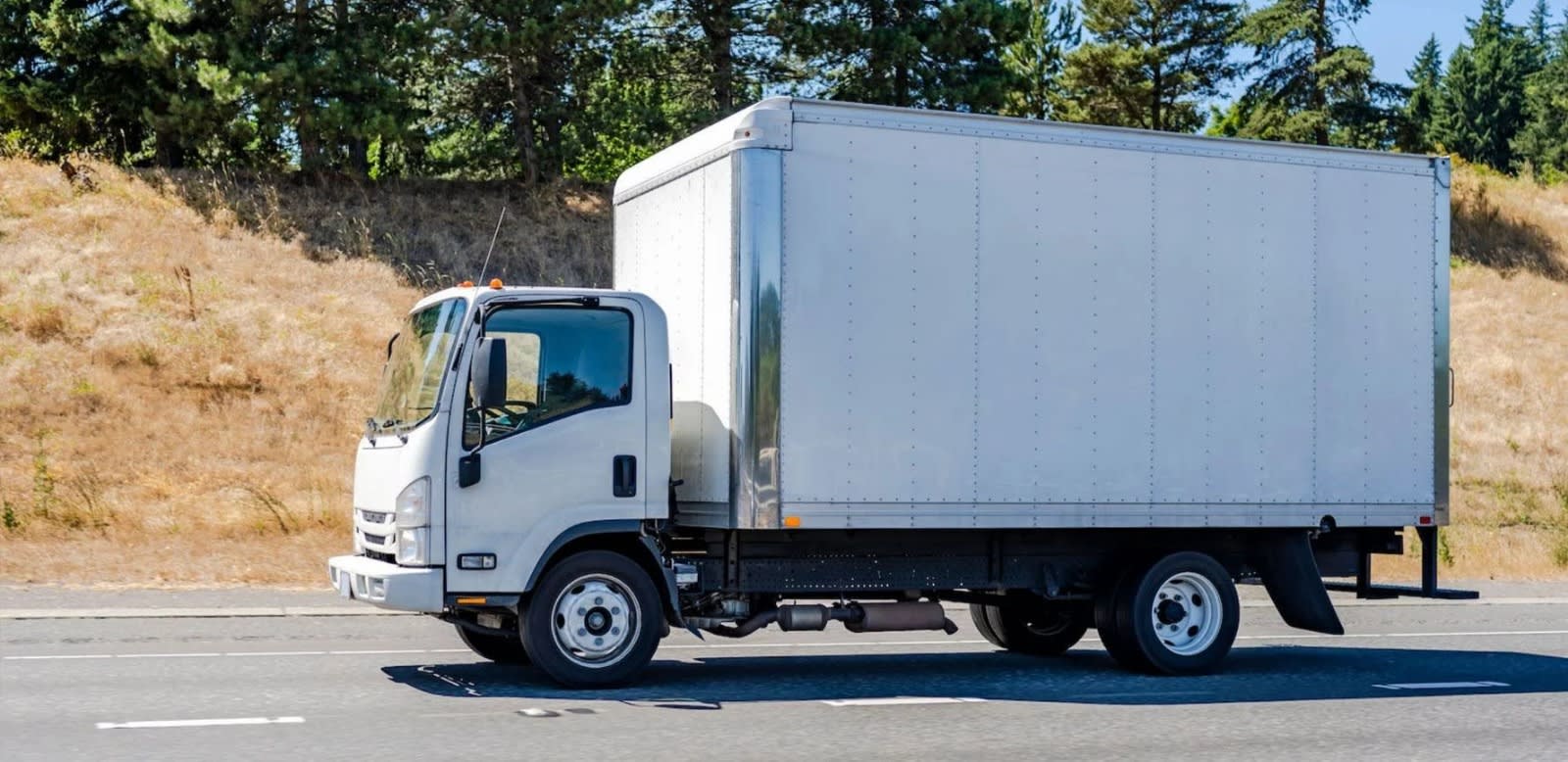
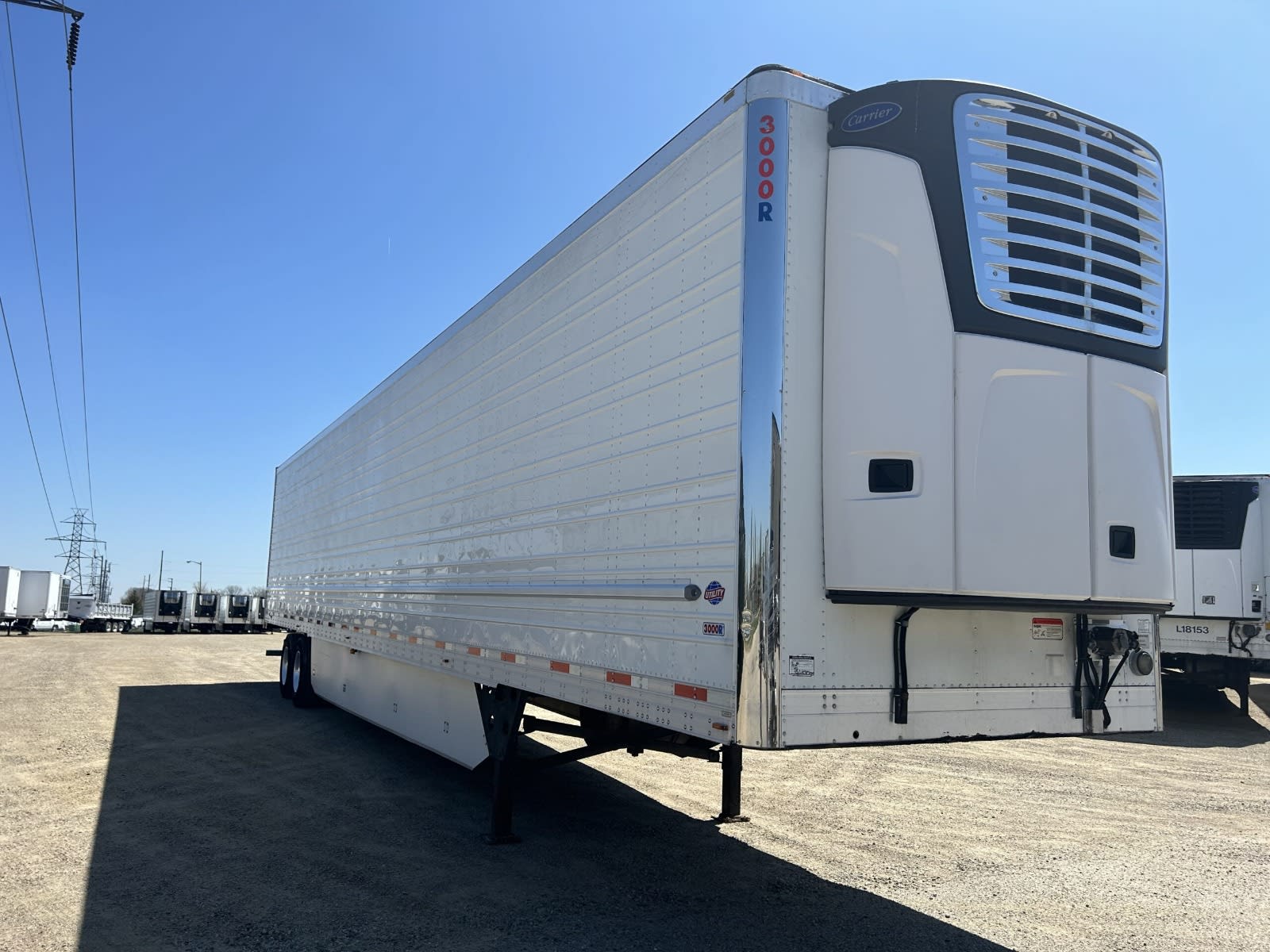
Parcel, consumer goods and auto parts fill most trailers on this run, so dry vans and box trucks get the most work.
- E-commerce/Parcel
- Consumer Goods
- Automotive Parts
What makes the Baltimore to Columbus lane difficult?
The two traffic lights at Breezewood can back up because trucks are more than a third of the traffic
The two traffic lights at Breezewood can back up because trucks are more than a third of the traffic.
Truck parking in western Maryland is tight, so a late break can leave you with nowhere to stop
Truck parking in western Maryland is tight, so a late break can leave you with nowhere to stop.
Snow on the Pennsylvania ridges can slow the middle of the trip in winter
Snow on the Pennsylvania ridges can slow the middle of the trip in winter.
What freight moves on the Baltimore to Columbus lane?
Here is what rides between Baltimore and Columbus, what fills the gaps, and when demand peaks.
Primary Commodities
- •E-commerce/Parcel
- •Consumer Goods
- •Automotive Parts
Secondary Commodities
- •Containers moved by rail to and from Rickenbacker
- •Parcel and e-commerce overflow
- •Automotive supplier parts
Seasonal Cargo
Peak seasons for this lane:
- •E-commerce and parcel (holiday surge, October to December)
- •Consumer goods (holiday surge)
- •Automotive parts (steady all year)
When is the Baltimore to Columbus lane busiest?
Columbus freight follows the retail calendar, with winter weather adding risk in the mountains.
Q1 (Jan-Mar): Slow Period?
January and February are quieter after the holiday rush, so brokers have more trucks than loads. Winter storms on the Pennsylvania ridges add delay risk on top of the slow demand.
Q4 (Oct-Dec): Peak Period?
Parcel and e-commerce freight builds through October, November and December. Book early in that window, because Columbus-bound loads move fast when retailers restock.
Produce Season?
This lane does not follow a harvest calendar. Its freight is parcel, consumer goods and auto parts, so produce season has little effect on rates.
- •Parcel rush, October to December
- •Back-to-school shipments, July and August
- •Quiet stretch, January and February
Hurricane Risk?
Storm risk here is at the Baltimore end, from June to November. Columbus is far inland, so once you clear the coast, weather is more about snow than tropical storms.
Seasonal Strategy Summary
Parcel, consumer goods and auto parts set the rhythm here. The holiday surge runs from October to December, January and February are quiet, and snow on the Pennsylvania ridges is the winter risk.
How do I negotiate the best rate on the Baltimore to Columbus lane?
Use these notes to pick your booking day, find the loads that pay more, and know which offers to pass on.
When to Book
Best timing for this lane:
Two to three days ahead works. In winter, book earlier and leave slack for mountain weather.
What Brokers Pay More
Freight that earns more here:
Loads tied to the Rickenbacker rail terminal and time-tight e-commerce deliveries tend to pay more than plain dry freight.
When to Avoid
Offers to turn down or push back on:
Skip a winter run over the Pennsylvania ridges if you cannot confirm road conditions the day before.
Rate Negotiation Tips for Baltimore to Columbus
- •
Put a price on your Breezewood minutes. Two lights and a heavy truck share can add time to every pass.
- •
Set your target near $2.45 to $2.85 a mile, then check it against today's board before you say yes.
- •
Seven hours of driving leaves slack in an 11-hour day, so charge more when a tight window forces you to sit and wait.
- •
Fast turns at the Rickenbacker terminal help you pack more paid miles into a week. Ask which dock the load uses.
How do I find a backhaul load on the Baltimore to Columbus lane?
Getting a load back out of Ohio is the key to making this lane pay for a round trip.
Best Return Cities
Look for return freight in these places first:
- •Columbus, OH
- •Rickenbacker area, south of Columbus
Deadhead Risk %
Deadhead risk on this lane: 20-25%
Expect about one trip in four or five to come back empty on this lane if you do not book the return early. Pre-booking is the cheapest way to lower that number. Rickenbacker rail freight gives you a second place to look besides Columbus itself.
Alternative Routes
If the first return load falls through, try these options:
- •If Columbus reloads are thin, look to the Rickenbacker rail terminal and to nearby Ohio distribution buildings for freight heading east.
Backhaul Optimization Tips
- •
Ask brokers about freight leaving the Rickenbacker rail terminal near Columbus. Trucks there wait under 20 minutes on average, so pickups can go quickly.
- •
Run your trip back through Breezewood at a quieter hour if the schedule lets you. Trucks are 37 percent of the traffic at those two lights.
- •
Use the South Mountain Welcome Centers as a planned stop on the way home, and keep a second stop in mind because the truck areas are often full.
- •
One trip in four or five comes back empty on this lane, so book the Baltimore-bound load before you deliver in Columbus.
What do experienced dispatchers know about the Baltimore to Columbus lane?
Three habits that make the Baltimore to Columbus run go smoothly.
Fuel before the mountains, not in them, so you never have to hunt for a stop on the ridges.
If the appointment allows, avoid pushing through Breezewood at the busiest travel hours.
Have a second parking plan for western Maryland. If the welcome center lot is full, decide early where to go next.
Before you book Baltimore to Columbus, check Breezewood traffic, your parking plan in western Maryland, and today's board rates.
Baltimore to Columbus Lane FAQs
Straight answers about the Baltimore to Columbus run, from rates to parking.
The lane data shows about $980 - $1,140 per load, or $2.45 - $2.85 per mile, over 400 miles. Treat that as a starting range and check it against today's load board. Fuel, the pickup window and the return load all move your real take-home.
Usually yes. At about 60 mph, 400 miles is roughly 7 hours behind the wheel, well under the 11-hour driving limit. Add the 30-minute break, a fuel stop and some slack for Breezewood. Long dock waits are the real risk because they burn your 14-hour window.
Breezewood is a Pennsylvania town where I-70 and the Pennsylvania Turnpike do not join directly. A quarter-mile of US 30 with two traffic lights links them. In 2022 the interchange had 2.65 million exits and 2.83 million entries, and trucks made up 37 percent of that traffic.
The South Mountain Welcome Centers have 74 truck spaces across both sides of I-70. Maryland added 25 of them in a project finished on 8 July 2026. The state still calls the truck areas often full, so pick a backup stop before you leave.
It is a Norfolk Southern intermodal terminal that opened in 2008. The airport authority reports average truck dwell time under 20 minutes and a traffic mix of about 75 percent international and 25 percent domestic. Short dwell times help when your delivery window is tight.
The lane is built on e-commerce and parcel freight, consumer goods and automotive parts. Rail containers from Rickenbacker add a second stream. Parcel and consumer goods surge from October to December, while auto parts run steady all year.
The Pennsylvania ridges are the trouble spot. Snow there can slow the middle of the trip, and January and February are already slow months for freight. Check the forecast the day before and build slack into the appointment.
Other Maryland freight lanes we dispatch
- Baltimore to Hagerstown
- Baltimore to Boston
- Baltimore to Charleston
- Baltimore to Detroit
- Baltimore to Charlottesville
- Baltimore to Washington
Local resources
Also serving the other end of this lane
Dry Van owner-operator, Midwest: +$1,950/week after moving to $2.65/mi on produce / auto parts freight.
Read the case studyNeed help running Baltimore, MD to Columbus, OH consistently?
Running Baltimore to Columbus often? Ask for a free custom growth plan built around your loads.