

Dry Van Dispatch Services for Owner-Operators
Reliable Freight, Maximum Efficiency
Any type of 48'-53' trucks
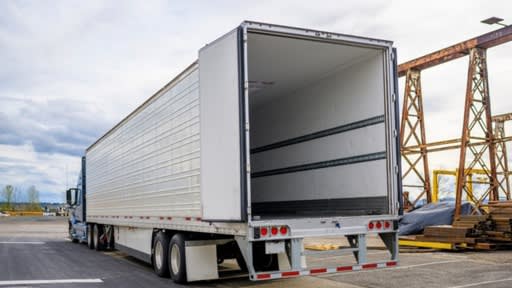
Dry Van Dispatch
Looking for reliable dry van dispatch that raises your revenue and cuts empty miles? Our expert team connects owner-operators and fleet owners with high-paying dry van loads across the 48 contiguous states. With 24/7 support and load matching technology, we're the dispatch partner that keeps your wheels turning and your bank account growing.
Compliance with all dry freight transport standards
24/7 tracking and support from experienced dispatchers
Routes planned for fuel efficiency and on-time deliveries
Load management tailored for standard freight cargo
Dry Van Dispatch Specifications & Requirements
Dry van trailers are the workhorses of American trucking. They move over 70% of all freight in the United States.
- Standard Length:53 feet (most common), 48 feet also available
- Width:8 feet 6 inches (102 inches)
- Height:9 feet interior clearance (108-110 inches exterior)
- Weight Capacity:45,000 lbs typical payload (varies by state regulations)
- Door Width:8 feet 2 inches (98 inches) swing or roll-up doors
- Floor Space:About 3,800-4,000 cubic feet
- Required Equipment:Air-ride suspension (preferred), swing or roll-up rear doors, and dock-high or ground-level loading
Types of Freight We Dispatch
Our dry van dispatch services cover a wide range of commodities:
Consumer Packaged Goods (CPG): food, beverages, household products
Retail Freight: Apparel, footwear, home goods, sporting goods
Electronics: computers, appliances, consumer electronics
Manufacturing Materials: parts, components, packaging materials
Paper Products: tissue, packaging, printing materials
Automotive Parts: non-hazardous auto parts
E-commerce Fulfillment: Amazon, Walmart, Target distribution
Dry Van Dispatch Market Rate Ranges
Market rates fluctuate based on season, fuel costs, and regional demand. Here are typical ranges:
| Route Type | Rate Per Mile | Average Load Value |
|---|---|---|
| Short Haul (< 250 miles) | $2.20 - $2.80 | $450 - $700 |
| Regional (250-500 miles) | $2.00 - $2.50 | $800 - $1,250 |
| Long Haul (> 500 miles) | $1.85 - $2.35 | $1,400 - $3,200 |
| Dedicated Lanes | $2.10 - $2.60 | $1,200 - $2,800 |
| Spot Market Loads | $1.75 - $3.50 | $900 - $4,000 |
Ranges last reviewed February 2026. Rates move with season, fuel and demand, so check the current rate on your lane before you negotiate, for example with the rate benchmarker.
High-Demand Dry Van Dispatch Lanes
Smart lane choice is key to profit. These corridors steadily offer strong rates and load availability:
California to Texas
High demand for retail goods, electronics, and produce moving eastbound
Rate: $3,200-$4,800
Distance: 1,400-1,800 miles
Chicago to Southeast
Manufacturing hub supplying distribution centers
Rate: $2,400-$3,600
Distance: 700-900 miles
Pacific Northwest to Midwest
Steady demand with limited carrier capacity
Rate: $2,800-$4,200
Distance: 1,600-2,000 miles
Texas Triangle (Dallas-Houston-San Antonio)
High frequency, quick turnaround
Rate: $800-$1,400
Distance: 200-300 miles
Northeast Corridor
Dense population centers with constant freight movement
Rate: $1,200-$2,200
Distance: 300-500 miles
KEY FEATURES
Dry vans are the most in-demand truck type in the market. A growing carrier needs a guide in this rough market to grab the most profitable offer. Grow Trucking's dispatch service simplifies your work. We track options across many load boards, so you never have to leave the office or the driver's seat.
AI-Powered Load Matching
Our own algorithm checks 50,000+ daily loads to find the best freight for you
Reduced Deadhead Miles
Average 37% cut in empty miles through smart load planning
Rate Negotiation Expertise
Our dispatchers average 8-12% higher rates than self-dispatch
24/7/365 Availability
Round-the-clock support means you never miss a load chance
Dry Van Dispatch Process
Initial Consultation
We look at your preferred lanes, home base, equipment specs, and financial goals. Then we build a dispatch plan around them.
Load Sourcing
Our team watches many load boards, direct shipper relationships, and freight brokers. We find the highest-paying loads that match your criteria. We negotiate rates and terms for you.
Route Optimization
We plan multi-stop routes, backhaul chances, and smart positioning. The goal is to raise revenue per week, not just per load.
Documentation & Tracking
We handle rate confirmations, BOLs, permits, and all required paperwork for you. GPS tracking and ELD integration give you real-time visibility.
Delivery & Payment
We coordinate delivery appointments and handle detention claims. We process payment through our quick-pay factoring partners or direct billing.
Dry Van Dispatch vs. Other Trailer Types
Knowing how dry van compares to other trailer types helps you make smart choices:
| Feature | Dry Van | Reefer | Flatbed |
|---|---|---|---|
| Average Rate/Mile | $1.85 - $2.35 | $2.20 - $2.85 | $2.10 - $2.70 |
| Load Availability | Highest | High | Medium |
| Seasonality Impact | Low | High | Medium |
| Fuel Cost | Baseline | +$0.45/mile | Baseline |
| Maintenance Cost | $0.12/mile | $0.18/mile | $0.14/mile |
| Annual Revenue Potential | $180K-$220K | $200K-$250K | $190K-$240K |
Equipment Requirements & Recommendations
To maximize earning potential with dry van freight:
Essential Equipment
53-foot dry van trailer (the most flexible for load selection)
Air-ride suspension (85% of shippers require it to prevent damage)
Swing doors or roll-up rear door (roll-up preferred for tight docks)
E-Track or logistic track for cargo securement
Load locks, bars, and straps (minimum 4 each)
Pallet jack (for floor-loaded freight)
Premium Add-Ons (Higher Rates)
Liftgate
For non-dock deliveries
+$50-$150 per load
Team operation
+$0.40-$0.60 per mile premium
Bonded carrier status
Access to high-value international freight
TSA certification
Opens the door to airport/airline cargo contracts
Common Dry Van Dispatch Challenges We Solve
Challenge: Limited Load Availability in Some Markets
Solution: Our network includes 2,500+ direct shipper relationships and access to 15+ load boards. Average 4.2 load offers per day per truck.
Challenge: Excessive Loading/Unloading Delays
Solution: We pre-screen shippers for loading speed. We push hard for detention pay (average $75/hour after a 2-hour grace period).
Challenge: Rate Volatility
Solution: Diversified freight mix across industries reduces exposure. Our contract freight program locks in rates for 30-90 day terms.
Challenge: High Deadhead Miles
Solution: AI-powered backhaul matching cuts empty miles by 37% vs. the industry average. Smart repositioning saves $400-$800 per week.
Regional Dry Van Dispatch Hotspots
These areas offer exceptional dry van opportunities:
California to Texas
High demand for retail goods, electronics, and produce moving eastbound
$3,200-$4,800 per load
Chicago to Southeast
Manufacturing hub supplying distribution centers
$2,400-$3,600 per load
Pacific Northwest to Midwest
Steady demand with limited carrier capacity
$2,800-$4,200 per load
Dry Van Dispatch Pricing
Transparent, performance-based pricing with no hidden fees:
Standard Dispatch:
4–6% of linehaul revenue per load. Owner-operator rate; fleet pricing is custom and comes down as the fleet grows.
Setup Fee:
$0 (many competitors charge $200-$500)
What's Included:
Load sourcing
Rate negotiation
Paperwork
RMIS compliance
Fuel card access
24/7 support
Quick pay options
Success Stories
"Switched to this dispatch service in October 2025. First month grossed $18,200 vs. my previous $14,800 average. The difference? Better lanes, less deadhead, and they actually negotiate rates. Already recommended to 3 other owner-ops."
Mike Rodriguez
2018 Freightliner Cascadia
Phoenix AZ
"Been trucking 12 years, tried 4 different dispatchers. These guys are hands-down the best. They understand dry van freight inside and out. My revenue is up 22% and I'm home every weekend now because of their regional planning."
Sarah Chen
2-truck fleet owner
Chicago IL
Why Choose Us
Increased Revenue
Get higher-paying loads through our large broker network and rate negotiation skill.
Reduced Downtime
Cut empty miles with backhaul coordination and better route planning.
Time Savings
Focus on driving while we handle load searching, negotiation, and admin tasks.
Market Expertise
Use our deep knowledge of dry van market trends and seasonal patterns.
Dry Van rules and costs, answered
Frequently Asked Questions - Dry Van Dispatch
Do I need a CDL to haul a dry van?
How much can a dry van truck weigh on the highway?
How long, wide and tall can a dry van combination be?
Do I have to check the freight in a sealed dry van?
How many hours can a dry van driver work?
What do I need before I haul dry van freight for brokers?
How much does dry van dispatch cost?
Facts checked October 15, 2026. Sources: 49 CFR 383.5; 23 CFR 658.17; 23 CFR 658.15; FHWA: Federal size regulations; 49 CFR 392.9; 49 CFR 395.3; 49 CFR 395.8; 49 CFR 387.9; 49 CFR 391.41; FMCSA: Do I need a USDOT number?; FMCSA: Get operating authority.
Free tools for Dry Van carriers
Price a load, check weights and compare rates with free calculators built for this equipment.
- Load Board Rate BenchmarkerCompare a dry van rate against current market averages for van freight.
- Should I Take This Load? CalculatorKnow right away if a load is worth taking: ACCEPT, NEGOTIATE, or REJECT. It is based on true profit, not just the posted rate.
- Detention Pay CalculatorDry van docks mean long waits. See what your wait is worth.
- Lumper Fee TrackerDry van docks often mean lumper fees — track them so they get reimbursed.
Trucking terms for Dry Van carriers
Short, plain answers to words you will meet when you book and haul this freight.
Want to drive a dry van?
We take driver applications, with a CDL or without one. It takes about two minutes and needs no documents.
Ready to Maximize Your Dry Van Revenue?
Partner with Grow Trucking to access premium loads, optimize routes, and grow your dry van business. Get your free consultation today!