

Baltimore to Atlanta Truck Dispatch
Freight route connecting Baltimore, MD to Atlanta, GA (640 miles). Atlanta's distribution hub status extends Baltimore's Southeast reach via I-95/I-85.
What do truck dispatch rates run from Baltimore to Atlanta?
Baltimore to Atlanta is a 640-mile lane paying about $1,472 - $1,728 per load, near $2.30 - $2.70 a mile. The lane data lists transit as 1-2 days. Freight is mostly retail distribution, consumer goods and automotive parts. Deadhead risk is about 25-30%, and Atlanta is the main return market.
- Distance
- 640 miles
- Avg. rate / load
- $1,472 - $1,728
- Rate per mile
- $2.30 - $2.70
- Transit time
- 1-2 days
- Deadhead risk
- 25-30%
Lane rates reviewed September 2026. These numbers follow 2026 spot-market pricing and shift with fuel and Atlanta traffic. See our dispatch fee structure.
Baltimore to Atlanta
Baltimore to Atlanta is a 640-mile run south on I-95 and I-85. At a steady 60 mph, expect about 11 hours behind the wheel. That is right at the FMCSA driving limit, so any delay pushes you into a second day. Atlanta has a strict rule for trucks. Georgia law bars trucks with more than six wheels from I-20, I-75, I-85 and GA 400 inside the I-285 loop, with four exceptions, and the fine is $150. The Baltimore end is busy too. Its Seagirt terminal set a container record in 2025, and the Key Bridge rebuild is not due until the end of 2030.
Origin
Baltimore, MD
Destination
Atlanta, GA
Distance
640 miles
Transit Time
1-2 days
Average Rate
$1,472 - $1,728
Rate per Mile
$2.30 - $2.70
640-mile lane with 1-2 day transit
I-95 south to I-85, passing Richmond and Charlotte before Atlanta
Georgia law limits where trucks may drive inside the I-285 loop
Baltimore to Atlanta: route facts a driver should know
Atlanta truck rule: stay outside I-285 unless you have a stop inside
Under Georgia Code 40-6-51, trucks with more than six wheels may not use I-20, I-75, I-85 or GA 400 inside the I-285 arc around Atlanta. The four exceptions are: a pickup or delivery to or from a shipper inside the arc, a trip to or from your own terminal inside the arc, a trip to or from a repair shop inside the arc, and a trip to or from your home inside the arc. The fine is $150, or $1,000 during a declared weather emergency.
Source: Georgia Code 40-6-51 (FindLaw). Checked 25 Sep 2026.
Seagirt set a container record in 2025
Maryland's governor reported that the Seagirt Marine Terminal in Baltimore moved a record 1,113,309 twenty-foot containers (TEUs) in 2025, on 689 ship calls. Weekly container services at the port grew from 12 routes in 2024 to 15 in 2025.
Source: Office of Governor Wes Moore, press release of 29 Jan 2026. Checked 25 Sep 2026.
Key Bridge rebuild: target is the end of 2030
The Francis Scott Key Bridge collapsed in March 2024. In March 2026, state officials said the target to reopen it is the end of 2030. The updated cost estimate, from November 2025, is between $4.3 billion and $5.2 billion. Demolition of the remaining structure finished earlier in 2026. Plan your Baltimore departure with the I-695 and tunnel limits in mind.
Source: CBS News Baltimore, 26 Mar 2026. Checked 25 Sep 2026.
Splitting the 10-hour rest on an 11-hour drive
FMCSA lets a driver split the required 10 hours off duty into two periods. One must be at least 2 hours long, the other must be at least 7 consecutive hours in the sleeper berth, and together they must add up to at least 10 hours. On a lane that takes about 11 hours of driving, a split rest can help you fit the trip around traffic and parking.
Source: FMCSA, Summary of Hours of Service Regulations. Checked 25 Sep 2026.
Diesel for this lane
How much is the diesel for Baltimore to Atlanta?
About $602.98 this week. The lane is 640 miles. A truck that gets 6.5 miles per gallon uses about 98 gallons, and diesel is averaging $6.12 a gallon on this lane (week of October 19, 2026). The U.S. average diesel price is up 10 cents this week.
An estimate. It uses EIA's weekly average for the two regions this lane connects, not the price at each pump. Your mpg and fuel card discounts change it.
- Distance
- 640 mi
- Diesel needed
- 98 gal
- Price used
- $6.12/gal
- Fuel cost
- $602.98
Common Freight Types
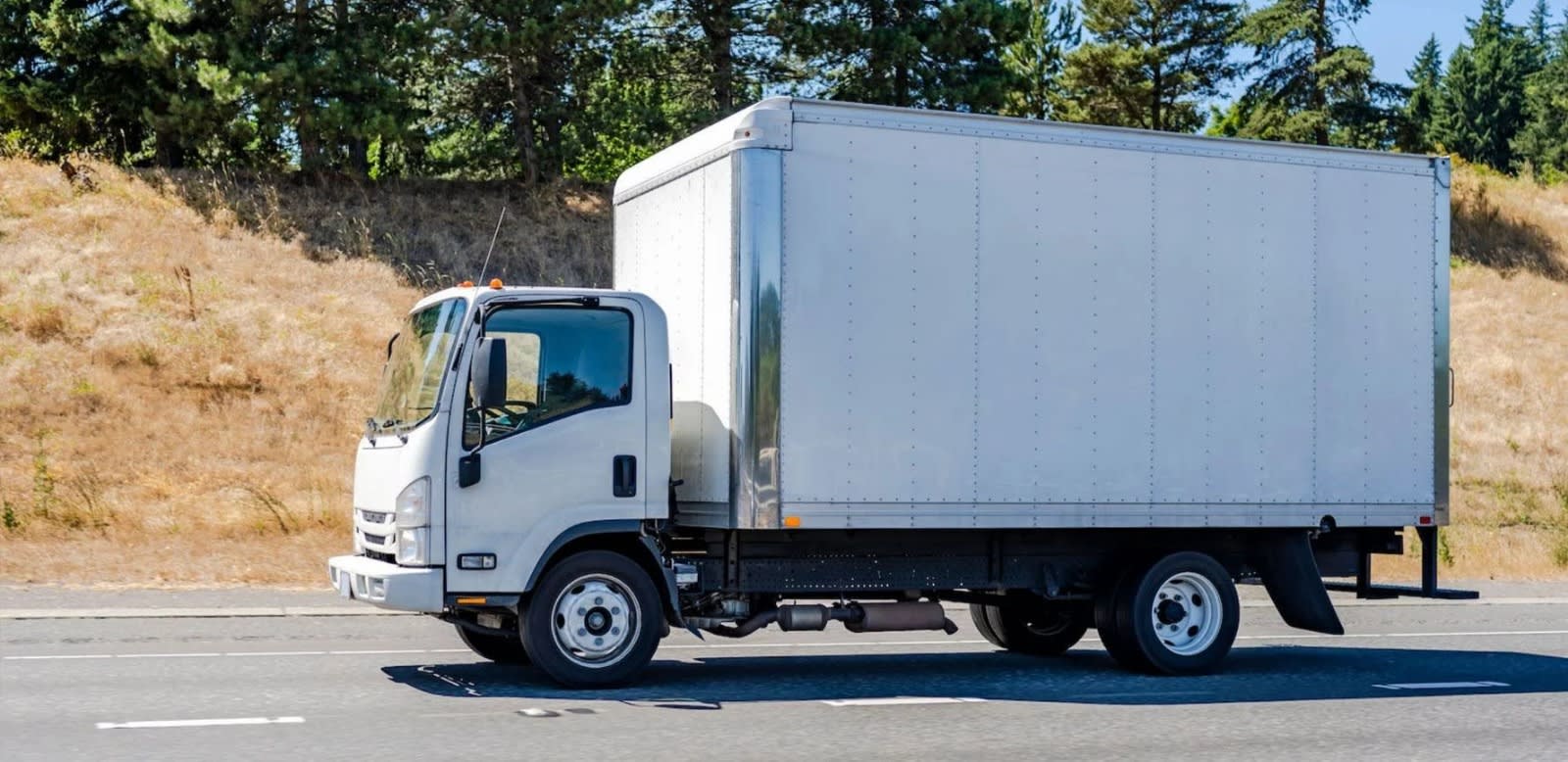
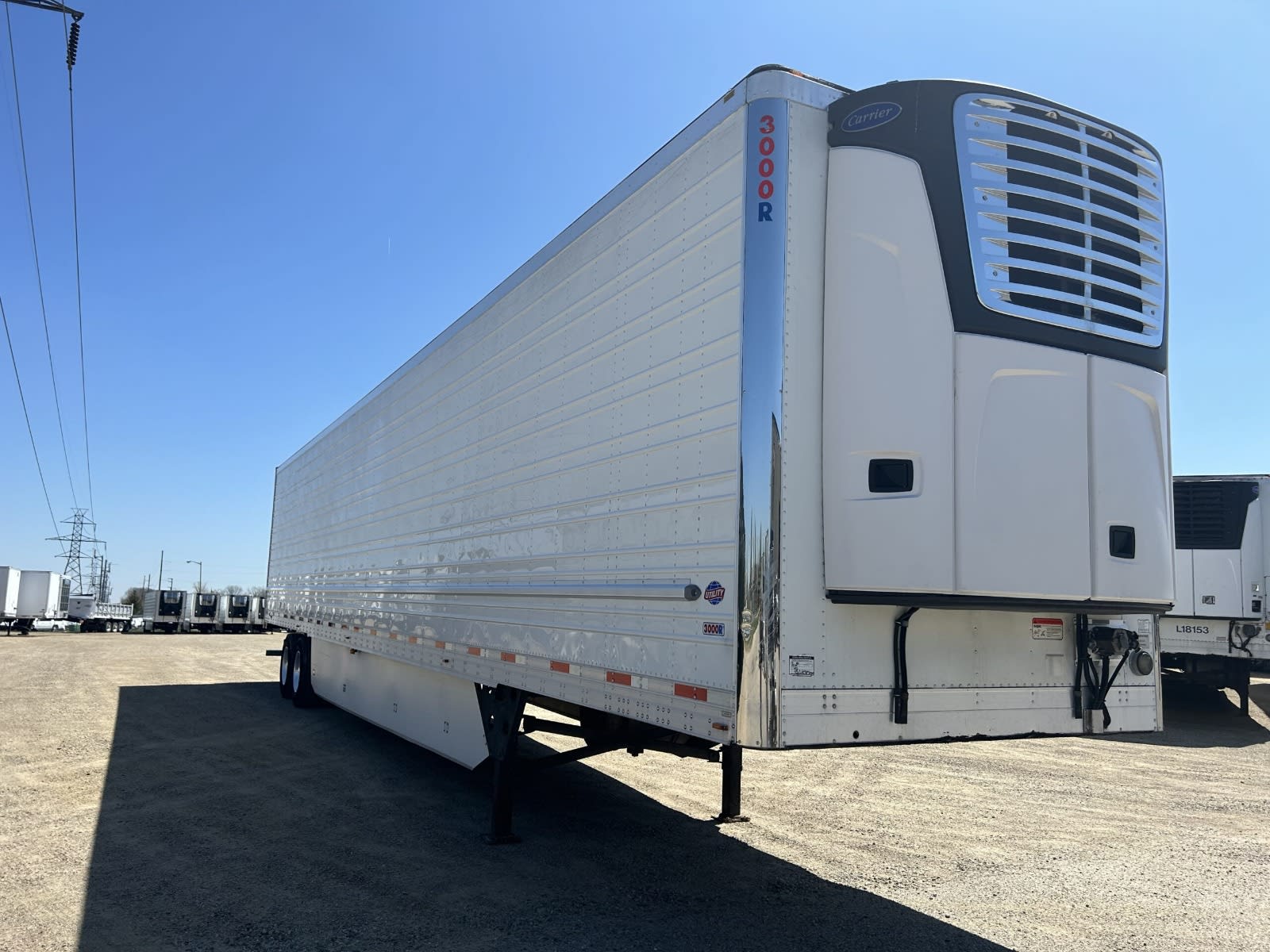
Retail, consumer goods and auto parts fill the trailers heading south.
- Retail Distribution
- Consumer Goods
- Automotive Parts

What makes the Baltimore to Atlanta lane difficult?
Richmond and Charlotte both slow you down before Atlanta's own traffic starts
Richmond and Charlotte both slow you down before Atlanta's own traffic starts.
Traffic on the I-285 loop can add a lot of time at the end of the trip
Traffic on the I-285 loop can add a lot of time at the end of the trip.
A busy freight market means many trucks chase the same loads, which keeps rates competitive
A busy freight market means many trucks chase the same loads, which keeps rates competitive.
What freight moves on the Baltimore to Atlanta lane?
What travels between the Chesapeake and Georgia, and when the busy weeks fall.
Primary Commodities
- •Retail Distribution
- •Consumer Goods
- •Automotive Parts
Secondary Commodities
- •Port containers from Baltimore's Seagirt terminal
- •Air cargo connections
- •Rail intermodal loads
Seasonal Cargo
Peak seasons for this lane:
- •Retail distribution (holiday surge, October to December)
- •Consumer goods (holiday surge)
- •Automotive parts (steady all year)
When is the Baltimore to Atlanta lane busiest?
Retail timing sets the peaks, and storm season sets the risk at both ends.
Q1 (Jan-Mar): Slow Period?
January and February bring a lull after the retail rush. Automotive parts keep some freight flowing, so the drop is not as steep as on pure retail lanes.
Q4 (Oct-Dec): Peak Period?
Retail and consumer goods climb in the last three months of the year. Atlanta's distribution buildings ship hard, and trucks that arrive early get the best loads.
Produce Season?
Harvest calendars do not drive this lane. Retail and auto freight matter more than produce.
- •Retail surge, October to December
- •Steady auto parts moves all year
- •Cooler weeks after New Year
Hurricane Risk?
Storm season runs from June to November. Baltimore is on the Atlantic coast, and the southern end of the route can also feel tropical systems, so check forecasts for both ends.
Seasonal Strategy Summary
Retail distribution and consumer goods rise in the last quarter, and automotive parts hold steady all year. At the end of the trip, plan around weekday rush hour on Atlanta's I-285 loop.
How do I negotiate the best rate on the Baltimore to Atlanta lane?
When to book, who pays extra, and which loads cost more than they earn.
When to Book
Suggested booking window:
Two to three days ahead is a good target for this steady, high-volume lane.
What Brokers Pay More
Loads that command more:
Time-critical freight tied to Atlanta's air cargo and rail networks tends to pay a premium.
When to Avoid
Loads to price carefully:
Do not take an Atlanta arrival on the I-285 loop at weekday rush hour without extra pay.
Rate Negotiation Tips for Baltimore to Atlanta
- •
Anchor your ask near $2.30 to $2.70 a mile, then compare it with the board.
- •
Price the second day into the rate. Most solo drivers need a 10-hour rest before they reach Atlanta.
- •
Ask for more when the delivery is inside I-285 at rush hour, and avoid entering on the loop on a weekday at peak time when you can.
- •
Loads tied to Atlanta's air cargo and rail networks are the ones to look for when you want a premium.
How do I find a backhaul load on the Baltimore to Atlanta lane?
With Atlanta's freight base, a strong northbound load is usually within reach.
Best Return Cities
Where to look for the northbound load:
- •Atlanta, GA
- •Atlanta distribution and rail districts
Deadhead Risk %
Deadhead risk on this lane: 25-30%
The lane data lists about one trip in four running empty on the way back. Atlanta's distribution and rail freight give you plenty of choices, so the trick is to use them before you unload.
Alternative Routes
If the first load falls through, try these:
- •Atlanta's size makes it one of the easiest places to find a northbound load, so start looking before you unload.
Backhaul Optimization Tips
- •
Before you deliver in Atlanta, check whether your reload picks up inside I-285. If it does not, Georgia law bars you from I-20, I-75, I-85 and GA 400 inside the loop.
- •
About one trip in four returns empty on this lane, so book the Baltimore-bound load early.
- •
Ask about port loads leaving Baltimore. Seagirt handled a record 1,113,309 containers in 2025.
- •
The drive is about 11 hours, so start your return search early in your rest period and leave when your 10 hours are up.
What do experienced dispatchers know about the Baltimore to Atlanta lane?
Three notes to sort out before you cross into Georgia.
Check the delivery address against the I-285 rule before you accept the load. Where the stop is decides which roads you may use.
Start the day early so your 11 hours end near Atlanta, not before it.
Ask the broker which gate and dock door you will use in Atlanta, and get the address in writing.
Before you book Baltimore to Atlanta, check the Georgia truck rule for your stop, plan your rest, and compare the board.
Baltimore to Atlanta Lane FAQs
Answers on driving time, Atlanta's truck rules and the Baltimore port.
The lane data shows about $1,472 - $1,728 per load, or $2.30 - $2.70 a mile, across 640 miles. Because Atlanta is competitive, compare the offer with the board before you accept.
Almost always. Six hundred forty miles at about 60 mph is close to 11 hours of driving, the whole daily limit. FMCSA lets a driver split the required 10 hours off duty into two periods, as long as one is at least 2 hours, the other is at least 7 consecutive hours in the sleeper berth, and together they add up to at least 10 hours.
Only if you have a stop inside the I-285 loop. Georgia law bars trucks with more than six wheels from I-20, I-75, I-85 and GA 400 inside the I-285 arc. You may go in for a pickup or delivery inside the arc, or to your own terminal, a repair shop or home inside it. The fine is $150, or $1,000 in a declared weather emergency.
No. The bridge collapsed in March 2024. State officials said in March 2026 that they aim to reopen it by the end of 2030, at an estimated $4.3 billion to $5.2 billion. Drivers use the other routes around Baltimore in the meantime.
Yes. The Seagirt Marine Terminal moved a record 1,113,309 twenty-foot containers in 2025, on 689 ship calls, the governor's office reports. Weekly container services grew from 12 routes in 2024 to 15 in 2025.
Retail distribution and consumer goods peak in the holiday months, and automotive parts run steady all year. Air cargo and rail connections around Atlanta create time-critical loads.
Richmond and Charlotte both slow you before Atlanta, and the I-285 loop can be slow at rush hour. Plan the final leg outside weekday peaks when the receiver allows it.
Other Maryland freight lanes we dispatch
- Baltimore to Boston
- Baltimore to Chicago
- Baltimore to Columbus
- Baltimore to Hagerstown
- Baltimore to Charleston
- Baltimore to Detroit
Local resources
Also serving the other end of this lane
Dry Van owner-operator, Midwest: +$1,950/week after moving to $2.65/mi on produce / auto parts freight.
Read the case studyNeed help running Baltimore, MD to Atlanta, GA consistently?
Running Baltimore to Atlanta often? Ask about a free custom growth plan.