
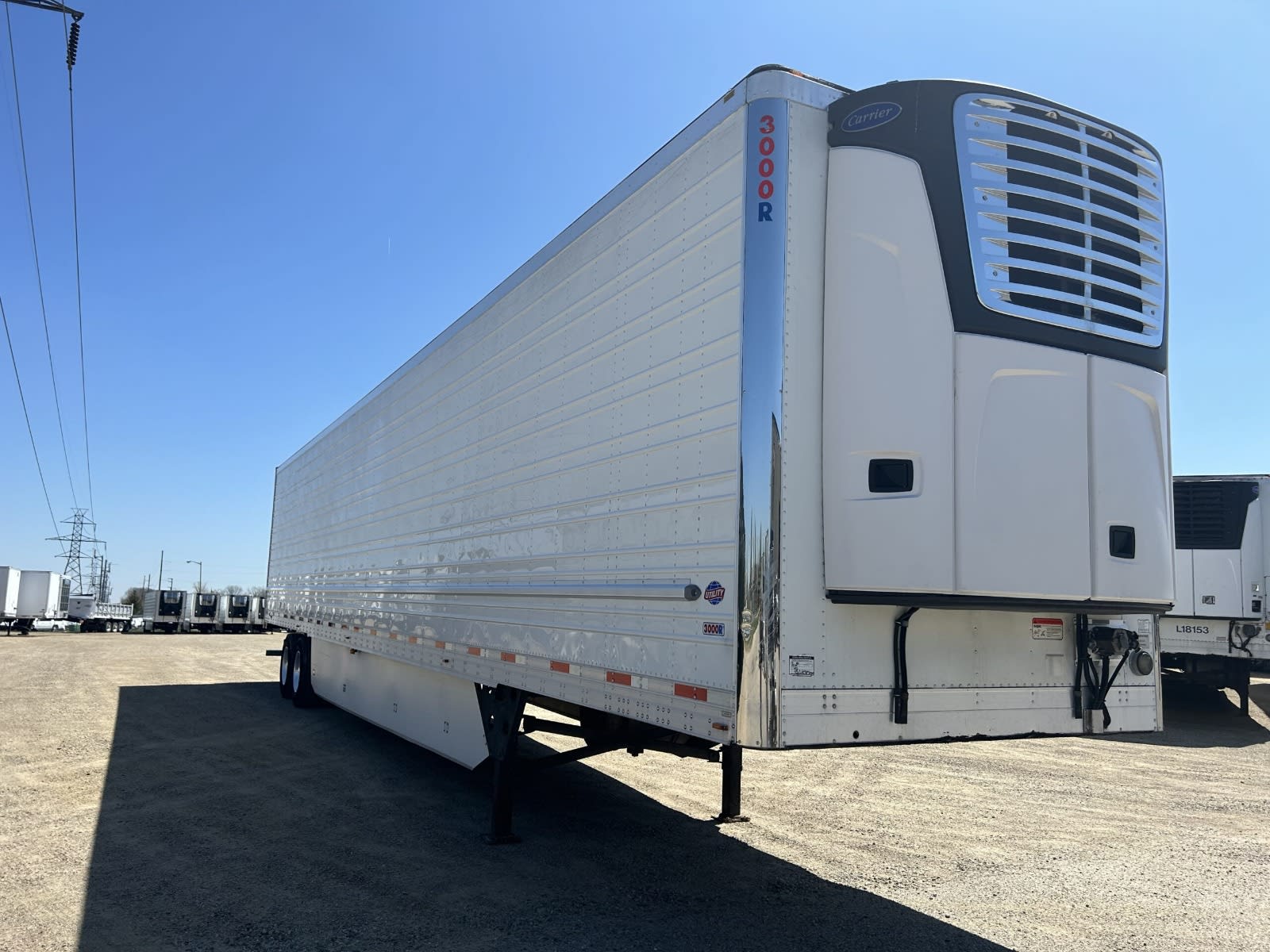
Reefer Dispatch Services for Owner-Operators
Cooled for Performance, Expert Reefer Dispatch Services Nationwide
Any type of trailer
Reefer Dispatch
Take the lead in the temperature-controlled freight market with reefer dispatch. We connect you with high-value perishable goods, pharma, and climate-sensitive products. Our reefer experts deliver an average $2.55 per mile, which is 18% higher than standard dry van rates. We put you in position for premium produce hauls and cold chain logistics. You also get steady year-round freight that keeps your refrigeration unit earning.
Compliance with all cold-chain transport standards
24/7 tracking and support from experienced dispatchers
Routes planned for fuel efficiency and on-time deliveries
Load management built for temperature-sensitive cargo
Reefer Dispatch Specifications & Requirements
Reefer trailer specifications:
- Standard Length:53 feet (most common), 48 feet also available
- Width:8 feet 6 inches (102 inches)
- Interior Height:8 feet to 8 feet 6 inches (reduced vs. dry van due to insulation)
- Temperature Range:-20°F to +70°F (depending on unit capabilities)
- Insulation:3-4 inches FRP (fiberglass reinforced polyester) walls, floor, ceiling
- Refrigeration Unit:Carrier and Thermo King are the most common (diesel or electric powered)
- Weight Capacity:42,000-44,000 lbs typical payload (less than dry van because of insulation and unit weight)
- Fuel Consumption:Extra 0.5-1.5 gallons per hour for the refrigeration unit
Reefer Dispatch Market Rate Ranges
Typical reefer market rate ranges by load type:
| Route Type | Rate Per Mile | Average Load Value |
|---|---|---|
| Produce (Fresh) | $2.40 - $3.20 | $1,600 - $3,400 |
| Frozen Foods | $2.30 - $2.90 | $1,400 - $2,800 |
| Dairy Products | $2.20 - $2.80 | $1,300 - $2,600 |
| Meat/Poultry | $2.50 - $3.30 | $1,700 - $3,500 |
| Pharmaceuticals | $2.80 - $4.20 | $2,200 - $4,800 |
| Flowers (Valentine's/Mother's Day) | $3.20 - $5.00 | $2,800 - $5,500 |
Ranges last reviewed February 2026. Rates move with season, fuel and demand, so check the current rate on your lane before you negotiate, for example with the rate benchmarker.
High-Demand Reefer Dispatch Lanes
High-demand reefer lanes and seasonal markets:
California Produce (Year-Round)
The largest source of reefer freight in North America. Major Origins: Salinas Valley, Imperial Valley, San Joaquin Valley, Oxnard. Primary Destinations: Texas, Midwest, Southeast, Northeast. Peak Season: May-October (summer produce)
Rate: $2.60-$3.40/mile
Distance: 1,700 miles (Salinas, CA to Dallas, TX)
Florida Produce (Winter)
Major Origins: Plant City, Homestead, Belle Glade, Immokalee. Primary Destinations: Northeast, Midwest. Peak Season: November-May (winter citrus and vegetables)
Rate: $2.50-$3.30/mile
Distance: 1,050 miles (Plant City, FL to Philadelphia, PA)
Pacific Northwest (Summer/Fall)
Major Origins: Yakima Valley (WA), Willamette Valley (OR). Primary Destinations: California, Southwest, Midwest, Southeast. Peak Season: June-October (cherries, apples, pears)
Rate: $2.70-$3.50/mile
Distance: Varies by route
KEY FEATURES
Temperature-sensitive freight needs extra care. Grow Trucking's dispatchers understand reefer logistics, from pre-cooling needs to strictly timed appointments. So your refrigerated units always carry premium cargo.
Produce Season Expertise
20+ years of tracking seasonal harvest calendars, so we position trucks ahead of demand surges
Cold Chain Compliance
FSMA, HACCP, and ATP certification guidance and document support
Temperature Monitoring
TempTale and Sensitech integration for real-time alerts and shipper trust
Backhaul Strategy
Cut empty miles with frozen backhauls from Eastern markets to produce regions
Reefer Dispatch Process
Equipment Verification
Confirm the reefer unit brand/model and temperature range. Check CARB compliance (California), the last inspection date, and ATP certification (if it applies).
Seasonal Positioning
Match your location and timing with harvest seasons: California (spring/summer/fall), Florida (winter), Northwest (summer/fall), Texas (fall/winter).
Load Sourcing
Watch produce-specific load boards and direct shipper relationships. Also watch cold storage sites, food distribution centers, and pharma logistics providers.
Pre-Cooling Coordination
Make sure the trailer is pre-cooled to the required temperature before loading. Coordinate loading appointments (produce shippers often load 2am-6am).
Temperature Documentation
Record the starting temperature and the set point temperature. Keep monitoring the whole trip. This is required for FSMA compliance and damage prevention.
In-Transit Monitoring
Watch reefer unit performance and fix temperature alarms right away. Set delivery appointments (many receivers need AM delivery).
Reefer Dispatch vs. Other Trailer Types
Reefer vs. Dry Van Operations comparison:
| Feature | Reefer | Dry Van |
|---|---|---|
| Average Rate/Mile | $2.40 - $3.20 | $1.85 - $2.35 |
| Operating Cost/Mile | $1.75-$2.15 | $1.45-$1.85 |
| Fuel Cost | +$0.45/mile (reefer unit) | Baseline |
| Maintenance Cost | $0.18-$0.22/mile | $0.12-$0.15/mile |
| Seasonal Rate Fluctuation | High (30-50%) | Low (10-15%) |
| Load Availability | High (year-round) | Very high |
| Loading Time | 2-4 hours typical | 1-2 hours typical |
| FSMA Compliance Required | Yes (produce) | No |
| Weekly Revenue Potential | $3,600-$5,800 | $2,700-$4,800 |
Equipment Requirements & Recommendations
Key reefer equipment and requirements:
Essential Equipment
Well-Maintained Reefer Unit
Recent service records, no refrigerant leaks, and a working alarm system
CARB Compliance
California requires 2008 or newer reefer units (or retrofit)
ATP Certification
Needed for pharma and international freight (temperature validation)
Temperature Recorder
TempTale, Sensitech, or a similar device that monitors nonstop
Load Locks & Straps
Prevent cargo shifting during transport
Insulated Bulkhead
Separates cargo from the cab and improves temperature control
E-Track
Allows flexible load securing for mixed pallets
Premium Add-Ons (Higher Rates)
Multi-Temperature Zones
Allows different temp zones in single trailer
+$0.30-$0.50/mile
ATP Certification
Validated temperature control for pharma
+$0.40-$0.80/mile
Newer Unit (2020+)
Shippers prefer newer units for reliability
+$0.15-$0.25/mile
Liftgate
Required for some deliveries without loading docks
+$50-$100 per delivery
FSMA Training Certification
Shows food safety knowledge
Common Reefer Dispatch Challenges We Solve
Challenge: Seasonal Rate Volatility
Solution: Smart positioning follows harvest seasons: California summer, Florida winter, Northwest fall. Mix in frozen/dairy freight for year-round stability. Average rate swings cut by 35%.
Challenge: Refrigeration Unit Failures
Solution: A pre-trip reefer unit inspection checklist, in-transit monitoring, and backup refrigeration options lined up. Cargo claims from unit failure cut by 88%.
Challenge: High Deadhead Miles
Solution: Frozen food backhauls from Northeast/Midwest to California reduce deadhead to 15% vs. 35% industry average. Strategic backhaul matching adds $800-$1,400/week.
Challenge: Excessive Detention at Produce Shippers
Solution: Pre-screened shipper network for loading speed, clear detention terms, and firm pursuit of detention pay. Average detention recovery $240/week.
Regional Reefer Dispatch Hotspots
These areas offer exceptional reefer opportunities:
Salinas, CA
Produce capital
$4,200-$6,400/week gross (May-Oct peak)
Plant City, FL
Strawberry capital
$3,800-$5,600/week (Dec-Apr peak)
Yakima, WA
Apple/cherry capital
$4,000-$6,200/week (Jun-Oct peak)
McAllen, TX
Winter produce
$3,600-$5,200/week (Nov-Mar peak)
Chicago, IL
Food distribution hub
$3,400-$4,900/week (year-round)
Reefer Dispatch Pricing
Transparent, performance-based pricing with no hidden fees:
Standard Dispatch:
3–5% of linehaul revenue per load. Owner-operator rate; fleet pricing is custom and comes down as the fleet grows.
Setup Fee:
$0
What's Included:
Load sourcing
Seasonal positioning
Rate negotiation
FSMA compliance support
Temperature monitoring guidance
Detention advocacy
24/7 support
Quick-pay options
Success Stories
"I was chasing produce loads at random, never in the right place at the right time. This dispatch service taught me seasonal positioning, and now I follow the harvest calendar. Revenue is up 43%, and I'm no longer running empty 600 miles to the next load."
James Patterson
2020 Kenworth T680 + reefer
Salinas CA
"The FSMA compliance support alone saved me from a $15,000 fine. They know the cold chain regulations inside and out. Plus they fight for detention pay like nobody's business. Best decision I made for my reefer operation."
Angela Rodriguez
2019 Freightliner Cascadia + reefer
Plant City FL
Why Choose Us
Premium Rates
Get higher-paying reefer loads through our specialized broker network.
Expert Coordination
Dispatchers who understand pre-cooling, appointment windows, and temperature needs.
Reduced Risk
Lower your cargo damage risk with proper temperature control and compliance steps.
Consistent Loads
A steady stream of reefer freight keeps your refrigerated units busy and profitable.
Reefer rules and costs, answered
Frequently Asked Questions - Reefer Dispatch
Does the FDA food transport rule apply to reefer carriers?
Who sets the temperature and the pre-cool for a reefer load?
What proof of temperature does a carrier have to give?
What should I do if the reefer unit fails or the temperature drifts?
Do reefer carriers have to train their drivers?
Does reefer freight need a special CDL or more insurance?
How much does reefer dispatch cost?
Facts checked October 15, 2026. Sources: 21 CFR 1.908; 21 CFR 1.910; 21 CFR 1.912; 49 CFR 383.5; 49 CFR 387.9; FMCSA: Do I need a USDOT number?; FMCSA: Get operating authority.
Free tools for Reefer carriers
Price a load, check weights and compare rates with free calculators built for this equipment.
- Reefer Set-Point GuideLook up the right temperature for the load before you set the unit.
- Load Board Rate BenchmarkerReefer pays a premium over dry van — see how much on your lane.
- Fuel Cost CalculatorReefer units burn extra fuel; include it when you price a trip.
- Cargo Insurance Coverage CheckerReefer freight often has stricter cargo coverage rules.
Trucking terms for Reefer carriers
Short, plain answers to words you will meet when you book and haul this freight.
Want to drive a reefer?
We take driver applications, with a CDL or without one. It takes about two minutes and needs no documents.
Keep It Cool with Expert Reefer Dispatch Management
At Dispatch Street, we specialize in reefer truck dispatching for temperature-sensitive freight. Whether it's produce, frozen goods, or pharmaceuticals, we match carriers with premium loads.