
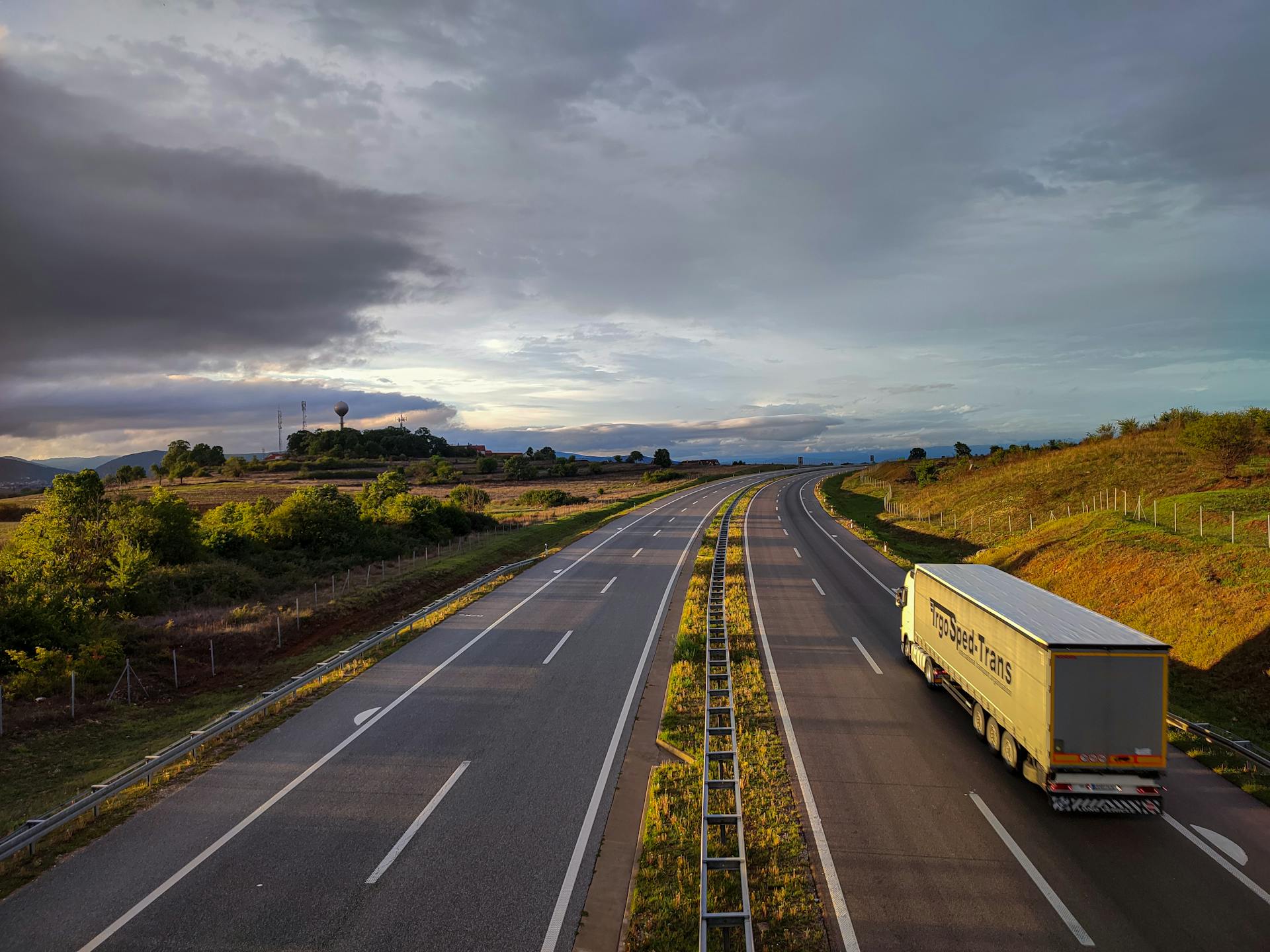
Seattle to Yakima Truck Dispatch
Freight route connecting Seattle, WA to Yakima, WA (145 miles). Connects Seattle's port complex to the Yakima Valley's massive apple/cherry/hops reefer freight base.
What do truck dispatch rates run from Seattle to Yakima?
Seattle to Yakima is a 145-mile lane paying about $399 - $464 per load, near $2.75 - $3.20 a mile. Freight is mostly produce/perishables, hops and wine grapes.
- Distance
- 145 miles
- Avg. rate / load
- $399 - $464
- Rate per mile
- $2.75 - $3.20
- Transit time
- Same day / 2-3 hrs
- Deadhead risk
- 10-15%
Lane rates reviewed September 2026. These numbers follow 2026 spot-market pricing and shift hard with the harvest calendar; DAT has flagged tight reefer capacity on Yakima's outbound lanes recently. See our dispatch fee structure.
Seattle to Yakima
Seattle to Yakima is a 145-mile, 2-to-3-hour run east on I-90 to I-82 across the Cascades, into what growers call the agricultural-freight capital of the Pacific Northwest. The Yakima Valley produces more than 60% of US fresh apples, roughly 75% of US hop acreage (about one-quarter of global hop production), the bulk of the region's cherry crop, and grapes from the country's first federally recognized Pacific Northwest wine AVA. DAT's 2026 reefer produce report flagged Yakima Valley reaching a slight shortage on all 10 outbound apple and pear lanes for the first time on record.
Origin
Seattle, WA
Destination
Yakima, WA
Distance
145 miles
Transit Time
Same day / 2-3 hrs
Average Rate
$399 - $464
Rate per Mile
$2.75 - $3.20
145-mile lane, typically a 2-3 hour run on I-90 to I-82
The Yakima Valley grows more than 60% of US fresh apples and about 75% of US hop acreage
DAT flagged Yakima Valley reefer capacity as tight on all 10 outbound apple/pear lanes for the first time in 2026
Seattle to Yakima: route facts a driver should know
The Yakima Valley grows about 70-75% of all US hops
The Yakima Valley produces roughly 70-75% of the commercial hop crop in the United States, with most of the remaining US hops grown in Oregon and Idaho. Only about 2% of US hops come from outside the Pacific Northwest.
Source: High Country News, Yakima hops harvest coverage. Checked 30 Sep 2026.
Washington's freight system moves over 500 million tons of goods a year
Washington's freight system moves more than 500 million tons of goods annually, valued at over $600 billion, with Seattle serving as the primary distribution hub for the Pacific Northwest.
Source: Washington Trucking Associations, freight corridors overview. Checked 30 Sep 2026.
Diesel for this lane
How much is the diesel for Seattle to Yakima?
About $164.94 this week. The lane is 145 miles. A truck that gets 6.5 miles per gallon uses about 22 gallons, and diesel is averaging $7.39 a gallon on this lane (week of October 19, 2026). The U.S. average diesel price is up 10 cents this week.
An estimate. It uses EIA's weekly average for this region, not the price at each pump. Your mpg and fuel card discounts change it.
- Distance
- 145 mi
- Diesel needed
- 22 gal
- Price used
- $7.39/gal
- Fuel cost
- $164.94
Common Freight Types
Produce and perishables, hops and wine grapes fill the trailers on this short agricultural run.
- Produce/Perishables
- Hops
- Wine Grapes
What makes the Seattle to Yakima lane difficult?
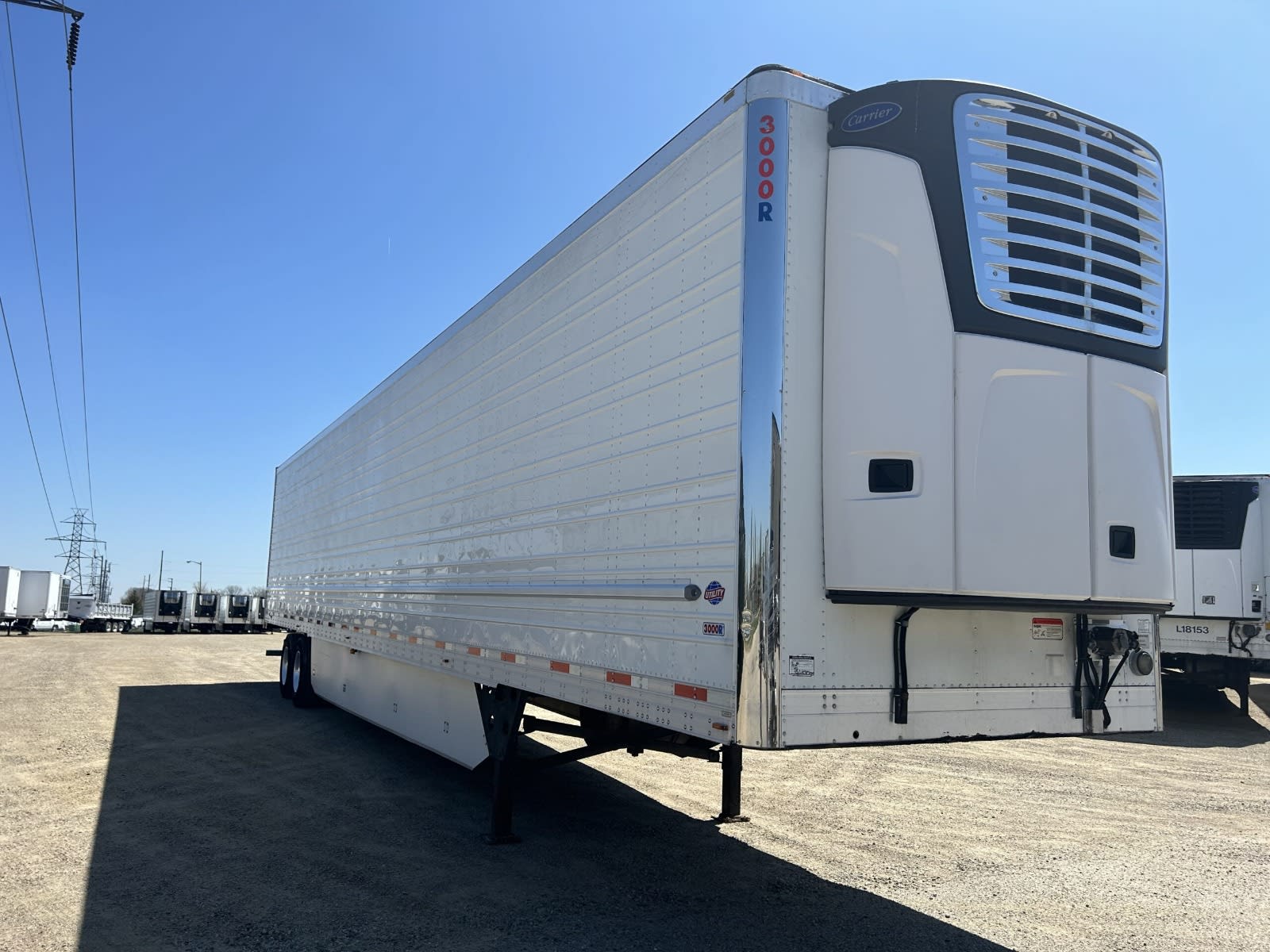
Reefer capacity has been unusually tight in recent seasons, according to DAT's own reporting
Reefer capacity has been unusually tight in recent seasons, according to DAT's own reporting.
I-90 over Snoqualmie Pass can see winter snow
Understanding and preparing for this challenge helps optimize your operations and maximize profitability on this lane.
Multiple harvests overlap (cherries, hops, apples) creating sharp seasonal peaks
Multiple harvests overlap (cherries, hops, apples) creating sharp seasonal peaks.
What freight moves on the Seattle to Yakima lane?
What the Yakima Valley ships, and how much of the US supply it accounts for.
Primary Commodities
- •Produce/Perishables
- •Hops
- •Wine Grapes
Secondary Commodities
- •Apples and pears
- •Hops
- •Wine grapes
Seasonal Cargo
Peak seasons for this lane:
- •Produce/perishables (apple and cherry harvest peaks)
- •Hops (late summer harvest)
- •Wine grapes (fall harvest)
When is the Seattle to Yakima lane busiest?
The harvest calendar drives this lane more than anything else.
Q1 (Jan-Mar): Slow Period?
A quieter stretch after the fall harvest and shipping season winds down.
Q4 (Oct-Dec): Peak Period?
Apple and pear shipments run heavy into the fall as the harvest moves to storage and distribution.
Produce Season?
The defining factor: cherries in summer, hops in late summer, and apples and pears through fall drive nearly all freight on this lane.
- •Cherry season (June-August)
- •Apple and pear harvest (fall)
- •Hop harvest (late summer)
Hurricane Risk?
None. Winter weather over Snoqualmie Pass is the real seasonal risk.
Seasonal Strategy Summary
This lane runs fairly steady year-round, with a major bump in hop-harvest freight from late August through September.
How do I negotiate the best rate on the Seattle to Yakima lane?
When to book, what pays a premium, and what needs a reefer plan.
When to Book
Suggested booking window:
Book well ahead during peak harvest, especially given recently reported tight reefer capacity on Yakima's outbound lanes.
What Brokers Pay More
Loads that command more:
Time-critical reefer freight during cherry or apple peak season pays a real premium.
When to Avoid
Loads to price carefully:
Be careful committing to a tight window without confirming reefer availability first, given documented capacity shortages.
Rate Negotiation Tips for Seattle to Yakima
- •
At 140 miles, this is a comfortable one-day run.
- •
Hop and produce freight is worth asking about given Yakima Valley's dominant share of US hop production.
- •
This lane pairs well with a same-day or next-day round trip.
How do I find a backhaul load on the Seattle to Yakima lane?
Yakima's agricultural volume keeps freight moving in both directions during harvest season.
Best Return Cities
Where to look for the return load:
- •Yakima, WA
- •Regional distribution hubs near Yakima
Deadhead Risk %
Deadhead risk on this lane: 10-15%
Backhaul availability tracks the harvest calendar closely.
Alternative Routes
If the first load falls through, try these:
- •Westbound produce, hop, and wine freight from the Yakima Valley is a reliable backhaul source. It moves back into Seattle-area distribution and export consolidation, especially during and after harvest season.
Backhaul Optimization Tips
- •
Yakima Valley's hop and apple-growing base gives you real backhaul options for reefer and ag freight.
- •
Seattle's massive freight volume keeps westbound loads flowing too.
- •
This lane is short enough for a same-day or next-day backhaul.
What do experienced dispatchers know about the Seattle to Yakima lane?
Three notes before you haul into the Yakima Valley.
Confirm reefer temperature requirements before you load; different crops need different settings.
Check Snoqualmie Pass conditions before a winter run.
Book ahead during overlapping harvest peaks, when capacity has been running tight.
Confirm cold-storage space is available at the destination during overlapping harvest peaks, not just truck capacity.
If you haul reefer or ag freight, Yakima Valley's hop-harvest season (late August through September) is worth building a seasonal relationship around.
Seattle to Yakima Lane FAQs
Answers on driving time, harvest season, and reefer capacity.
The lane data shows about $399 - $464 per load, or $2.75 - $3.20 a mile, across 145 miles, with real seasonal swings tied to harvest.
The Yakima Valley produces more than 60% of US fresh apples and roughly 75% of US hop acreage, about one-quarter of global hop production.
Recently, yes. DAT's 2026 reefer produce report flagged Yakima Valley reaching a slight shortage on all 10 outbound apple and pear lanes for the first time on record.
Cherries in summer, hops in late summer, and apples and pears through fall.
Other Washington freight lanes we dispatch
- Seattle to Vancouver
- Seattle to Salt Lake City
- Seattle to Everett
- Seattle to Bellevue
- Seattle to Reno
- Seattle to Minneapolis
Local resources
Reefer owner-operator, Northeast: +$2,100/week after moving to $2.75/mi on produce / pharmaceutical / seafood freight.
Read the case studyNeed help running Seattle, WA to Yakima, WA consistently?
Running Seattle to Yakima often? Ask about a free custom growth plan.