
Seattle to Minneapolis Truck Dispatch
Freight route connecting Seattle, WA to Minneapolis, MN (1660 miles). Minneapolis's Fortune 500 and food-processing base rounds out Seattle's eastbound reach via I-90.
What do truck dispatch rates run from Seattle to Minneapolis?
Seattle to Minneapolis is a 1,660-mile lane paying about $3,237 - $3,901 per load, near $1.95 - $2.35 a mile. Freight is mostly food products, medical devices and consumer goods.
- Distance
- 1660 miles
- Avg. rate / load
- $3,237 - $3,901
- Rate per mile
- $1.95 - $2.35
- Transit time
- 3 days
- Deadhead risk
- 35-40%
Lane rates reviewed September 2026. These numbers follow 2026 spot-market pricing and shift with fuel prices over this long haul. See our dispatch fee structure.
Seattle to Minneapolis
Seattle to Minneapolis is a 1,660-mile, 3-day run east, one of the longest lanes on this list. Minneapolis anchors the North Star logistics hub of the Upper Midwest, close to the headquarters of General Mills and Land O'Lakes, with more than 900,000 square feet of food-grade warehouse space at just one facility (Triangle Warehouse) and rail connections to BNSF and CP. A haul this long needs at least one full 34-hour restart.
Origin
Seattle, WA
Destination
Minneapolis, MN
Distance
1660 miles
Transit Time
3 days
Average Rate
$3,237 - $3,901
Rate per Mile
$1.95 - $2.35
1,660-mile lane, typically a 3-day run
Minneapolis is home to General Mills and Land O'Lakes, anchoring a major food and CPG freight base
MSP airport handled 207,896 metric tons of cargo in 2025
Seattle to Minneapolis: route facts a driver should know
Minneapolis-St. Paul is served by all four major grain-hauling railroads
Minneapolis-St. Paul is served by BNSF, Union Pacific, CPKC, and Canadian National, with CPKC alone moving major volumes of grain, potash, and automotive freight across this network.
Source: Mid-America Freight Coalition, rail intermodal facilities. Checked 30 Sep 2026.
Washington's freight system moves over 500 million tons of goods a year
Washington's freight system moves more than 500 million tons of goods annually, valued at over $600 billion, with Seattle serving as the primary distribution hub for the Pacific Northwest.
Source: Washington Trucking Associations, freight corridors overview. Checked 30 Sep 2026.
Diesel for this lane
How much is the diesel for Seattle to Minneapolis?
About $1755.26 this week. The lane is 1,660 miles. A truck that gets 6.5 miles per gallon uses about 255 gallons, and diesel is averaging $6.87 a gallon on this lane (week of October 19, 2026). The U.S. average diesel price is up 10 cents this week.
An estimate. It uses EIA's weekly average for the two regions this lane connects, not the price at each pump. Your mpg and fuel card discounts change it.
- Distance
- 1,660 mi
- Diesel needed
- 255 gal
- Price used
- $6.87/gal
- Fuel cost
- $1755.26
Common Freight Types
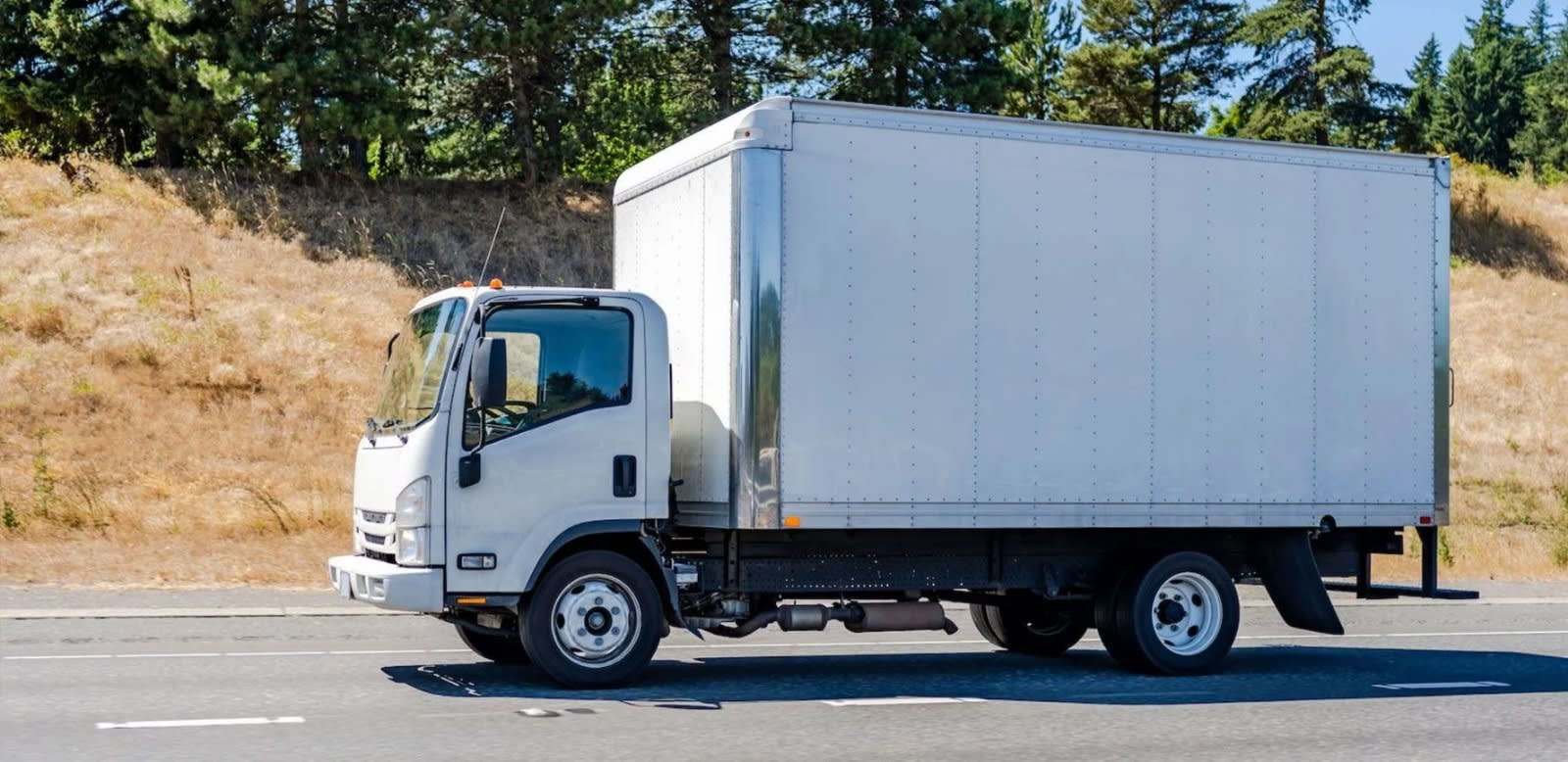
Food products, medical devices and consumer goods fill the trailers heading east.
- Food Products
- Medical Devices
- Consumer Goods
What makes the Seattle to Minneapolis lane difficult?
The length requires a full multi-day HOS plan, typically including a 34-hour restart
The length requires a full multi-day HOS plan, typically including a 34-hour restart.
Weather along a route this long varies widely, from Pacific Northwest rain to Midwest winter
Weather along a route this long varies widely, from Pacific Northwest rain to Midwest winter.
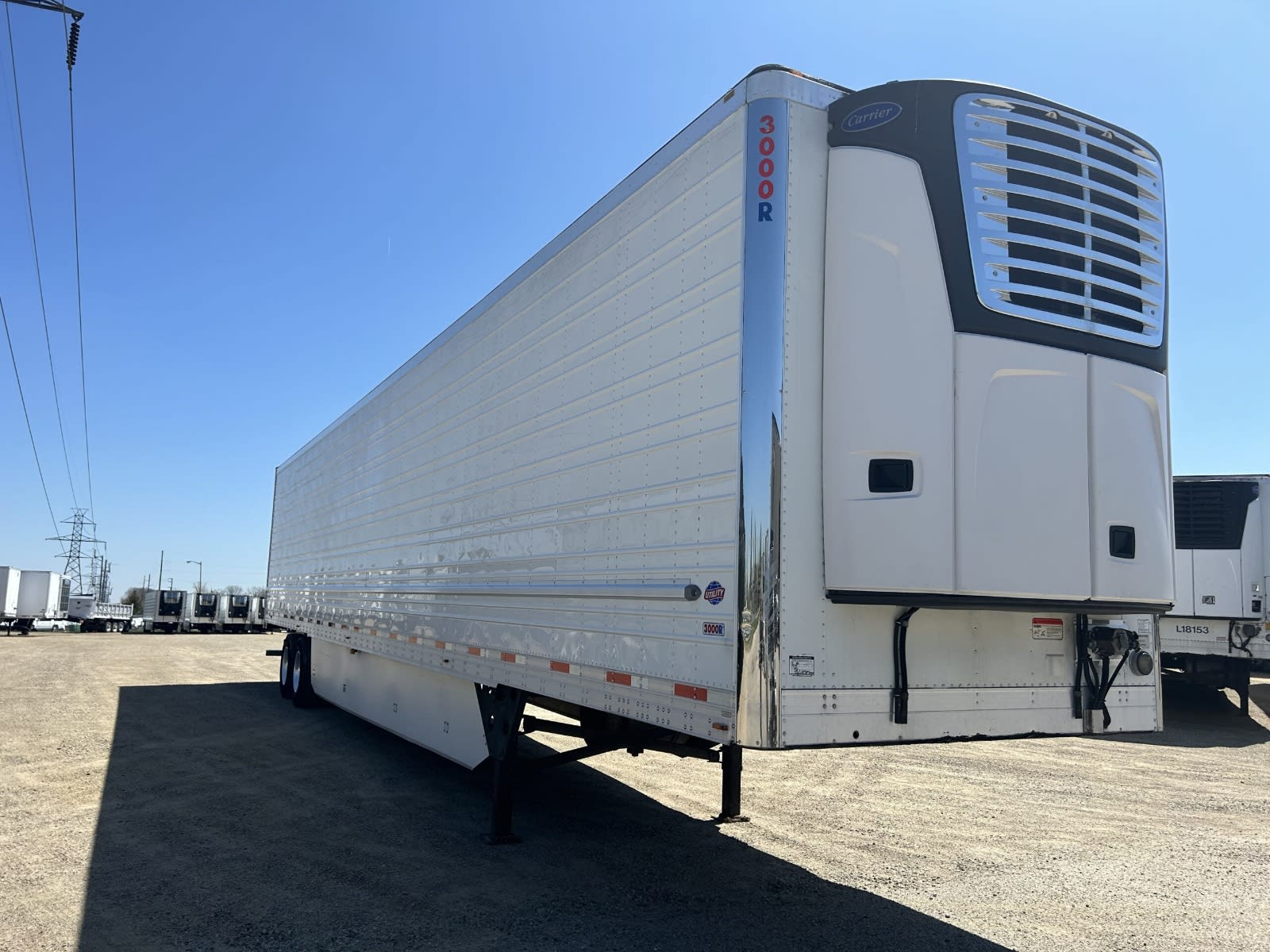
Food-grade freight often requires specific reefer or dry-storage handling
Food-grade freight often requires specific reefer or dry-storage handling.
What freight moves on the Seattle to Minneapolis lane?
What travels between Seattle and Minneapolis, and when the busy weeks fall.
Primary Commodities
- •Food Products
- •Medical Devices
- •Consumer Goods
Secondary Commodities
- •Food and CPG freight (General Mills, Land O'Lakes)
- •Medical devices
- •BNSF and CP rail-connected freight
Seasonal Cargo
Peak seasons for this lane:
- •Food products (steady)
- •Medical devices (steady)
- •Consumer goods (holiday surge)
When is the Seattle to Minneapolis lane busiest?
Retail timing sets the main peak, with steady food and medical-device freight in the background.
Q1 (Jan-Mar): Slow Period?
A modest dip after the holidays, cushioned by steady food and medical-device freight.
Q4 (Oct-Dec): Peak Period?
Consumer goods and food-processing freight both climb into the holidays.
Produce Season?
A modest factor tied to Midwest harvest freight moving through the corridor.
- •Q4 holiday retail season
- •Steady food and CPG freight year-round
- •Medical device freight tied to regional manufacturing
Seasonal Strategy Summary
This lane runs fairly steady year-round, with a bump in agricultural freight during Minnesota's fall harvest season.
How do I negotiate the best rate on the Seattle to Minneapolis lane?
When to book, who pays extra, and which loads need special handling.
When to Book
Suggested booking window:
4-6 days out is typical for a haul this long.
What Brokers Pay More
Loads that command more:
Time-critical medical device freight and food-grade freight with strict handling needs tend to pay a premium.
When to Avoid
Loads to price carefully:
Be careful committing to a fast delivery during a Midwest winter storm without a weather contingency.
Rate Negotiation Tips for Seattle to Minneapolis
- •
This is a long haul at 1,660 miles, so plan for multiple days and rest stops.
- •
Rail-linked grain and agricultural freight is worth asking about given Minneapolis's four-railroad network.
- •
Port-linked freight out of Seattle is another option here.
How do I find a backhaul load on the Seattle to Minneapolis lane?
Minneapolis's massive food-grade warehouse base makes a westbound load realistic.
Best Return Cities
Where to look for the westbound load:
- •Minneapolis, MN
- •Regional distribution hubs near Minneapolis
Deadhead Risk %
Deadhead risk on this lane: 35-40%
With General Mills, Land O'Lakes and major medical device manufacturers all in the region, there is real backhaul variety.
Alternative Routes
If the first load falls through, try these:
- •Minneapolis's varied freight base gives you fair westbound backhaul freight. But expect real deadhead risk, since freight density is lower across the northern Great Plains stretch of this route.
Backhaul Optimization Tips
- •
Minneapolis's grain and rail freight network gives you real backhaul options.
- •
Seattle's massive freight volume keeps westbound loads flowing too.
- •
Give yourself real recovery time after this long run before your next dispatch.
What do experienced dispatchers know about the Seattle to Minneapolis lane?
Three notes before this Upper Midwest run.
Plan your 34-hour restart and daily legs before you leave Seattle on a run this long.
Watch weather forecasts across the whole route; conditions can shift widely in winter.
Confirm handling requirements before hauling food-grade or medical device freight.
Watch Northern Plains winter storm forecasts closely; this route can see full interstate closures, not just delays.
This is one of the longest lanes we track. Minneapolis's four-railroad grain network makes it worth checking for agricultural freight, especially during fall harvest.
Seattle to Minneapolis Lane FAQs
Answers on drive time, Minneapolis's food industry, and winter weather.
The lane data shows about $3,237 - $3,901 per load, or $1.95 - $2.35 a mile, across 1,660 miles.
It is home to General Mills and Land O'Lakes, anchoring the North Star logistics hub, with facilities like Triangle Warehouse running over 900,000 square feet of food-grade storage.
Typically 3 days, requiring a full HOS plan including a 34-hour restart.
Reasonably, given the scale of the region's food, CPG and medical device freight base.
Other Washington freight lanes we dispatch
- Seattle to San Francisco
- Seattle to Reno
- Seattle to Portland
- Seattle to Spokane
- Seattle to Sacramento
- Seattle to Los Angeles
Local resources
Also serving the other end of this lane
Dry Van owner-operator, West Coast: +$2,010/week after moving to $2.62/mi on general freight / consumer goods freight.
Read the case studyNeed help running Seattle, WA to Minneapolis, MN consistently?
Running Seattle to Minneapolis often? Ask about a free custom growth plan.