

New Orleans to Baton Rouge Truck Dispatch
Freight route connecting New Orleans, LA to Baton Rouge, LA (80 miles). A short, high-frequency corridor connecting New Orleans's port to Louisiana's petrochemical corridor.
What do truck dispatch rates run from New Orleans to Baton Rouge?
New Orleans to Baton Rouge is an 80-mile lane paying about $224 - $256 per load, near $2.80 - $3.20 a mile. Freight is mostly petrochemical-connected freight, consumer goods and agricultural/forestry freight.
- Distance
- 80 miles
- Avg. rate / load
- $224 - $256
- Rate per mile
- $2.80 - $3.20
- Transit time
- Same day / 1.5 hrs
- Deadhead risk
- 10-15%
Lane rates reviewed September 2026. These numbers follow 2026 spot-market pricing for a short, high-rate-per-mile lane. See our dispatch fee structure.
New Orleans to Baton Rouge
New Orleans to Baton Rouge is an 80-mile, roughly 1.5-hour run northwest on I-10, connecting Louisiana's port gateway to a massive petrochemical corridor along the Mississippi River. The Port of Greater Baton Rouge ranks among the top 10 US ports by tonnage, with 65% of cargo volume moving as intra-company transfers between river, rail and pipeline serving refineries and chemical plants operated by companies like ExxonMobil.
Origin
New Orleans, LA
Destination
Baton Rouge, LA
Distance
80 miles
Transit Time
Same day / 1.5 hrs
Average Rate
$224 - $256
Rate per Mile
$2.80 - $3.20
80-mile lane, about 1.5 hours on I-10
The Port of Greater Baton Rouge ranks among the top 10 US ports by tonnage
65% of Baton Rouge port cargo moves as intra-company transfers between river, rail and pipeline
New Orleans to Baton Rouge: route facts a driver should know
ExxonMobil's Baton Rouge complex is one of the largest in the world
ExxonMobil's Baton Rouge complex spans roughly 2,100 acres and includes nine separate plants employing about 6,000 workers. It processes over 500,000 barrels of crude oil a day, making it the sixth-largest refinery in the US.
Source: ExxonMobil, Baton Rouge operations. Checked 30 Sep 2026.
The Port of Greater Baton Rouge ranks 8th in the nation by tonnage
The Port of Greater Baton Rouge ranks 8th in the country by annual total tonnage, handling a mix of asphalt, grain, steel, plastics, liquid bulk chemicals, coal, and sugar. It connects to 31 US states and 2 Canadian provinces via the Mississippi River and is served by three Class I railroads.
Source: Port of Greater Baton Rouge, fast facts. Checked 30 Sep 2026.
Diesel for this lane
How much is the diesel for New Orleans to Baton Rouge?
About $72.65 this week. The lane is 80 miles. A truck that gets 6.5 miles per gallon uses about 12 gallons, and diesel is averaging $5.90 a gallon on this lane (week of October 19, 2026). The U.S. average diesel price is up 10 cents this week.
An estimate. It uses EIA's weekly average for this region, not the price at each pump. Your mpg and fuel card discounts change it.
- Distance
- 80 mi
- Diesel needed
- 12 gal
- Price used
- $5.90/gal
- Fuel cost
- $72.65
Common Freight Types
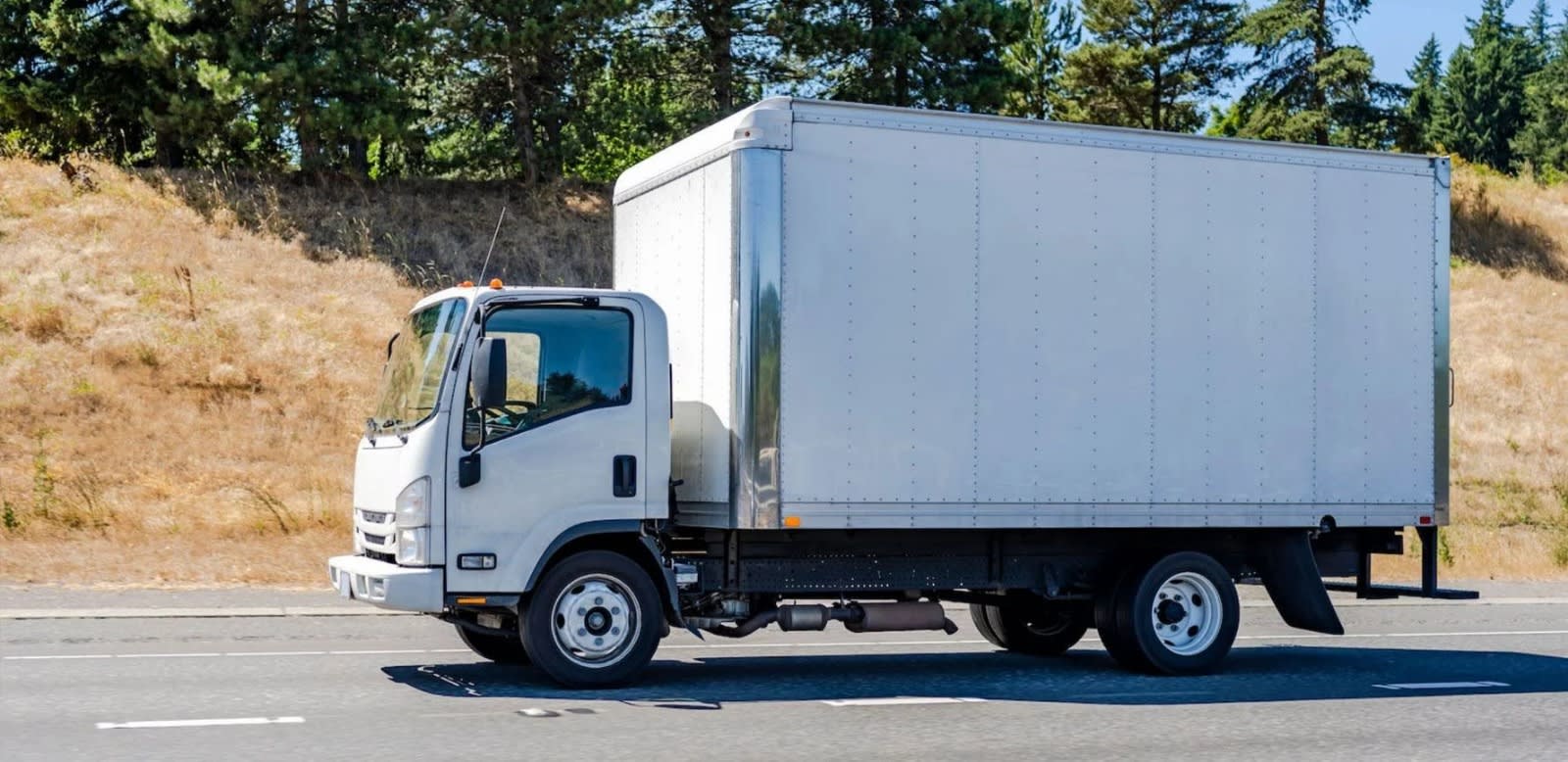
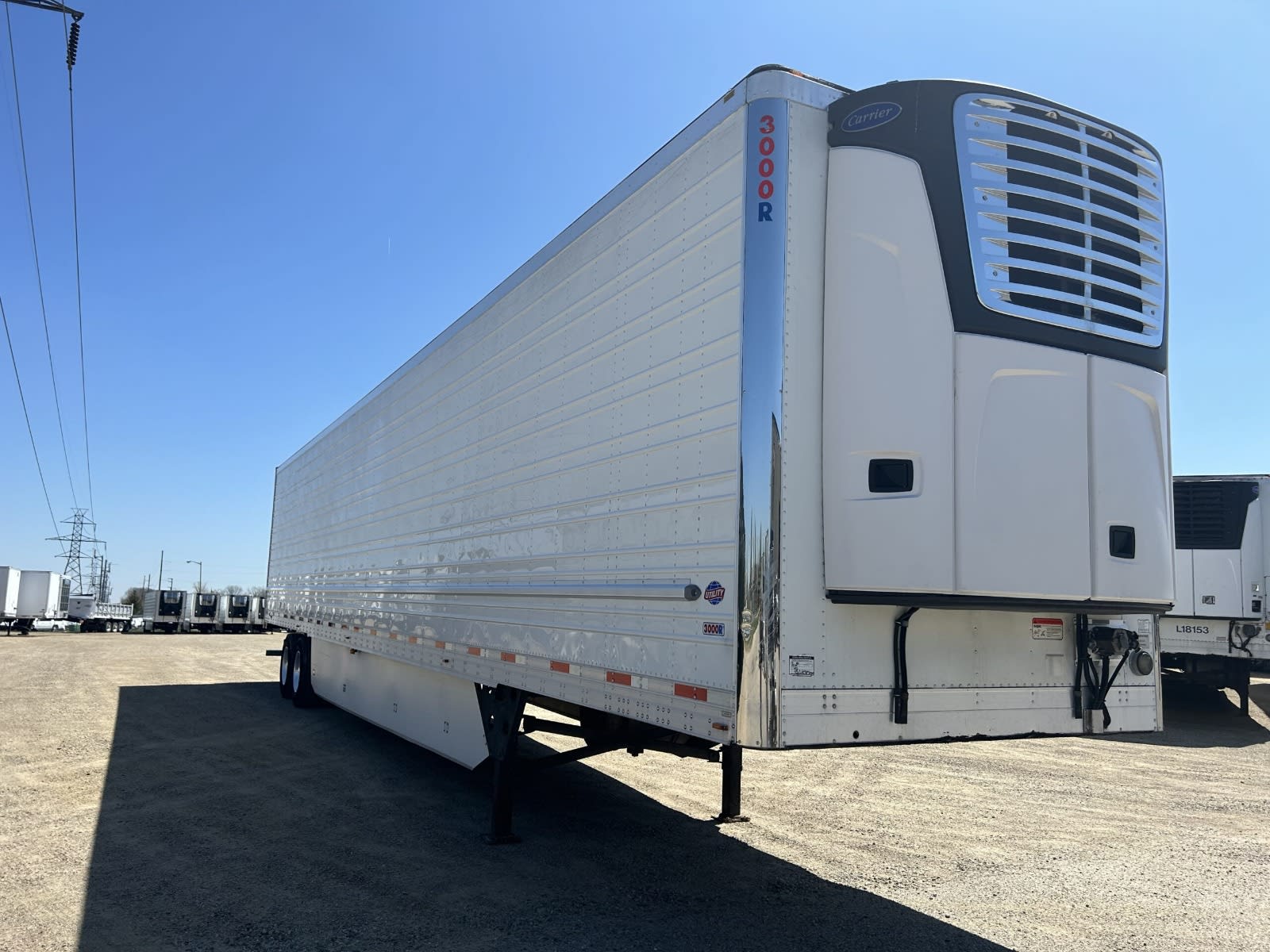
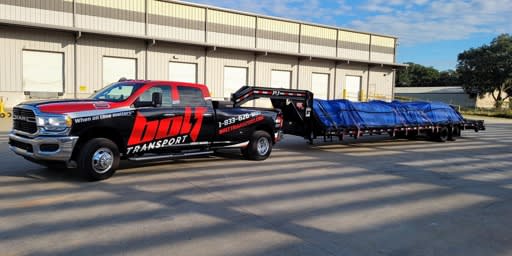
Petrochemical-connected freight, consumer goods and agricultural/forestry freight fill the trailers heading northwest.
- Petrochemical Equipment
- Consumer Goods
- Industrial Materials
What makes the New Orleans to Baton Rouge lane difficult?
Petrochemical-connected freight can require specialized handling or certifications
Petrochemical-connected freight can require specialized handling or certifications.
A very short lane keeps per-load rates in a tighter range
A very short lane keeps per-load rates in a tighter range.
Hurricane season (June-November) can disrupt this Mississippi River corridor
Hurricane season (June-November) can disrupt this Mississippi River corridor.
What freight moves on the New Orleans to Baton Rouge lane?
What travels between New Orleans and Baton Rouge, and why the petrochemical corridor matters here.
Primary Commodities
- •Petrochemical Equipment
- •Consumer Goods
- •Industrial Materials
Secondary Commodities
- •Petrochemical and refinery-connected freight
- •Agricultural and forestry-connected freight
- •Consumer goods
Seasonal Cargo
Peak seasons for this lane:
- •Petrochemical freight (steady)
- •Consumer goods (holiday surge)
- •Hurricane-prep and resupply freight (June-November)
When is the New Orleans to Baton Rouge lane busiest?
Steady petrochemical freight and hurricane risk both shape this lane.
Q1 (Jan-Mar): Slow Period?
Little seasonal dip; the petrochemical corridor runs on a steady, year-round schedule.
Q4 (Oct-Dec): Peak Period?
Consumer goods climb from October through December.
Produce Season?
Not a major factor on this lane.
- •Steady petrochemical freight year-round
- •Q4 holiday retail season
- •Hurricane-season disruption risk (June-November)
Hurricane Risk?
Real; Atlantic and Gulf hurricane season (June-November) can disrupt this Mississippi River corridor.
Seasonal Strategy Summary
This lane runs steady year-round, tracking Baton Rouge's consistent refining and port activity. Hurricane season, June through November, can affect scheduling.
How do I negotiate the best rate on the New Orleans to Baton Rouge lane?
When to book, who pays extra, and which loads need a storm contingency.
When to Book
Suggested booking window:
Same-day booking is typical for this short, fast-turning lane.
What Brokers Pay More
Loads that command more:
Time-critical petrochemical-connected freight tends to pay a premium.
When to Avoid
Loads to price carefully:
Be careful committing to a fixed delivery date during an active hurricane without a contingency plan.
Rate Negotiation Tips for New Orleans to Baton Rouge
- •
At just 80 miles, this is one of the shortest lanes we track, so more than one load a day is realistic.
- •
Petrochemical and hazmat-endorsed freight is common on this corridor, given the scale of Baton Rouge's refining complex.
- •
Grain, steel, and bulk chemical freight tied to the port is worth asking about too.
How do I find a backhaul load on the New Orleans to Baton Rouge lane?
The Port of Greater Baton Rouge's top-10 US ranking makes a southeastbound load realistic.
Best Return Cities
Where to look for the return load:
- •Baton Rouge, LA
- •Regional distribution hubs near Baton Rouge
Deadhead Risk %
Deadhead risk on this lane: 10-15%
With port employment growing to 9,100 jobs by 2026, there is real backhaul variety.
Alternative Routes
If the first load falls through, try these:
- •A very short, high-frequency corridor.
- •Pre-book return freight on load boards before you arrive, so you don't sit empty
Backhaul Optimization Tips
- •
Baton Rouge's petrochemical and port freight base gives you strong backhaul options in both directions.
- •
This short lane is a good fit for more than one round trip in a day.
- •
Check freight tied to the port's rail connections for a specialized backhaul.
What do experienced dispatchers know about the New Orleans to Baton Rouge lane?
Three notes before this petrochemical-corridor run.
Confirm any certification requirements before hauling petrochemical-connected freight.
This lane pairs well with two or more turns in a single day.
Check hurricane advisories before running this lane June through November.
If you haul tanker or hazmat freight, this short lane between two major petrochemical hubs is worth building a steady relationship on.
New Orleans to Baton Rouge Lane FAQs
Answers on drive time, the petrochemical corridor, and hurricane season.
The lane data shows about $224 - $256 per load, or $2.80 - $3.20 a mile, across 80 miles.
It ranks among the top 10 US ports by tonnage, with 65% of cargo moving between river, rail and pipeline for the region's refineries and chemical plants.
About 1.5 hours for the 80 miles on I-10.
Reasonably, given the port's top-10 US ranking and growing employment.
Other Louisiana freight lanes we dispatch
- New Orleans to Houston
- New Orleans to Charlotte
- New Orleans to Atlanta
- New Orleans to Memphis
- New Orleans to Dallas
- New Orleans to Lake Charles
Local resources
Dry Van owner-operator, Southeast: +$2,550/week after moving to $2.85/mi on automotive parts / retail / beverage freight.
Read the case studyNeed help running New Orleans, LA to Baton Rouge, LA consistently?
Running New Orleans to Baton Rouge often? Ask about a free custom growth plan.