

New Orleans to Lake Charles Truck Dispatch
Freight route connecting New Orleans, LA to Lake Charles, LA (200 miles). It anchors the I-10 petrochemical corridor connecting New Orleans to the Port Arthur, TX refining complex.
What do truck dispatch rates run from New Orleans to Lake Charles?
New Orleans to Lake Charles is a 200-mile lane paying about $530 - $610 per load, near $2.65 - $3.05 a mile. Freight is mostly LNG/energy-export-connected freight, bulk cargo and consumer goods.
- Distance
- 200 miles
- Avg. rate / load
- $530 - $610
- Rate per mile
- $2.65 - $3.05
- Transit time
- Same day / 3-4 hrs
- Deadhead risk
- 20-25%
Lane rates reviewed September 2026. These numbers follow 2026 spot-market pricing and can shift sharply during hurricane season. See our dispatch fee structure.
New Orleans to Lake Charles
New Orleans to Lake Charles is a 200-mile, roughly 3.5-hour run west on I-10, connecting Louisiana's two biggest energy-export gateways. The Port of Lake Charles ranks as the nation's 10th busiest port district, handling more than 64 million tons of cargo annually and serving as the world's number-one LNG export area, anchored by Venture Global's fully operational Calcasieu Pass facility.
Origin
New Orleans, LA
Destination
Lake Charles, LA
Distance
200 miles
Transit Time
Same day / 3-4 hrs
Average Rate
$530 - $610
Rate per Mile
$2.65 - $3.05
200-mile lane, about 3.5 hours on I-10
The Port of Lake Charles ranks as the nation's 10th busiest port district, handling more than 64 million tons of cargo annually
Lake Charles is the world's number-one LNG export area
New Orleans to Lake Charles: route facts a driver should know
Lake Charles is becoming one of the biggest LNG export hubs in the country
Multiple liquefied natural gas terminals operate or are under construction around Lake Charles. Venture Global's Calcasieu Pass terminal reached full commercial operations in April 2025 with capacity to export 10 to 12 million metric tons a year, and Woodside's Louisiana LNG project, permitted at 27.6 million tonnes a year, got a final investment decision in 2025 on a roughly $17.5 billion build-out.
Source: US Energy Information Administration. Checked 30 Sep 2026.
A $3.1 billion ethane cracker anchors Lake Charles's petrochemical corridor
Lotte Chemical and Westlake Chemical operate a $3.1 billion ethane cracker on the Calcasieu Ship Channel with capacity over 1 million tonnes a year, alongside Sasol's Lake Charles Chemicals Project, a 1.5-million-ton-a-year ethane cracker plus six downstream chemical units.
Source: Sasol, Lake Charles Chemicals Project fact sheet. Checked 30 Sep 2026.
Diesel for this lane
How much is the diesel for New Orleans to Lake Charles?
About $181.63 this week. The lane is 200 miles. A truck that gets 6.5 miles per gallon uses about 31 gallons, and diesel is averaging $5.90 a gallon on this lane (week of October 19, 2026). The U.S. average diesel price is up 10 cents this week.
An estimate. It uses EIA's weekly average for this region, not the price at each pump. Your mpg and fuel card discounts change it.
- Distance
- 200 mi
- Diesel needed
- 31 gal
- Price used
- $5.90/gal
- Fuel cost
- $181.63
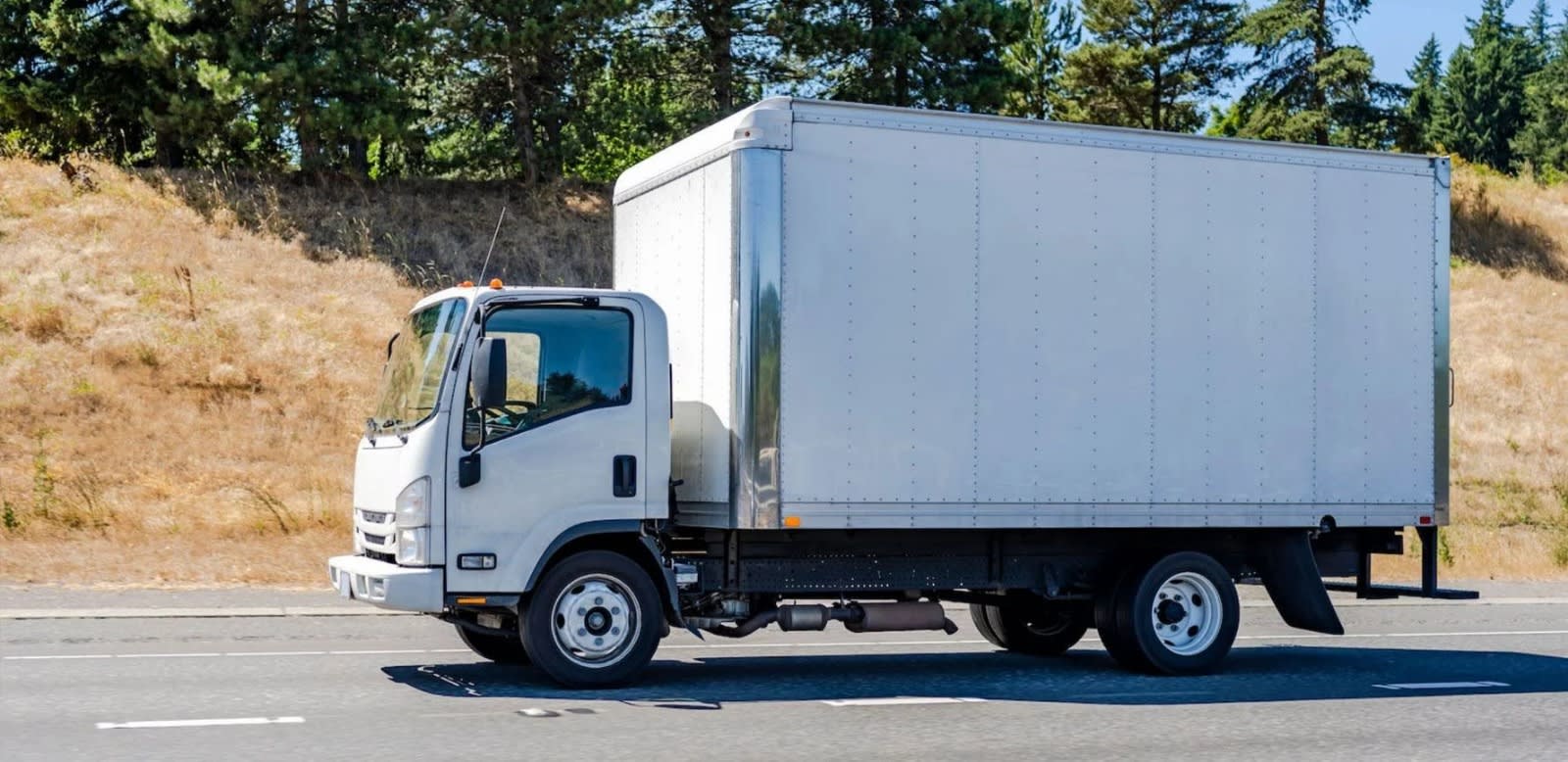
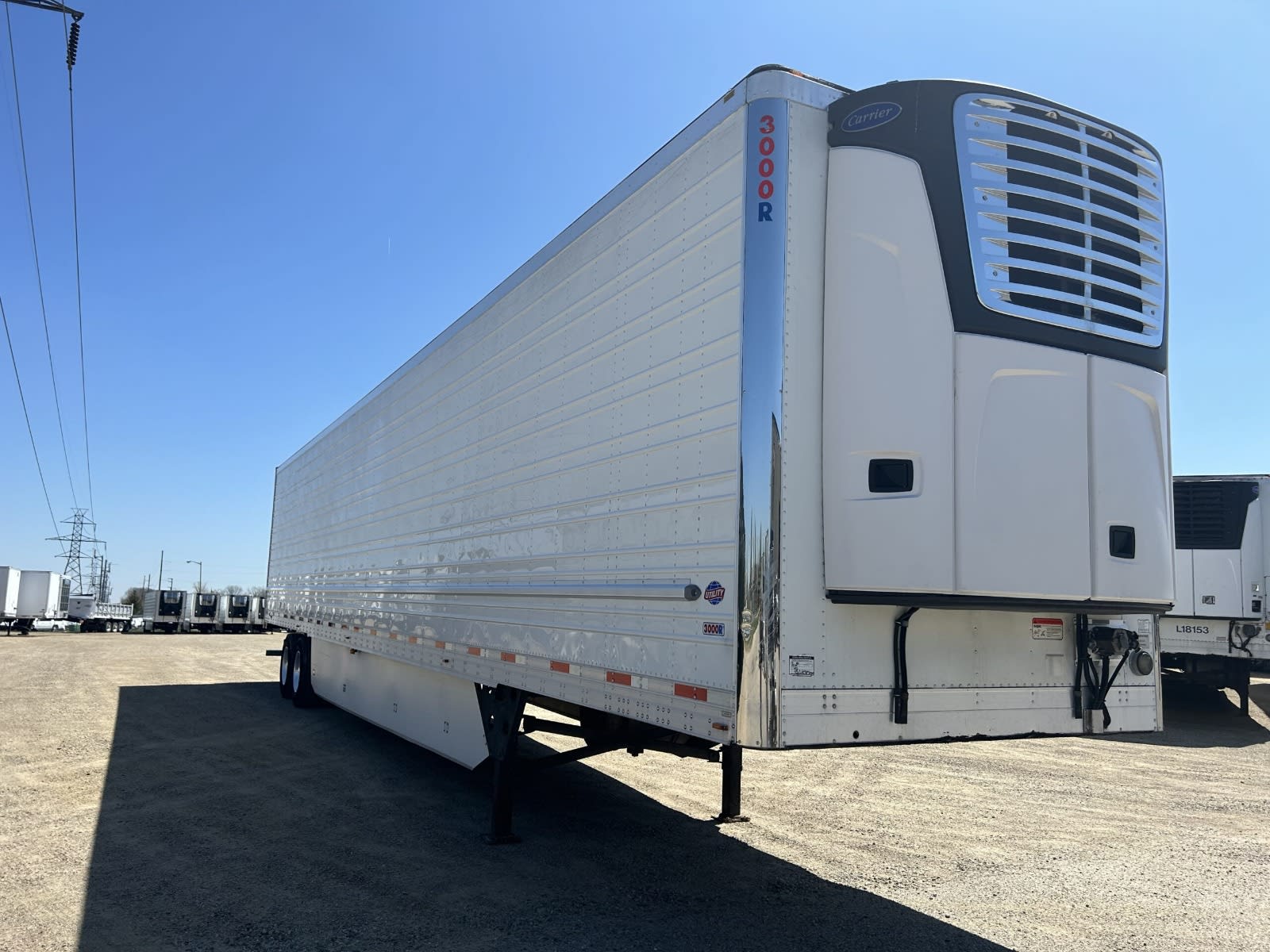
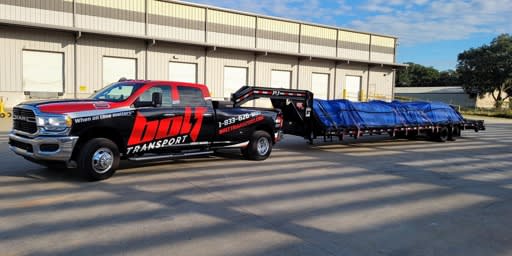
Common Freight Types
LNG/energy-export-connected freight, bulk cargo and consumer goods fill the trailers heading west.
- Petrochemical Equipment
- LNG Equipment
- Industrial Materials
What makes the New Orleans to Lake Charles lane difficult?
Hurricane season (June-November) can disrupt this Gulf Coast corridor at both ends
Hurricane season (June-November) can disrupt this Gulf Coast corridor at both ends.
A medium-length lane keeps per-load rates in a moderate range
A medium-length lane keeps per-load rates in a moderate range.
Energy and LNG-connected freight can require specialized handling or certifications
Energy and LNG-connected freight can require specialized handling or certifications.
What freight moves on the New Orleans to Lake Charles lane?
What travels between New Orleans and Lake Charles, and why the LNG export boom matters here.
Primary Commodities
- •Petrochemical Equipment
- •LNG Equipment
- •Industrial Materials
Secondary Commodities
- •LNG and energy-export-connected freight
- •Bulk cargo (industrial, manufacturing)
- •Consumer goods
Seasonal Cargo
Peak seasons for this lane:
- •Energy-export-connected freight (steady)
- •Consumer goods (holiday surge)
- •Hurricane-prep and resupply freight (June-November)
When is the New Orleans to Lake Charles lane busiest?
Steady LNG freight and hurricane season both shape this lane.
Q1 (Jan-Mar): Slow Period?
Little seasonal dip; LNG export operations run on a steady, year-round schedule.
Q4 (Oct-Dec): Peak Period?
Consumer goods climb from October through December.
Produce Season?
Not a major factor on this lane.
- •Steady LNG and energy-export freight year-round
- •Q4 holiday retail season
- •Hurricane-season disruption risk (June-November)
Hurricane Risk?
Real and significant; Gulf hurricane season (June-November) can disrupt this whole corridor.
Seasonal Strategy Summary
This lane runs steady year-round, backed by Lake Charles's growing LNG and petrochemical buildout. Hurricane season, June through November, is the main risk factor.
How do I negotiate the best rate on the New Orleans to Lake Charles lane?
When to book, who pays extra, and which loads need a storm contingency.
When to Book
Suggested booking window:
1-2 days out is typical for this haul, with extra lead time during hurricane season.
What Brokers Pay More
Loads that command more:
Time-critical LNG and energy-export-connected freight tends to pay a premium.
When to Avoid
Loads to price carefully:
Be careful committing to a fixed delivery date during an active hurricane without a contingency plan.
Rate Negotiation Tips for New Orleans to Lake Charles
- •
This is a 200-mile lane running through Louisiana's heaviest petrochemical and LNG corridor, so hazmat and tanker freight is worth asking about.
- •
LNG-linked construction and component freight is a growing category here as new terminals come online.
- •
Watch the hurricane forecast between June and November on this Gulf Coast lane.
How do I find a backhaul load on the New Orleans to Lake Charles lane?
Lake Charles's status as the world's top LNG export area makes an eastbound load realistic.
Best Return Cities
Where to look for the return load:
- •Lake Charles, LA
- •Regional distribution hubs near Lake Charles
Deadhead Risk %
Deadhead risk on this lane: 20-25%
With more than 64 million tons of cargo moving through the port annually, there is real backhaul variety.
Alternative Routes
If the first load falls through, try these:
- •Refinery turnaround schedules drive backhaul more than season does.
- •Pre-book return freight on load boards before you arrive, so you don't sit empty
Backhaul Optimization Tips
- •
Lake Charles's petrochemical and LNG buildout creates steady specialized-freight backhaul options.
- •
New Orleans's own port and refining base keeps eastbound freight flowing too.
- •
Build in schedule flexibility during hurricane season.
What do experienced dispatchers know about the New Orleans to Lake Charles lane?
Three notes before this energy-corridor run.
Check hurricane advisories before running this lane June through November.
This lane pairs well with a same-day or next-day return load.
Confirm any certification requirements before hauling LNG or energy-connected freight.
Lake Charles's LNG buildout is a genuinely growing freight category. If you haul specialized or hazmat freight, it's worth building a relationship with shippers there now.
New Orleans to Lake Charles Lane FAQs
Answers on drive time, Lake Charles's LNG boom, and hurricane season.
The lane data shows about $530 - $610 per load, or $2.65 - $3.05 a mile, across 200 miles.
It's the world's number-one LNG export area and the nation's 10th busiest port district, handling more than 64 million tons of cargo annually.
About 3.5 hours for the 200 miles on I-10.
Reasonably, given the port's massive cargo volume and LNG export role.
Other Louisiana freight lanes we dispatch
- New Orleans to Jackson
- New Orleans to Dallas
- New Orleans to Birmingham
- New Orleans to Little Rock
- New Orleans to Shreveport
- New Orleans to Mobile
Local resources
Dry Van owner-operator, Southeast: +$2,550/week after moving to $2.85/mi on automotive parts / retail / beverage freight.
Read the case studyNeed help running New Orleans, LA to Lake Charles, LA consistently?
Running New Orleans to Lake Charles often? Ask about a free custom growth plan.