
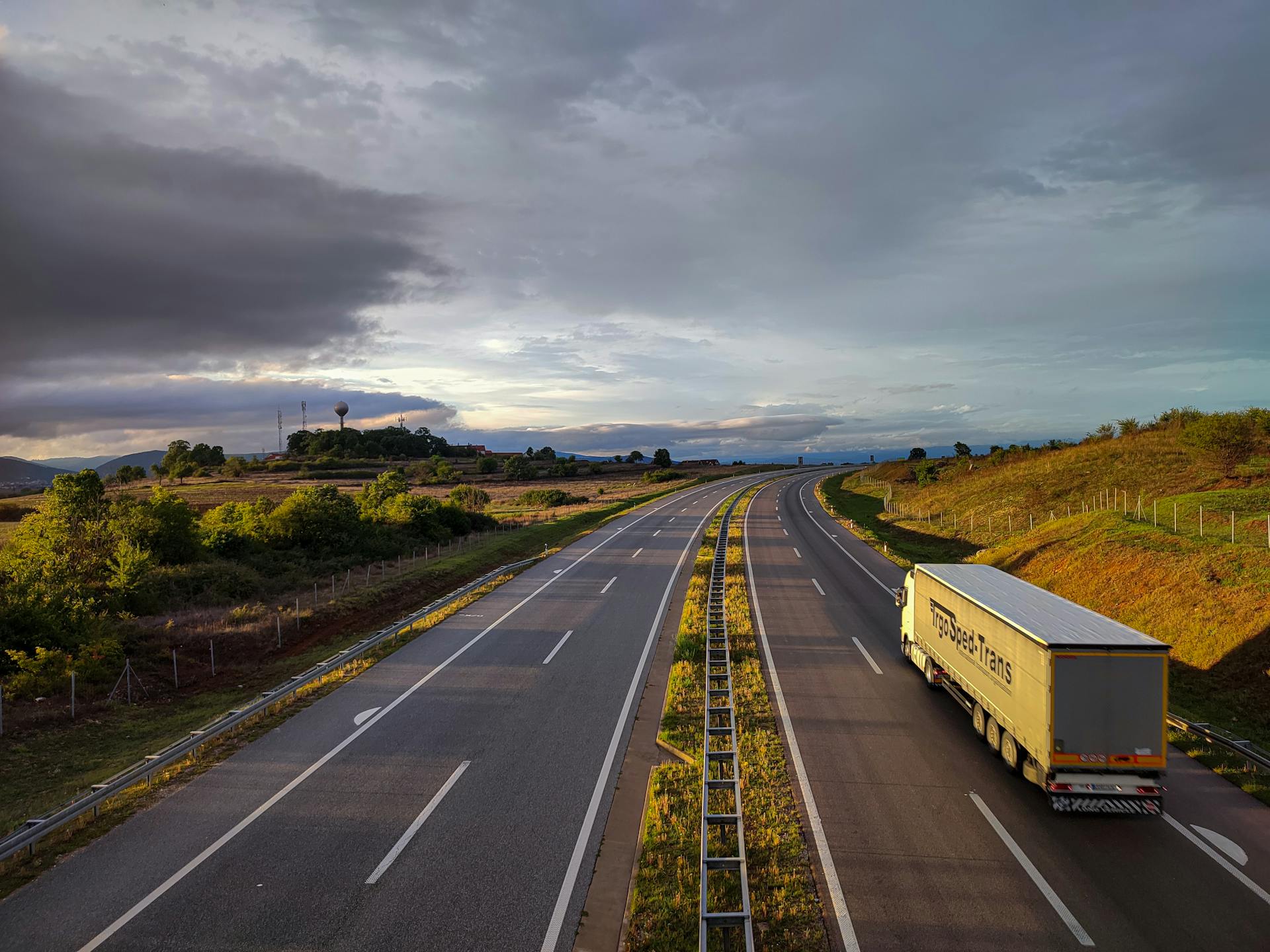
Denver to Grand Junction Truck Dispatch
Freight route connecting Denver, CO to Grand Junction, CO (245 miles). Connects Denver to Colorado's Western Slope via I-70, crossing the Continental Divide.
What do truck dispatch rates run from Denver to Grand Junction?
Denver to Grand Junction is a 245-mile lane paying about $625 - $723 per load, near $2.55 - $2.95 a mile. Freight is mostly energy equipment, agricultural products and consumer goods.
- Distance
- 245 miles
- Avg. rate / load
- $625 - $723
- Rate per mile
- $2.55 - $2.95
- Transit time
- Same day / 4 hrs
- Deadhead risk
- 20-25%
Lane rates reviewed September 2026. These numbers follow 2026 spot-market pricing and shift with fuel prices and the peach/grape harvest calendar. See our dispatch fee structure.
Denver to Grand Junction
Denver to Grand Junction is a 245-mile, roughly 4-hour run west on I-70 across the Colorado Rockies, ending at the largest freight hub on Colorado's Western Slope. Grand Junction is the I-70/US-50 junction city where Front Range freight transitions to Utah and Las Vegas lanes, and the region serves as the main distribution and service hub for western Colorado, eastern Utah and the Piceance Basin energy fields, shipping peaches, wine grapes, oil-and-gas equipment and other agricultural produce.
Origin
Denver, CO
Destination
Grand Junction, CO
Distance
245 miles
Transit Time
Same day / 4 hrs
Average Rate
$625 - $723
Rate per Mile
$2.55 - $2.95
245-mile lane, roughly 4 hours on I-70
Grand Junction is the largest freight hub on Colorado's Western Slope
Serves the Piceance Basin energy fields and the Western Slope's peach and wine-grape agriculture
Denver to Grand Junction: route facts a driver should know
The Eisenhower Tunnel and mountain restrictions apply on this route
This lane runs the I-70 mountain corridor through the Eisenhower-Johnson Memorial Tunnel, where placarded hazmat is banned year-round and must detour over Loveland Pass on US-6, and where the tunnel's height limit is 13 feet 11 inches.
Source: Colorado Department of Transportation, Mountain Rules. Checked 29 Sep 2026.
Grand Junction has 176 FMCSA-registered carriers based locally
Grand Junction is home to 176 FMCSA-registered motor carriers, reflecting an active local trucking industry tied to the region's energy and oilfield-services sector.
Source: Fleetfax, Grand Junction carrier directory. Checked 29 Sep 2026.
A medium lane: plan for a real HOS break
FMCSA requires a 30-minute break after 8 cumulative hours of driving without one. This 245-mile lane runs close to 4.5 hours through mountain terrain, so plan your break into the schedule.
Source: FMCSA, Summary of Hours of Service Regulations. Checked 29 Sep 2026.
Diesel for this lane
How much is the diesel for Denver to Grand Junction?
About $242.06 this week. The lane is 245 miles. A truck that gets 6.5 miles per gallon uses about 38 gallons, and diesel is averaging $6.42 a gallon on this lane (week of October 19, 2026). The U.S. average diesel price is up 10 cents this week.
An estimate. It uses EIA's weekly average for this region, not the price at each pump. Your mpg and fuel card discounts change it.
- Distance
- 245 mi
- Diesel needed
- 38 gal
- Price used
- $6.42/gal
- Fuel cost
- $242.06
Common Freight Types
Energy equipment, agricultural products and consumer goods fill the trailers heading west.
- Energy Equipment
- Agricultural Products
- Consumer Goods
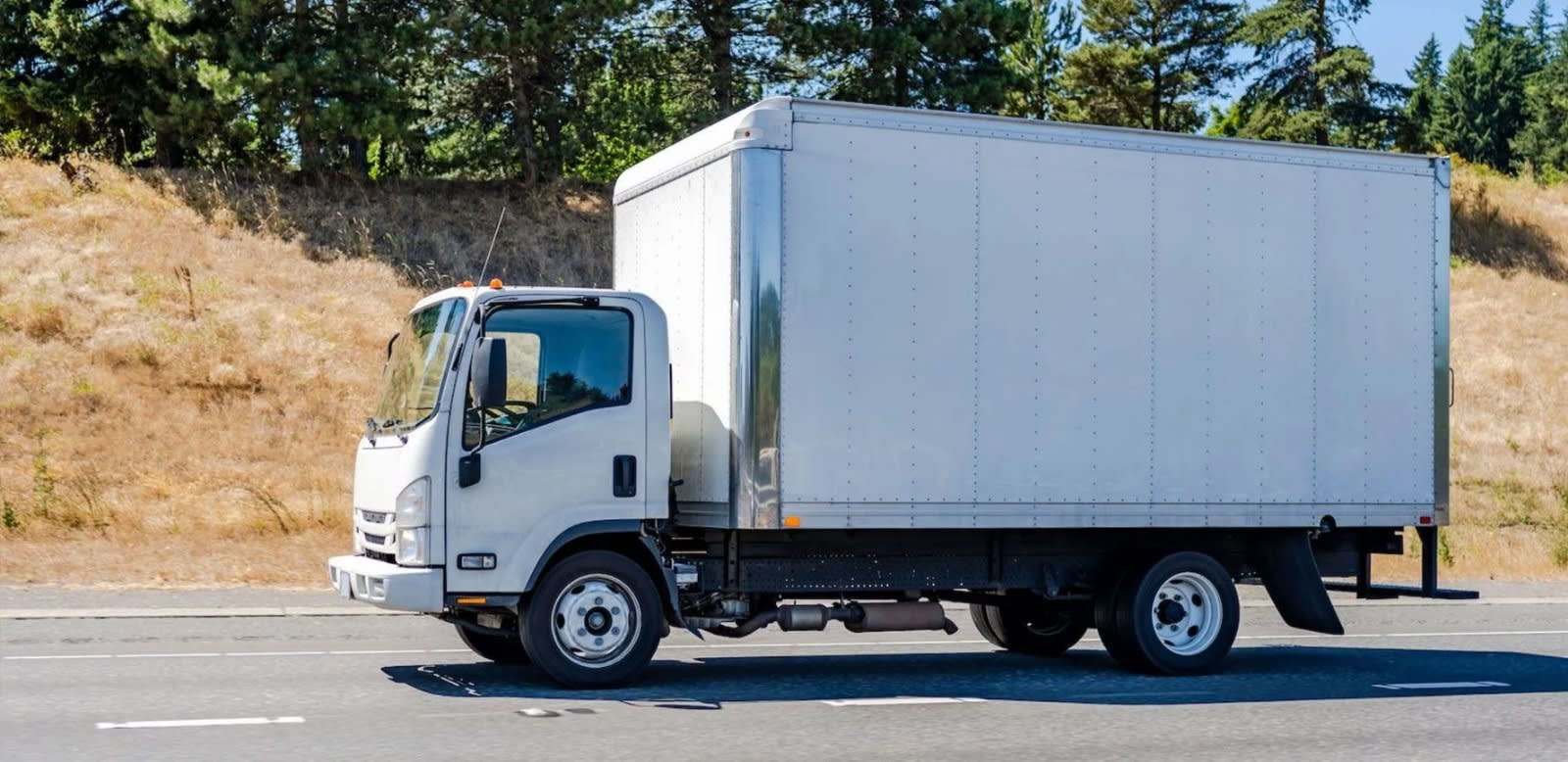
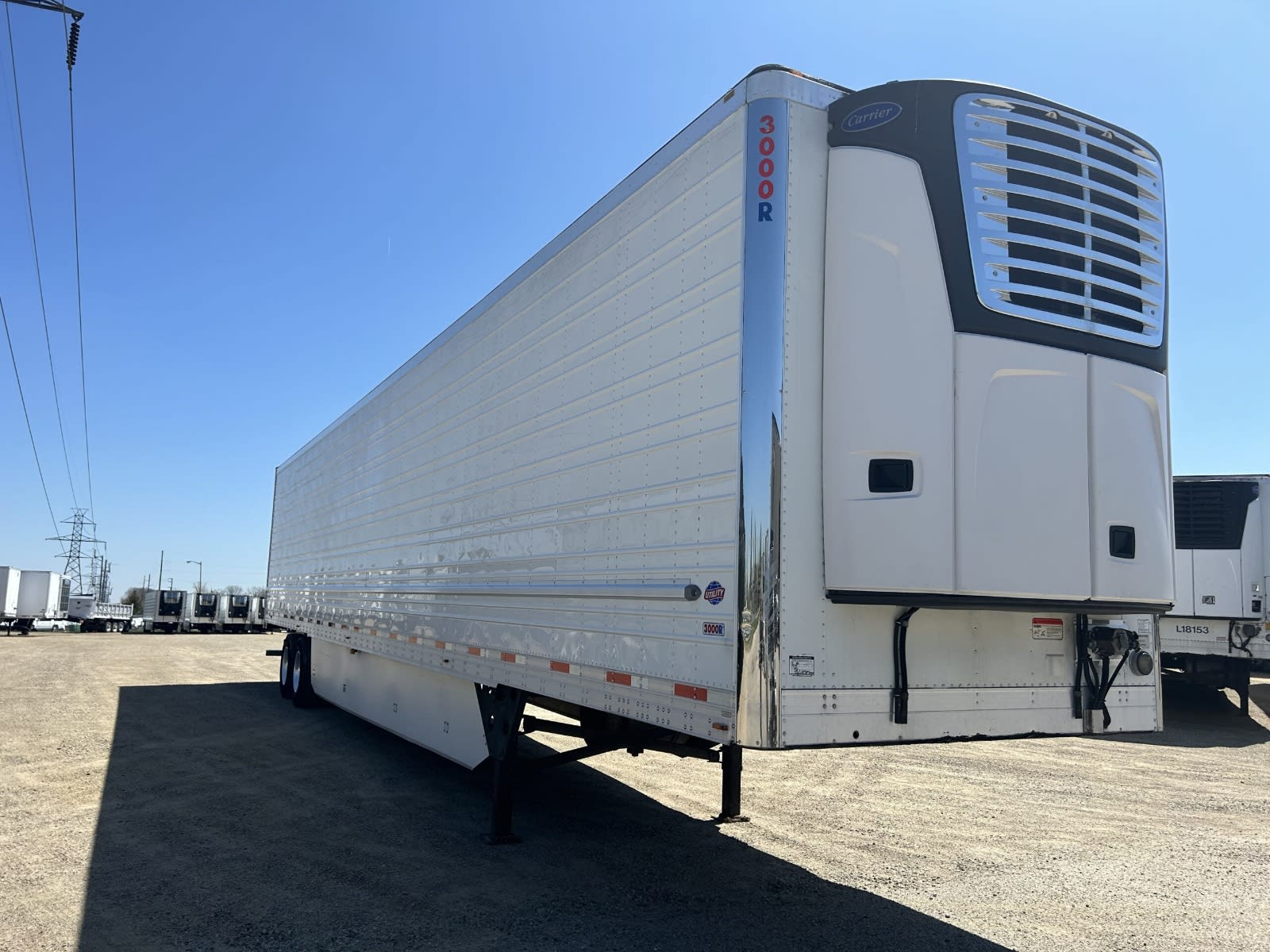
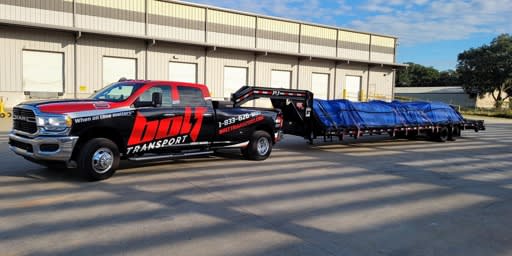
What makes the Denver to Grand Junction lane difficult?
I-70 through the Rockies between Denver and Grand Junction sees real winter weather and chain requirements
I-70 through the Rockies between Denver and Grand Junction sees real winter weather and chain requirements.
Mountain grades and altitude affect equipment differently than flatland driving
Mountain grades and altitude affect equipment differently than flatland driving.
Agricultural freight (peaches, wine grapes) is seasonal and reefer-dependent
Agricultural freight (peaches, wine grapes) is seasonal and reefer-dependent.
What freight moves on the Denver to Grand Junction lane?
What Grand Junction ships, and when the harvest peaks.
Primary Commodities
- •Energy Equipment
- •Agricultural Products
- •Consumer Goods
Secondary Commodities
- •Peaches and wine grapes (seasonal)
- •Oil-and-gas equipment (Piceance Basin)
- •Agricultural produce
Seasonal Cargo
Peak seasons for this lane:
- •Agricultural products (peach and grape harvest, late summer/fall)
- •Energy equipment (steady)
- •Consumer goods (holiday surge)
When is the Denver to Grand Junction lane busiest?
The Western Slope harvest and winter mountain weather both shape this lane.
Q1 (Jan-Mar): Slow Period?
A quieter stretch after harvest, though energy-equipment freight keeps moving.
Q4 (Oct-Dec): Peak Period?
Consumer goods climb through the holidays as the fall harvest freight tapers off.
Produce Season?
A real factor in late summer and fall, when Western Slope peaches and wine grapes are ready for shipment.
- •Peach and wine-grape harvest (late summer/fall)
- •Steady oil-and-gas equipment freight
- •Q4 holiday retail season
Hurricane Risk?
None. Winter mountain weather through the Rockies is the real seasonal risk.
Seasonal Strategy Summary
Energy-connected freight in Grand Junction runs fairly steady year-round, with winter mountain-pass conditions on I-70 the main seasonal risk for this route.
How do I negotiate the best rate on the Denver to Grand Junction lane?
When to book, what pays a premium, and what needs a reefer or weather plan.
When to Book
Suggested booking window:
2-3 days out is typical, more during peak harvest or winter mountain weather.
What Brokers Pay More
Loads that command more:
Time-critical reefer freight during peach and wine-grape season, and energy-equipment freight, both pay a premium.
When to Avoid
Loads to price carefully:
Be careful pricing a winter I-70 mountain crossing without a weather plan.
Rate Negotiation Tips for Denver to Grand Junction
- •
Check your load's height and hazmat status before this lane, since it runs directly through the Eisenhower Tunnel corridor.
- •
This lane runs close to 4.5 hours through mountain terrain, so build in extra time beyond flat-highway estimates.
- •
Winter conditions across the Colorado high country add real time and risk. Check current mountain-pass conditions before departing.
How do I find a backhaul load on the Denver to Grand Junction lane?
Grand Junction's role as the Western Slope's main service hub gives real backhaul options.
Best Return Cities
Where to look for the eastbound load:
- •Grand Junction, CO
- •Regional distribution hubs near Grand Junction
Deadhead Risk %
Deadhead risk on this lane: 20-25%
Energy-equipment freight tied to the Piceance Basin gives a steadier backhaul option beyond seasonal agriculture.
Alternative Routes
If the first load falls through, try these:
- •Colorado wine/farm and oil/gas equipment freight from Grand Junction offer backhaul options. The tough terrain limits the pool of carriers who can run them, though.
Backhaul Optimization Tips
- •
Grand Junction's energy and oilfield-services sector, supported by 176 locally based carriers, gives this lane a genuine backhaul market.
- •
Confirm your return route's hazmat and height requirements too, since the tunnel restrictions apply both directions.
- •
Check current I-70 mountain-pass conditions for your return trip.
What do experienced dispatchers know about the Denver to Grand Junction lane?
Three notes before crossing the Rockies to Grand Junction.
Check chain requirements for I-70 through the Rockies before a winter run.
Watch engine temperature on the mountain grades.
If hauling peaches or wine grapes, confirm reefer settings; both are sensitive, seasonal crops.
Before you book Denver to Grand Junction, confirm your load's height and hazmat status against Eisenhower Tunnel restrictions, and check current mountain-pass conditions.
Denver to Grand Junction Lane FAQs
Answers on driving time, mountain weather, and Grand Junction's freight role.
The lane data shows about $625 - $723 per load, or $2.55 - $2.95 a mile, across 245 miles.
It is the largest freight hub on Colorado's Western Slope, the I-70/US-50 junction city where Front Range freight transitions to Utah and Las Vegas lanes.
Yes, I-70 through the Colorado Rockies, which can require chains in winter.
Peaches and wine grapes in season, oil-and-gas equipment from the Piceance Basin, and other Western Slope agricultural produce.
Other Colorado freight lanes we dispatch
- Denver to Boise
- Denver to Amarillo
- Denver to Minneapolis
- Denver to Kansas City
- Denver to Salt Lake City
- Denver to Albuquerque
Local resources
Dry Van owner-operator, West Coast: +$2,010/week after moving to $2.62/mi on general freight / consumer goods freight.
Read the case studyNeed help running Denver, CO to Grand Junction, CO consistently?
Running Denver to Grand Junction often? Ask about a free custom growth plan.