
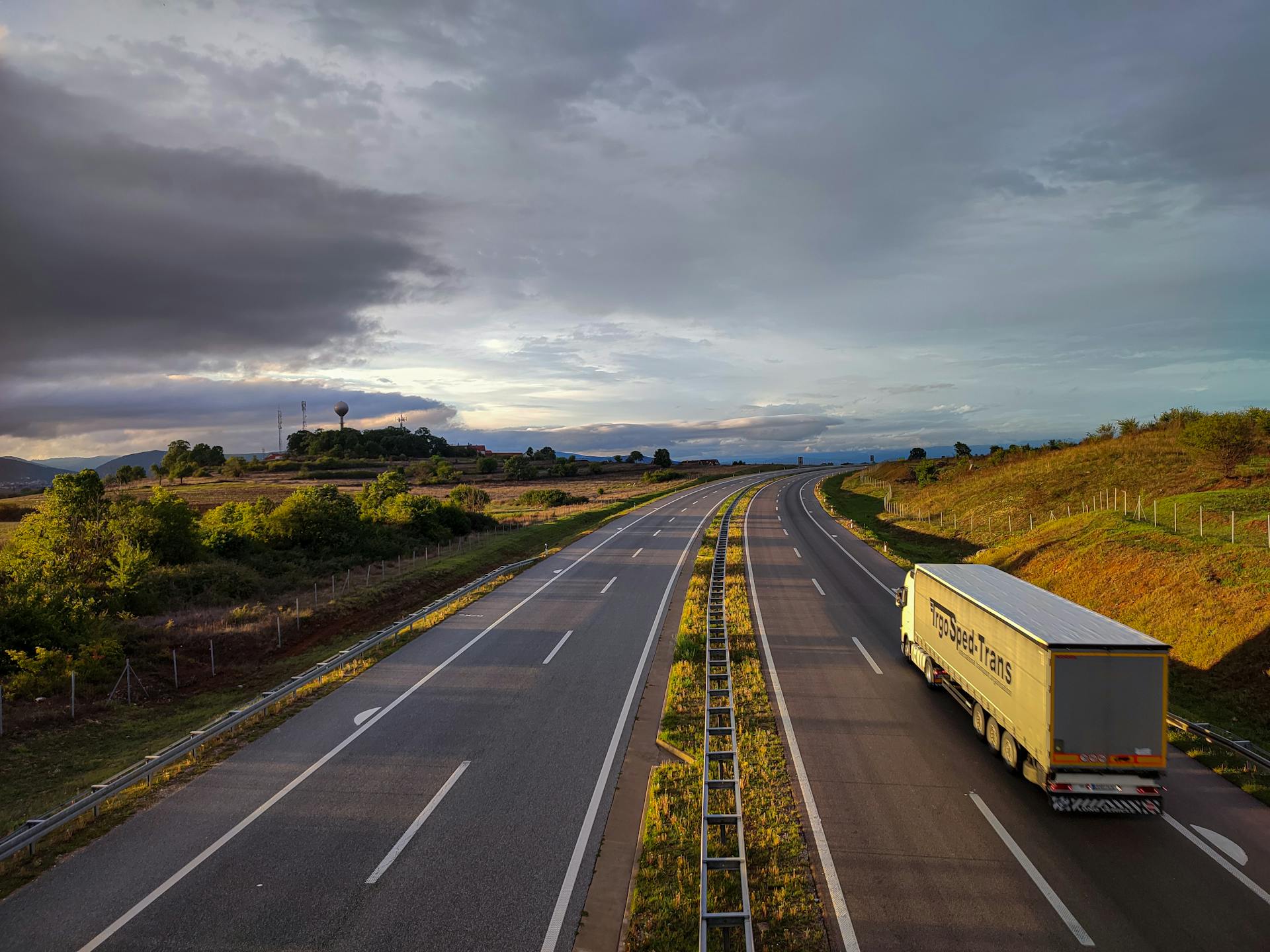
Denver to Amarillo Truck Dispatch
Freight route connecting Denver, CO to Amarillo, TX (435 miles). Connects Denver to the Texas Panhandle's energy and agricultural freight base via I-25/I-40.
What do truck dispatch rates run from Denver to Amarillo?
Denver to Amarillo is a 435-mile lane paying about $1,022 - $1,196 per load, near $2.35 - $2.75 a mile. Freight is mostly energy equipment, agricultural products and consumer goods.
- Distance
- 435 miles
- Avg. rate / load
- $1,022 - $1,196
- Rate per mile
- $2.35 - $2.75
- Transit time
- 1 day
- Deadhead risk
- 25-30%
Lane rates reviewed September 2026. These numbers follow 2026 spot-market pricing and stay fairly steady given the region's year-round cattle industry. See our dispatch fee structure.
Denver to Amarillo
Denver to Amarillo is a 435-mile, roughly 7-hour run southeast on I-25 to I-40 or US-287, ending in the heart of the Texas Panhandle's cattle country. Nearly 28% of all cattle fed in the United States comes from the Texas Panhandle, and a new $670 million producer-owned beef processing facility on 1,108 acres between I-40 and I-27 opened in Amarillo in late 2025, with capacity to process 3,000 or more head a day and up to 1,600 employees.
Origin
Denver, CO
Destination
Amarillo, TX
Distance
435 miles
Transit Time
1 day
Average Rate
$1,022 - $1,196
Rate per Mile
$2.35 - $2.75
435-mile lane, roughly 7 hours on I-25 to I-40
Nearly 28% of all US cattle fed comes from the Texas Panhandle around Amarillo
A new $670 million beef processing facility opened in Amarillo in late 2025
Denver to Amarillo: route facts a driver should know
Nearly 28% of US fed cattle come from the Texas Panhandle
Nearly 28 percent of cattle fed in the United States come from the Texas Panhandle region around Amarillo, making this lane's destination a major agricultural freight market.
Source: Amarillo Economic Development Corporation, freight and logistics overview. Checked 29 Sep 2026.
A new $670 million beef plant is changing Amarillo's freight picture
A new producer-owned beef processing facility on over 1,100 acres near Amarillo will employ up to 1,600 workers and process 3,000-plus head of cattle a day, while an existing Tyson plant in the area is cutting daily harvest from 5,500 to 2,700-2,800 starting January 2026.
Source: AGDAILY, new Amarillo beef processing facility coverage. Checked 29 Sep 2026.
A medium lane: plan for a real HOS break
FMCSA requires a 30-minute break after 8 cumulative hours of driving without one. This 435-mile lane runs close to 6.5 hours, so plan your break into the schedule.
Source: FMCSA, Summary of Hours of Service Regulations. Checked 29 Sep 2026.
Diesel for this lane
How much is the diesel for Denver to Amarillo?
About $412.41 this week. The lane is 435 miles. A truck that gets 6.5 miles per gallon uses about 67 gallons, and diesel is averaging $6.16 a gallon on this lane (week of October 19, 2026). The U.S. average diesel price is up 10 cents this week.
An estimate. It uses EIA's weekly average for the two regions this lane connects, not the price at each pump. Your mpg and fuel card discounts change it.
- Distance
- 435 mi
- Diesel needed
- 67 gal
- Price used
- $6.16/gal
- Fuel cost
- $412.41
Common Freight Types
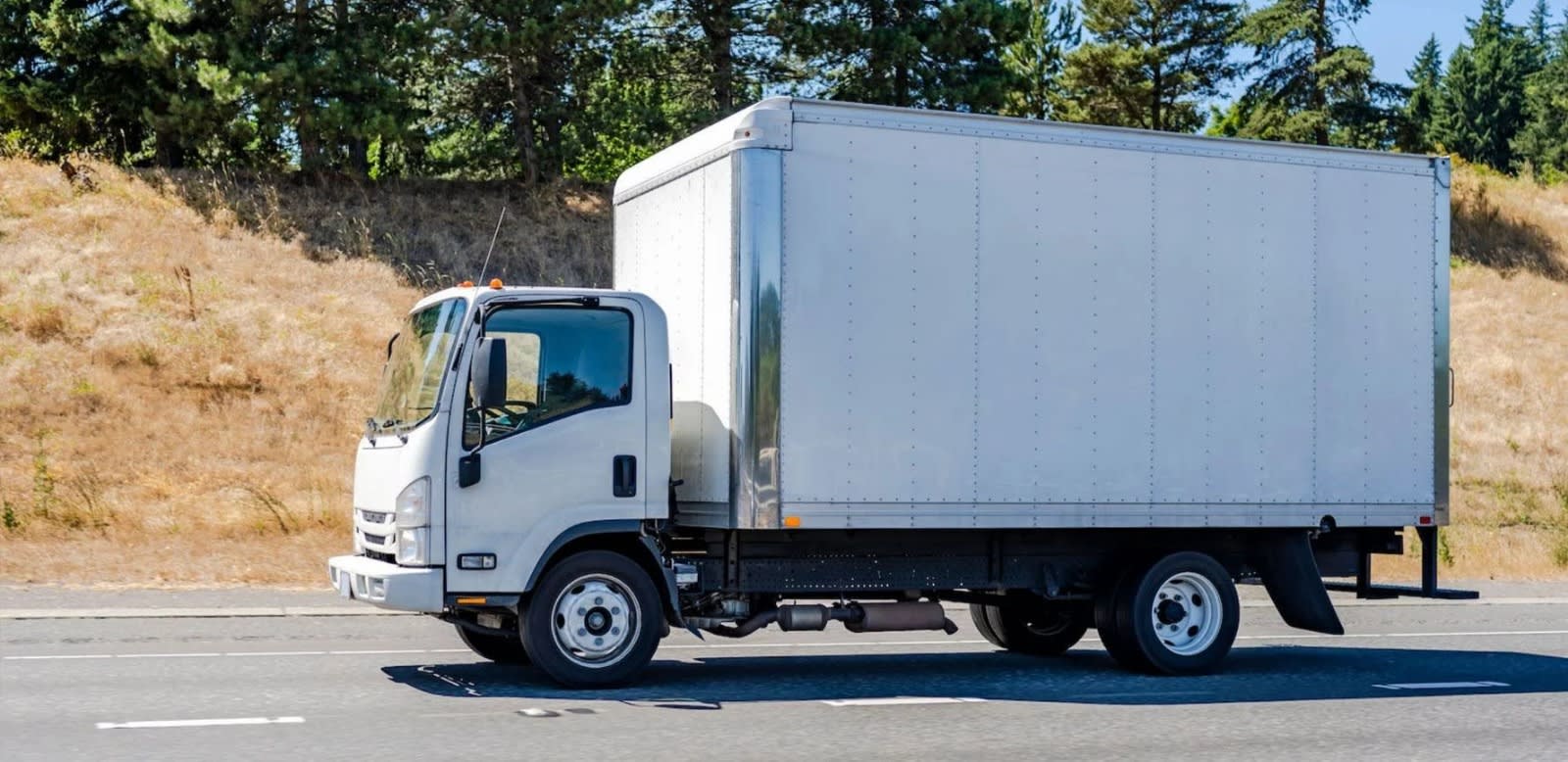
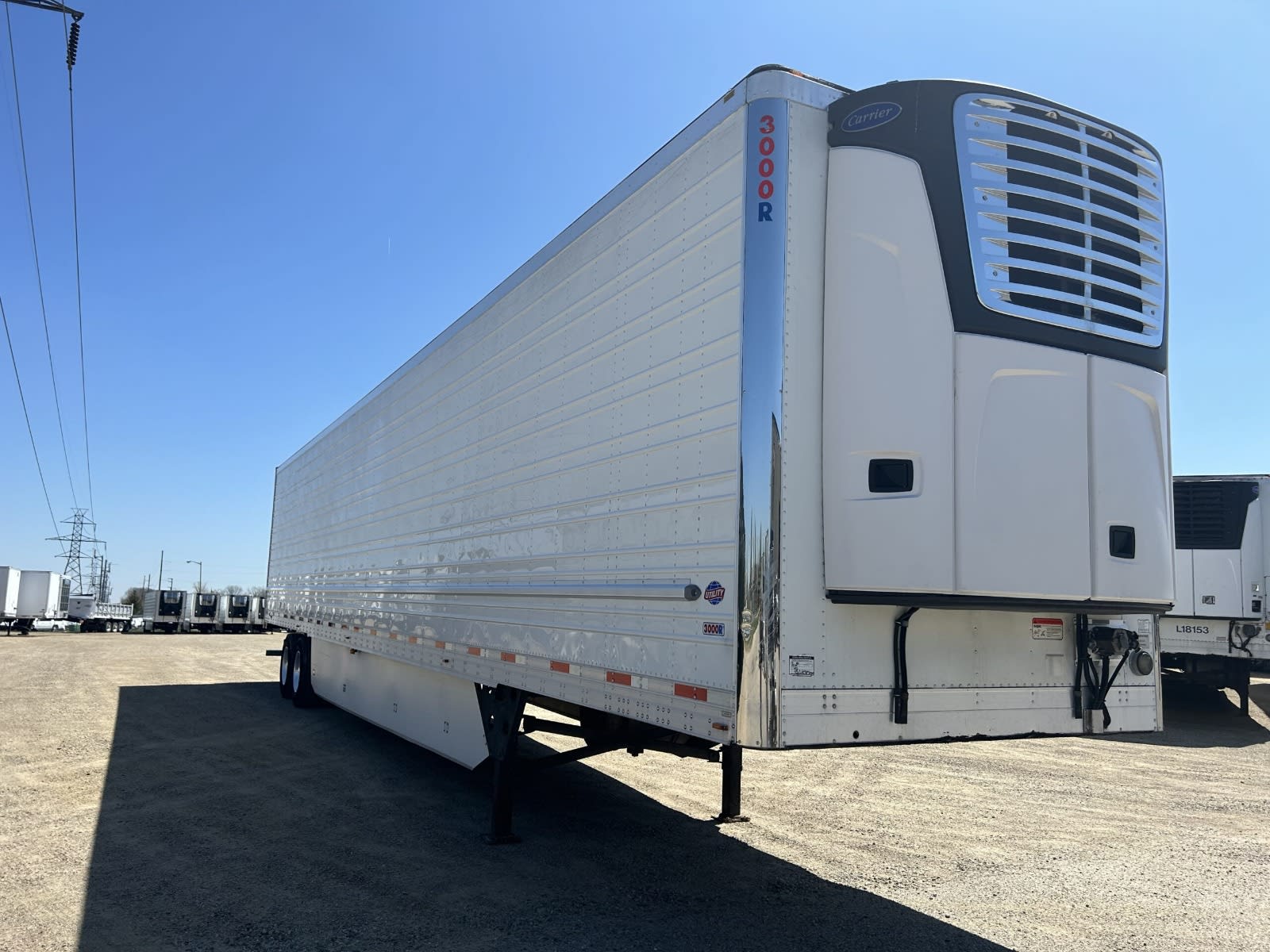
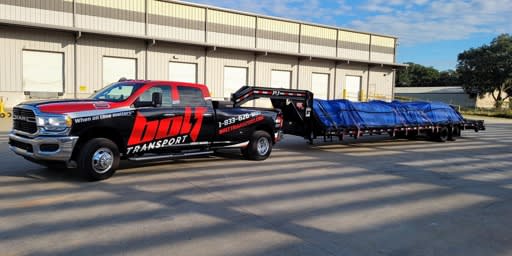
Energy equipment, agricultural products and consumer goods fill the trailers heading southeast.
- Energy Equipment
- Agricultural Products
- Consumer Goods
What makes the Denver to Amarillo lane difficult?
Livestock and reefer freight both require specialized handling
Livestock and reefer freight both require specialized handling.
The Texas Panhandle can see severe weather, including high wind and occasional winter storms
The Texas Panhandle can see severe weather, including high wind and occasional winter storms.
The route crosses long, remote stretches of eastern Colorado and the Panhandle
The route crosses long, remote stretches of eastern Colorado and the Panhandle.
What freight moves on the Denver to Amarillo lane?
What Amarillo ships, and why cattle freight runs steady all year.
Primary Commodities
- •Energy Equipment
- •Agricultural Products
- •Consumer Goods
Secondary Commodities
- •Beef and processed meat products
- •Livestock
- •Energy equipment
Seasonal Cargo
Peak seasons for this lane:
- •Beef and meat products (steady year-round)
- •Energy equipment (steady)
- •Consumer goods (holiday surge)
When is the Denver to Amarillo lane busiest?
Cattle and beef processing keep this lane busy year-round, unlike crop-driven lanes.
Q1 (Jan-Mar): Slow Period?
Little seasonal dip; cattle and beef-processing freight run on a steady year-round schedule.
Q4 (Oct-Dec): Peak Period?
Consumer goods climb through the holidays on top of the steady beef-processing freight base.
Produce Season?
Not a major factor; cattle and energy freight drive this lane, not crop harvest.
- •Year-round cattle and beef processing demand
- •Q4 holiday retail season
- •New beef plant ramp-up freight
Hurricane Risk?
None, though Panhandle wind and occasional winter storms are a real seasonal risk.
Seasonal Strategy Summary
Cattle and beef-processing freight in Amarillo runs steady year-round, tied to production schedules that are shifting as a major new plant ramps up and an existing plant scales back in early 2026.
How do I negotiate the best rate on the Denver to Amarillo lane?
When to book, what pays a premium, and what needs special handling.
When to Book
Suggested booking window:
2-3 days out is typical for this lane.
What Brokers Pay More
Loads that command more:
Time-critical livestock or fresh beef freight tends to pay a premium.
When to Avoid
Loads to price carefully:
Be careful committing to a tight window during Panhandle wind or winter storm warnings.
Rate Negotiation Tips for Denver to Amarillo
- •
Ask brokers about freight tied to Amarillo's cattle and beef-processing industry, since it defines much of the local freight market.
- •
Confirm whether you're moving livestock, dry van beef products, or general freight, since equipment needs differ.
- •
This lane runs close to 6.5 hours, so plan your required HOS break into the schedule.
How do I find a backhaul load on the Denver to Amarillo lane?
The scale of Amarillo's cattle industry keeps backhaul freight realistic.
Best Return Cities
Where to look for the return load:
- •Amarillo, TX
- •Regional distribution hubs near Amarillo
Deadhead Risk %
Deadhead risk on this lane: 25-30%
With a new $670 million beef plant now operating, backhaul freight tied to beef processing should keep growing.
Alternative Routes
If the first load falls through, try these:
- •Amarillo's I-40 hub spot offers east-west repositioning options beyond the direct Denver return.
Backhaul Optimization Tips
- •
Amarillo's cattle-feeding economy, nearly 28 percent of the nation's fed cattle, gives this lane a real, specialized backhaul market.
- •
The new producer-owned beef plant will add fresh freight volume as it ramps up production.
- •
Ask about I-27 connections for north-south freight beyond the I-40 corridor.
What do experienced dispatchers know about the Denver to Amarillo lane?
Three notes before you haul into the Panhandle.
Confirm handling requirements before hauling livestock or fresh beef products.
Check Panhandle weather forecasts; wind and winter storms can affect travel.
Fuel up before the more remote stretches of this route.
Before you book Denver to Amarillo, ask whether your freight is livestock, beef-product or general freight, since equipment needs and current plant schedules differ.
Denver to Amarillo Lane FAQs
Answers on driving time, Amarillo's cattle industry, and weather.
The lane data shows about $1,022 - $1,196 per load, or $2.35 - $2.75 a mile, across 435 miles.
Nearly 28% of all cattle fed in the United States comes from the Texas Panhandle, and a new $670 million producer-owned beef processing facility opened there in late 2025, capable of processing 3,000 or more head a day.
Parts of it, through eastern Colorado and the Panhandle. Fuel up before those stretches.
No, it runs on a steady year-round schedule, unlike many crop-based agricultural lanes.
Other Colorado freight lanes we dispatch
- Denver to Grand Junction
- Denver to St. Louis
- Denver to Boise
- Denver to Minneapolis
- Denver to Kansas City
- Denver to Salt Lake City
Local resources
Also serving the other end of this lane
Dry Van owner-operator, West Coast: +$2,010/week after moving to $2.62/mi on general freight / consumer goods freight.
Read the case studyNeed help running Denver, CO to Amarillo, TX consistently?
Running Denver to Amarillo often? Ask about a free custom growth plan.