
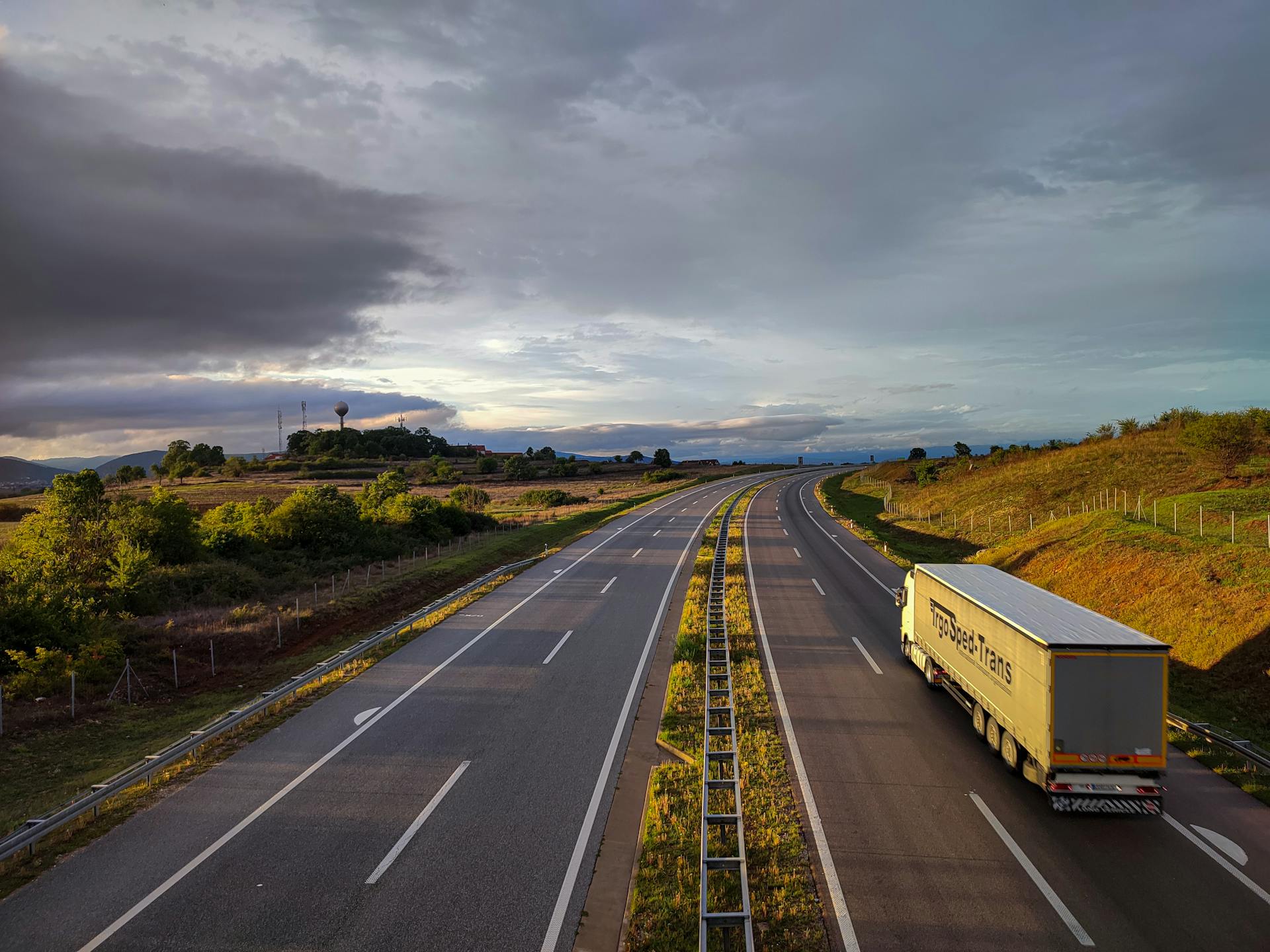
Anchorage to Whittier Truck Dispatch
Freight route connecting Anchorage, AK to Whittier, AK (60 miles). A key Alaska Railroad port terminal connecting Anchorage to rail-based freight distribution.
What do truck dispatch rates run from Anchorage to Whittier?
Anchorage to Whittier is a 60-mile lane paying about $174 - $210 per load, near $2.90 - $3.50 a mile. Freight is mostly rail-barge freight, cruise-connected freight and consumer goods.
- Distance
- 60 miles
- Avg. rate / load
- $174 - $210
- Rate per mile
- $2.90 - $3.50
- Transit time
- Same day / 1.5 hrs
- Deadhead risk
- 15-20%
Lane rates reviewed September 2026. These numbers follow 2026 spot-market pricing for a short, high-rate-per-mile lane. See our dispatch fee structure.
Anchorage to Whittier
Anchorage to Whittier is a short, 60-mile run southeast via the Seward Highway and the Anton Anderson Memorial Tunnel, into Alaska's only ice-free, year-round deepwater port with rail access. The rail branch interchanges freight railcars with the Lower 48 via rail barges sailing to Harbor Island, Seattle, making Whittier the state's key link for rail-barge freight to the contiguous US.
Origin
Anchorage, AK
Destination
Whittier, AK
Distance
60 miles
Transit Time
Same day / 1.5 hrs
Average Rate
$174 - $210
Rate per Mile
$2.90 - $3.50
60-mile lane via the Anton Anderson Memorial Tunnel
Whittier is Alaska's only ice-free, year-round deepwater port with rail access
Whittier's rail branch interchanges freight railcars with the Lower 48 via rail barges to Seattle
Anchorage to Whittier: route facts a driver should know
The Whittier tunnel is one lane and runs on a schedule
The Anton Anderson Memorial Tunnel, the only road access to Whittier, is a single-lane, 2.5-mile tunnel shared with train traffic. Under the current schedule, traffic leaving Whittier is released on the hour and traffic entering Whittier from the Anchorage side is released on the half-hour.
Source: Alaska Department of Transportation and Public Facilities, Whittier Tunnel schedule. Checked 29 Sep 2026.
It's the longest highway tunnel in North America
At 2.5 miles, the Anton Anderson Memorial Tunnel is the longest highway tunnel in North America, and the first ever built to withstand temperatures down to -40°F and winds up to 150 mph.
Source: Alaska.org, Whittier Tunnel guide. Checked 29 Sep 2026.
Diesel for this lane
How much is the diesel for Anchorage to Whittier?
About $68.25 this week. The lane is 60 miles. A truck that gets 6.5 miles per gallon uses about 9 gallons, and diesel is averaging $7.39 a gallon on this lane (week of October 19, 2026). The U.S. average diesel price is up 10 cents this week.
An estimate. It uses EIA's weekly average for this region, not the price at each pump. Your mpg and fuel card discounts change it.
- Distance
- 60 mi
- Diesel needed
- 9 gal
- Price used
- $7.39/gal
- Fuel cost
- $68.25
Common Freight Types
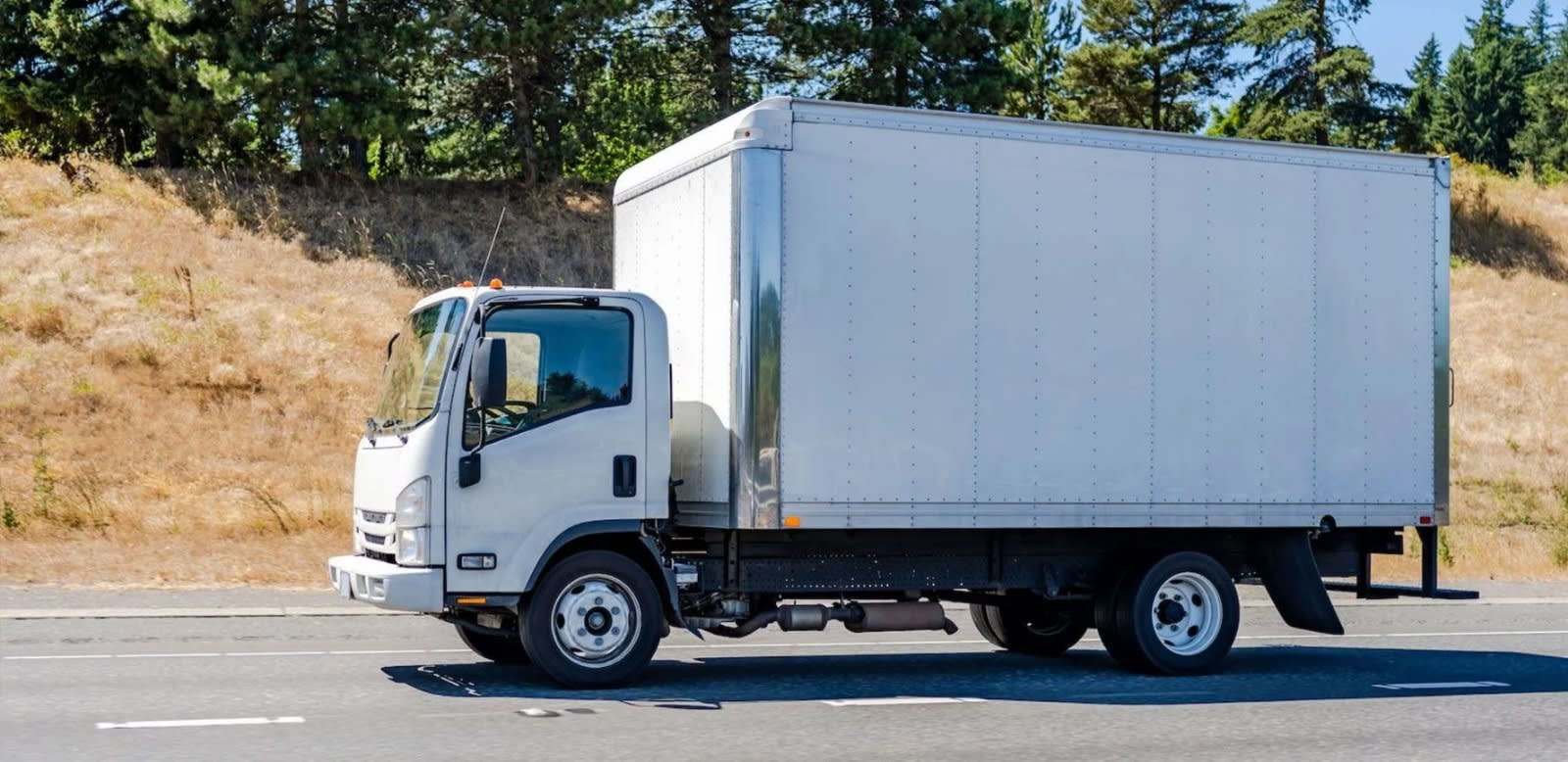
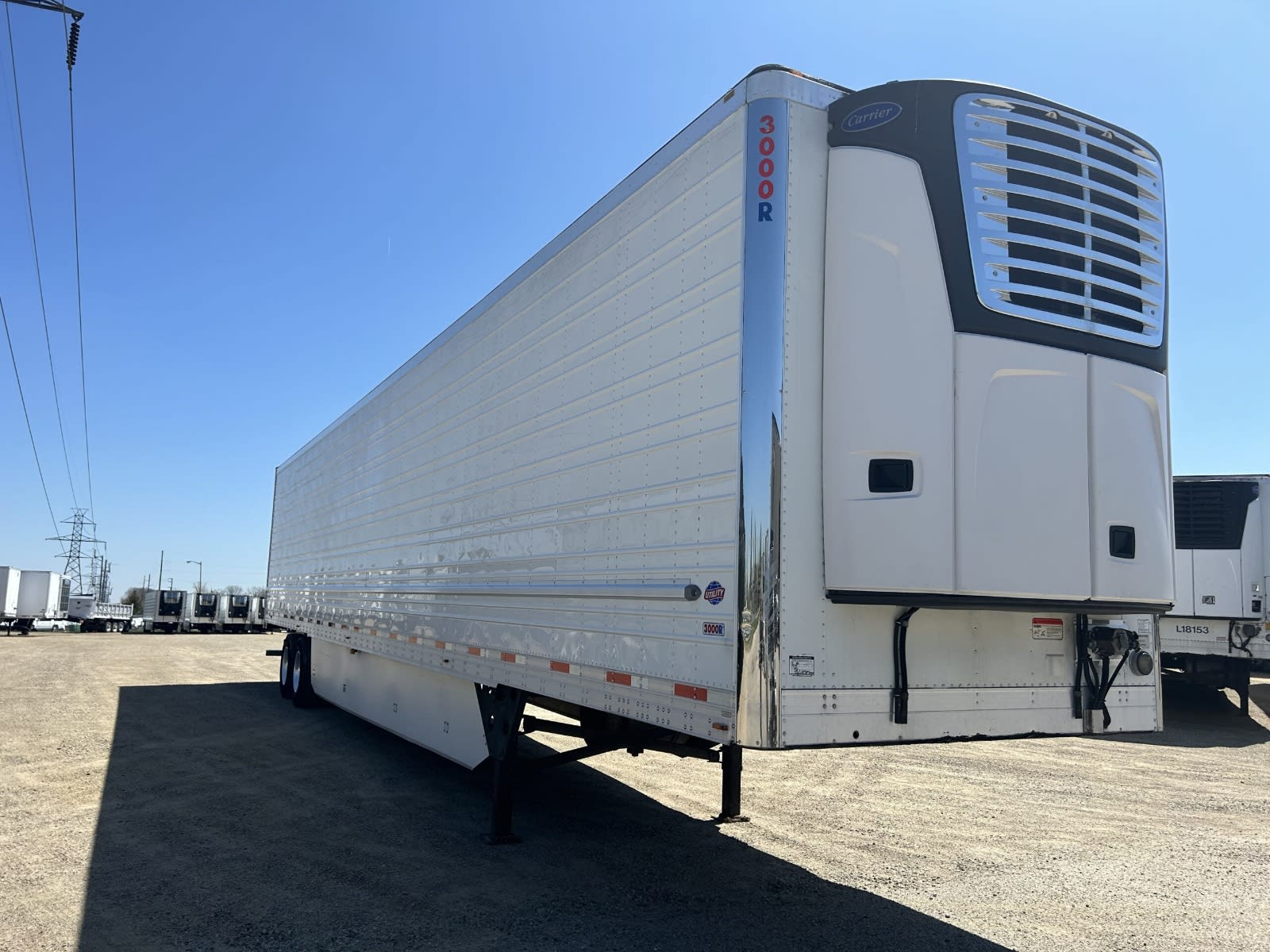
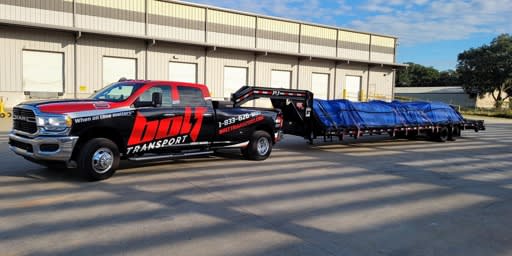
Rail-barge freight, cruise-connected freight and consumer goods fill the trailers heading southeast.
- Containerized Cargo
- Bulk Commodities
- Consumer Goods
What makes the Anchorage to Whittier lane difficult?
The Anton Anderson Tunnel is single-lane and shared with the railroad, requiring scheduled access
The Anton Anderson Tunnel is single-lane and shared with the railroad, requiring scheduled access.
A short lane keeps per-load rates in a tighter range
A short lane keeps per-load rates in a tighter range.
Port and rail congestion has prompted a new 2025 'Whittier Moves' transportation master plan to address capacity
Port and rail congestion has prompted a new 2025 'Whittier Moves' transportation master plan to address capacity.
What freight moves on the Anchorage to Whittier lane?
What travels between Anchorage and Whittier, and why the rail-barge connection matters here.
Primary Commodities
- •Containerized Cargo
- •Bulk Commodities
- •Consumer Goods
Secondary Commodities
- •Rail-barge freight (Lower 48 connection)
- •Cruise-connected freight
- •Consumer goods
Seasonal Cargo
Peak seasons for this lane:
- •Rail-barge freight (steady)
- •Cruise-connected freight (summer season)
- •Consumer goods (steady)
When is the Anchorage to Whittier lane busiest?
Steady rail-barge freight keeps this lane busy year-round.
Q1 (Jan-Mar): Slow Period?
Little seasonal dip; Whittier's ice-free port keeps rail-barge freight steady through winter.
Q4 (Oct-Dec): Peak Period?
Consumer goods climb from October through December.
Produce Season?
Not a major factor on this lane.
- •Steady rail-barge freight year-round
- •Summer cruise and tourism season
- •Winter port operations (ice-free advantage)
Hurricane Risk?
None. Tunnel scheduling and rail-yard congestion are this corridor's real operational factors.
Seasonal Strategy Summary
Whittier's port and tourism-connected freight peaks in the summer cruise season, with steadier general freight the rest of the year, all still governed by the tunnel's fixed schedule.
How do I negotiate the best rate on the Anchorage to Whittier lane?
When to book, who pays extra, and which loads need tunnel-scheduling awareness.
When to Book
Suggested booking window:
Same-day to 1-2 days out is typical for this short, fast-turning lane.
What Brokers Pay More
Loads that command more:
Time-critical rail-barge-connected freight tends to pay a premium.
When to Avoid
Loads to price carefully:
Be careful committing to a tight window without confirming Anton Anderson Tunnel access scheduling.
Rate Negotiation Tips for Anchorage to Whittier
- •
Time your arrival to the Whittier tunnel's release schedule. Missing your slot means waiting up to an hour for the next one.
- •
Confirm whether you're entering or leaving Whittier, since the release times run on different halves of the hour each direction.
- •
This is a short lane, but the tunnel schedule, not distance, sets your real transit time.
How do I find a backhaul load on the Anchorage to Whittier lane?
Whittier's unique rail-barge connection to the Lower 48 makes a return load realistic.
Best Return Cities
Where to look for the return load:
- •Whittier, AK
- •Regional distribution hubs near Whittier
Deadhead Risk %
Deadhead risk on this lane: 15-20%
As Alaska's only ice-free, year-round deepwater port with rail access, Whittier gives real backhaul variety.
Alternative Routes
If the first load falls through, try these:
- •Return to Anchorage for the deepest market, use Seward for marine/seafood freight, or use Kenai for a longer peninsula reload.
Backhaul Optimization Tips
- •
Whittier's port and rail connections give this small town real backhaul freight despite its size.
- •
Check the tunnel's current release schedule for your return trip before you plan a tight turnaround.
- •
A same-day round trip is realistic here if you time both tunnel passages correctly.
What do experienced dispatchers know about the Anchorage to Whittier lane?
Three notes before this short run.
Check the Anton Anderson Tunnel's scheduled access times before departing; it's shared with rail traffic.
This lane pairs well with a same-day return load; line one up before you leave Anchorage.
Confirm current port and rail-yard congestion given ongoing capacity planning.
Before you book Anchorage to Whittier, check the current tunnel release schedule and confirm which direction's timing applies to your trip.
Anchorage to Whittier Lane FAQs
Answers on drive time, the Anton Anderson Tunnel, and the rail-barge connection.
The lane data shows about $174 - $210 per load, or $2.90 - $3.50 a mile, across 60 miles.
It's Alaska's only ice-free, year-round deepwater port with rail access, connecting to the Lower 48 via rail barges to Seattle.
A single-lane tunnel shared with the railroad that requires scheduled access to reach Whittier.
Reasonably, given the port's unique rail-barge connection to the Lower 48.
Other Alaska freight lanes we dispatch
- Anchorage to Wasilla
- Anchorage to Los Angeles
- Anchorage to Homer
- Anchorage to Healy
- Anchorage to Fairbanks
- Anchorage to Prudhoe Bay / Deadhorse
Local resources
Dry Van owner-operator, West Coast: +$2,010/week after moving to $2.62/mi on general freight / consumer goods freight.
Read the case studyNeed help running Anchorage, AK to Whittier, AK consistently?
Running Anchorage to Whittier often? Ask about a free custom growth plan.