
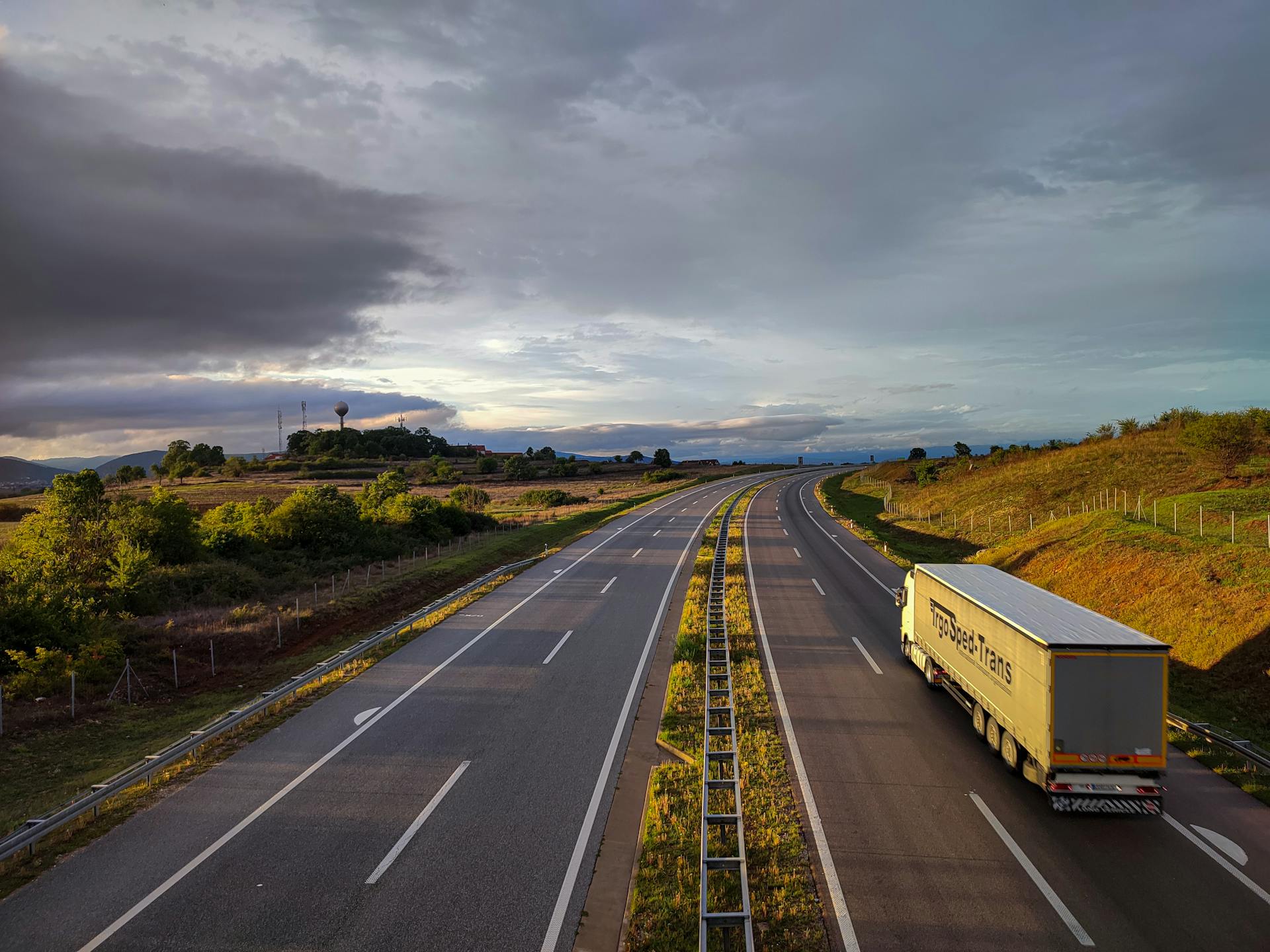
Anchorage to Los Angeles Truck Dispatch
Freight route from Anchorage, AK to Los Angeles, CA. A major destination for southbound Alaska seafood by refrigerated container.
What do truck dispatch rates run from Anchorage to Los Angeles?
Anchorage to Los Angeles is primarily an ocean container lane running near $2.30 - $2.80 a mile-equivalent, with transit typically 7-10 days. Freight is mostly consumer goods, port-connected freight and seafood exports.
- Transit time
- Ocean / 7-10 days
- Deadhead risk
- 15-20%
Lane rates reviewed September 2026. Pricing on this lane depends on ocean container sailing schedules and capacity, not a fixed road distance. See our dispatch fee structure.
Anchorage to Los Angeles
Anchorage to Los Angeles runs primarily by ocean carrier rather than road, given the roughly 2,500-mile driving distance via the Alaska Highway and the availability of direct container service. Matson Navigation and TOTE Maritime Alaska both run regular container service connecting Anchorage's Don Young Port of Alaska, which handled 5.5 million tons of freight in 2025, to West Coast ports including Los Angeles.
Origin
Anchorage, AK
Destination
Los Angeles, CA
Transit Time
Ocean / 7-10 days
Typically moved by ocean container service, roughly 7-10 days transit
The Don Young Port of Alaska handled 5.5 million tons of fuel and freight in 2025
Matson Navigation and TOTE Maritime Alaska both run regular Alaska-West Coast container service
Anchorage to Los Angeles: route facts a driver should know
There is no direct road route. This lane moves by ocean carrier
No direct road connects Anchorage to Los Angeles; freight moves via ocean carrier or a combination of Alaska ferry/barge service plus mainland trucking. Confirm which carrier and routing your specific freight uses before quoting a transit time.
Source: Port of Alaska (Don Young Port of Alaska). Checked 29 Sep 2026.
About half of Alaska's inbound cargo crosses Anchorage docks first
About half of all Alaska's inbound cargo crosses the Port of Alaska in Anchorage before moving onward, a pattern that also applies to outbound freight connecting toward West Coast ports like Los Angeles.
Source: Port of Alaska (Don Young Port of Alaska). Checked 29 Sep 2026.
Common Freight Types
Consumer goods, port-connected freight and seafood exports fill the containers moving between Anchorage and Los Angeles.
- Seafood (southbound)
- Processed Fish Products
- Consumer Goods (northbound)
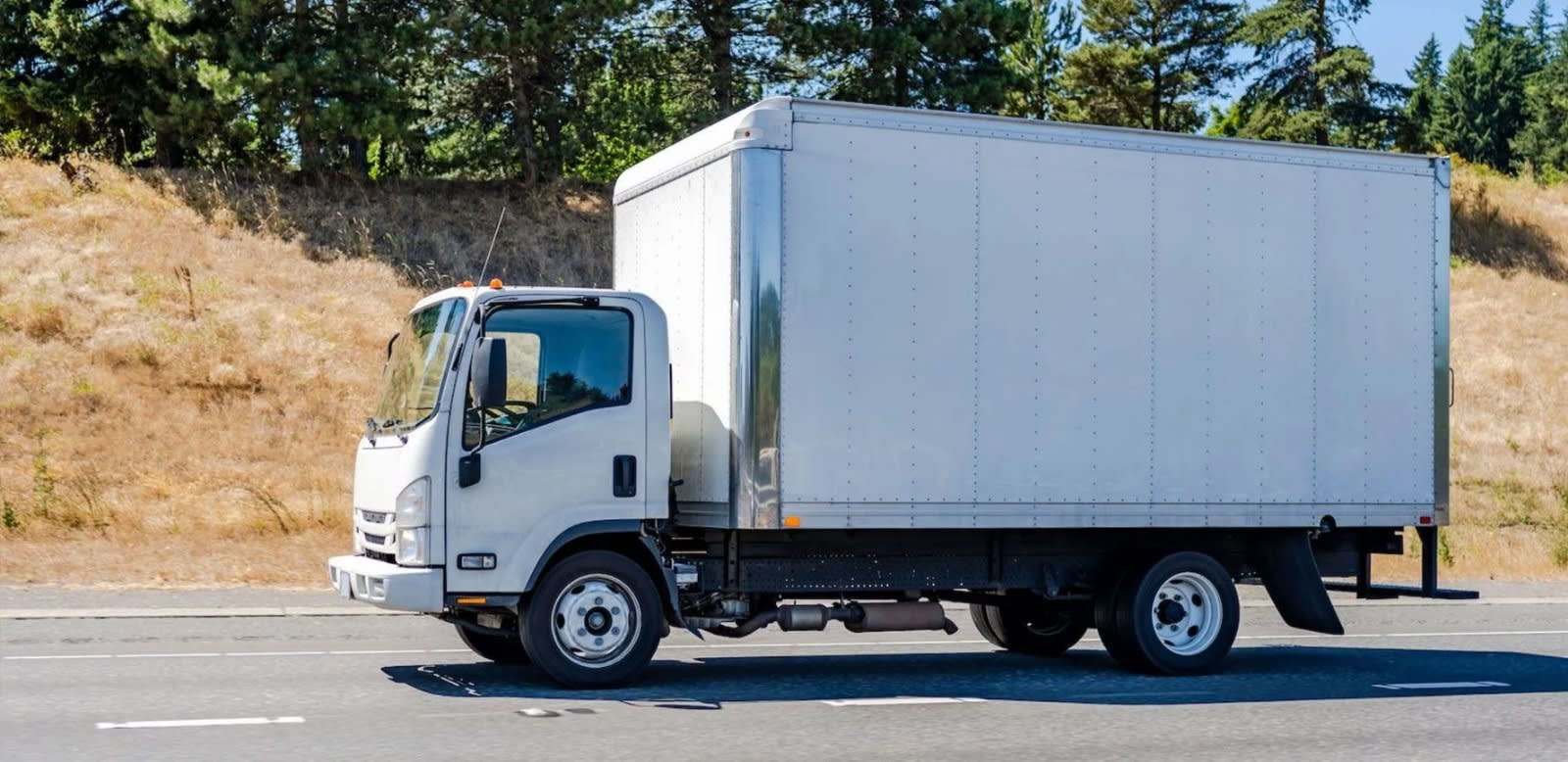
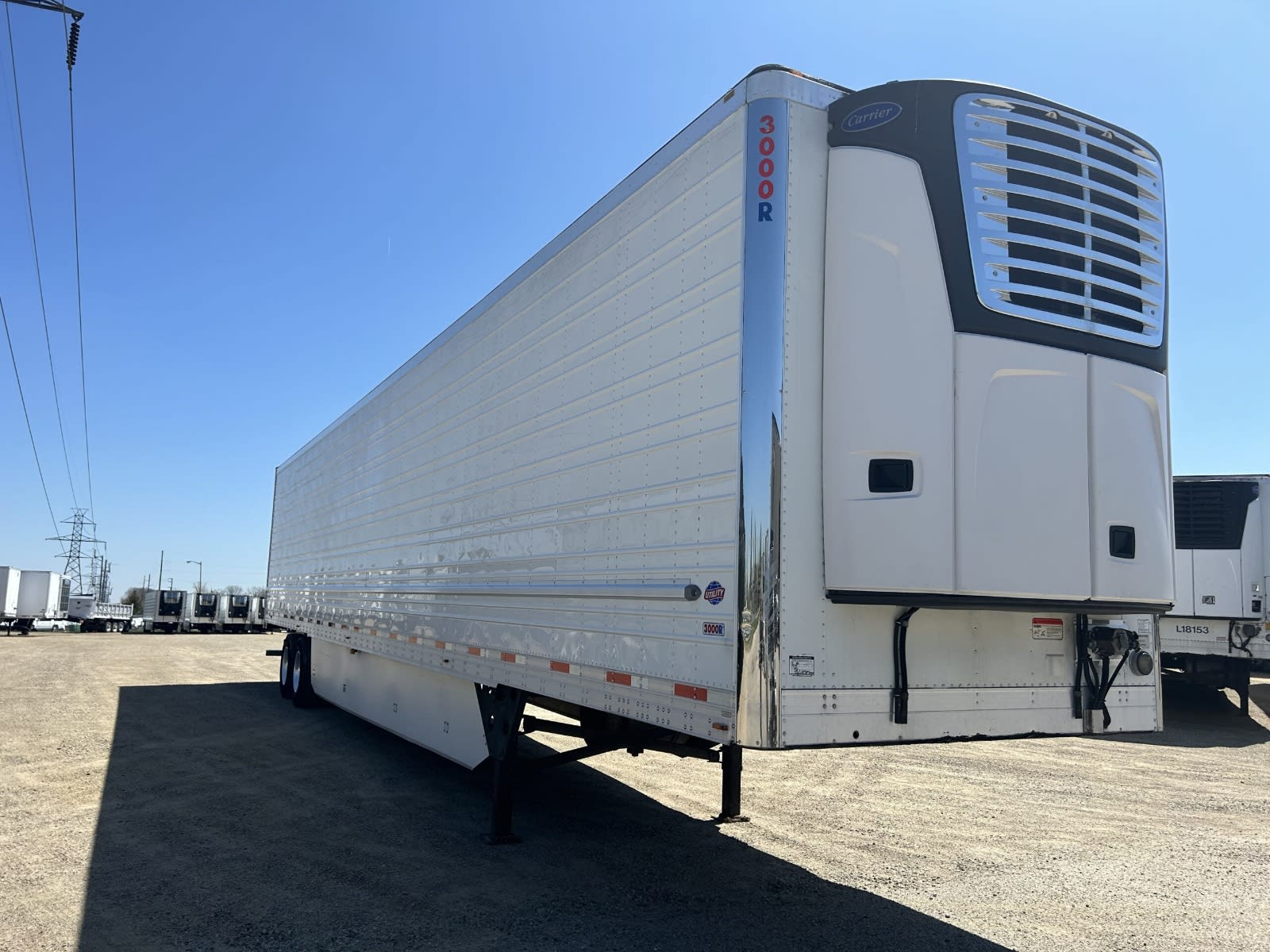
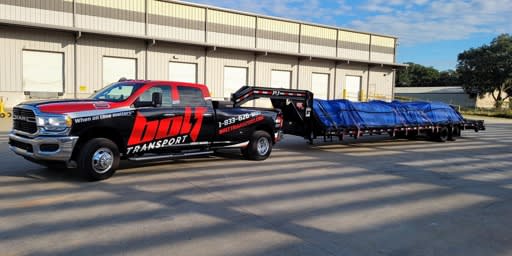
What makes the Anchorage to Los Angeles lane difficult?
This route is not typically run by direct long-haul trucking given the distance and available ocean service
This route is not typically run by direct long-haul trucking given the distance and available ocean service.
Ocean transit takes considerably longer than a comparable Lower 48 truck route
Ocean transit takes considerably longer than a comparable Lower 48 truck route.
Freight typically needs to be planned around container-vessel sailing schedules rather than daily truck dispatch
Freight typically needs to be planned around container-vessel sailing schedules rather than daily truck dispatch.
What freight moves on the Anchorage to Los Angeles lane?
What moves between Anchorage and Los Angeles, and why this runs by ocean carrier.
Primary Commodities
- •Seafood (southbound)
- •Processed Fish Products
- •Consumer Goods (northbound)
Secondary Commodities
- •Port of Alaska import/export cargo
- •Consumer goods
- •Seafood exports
Seasonal Cargo
Peak seasons for this lane:
- •Consumer goods (holiday surge)
- •Port-connected freight (steady)
- •Seafood exports (seasonal)
When is the Anchorage to Los Angeles lane busiest?
Retail timing and Alaska's seafood export season both shape this lane.
Q1 (Jan-Mar): Slow Period?
A modest dip after the holidays, cushioned by steady port-connected freight.
Q4 (Oct-Dec): Peak Period?
Consumer goods and port import volume both climb from October through December.
Produce Season?
A modest factor tied to Alaska's seafood export season.
- •Q4 holiday retail season
- •Steady port-connected freight year-round
- •Summer resupply season
Hurricane Risk?
None for this ocean route, though Gulf of Alaska winter storms can affect sailing schedules.
Seasonal Strategy Summary
Freight on this multi-leg lane runs fairly steady year-round, tied more to ocean-carrier schedules than to Alaska's own seasonal road conditions.
How do I negotiate the best rate on the Anchorage to Los Angeles lane?
When to book, who pays extra, and which loads need ocean scheduling.
When to Book
Suggested booking window:
Book ocean container capacity well ahead given sailing-schedule constraints.
What Brokers Pay More
Loads that command more:
Time-critical seafood export freight can command a premium during peak season.
When to Avoid
Loads to price carefully:
Be careful assuming a road-trip timeline for this route; ocean transit runs on a different schedule entirely.
Rate Negotiation Tips for Anchorage to Los Angeles
- •
Confirm the exact carrier and routing for this lane before quoting a rate. There's no single standard path between Anchorage and Los Angeles.
- •
Price in the reality of a multi-leg move (ocean plus trucking) rather than a straight point-to-point haul.
- •
Ask which West Coast transload point your freight passes through, since that affects total transit time.
How do I find a backhaul load on the Anchorage to Los Angeles lane?
Los Angeles's port scale makes a return load realistic for connecting inland freight.
Best Return Cities
Where to look for the return load:
- •Los Angeles, CA
- •Regional distribution hubs near Los Angeles
Deadhead Risk %
Deadhead risk on this lane: 15-20%
With Matson and TOTE both running established Alaska-West Coast container service, there is real backhaul variety.
Alternative Routes
If the first load falls through, try these:
- •Use Tacoma/Seattle as the main West Coast gateway and Portland as an alternative. After the Los Angeles delivery, reload in Southern California. Don't return empty north.
Backhaul Optimization Tips
- •
Los Angeles's massive port and distribution complex gives this lane's mainland leg strong backhaul options.
- •
Confirm drayage connections at whichever West Coast port your Alaska freight transloads through.
- •
Book return capacity with real lead time given the multi-leg nature of this route.
What do experienced dispatchers know about the Anchorage to Los Angeles lane?
Three notes before booking this ocean route.
Confirm current Matson or TOTE sailing schedules before committing to a delivery window.
Plan for a 7-10 day ocean transit rather than a road-trip timeline.
Consider whether your freight is better suited to direct ocean container service than a road-and-ferry combination.
Before you book Anchorage to Los Angeles, confirm the exact carrier and transload routing, since there is no direct road or single standard path for this lane.
Anchorage to Los Angeles Lane FAQs
Answers on why this is an ocean lane, transit time, and booking.
The roughly 2,500-mile driving distance via the Alaska Highway makes established ocean container service (Matson, TOTE) the more practical option for most freight.
Typically 7-10 days.
Pricing runs near $2.30 - $2.80 a mile-equivalent; the full move is quoted by container given the ocean-carrier component.
Reasonably, given established Alaska-West Coast container service through the port.
Other Alaska freight lanes we dispatch
- Anchorage to Whittier
- Anchorage to Tacoma
- Anchorage to Wasilla
- Anchorage to Homer
- Anchorage to Healy
- Anchorage to Fairbanks
Local resources
Also serving the other end of this lane
Reefer owner-operator, Northeast: +$2,100/week after moving to $2.75/mi on produce / pharmaceutical / seafood freight.
Read the case studyNeed help running Anchorage, AK to Los Angeles, CA consistently?
Running Anchorage to Los Angeles often? Ask about a free custom growth plan.