
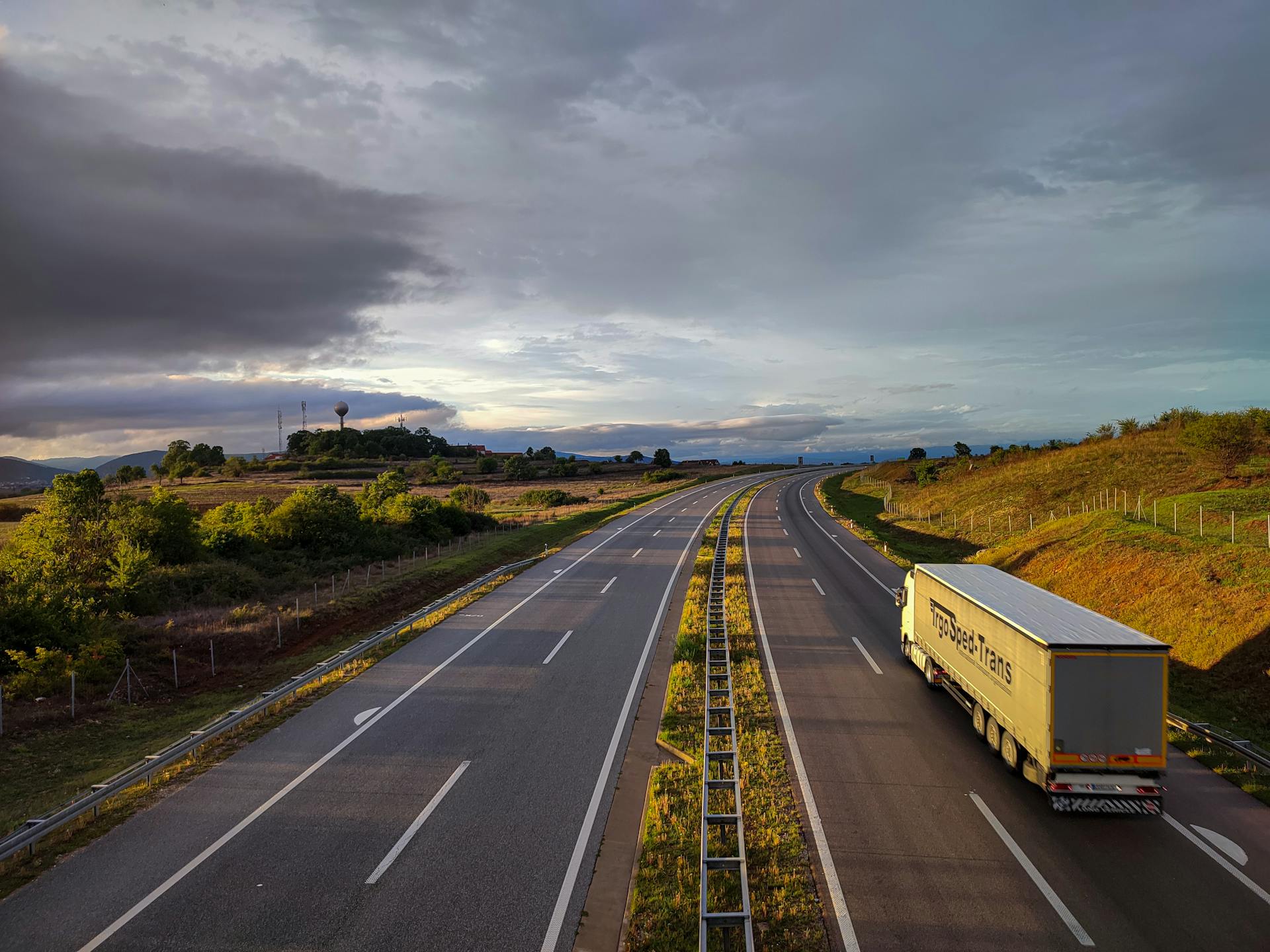
Anchorage to Fairbanks Truck Dispatch
Freight route connecting Anchorage, AK to Fairbanks, AK (360 miles). The core Railbelt corridor connecting Alaska's two largest cities via the Parks Highway.
What do truck dispatch rates run from Anchorage to Fairbanks?
Anchorage to Fairbanks is a 360-mile lane paying about $1,008 - $1,224 per load, near $2.80 - $3.40 a mile. Freight is mostly consumer goods, military-connected freight and fuel products.
- Distance
- 360 miles
- Avg. rate / load
- $1,008 - $1,224
- Rate per mile
- $2.80 - $3.40
- Transit time
- 1 day
- Deadhead risk
- 15-20%
Lane rates reviewed September 2026. These numbers follow 2026 spot-market pricing and shift with fuel prices and winter conditions. See our dispatch fee structure.
Anchorage to Fairbanks
Anchorage to Fairbanks is a 360-mile, roughly 6-hour run north on the Parks Highway (AK-3), Alaska's two biggest cities connected by the state's main trucking artery. Fairbanks anchors Fort Wainwright, home to about 8,000 soldiers, and nearby Eielson Air Force Base recently completed its F-35A Lightning II fleet beddown with a $500 million-plus infrastructure buildout finished in 2025.
Origin
Anchorage, AK
Destination
Fairbanks, AK
Distance
360 miles
Transit Time
1 day
Average Rate
$1,008 - $1,224
Rate per Mile
$2.80 - $3.40
360-mile lane, about 6 hours on the Parks Highway
Fort Wainwright hosts about 8,000 soldiers near Fairbanks
Eielson AFB completed a $500 million-plus F-35A infrastructure buildout in 2025
Anchorage to Fairbanks: route facts a driver should know
The Parks Highway is your only paved route
The George Parks Highway is the sole paved road link between Anchorage and Fairbanks. There is no alternate route if it closes for weather or an accident, so check current conditions before you commit to a tight delivery window.
Source: Alaska Department of Transportation and Public Facilities. Checked 29 Sep 2026.
The Alaska Railroad hauls freight parallel to your route
Freight is the Alaska Railroad's largest single revenue source, generating close to half of its operating revenue. The railroad moved nearly 3.9 million tons of freight in 2025 along a route that runs close to the Parks Highway between Anchorage and Fairbanks.
Source: Alaska Railroad, 2025 Business Fact Sheet, Freight Services. Checked 29 Sep 2026.
A long lane: plan for a real HOS break
FMCSA requires a 30-minute break after 8 cumulative hours of driving without one. This 360-mile lane runs close to 6 hours in good conditions, longer in winter, so plan your break and check weather before you leave.
Source: FMCSA, Summary of Hours of Service Regulations. Checked 29 Sep 2026.
Diesel for this lane
How much is the diesel for Anchorage to Fairbanks?
About $409.51 this week. The lane is 360 miles. A truck that gets 6.5 miles per gallon uses about 55 gallons, and diesel is averaging $7.39 a gallon on this lane (week of October 19, 2026). The U.S. average diesel price is up 10 cents this week.
An estimate. It uses EIA's weekly average for this region, not the price at each pump. Your mpg and fuel card discounts change it.
- Distance
- 360 mi
- Diesel needed
- 55 gal
- Price used
- $7.39/gal
- Fuel cost
- $409.51
Common Freight Types
Consumer goods, military-connected freight and fuel products fill the trailers heading north.
- General Consumer Goods
- Building Materials
- Oilfield Equipment
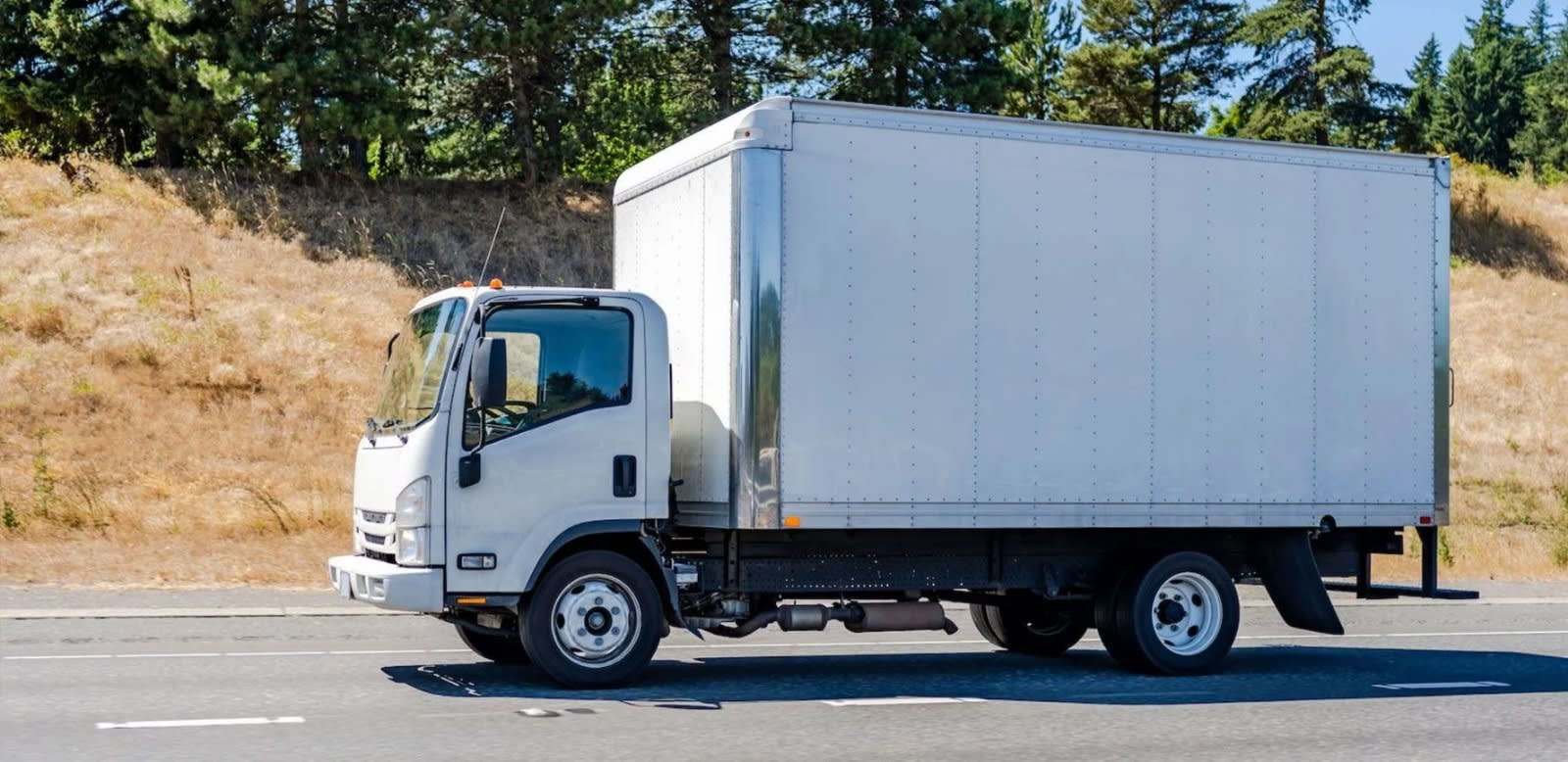
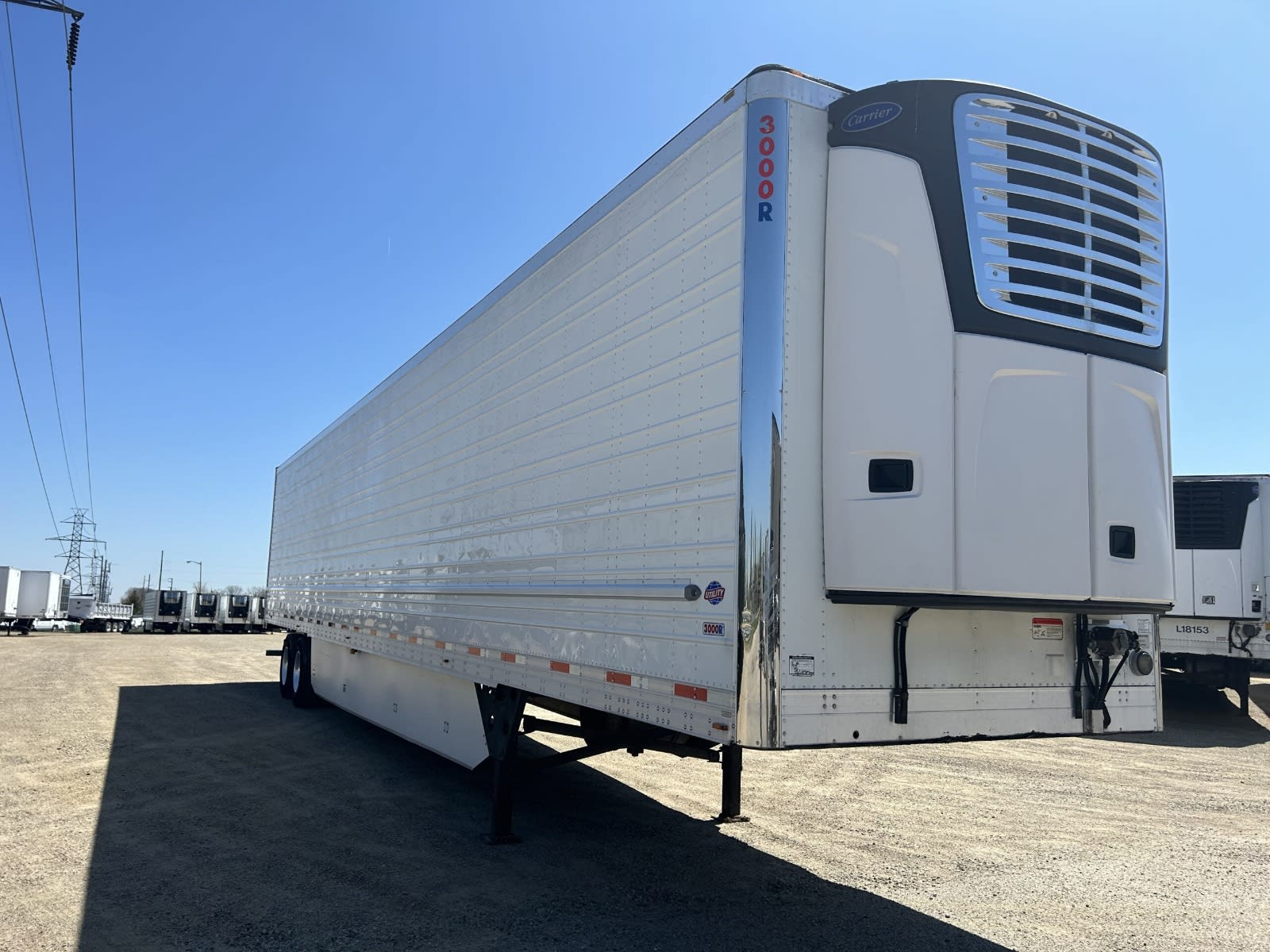
What makes the Anchorage to Fairbanks lane difficult?
Winter temperatures can drop well below zero, affecting equipment and driver safety
Winter temperatures can drop well below zero, affecting equipment and driver safety.
The route crosses long stretches with limited services
The route crosses long stretches with limited services.
Military-base deliveries can require security clearance or advance scheduling
Military-base deliveries can require security clearance or advance scheduling.
What freight moves on the Anchorage to Fairbanks lane?
What travels between Anchorage and Fairbanks, and why the military bases matter here.
Primary Commodities
- •General Consumer Goods
- •Building Materials
- •Oilfield Equipment
Secondary Commodities
- •Military-connected freight (Fort Wainwright, Eielson AFB)
- •Refined fuel products (North Pole refinery)
- •Consumer goods
Seasonal Cargo
Peak seasons for this lane:
- •Consumer goods (summer peak)
- •Military-connected freight (steady)
- •Fuel products (steady)
When is the Anchorage to Fairbanks lane busiest?
Winter resupply and steady military freight both shape this lane.
Q1 (Jan-Mar): Slow Period?
Winter cold can slow non-essential freight, though military and fuel-distribution freight stays steady.
Q4 (Oct-Dec): Peak Period?
Freight builds ahead of winter as residents and bases stock up before the coldest months.
Produce Season?
Not a major factor on this lane.
- •Summer construction and tourism season
- •Winter military and fuel-distribution freight
- •Fall resupply before winter
Hurricane Risk?
None. Extreme cold and winter road conditions are this corridor's real seasonal risk.
Seasonal Strategy Summary
Freight on this lane runs steady through summer and slows some in deep winter, when Parks Highway conditions add real hours to the drive.
How do I negotiate the best rate on the Anchorage to Fairbanks lane?
When to book, who pays extra, and which loads need cold-weather planning.
When to Book
Suggested booking window:
1-2 days out is typical for this haul.
What Brokers Pay More
Loads that command more:
Time-critical military-connected freight tends to pay a premium.
When to Avoid
Loads to price carefully:
Be careful committing to a fast winter delivery without confirming cold-weather equipment readiness.
Rate Negotiation Tips for Anchorage to Fairbanks
- •
Check current Parks Highway conditions before you commit to a tight delivery window. There's no alternate paved route if it closes.
- •
Winter driving adds real hours to this lane. Price accordingly rather than assuming summer transit times year-round.
- •
This lane runs close to 6 hours, so plan your required HOS break into the schedule.
How do I find a backhaul load on the Anchorage to Fairbanks lane?
Fairbanks's military and fuel-refining base makes a southbound load realistic.
Best Return Cities
Where to look for the return load:
- •Fairbanks, AK
- •Regional distribution hubs near Fairbanks
Deadhead Risk %
Deadhead risk on this lane: 15-20%
Fort Wainwright, Eielson AFB and the North Pole refinery all add backhaul options.
Alternative Routes
If the first load falls through, try these:
- •Fairbanks is the main reload hub. Palmer/Wasilla offers Mat-Su freight, and Anchorage offers the broadest return market.
Backhaul Optimization Tips
- •
Fairbanks has a real, if smaller, freight base tied to the university, the military and regional distribution. Ask brokers what's moving south.
- •
The Alaska Railroad runs freight parallel to this route, so rail-connected reload options are worth asking about too.
- •
Book your Fairbanks-area return load with extra lead time in winter, since weather can delay pickup.
What do experienced dispatchers know about the Anchorage to Fairbanks lane?
Three notes before this Railbelt run.
Prepare for extreme cold-weather driving conditions in winter.
Carry extra supplies given the long stretches between services.
Confirm any security or scheduling requirements before a military-base delivery.
Before you book Anchorage to Fairbanks, check current Parks Highway conditions, especially outside the summer months.
Anchorage to Fairbanks Lane FAQs
Answers on drive time, Fairbanks's military bases, and winter driving.
The lane data shows about $1,008 - $1,224 per load, or $2.80 - $3.40 a mile, across 360 miles.
Fort Wainwright hosts about 8,000 soldiers, and Eielson AFB recently completed a $500 million-plus F-35A infrastructure buildout.
About 6 hours for the 360 miles on the Parks Highway.
Reasonably, given the military bases and the North Pole refinery's fuel-distribution freight.
Other Alaska freight lanes we dispatch
- Anchorage to Prudhoe Bay / Deadhorse
- Anchorage to Healy
- Anchorage to Kenai
- Anchorage to Seward
- Anchorage to Valdez
- Anchorage to Juneau
Local resources
Dry Van owner-operator, West Coast: +$2,010/week after moving to $2.62/mi on general freight / consumer goods freight.
Read the case studyNeed help running Anchorage, AK to Fairbanks, AK consistently?
Running Anchorage to Fairbanks often? Ask about a free custom growth plan.