
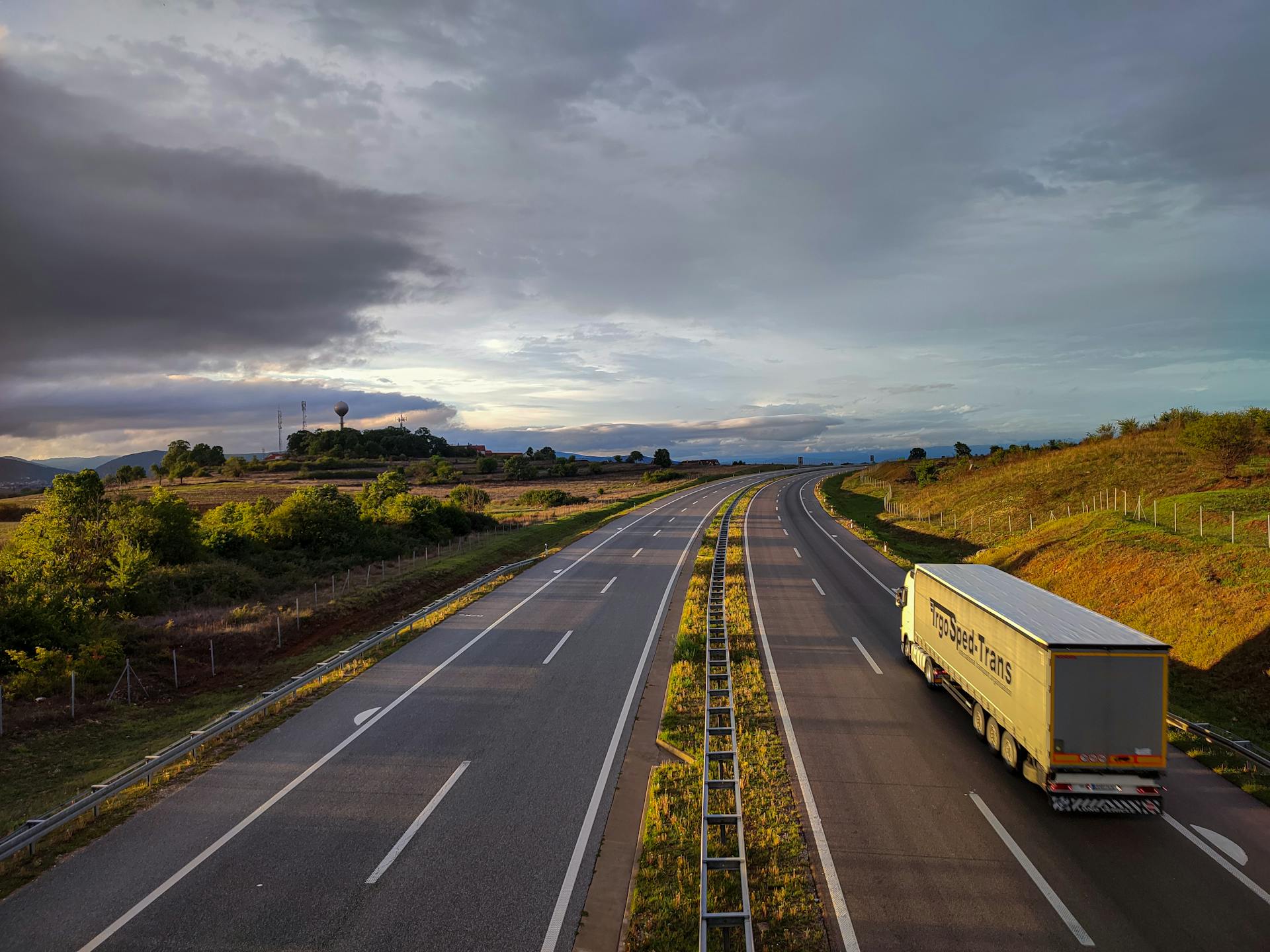
Charleston to Baltimore Truck Dispatch
Freight route connecting Charleston, WV to Baltimore, MD (370 miles). The Port of Baltimore and Mid-Atlantic distribution network via I-68/I-70.
What do truck dispatch rates run from Charleston to Baltimore?
Charleston to Baltimore is a 370-mile lane paying about $907 - $1,055 per load, near $2.45 - $2.85 a mile. Freight is mostly consumer goods, port-connected freight and chemical-manufacturing freight.
- Distance
- 370 miles
- Avg. rate / load
- $907 - $1,054
- Rate per mile
- $2.45 - $2.85
- Transit time
- 1 day
- Deadhead risk
- 20-25%
Lane rates reviewed September 2026. These numbers follow 2026 spot-market pricing for this Mid-Atlantic corridor. See our dispatch fee structure.
Charleston to Baltimore
Charleston to Baltimore is a 370-mile, roughly 6-hour run northeast, connecting West Virginia's chemical-manufacturing hub to a port coming off its second-best year ever. The Port of Baltimore handled 50 million tons of cargo and a record 1,113,309 TEUs in 2025, recovering strongly after the 2024 Key Bridge collapse, with a rail tunnel modernization completing in 2026 to enable double-stacked container trains.
Origin
Charleston, WV
Destination
Baltimore, MD
Distance
370 miles
Transit Time
1 day
Average Rate
$907 - $1,054
Rate per Mile
$2.45 - $2.85
370-mile lane, about 6 hours northeast
The Port of Baltimore handled 50 million tons of cargo in 2025, its second-best year ever
Baltimore moved a record 1,113,309 TEUs in 2025, topping the prior 2023 record
Charleston to Baltimore: route facts a driver should know
The Port of Baltimore is America's top Ro/Ro port
The Port of Baltimore is the number-one US port for roll-on/roll-off cargo, handling 887,513 tons of farm and construction equipment in 2025, up 6% from the year before, plus 728,225 autos and light trucks.
Source: Maritime Executive, Port of Baltimore performance coverage. Checked 30 Sep 2026.
Charleston sits in West Virginia's 'Chemical Valley'
The Kanawha Valley around Charleston is nationally known as Chemical Valley, one of the country's most concentrated chemical-manufacturing corridors.
Source: Advantage Valley, chemical and polymer manufacturers overview. Checked 30 Sep 2026.
Diesel for this lane
How much is the diesel for Charleston to Baltimore?
About $348.60 this week. The lane is 370 miles. A truck that gets 6.5 miles per gallon uses about 57 gallons, and diesel is averaging $6.12 a gallon on this lane (week of October 19, 2026). The U.S. average diesel price is up 10 cents this week.
An estimate. It uses EIA's weekly average for the two regions this lane connects, not the price at each pump. Your mpg and fuel card discounts change it.
- Distance
- 370 mi
- Diesel needed
- 57 gal
- Price used
- $6.12/gal
- Fuel cost
- $348.60
Common Freight Types
Consumer goods, port-connected freight and chemical-manufacturing freight fill the trailers heading northeast.
- Containerized Cargo
- Consumer Goods
- Chemicals
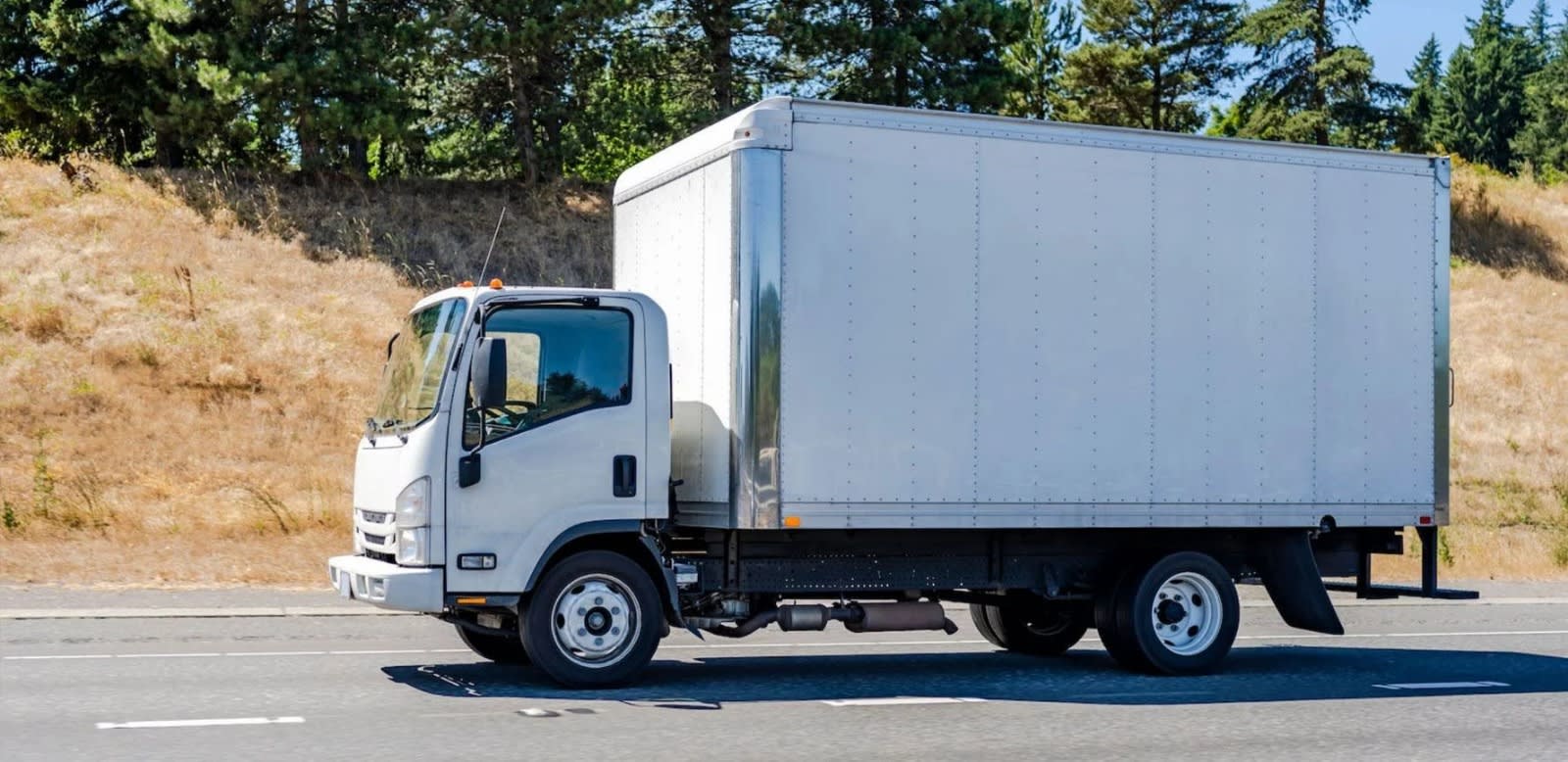
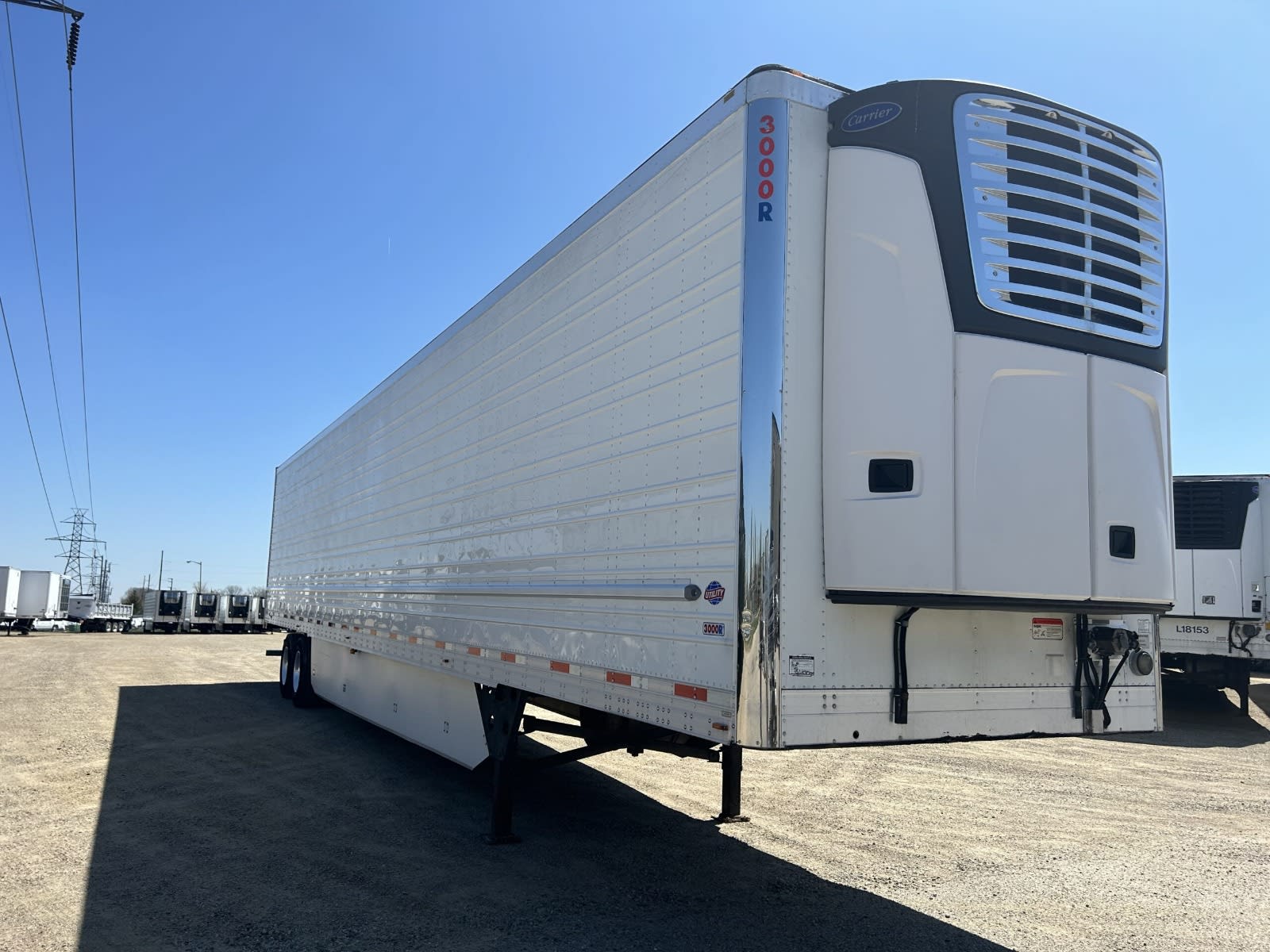
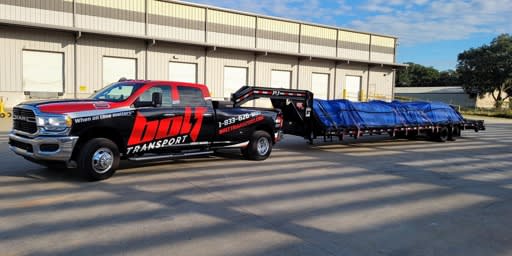
What makes the Charleston to Baltimore lane difficult?
A cross-region run this long requires careful hours-of-service planning
A cross-region run this long requires careful hours-of-service planning.
I-95 through the DC-Baltimore corridor can see heavy, unpredictable congestion
I-95 through the DC-Baltimore corridor can see heavy, unpredictable congestion.
Port capacity remains in a recovery phase following the 2024 Key Bridge collapse
Port capacity remains in a recovery phase following the 2024 Key Bridge collapse.
What freight moves on the Charleston to Baltimore lane?
What travels between Charleston and Baltimore, and why the port's record recovery matters here.
Primary Commodities
- •Containerized Cargo
- •Consumer Goods
- •Chemicals
Secondary Commodities
- •Port import-connected freight (Port of Baltimore)
- •Chemical-manufacturing-connected freight
- •Consumer goods
Seasonal Cargo
Peak seasons for this lane:
- •Consumer goods (holiday import surge)
- •Port-connected freight (steady, record recovery)
- •Chemical-manufacturing freight (steady)
When is the Charleston to Baltimore lane busiest?
Import timing and steady recovery-driven freight both shape this lane.
Q1 (Jan-Mar): Slow Period?
A modest dip after the holidays as import volume normalizes.
Q4 (Oct-Dec): Peak Period?
Import-connected freight climbs sharply ahead of the holidays.
Produce Season?
Not a major factor on this lane.
- •Q4 holiday import season
- •Steady port-connected freight through the ongoing recovery
- •Summer freight demand
Seasonal Strategy Summary
This lane runs fairly steady year-round, tracking the Port of Baltimore's consistent Ro/Ro and cargo volume.
How do I negotiate the best rate on the Charleston to Baltimore lane?
When to book, who pays extra, and which loads need a congestion buffer.
When to Book
Suggested booking window:
1-2 days out is typical for this haul.
What Brokers Pay More
Loads that command more:
Time-critical port import-connected freight tends to pay a premium.
When to Avoid
Loads to price carefully:
Be careful committing to a tight DC-Baltimore delivery window without a congestion buffer.
Rate Negotiation Tips for Charleston to Baltimore
- •
This is a long haul at 370 miles, so plan for a solid one-day trip.
- •
Baltimore's roll-on/roll-off cargo creates real flatbed and auto-hauler freight worth asking about.
- •
Tanker and hazmat freight is common on the Charleston end.
How do I find a backhaul load on the Charleston to Baltimore lane?
The Port of Baltimore's record recovery makes a southwestbound load realistic.
Best Return Cities
Where to look for the return load:
- •Baltimore, MD
- •Regional distribution hubs near Baltimore
Deadhead Risk %
Deadhead risk on this lane: 20-25%
With a record 1,113,309 TEUs moved in 2025 and a rail tunnel upgrade completing in 2026, there is real backhaul variety.
Alternative Routes
If the first load falls through, try these:
- •After delivery, look for reloads in Baltimore, Hagerstown, Frederick. The best targets are port containers, automotive, retail and food freight, plus nearby distribution, manufacturing, port, food, or farm facilities. If the main reload market is thin, reposition toward the nearest listed return city. Don't accept a long empty move.
Backhaul Optimization Tips
- •
Baltimore's equipment and auto-import volume gives flatbed and specialized carriers strong backhaul options.
- •
Charleston's chemical industry keeps westbound loads flowing too.
- •
Give yourself real recovery time after this run before your next dispatch.
What do experienced dispatchers know about the Charleston to Baltimore lane?
Three notes before this Mid-Atlantic port run.
Plan your hours-of-service and rest stops before this 6-hour run.
Build in extra time for I-95 congestion through the DC-Baltimore corridor.
Confirm current Port of Baltimore terminal status before a tight delivery appointment.
If your equipment fits, ask about Baltimore's Ro/Ro freight. It's a specialty most carriers on this lane don't think to check.
Charleston to Baltimore Lane FAQs
Answers on drive time, the Port of Baltimore's recovery, and congestion.
The lane data shows about $907 - $1,055 per load, or $2.45 - $2.85 a mile, across 370 miles.
Strongly; it handled 50 million tons of cargo and a record 1,113,309 TEUs in 2025, its second-best year ever.
About 6 hours for the 370 miles.
Yes, generally, given the port's record cargo recovery.
Other West Virginia freight lanes we dispatch
- Charleston to Louisville
- Charleston to Roanoke
- Charleston to Atlanta
- Charleston to Cleveland
- Charleston to Knoxville
- Charleston to Philadelphia
Local resources
Also serving the other end of this lane
Dry Van owner-operator, Midwest: +$1,950/week after moving to $2.65/mi on produce / auto parts freight.
Read the case studyNeed help running Charleston, WV to Baltimore, MD consistently?
Running Charleston to Baltimore often? Ask about a free custom growth plan.