

Charleston to Cleveland Truck Dispatch
Freight route connecting Charleston, WV to Cleveland, OH (265 miles). Cleveland's steel manufacturing base connects via I-77.
What do truck dispatch rates run from Charleston to Cleveland?
Charleston to Cleveland is a 265-mile lane paying about $663 - $769 per load, near $2.50 - $2.90 a mile. Freight is mostly consumer goods, port-connected freight and chemical-manufacturing freight.
- Distance
- 265 miles
- Avg. rate / load
- $662 - $768
- Rate per mile
- $2.50 - $2.90
- Transit time
- Same day / 4-5 hrs
- Deadhead risk
- 20-25%
Lane rates reviewed September 2026. These numbers follow 2026 spot-market pricing and shift with fuel prices and winter weather. See our dispatch fee structure.
Charleston to Cleveland
Charleston to Cleveland is a 265-mile, roughly 4.5-hour run north, connecting West Virginia's chemical-manufacturing hub to one of the largest ports on the Great Lakes. The Port of Cleveland supports more than 23,000 jobs and $7.07 billion in annual economic activity across roughly 13 million tons of cargo moving through Cleveland Harbor each year.
Origin
Charleston, WV
Destination
Cleveland, OH
Distance
265 miles
Transit Time
Same day / 4-5 hrs
Average Rate
$662 - $768
Rate per Mile
$2.50 - $2.90
265-mile lane, about 4.5 hours north
The Port of Cleveland supports more than 23,000 jobs and $7.07 billion in annual economic activity
Roughly 13 million tons of cargo move through Cleveland Harbor each year
Charleston to Cleveland: route facts a driver should know
Cleveland's steel mill still runs 3.4 million tons a year
Cleveland-Cliffs's Cleveland Works produces up to 3.4 million tons of raw steel a year and employs over 2,100 people, supplying sheet steel for automotive, construction, and distribution customers.
Source: Cleveland-Cliffs, Cleveland Works fact sheet. Checked 30 Sep 2026.
Charleston sits in West Virginia's 'Chemical Valley'
The Kanawha Valley around Charleston is nationally known as Chemical Valley, one of the country's most concentrated chemical-manufacturing corridors.
Source: Advantage Valley, chemical and polymer manufacturers overview. Checked 30 Sep 2026.
Diesel for this lane
How much is the diesel for Charleston to Cleveland?
About $246.49 this week. The lane is 265 miles. A truck that gets 6.5 miles per gallon uses about 41 gallons, and diesel is averaging $6.05 a gallon on this lane (week of October 19, 2026). The U.S. average diesel price is up 10 cents this week.
An estimate. It uses EIA's weekly average for the two regions this lane connects, not the price at each pump. Your mpg and fuel card discounts change it.
- Distance
- 265 mi
- Diesel needed
- 41 gal
- Price used
- $6.05/gal
- Fuel cost
- $246.49
Common Freight Types
Consumer goods, port-connected freight and chemical-manufacturing freight fill the trailers heading north.
- Steel Products
- Industrial Equipment
- Chemicals
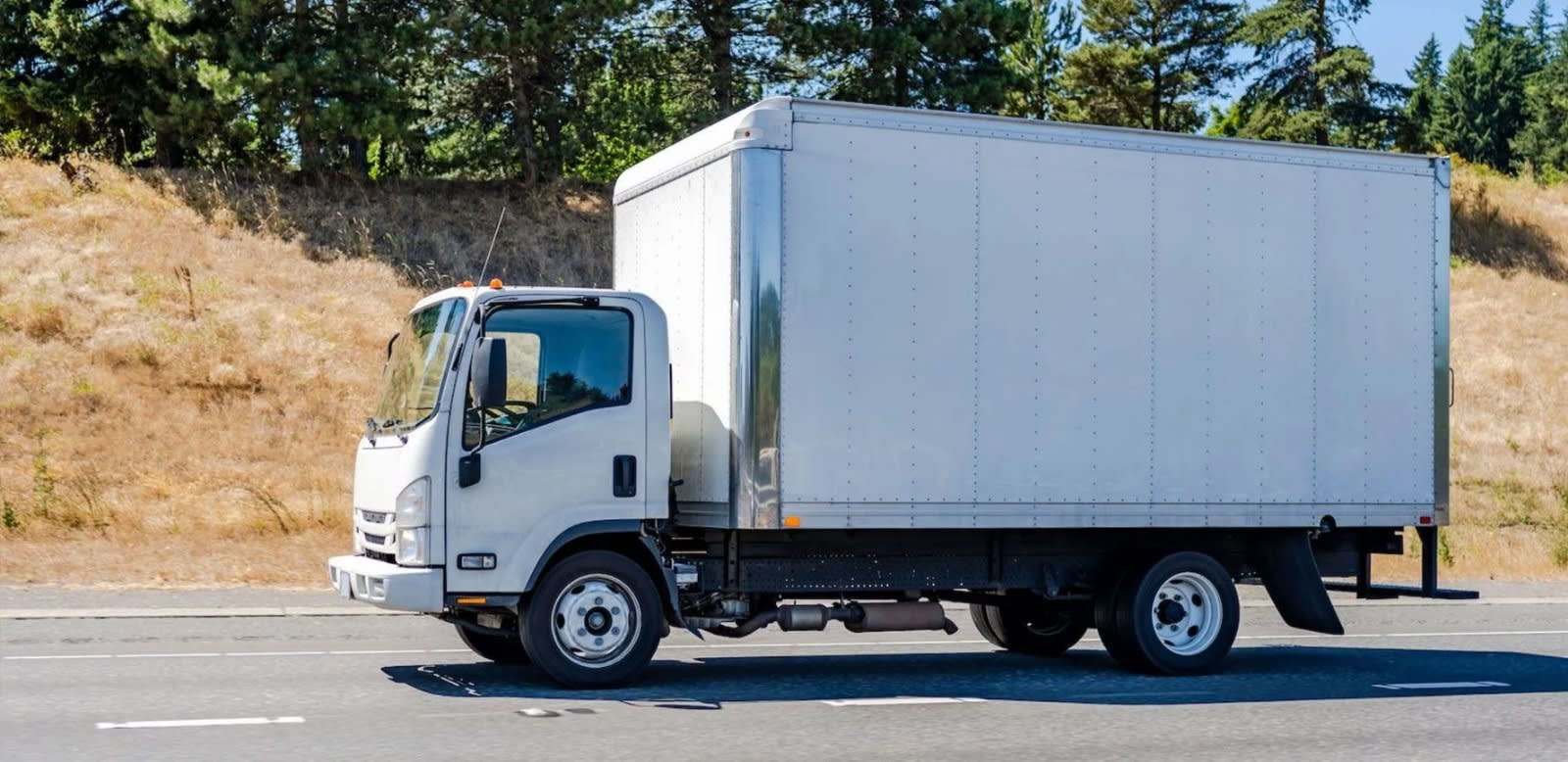
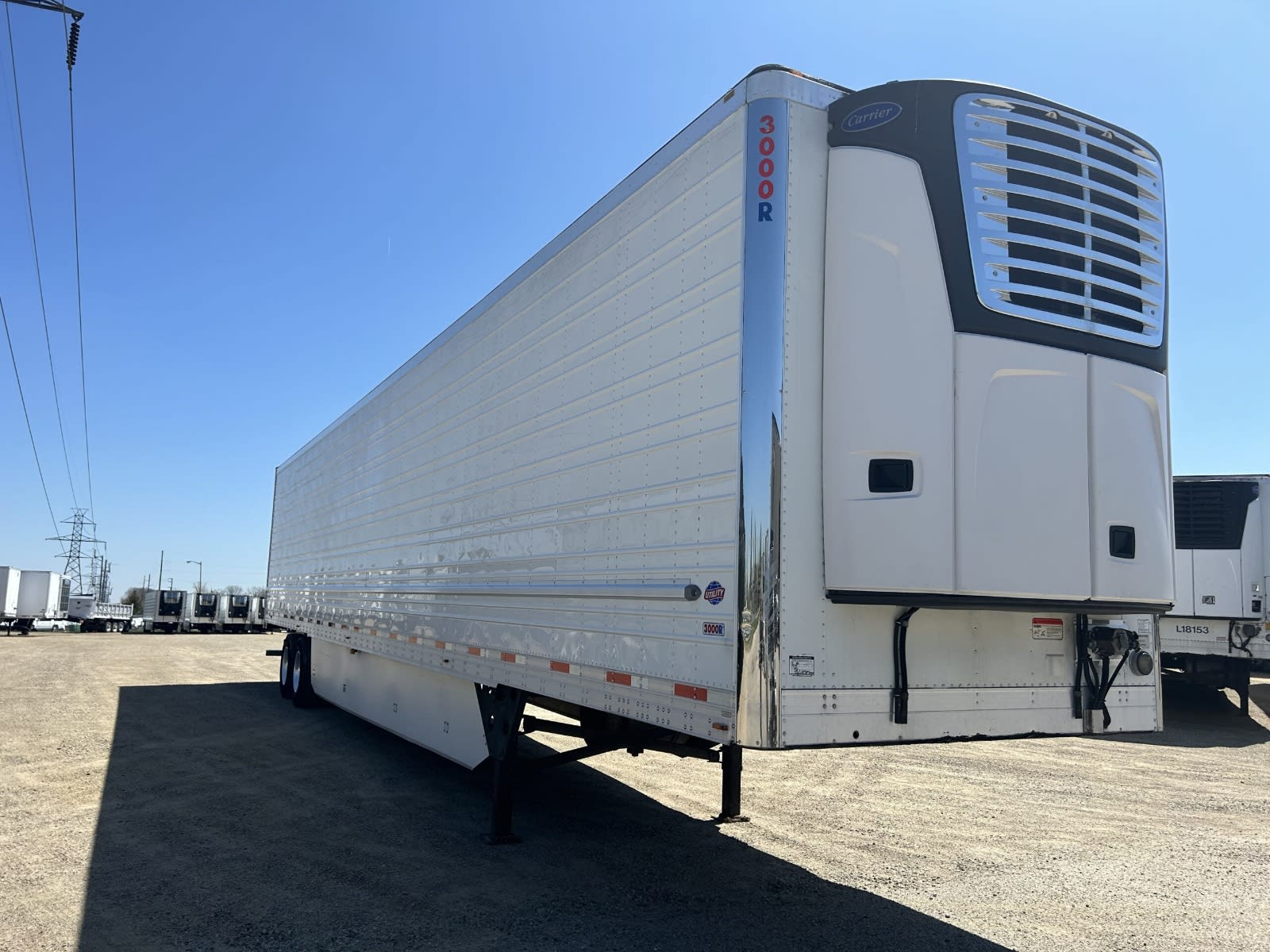
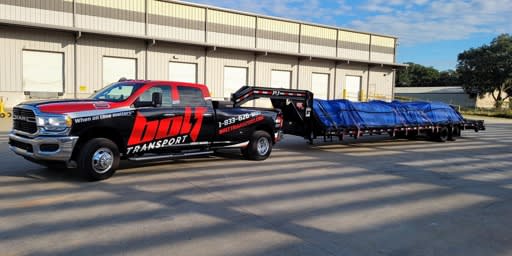
What makes the Charleston to Cleveland lane difficult?
A medium-length lane keeps per-load rates in a moderate range
A medium-length lane keeps per-load rates in a moderate range.
Winter weather across Ohio and the Great Lakes region can affect road conditions from November through March
Winter weather across Ohio and the Great Lakes region can affect road conditions from November through March.
Bulk and general-cargo freight from the port can require specialized handling
Bulk and general-cargo freight from the port can require specialized handling.
What freight moves on the Charleston to Cleveland lane?
What travels between Charleston and Cleveland, and why the Port of Cleveland matters here.
Primary Commodities
- •Steel Products
- •Industrial Equipment
- •Chemicals
Secondary Commodities
- •Port import/export-connected freight (Cleveland)
- •Chemical-manufacturing-connected freight
- •Consumer goods
Seasonal Cargo
Peak seasons for this lane:
- •Consumer goods (holiday surge)
- •Port-connected freight (steady, shipping-season peak)
- •Chemical-manufacturing freight (steady)
When is the Charleston to Cleveland lane busiest?
Retail timing and the Great Lakes shipping season both shape this lane.
Q1 (Jan-Mar): Slow Period?
A modest dip after the holidays and during winter weather.
Q4 (Oct-Dec): Peak Period?
Consumer goods climb from October through December.
Produce Season?
Not a major factor on this lane.
- •Q4 holiday retail season
- •Great Lakes shipping season (spring through fall)
- •Winter freight slowdown around weather
Hurricane Risk?
None. Winter weather and the Great Lakes shipping-season calendar are this corridor's real seasonal factors.
Seasonal Strategy Summary
This lane runs steady year-round, tracking both cities' consistent manufacturing freight.
How do I negotiate the best rate on the Charleston to Cleveland lane?
When to book, who pays extra, and which loads need special handling.
When to Book
Suggested booking window:
1-2 days out is typical for this haul.
What Brokers Pay More
Loads that command more:
Time-critical port-connected freight tends to pay a premium.
When to Avoid
Loads to price carefully:
Be careful committing to a fast winter delivery without checking road conditions.
Rate Negotiation Tips for Charleston to Cleveland
- •
At 265 miles, this is a comfortable one-day run.
- •
Steel freight is worth asking about, given Cleveland's mill supplies manufacturers across the Great Lakes.
- •
Tanker and hazmat freight is common on the Charleston end.
How do I find a backhaul load on the Charleston to Cleveland lane?
The Port of Cleveland's cargo base makes a southbound load realistic.
Best Return Cities
Where to look for the return load:
- •Cleveland, OH
- •Regional distribution hubs near Cleveland
Deadhead Risk %
Deadhead risk on this lane: 20-25%
With about 13 million tons of cargo moving through Cleveland Harbor annually, there is real backhaul variety.
Alternative Routes
If the first load falls through, try these:
- •After delivery, look for reloads in Cleveland, Akron, Youngstown. The best targets are steel, industrial machinery, food and distribution freight, plus nearby distribution, manufacturing, port, food, or farm facilities. If the main reload market is thin, reposition toward the nearest listed return city. Don't accept a long empty move.
Backhaul Optimization Tips
- •
Cleveland's steel and port freight gives you real backhaul options.
- •
Charleston's chemical industry keeps southbound loads flowing too.
- •
Check freight tied to Cleveland's port terminals for a specialized backhaul.
What do experienced dispatchers know about the Charleston to Cleveland lane?
Three notes before this Great Lakes corridor run.
This lane pairs well with a same-day or next-day return load.
Check Ohio and Great Lakes-region winter conditions before a late-fall through early-spring run.
Confirm handling requirements before hauling port-connected bulk freight.
This is a straightforward run connecting two solid industrial freight markets.
Charleston to Cleveland Lane FAQs
Answers on drive time, the Port of Cleveland, and winter weather.
The lane data shows about $663 - $769 per load, or $2.50 - $2.90 a mile, across 265 miles.
It's one of the largest Great Lakes ports, supporting more than 23,000 jobs and $7.07 billion in annual economic activity.
About 4.5 hours for the 265 miles.
Reasonably, given the port's cargo volume and Northeast Ohio's logistics corridor.
Other West Virginia freight lanes we dispatch
- Charleston to Knoxville
- Charleston to Atlanta
- Charleston to Philadelphia
- Charleston to Buffalo
- Charleston to Columbus
- Charleston to Cincinnati
Local resources
Also serving the other end of this lane
Dry Van owner-operator, Midwest: +$1,950/week after moving to $2.65/mi on produce / auto parts freight.
Read the case studyNeed help running Charleston, WV to Cleveland, OH consistently?
Running Charleston to Cleveland often? Ask about a free custom growth plan.