

Milwaukee to Toronto Truck Dispatch
Freight route connecting Milwaukee, WI to Toronto, ON (609 miles). Cross-border freight connecting Wisconsin's manufacturing base to Canadian markets via I-94/Michigan.
What do truck dispatch rates run from Milwaukee to Toronto?
Milwaukee to Toronto is a 609-mile lane paying about $1,401 - $1,644 per load, near $2.30 - $2.70 a mile. Freight is mostly consumer goods, cross-border-connected freight and automotive-connected freight.
- Distance
- 609 miles
- Avg. rate / load
- $1,401 - $1,644
- Rate per mile
- $2.30 - $2.70
- Transit time
- 1-2 days
- Deadhead risk
- 30-35%
Lane rates reviewed September 2026. These numbers follow 2026 spot-market pricing and reflect this cross-border corridor's added complexity. See our dispatch fee structure.
Milwaukee to Toronto
Milwaukee to Toronto is a 609-mile, multi-day run east through Michigan and across the Canadian border, typically crossing at the Blue Water Bridge in Port Huron. Traffic on the Blue Water Bridge jumped 21% after the Ambassador Bridge's January 2025 toll increase pushed truck traffic to alternate crossings, and the new Gordie Howe International Bridge, opened in late 2025 or early 2026, adds a third truck-eligible crossing to ease congestion on this corridor.
Origin
Milwaukee, WI
Destination
Toronto, ON
Distance
609 miles
Transit Time
1-2 days
Average Rate
$1,401 - $1,644
Rate per Mile
$2.30 - $2.70
609-mile lane, a multi-day cross-border run typically via the Blue Water Bridge
Blue Water Bridge truck traffic jumped 21% after the Ambassador Bridge's January 2025 toll increase
The Gordie Howe International Bridge opened as a third truck-eligible Windsor-Detroit crossing in late 2025 or early 2026
Milwaukee to Toronto: route facts a driver should know
A new bridge just opened between Detroit and Windsor
The Gordie Howe International Bridge opened to traffic on July 27, 2026, a second dedicated Detroit-Windsor crossing with six lanes connecting I-75 directly to Highway 401, in addition to the existing Ambassador Bridge.
Source: Trucking Dive, Gordie Howe Bridge opening coverage. Checked 30 Sep 2026.
A FAST card cuts border wait times dramatically
Drivers enrolled in the FAST program often clear the border in under 15 minutes, compared to 45 to 90 minutes or more in regular commercial lanes during peak periods. It costs $50 and stays valid for 5 years.
Source: US Customs and Border Protection, FAST program. Checked 30 Sep 2026.
Common Freight Types
Consumer goods, cross-border-connected freight and automotive-connected freight fill the trailers heading into Ontario.
- Cross-Border Freight
- Manufacturing Equipment
- Consumer Goods
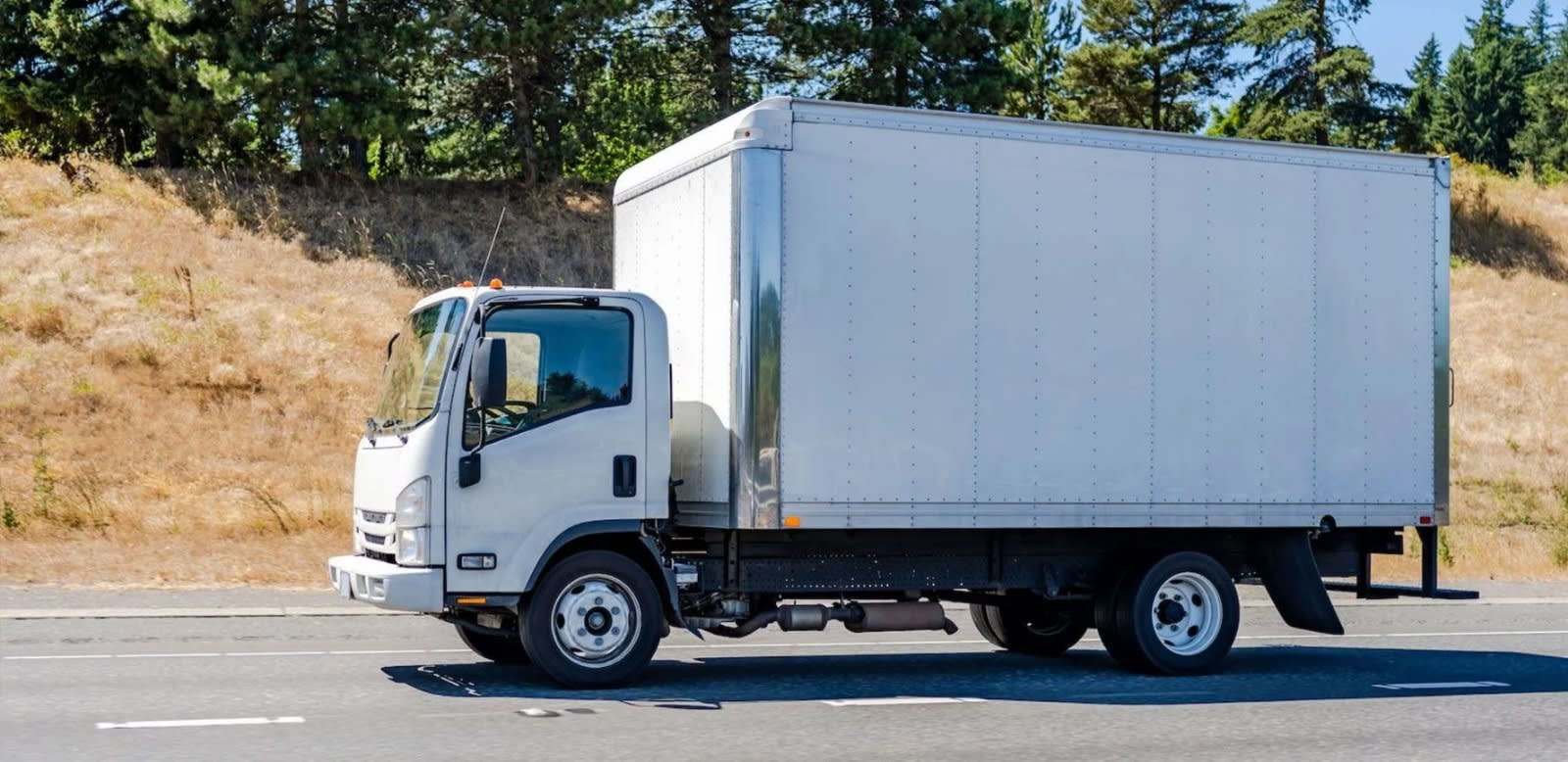
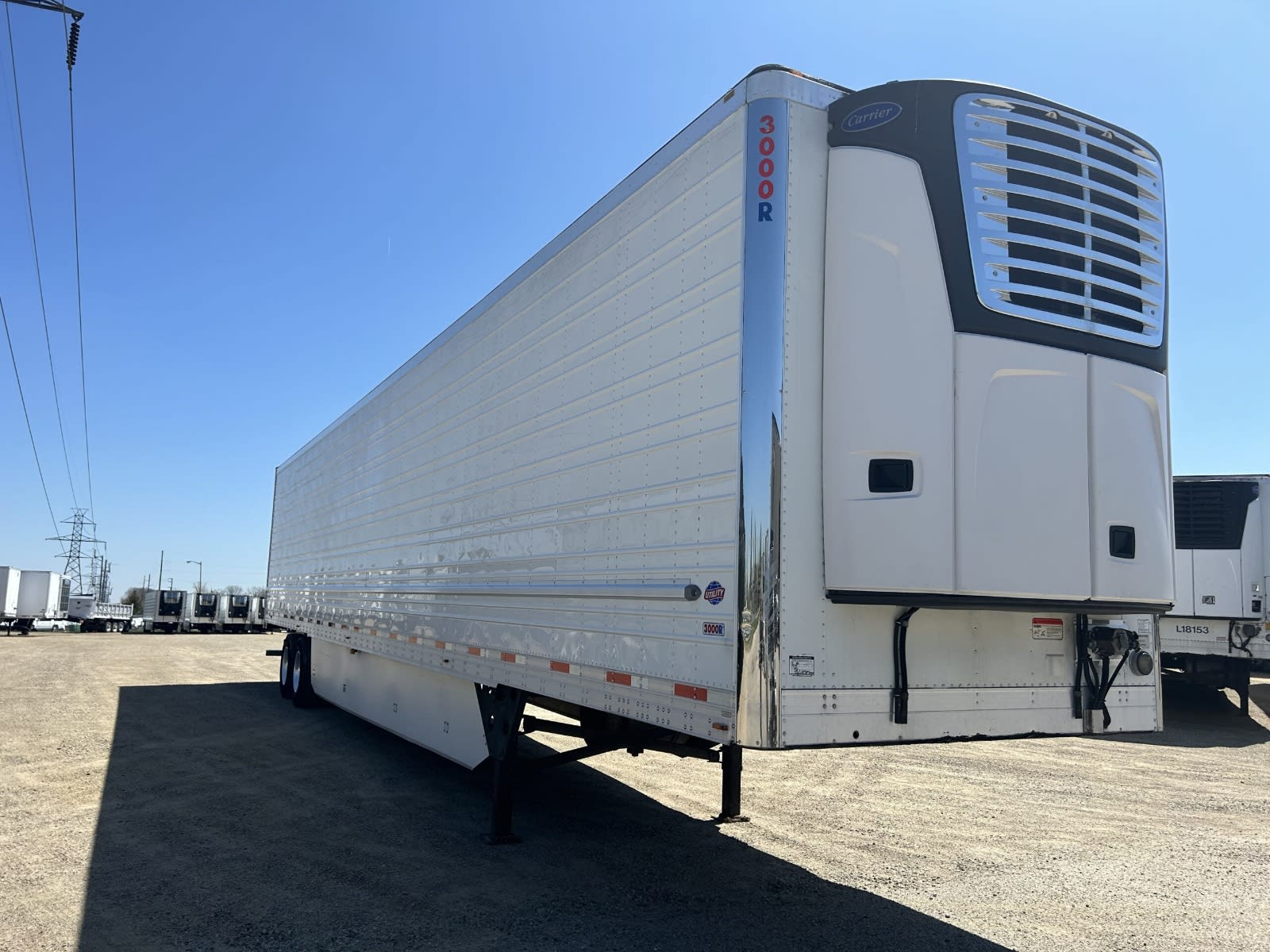
What makes the Milwaukee to Toronto lane difficult?
Cross-border freight requires customs documentation and can involve unpredictable wait times
Cross-border freight requires customs documentation and can involve unpredictable wait times.
The length requires a full multi-day trip plan with fuel, rest stops and border-crossing time mapped in advance
The length requires a full multi-day trip plan with fuel, rest stops and border-crossing time mapped in advance.
A 25% US tariff on imported vehicles and parts (2025) has cooled auto-parts freight volume on Canada-US lanes
A 25% US tariff on imported vehicles and parts (2025) has cooled auto-parts freight volume on Canada-US lanes.
What freight moves on the Milwaukee to Toronto lane?
What travels between Milwaukee and Toronto, and why new bridge capacity matters here.
Primary Commodities
- •Cross-Border Freight
- •Manufacturing Equipment
- •Consumer Goods
Secondary Commodities
- •Cross-border-connected freight
- •Consumer goods
- •Automotive-connected freight (softened by tariffs)
Seasonal Cargo
Peak seasons for this lane:
- •Consumer goods (holiday surge)
- •Cross-border freight (steady)
- •Automotive-connected freight (steady, softened by tariffs)
When is the Milwaukee to Toronto lane busiest?
Retail timing and softer automotive-tariff-driven freight demand both shape this lane.
Q1 (Jan-Mar): Slow Period?
A modest dip after the holidays, further affected by softer auto-parts freight demand.
Q4 (Oct-Dec): Peak Period?
Consumer goods climb from October through December.
Produce Season?
Not a major factor on this lane.
- •Q4 holiday retail season
- •Steady cross-border freight year-round
- •Summer freight demand
Hurricane Risk?
None. Winter weather through Michigan and Ontario is this corridor's real seasonal risk.
Seasonal Strategy Summary
This lane runs steady year-round. With the Gordie Howe Bridge now open, border wait times should ease as the new crossing ramps up capacity.
How do I negotiate the best rate on the Milwaukee to Toronto lane?
When to book, who pays extra, and which loads need border-time buffer.
When to Book
Suggested booking window:
3-4 days out is typical for a cross-border haul this long.
What Brokers Pay More
Loads that command more:
Time-critical cross-border freight tends to pay a premium given documentation and crossing complexity.
When to Avoid
Loads to price carefully:
Be careful committing to a tight border-crossing appointment without checking current wait times at all three crossings.
Rate Negotiation Tips for Milwaukee to Toronto
- •
This is a long haul at 609 miles, so plan for a full one-day trip before you even reach the border.
- •
Make sure your paperwork is filed through PARS before you arrive at the border. It lets customs pre-screen your load.
- •
A FAST card is worth getting if you run this cross-border lane regularly.
How do I find a backhaul load on the Milwaukee to Toronto lane?
Toronto's status as Canada's largest metro makes a westbound load realistic.
Best Return Cities
Where to look for the return load:
- •Toronto, ON
- •Regional distribution hubs near Toronto
Deadhead Risk %
Deadhead risk on this lane: 30-35%
With the new Gordie Howe Bridge easing crossing congestion, there is real backhaul variety.
Alternative Routes
If the first load falls through, try these:
- •Heavy cross-border automotive trade through Detroit-Windsor supports two-way freight, paperwork aside.
Backhaul Optimization Tips
- •
Toronto's CN Brampton Intermodal Terminal, Canada's largest inland rail facility, moves over 1.2 million containers a year and is worth checking for a backhaul.
- •
The Greater Toronto Area holds 268 million square feet of industrial space, so backhaul freight is rarely hard to find.
- •
Port Milwaukee's own cargo base keeps southbound freight flowing too.
What do experienced dispatchers know about the Milwaukee to Toronto lane?
Three notes before this cross-border run.
Confirm customs documentation requirements before this cross-border run.
Plan your multi-day route with fuel, rest stops and border-crossing time built in.
Check current bridge crossing options given the Gordie Howe Bridge's 2025-2026 opening and Blue Water Bridge's added traffic.
Get a FAST card if you run this lane regularly. It's the single biggest thing that speeds up a Detroit-Windsor-Toronto crossing.
Milwaukee to Toronto Lane FAQs
Answers on drive time, border-crossing options, and the auto-parts tariff.
The lane data shows about $1,401 - $1,644 per load, or $2.30 - $2.70 a mile, across 609 miles.
Typically the Blue Water Bridge at Port Huron, whose traffic jumped 21% after the Ambassador Bridge's January 2025 toll increase; the new Gordie Howe Bridge adds a third option.
A 25% US tariff on imported vehicles and parts introduced in 2025 has cooled cross-border auto-parts freight volume.
Reasonably, given Toronto's status as Canada's largest metro and growing bridge capacity easing crossing delays.
Other Wisconsin freight lanes we dispatch
- Milwaukee to Chicago
- Milwaukee to Pittsburgh
- Milwaukee to Minneapolis
- Milwaukee to Detroit
- Milwaukee to Green Bay
- Milwaukee to Indianapolis
Local resources
Dry Van owner-operator, Midwest: +$1,950/week after moving to $2.65/mi on produce / auto parts freight.
Read the case studyNeed help running Milwaukee, WI to Toronto, ON consistently?
Running Milwaukee to Toronto often? Ask about a free custom growth plan.