
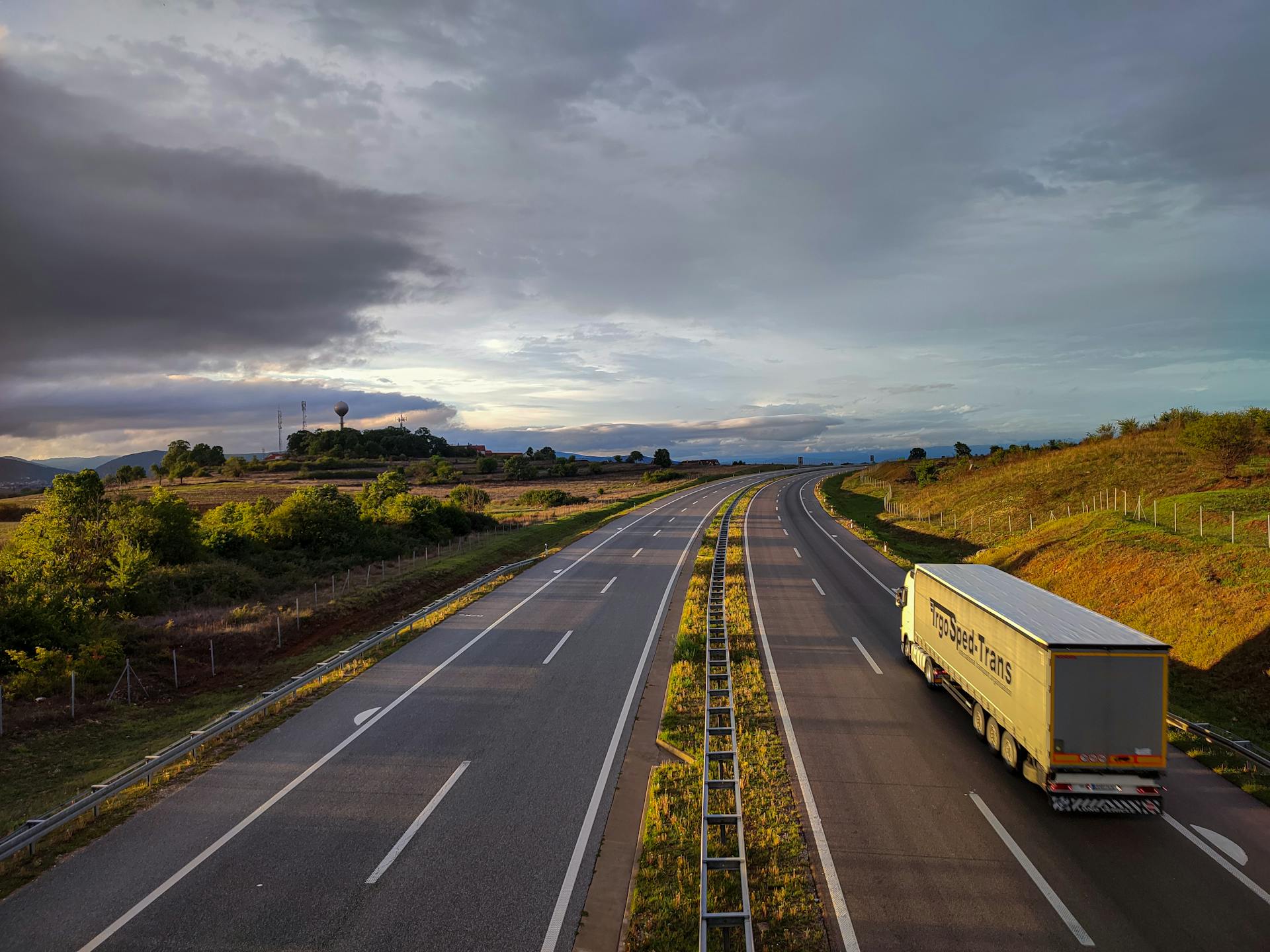
Milwaukee to Green Bay Truck Dispatch
Freight route connecting Milwaukee, WI to Green Bay, WI (115 miles). Connects Milwaukee to the Fox Valley's dense paper/packaging manufacturing base via I-43.
What do truck dispatch rates run from Milwaukee to Green Bay?
Milwaukee to Green Bay is a 115-mile lane paying about $311 - $357 per load, near $2.70 - $3.10 a mile. Freight is mostly consumer goods, wood-pulp/paper-connected freight and port import/export freight.
- Distance
- 115 miles
- Avg. rate / load
- $310 - $356
- Rate per mile
- $2.70 - $3.10
- Transit time
- Same day / 2 hrs
- Deadhead risk
- 15-20%
Lane rates reviewed September 2026. These numbers follow 2026 spot-market pricing for this short Great Lakes corridor. See our dispatch fee structure.
Milwaukee to Green Bay
Milwaukee to Green Bay is a 115-mile, roughly 2-hour run north on I-43, connecting Wisconsin's two biggest Great Lakes freight gateways. The Port of Green Bay moved more than 4 million metric tons of international freight in 2025, 27% of all international cargo traveling the Great Lakes St. Lawrence Seaway System, while salt volumes grew nearly 10% and wood pulp shipments jumped 145.7%.
Origin
Milwaukee, WI
Destination
Green Bay, WI
Distance
115 miles
Transit Time
Same day / 2 hrs
Average Rate
$310 - $356
Rate per Mile
$2.70 - $3.10
115-mile lane, about 2 hours on I-43
The Port of Green Bay moved more than 4 million metric tons of international freight in 2025
Wood pulp shipments through Green Bay jumped 145.7% in the 2025-26 season
Milwaukee to Green Bay: route facts a driver should know
Georgia-Pacific's Green Bay mill recycles over 430,000 tons of paper a year
Georgia-Pacific's Green Bay operations employ about 1,600 people across three facilities. The Broadway mill alone uses more than 430,000 tons of recovered wastepaper a year, making it one of the largest paper recycling operations in the world.
Source: Georgia-Pacific, Green Bay operations. Checked 30 Sep 2026.
The Port of Green Bay moved nearly 1.7 million tons in 2024
The Port of Green Bay handled nearly 1.7 million tons of cargo across 181 vessels in the 2024 season, with cement shipments up 21% and liquid asphalt up 10%, a sign of strong regional construction demand.
Source: Fox11 News, Port of Green Bay tonnage coverage. Checked 30 Sep 2026.
Diesel for this lane
How much is the diesel for Milwaukee to Green Bay?
About $112.38 this week. The lane is 115 miles. A truck that gets 6.5 miles per gallon uses about 18 gallons, and diesel is averaging $6.35 a gallon on this lane (week of October 19, 2026). The U.S. average diesel price is up 10 cents this week.
An estimate. It uses EIA's weekly average for this region, not the price at each pump. Your mpg and fuel card discounts change it.
- Distance
- 115 mi
- Diesel needed
- 18 gal
- Price used
- $6.35/gal
- Fuel cost
- $112.38
Common Freight Types
Consumer goods, wood-pulp/paper-connected freight and port import/export freight fill the trailers heading north.
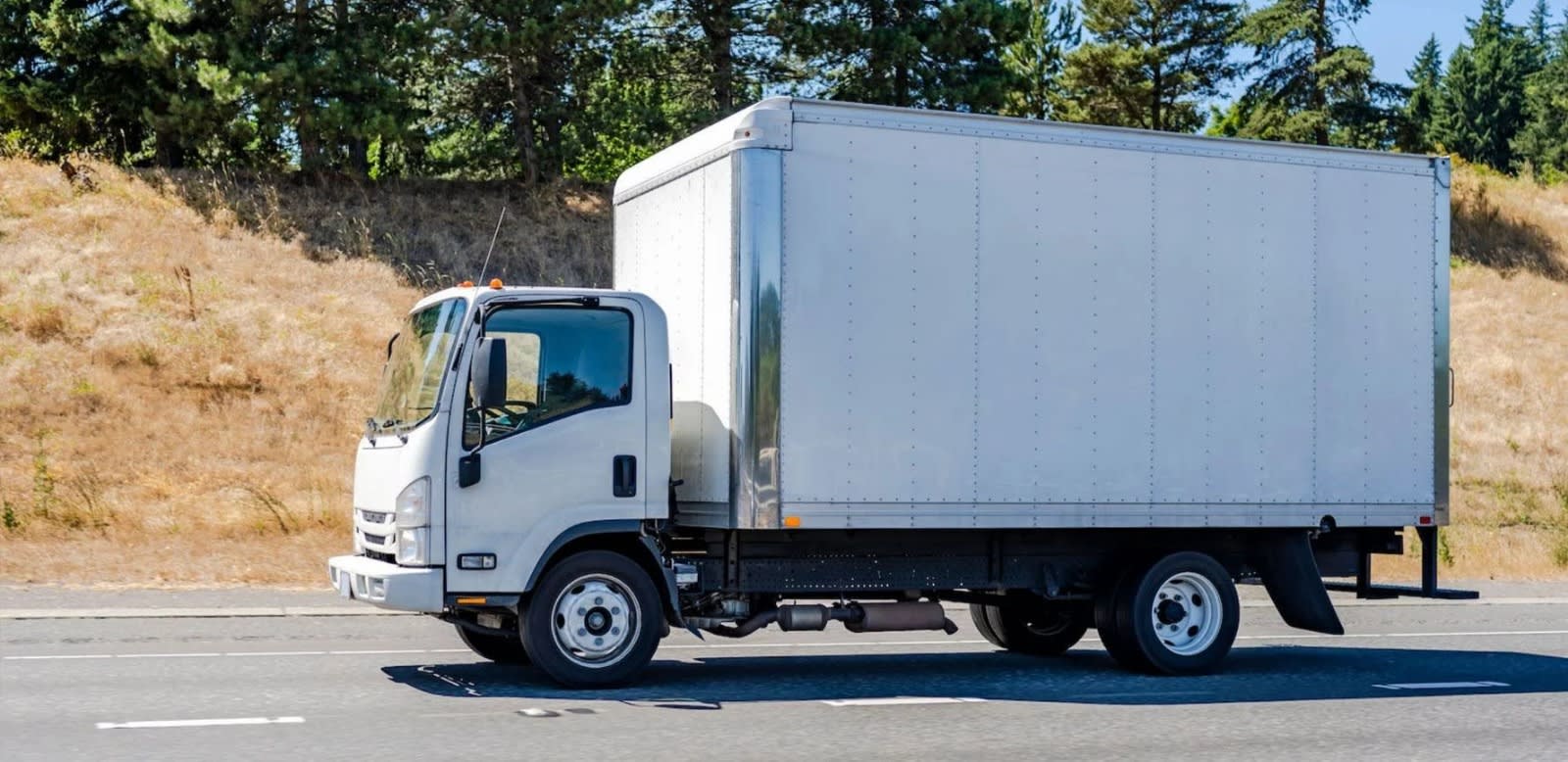
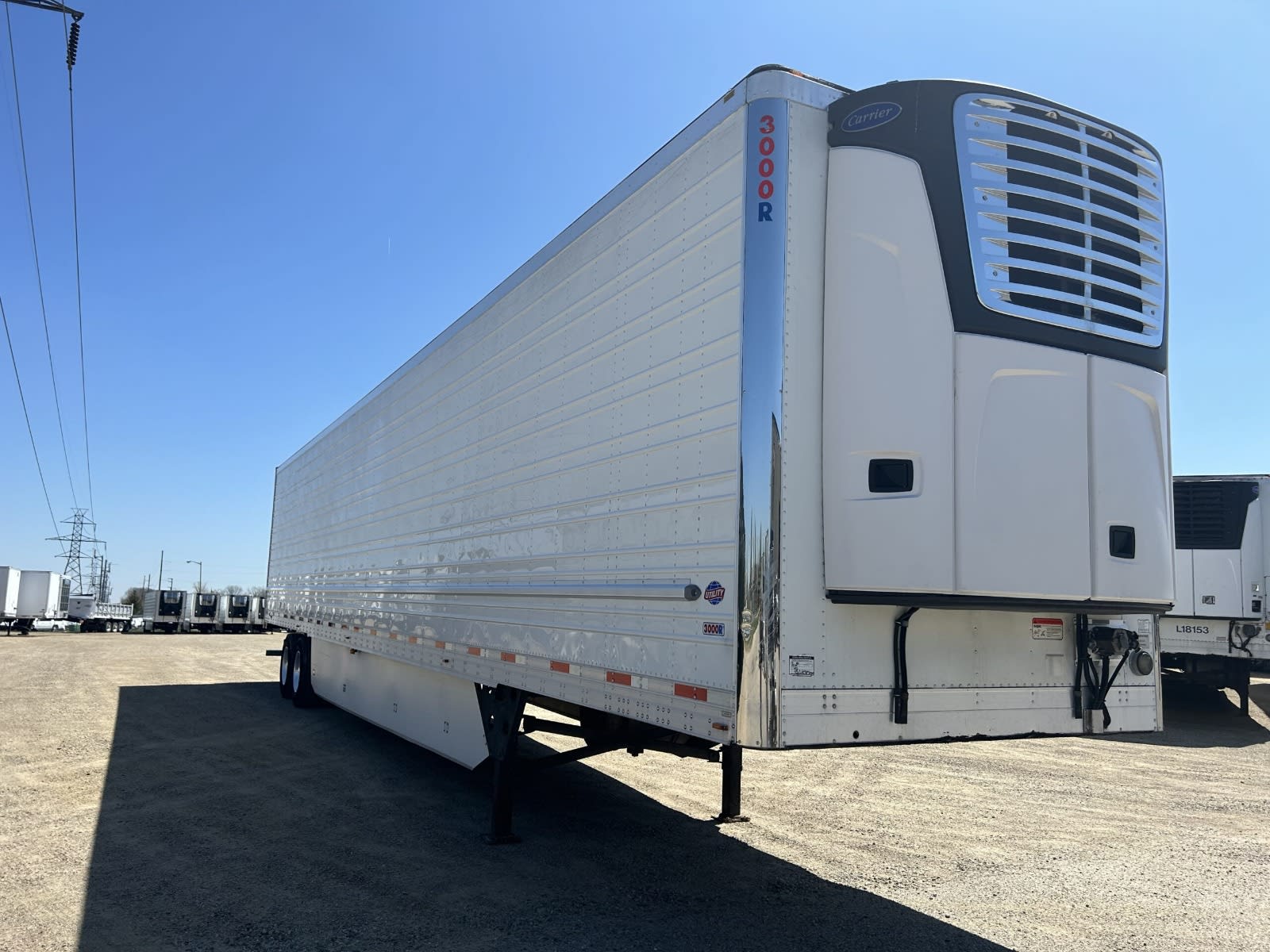
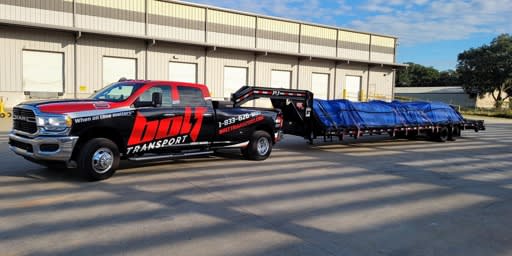
- Paper & Packaging
- Food Products
- Manufacturing Equipment
What makes the Milwaukee to Green Bay lane difficult?
A short-to-medium lane keeps per-load rates in a moderate range
A short-to-medium lane keeps per-load rates in a moderate range.
Winter weather along I-43 can affect road conditions from November through March
Winter weather along I-43 can affect road conditions from November through March.
Great Lakes shipping-season timing can affect port-connected freight demand
Great Lakes shipping-season timing can affect port-connected freight demand.
What freight moves on the Milwaukee to Green Bay lane?
What travels between Milwaukee and Green Bay, and why the port's international growth matters here.
Primary Commodities
- •Paper & Packaging
- •Food Products
- •Manufacturing Equipment
Secondary Commodities
- •Port import/export-connected freight (Green Bay)
- •Paper and wood-pulp-connected freight
- •Consumer goods
Seasonal Cargo
Peak seasons for this lane:
- •Consumer goods (holiday surge)
- •Wood pulp/paper-connected freight (steady, growing)
- •Salt shipments (winter season)
When is the Milwaukee to Green Bay lane busiest?
The Great Lakes shipping season and winter salt demand both shape this lane.
Q1 (Jan-Mar): Slow Period?
A modest dip after the holidays, offset by winter salt-shipment demand.
Q4 (Oct-Dec): Peak Period?
Consumer goods climb from October through December.
Produce Season?
Not a major factor on this lane.
- •Great Lakes shipping season (spring through fall)
- •Q4 holiday retail season
- •Winter salt-shipment demand
Hurricane Risk?
None. Winter weather and the Great Lakes shipping-season calendar are this corridor's real seasonal factors.
Seasonal Strategy Summary
This lane runs steady year-round, tracking Green Bay's consistent paper manufacturing and port activity.
How do I negotiate the best rate on the Milwaukee to Green Bay lane?
When to book, who pays extra, and which loads need shipping-season awareness.
When to Book
Suggested booking window:
Same-day to 1-2 days out is typical for this haul.
What Brokers Pay More
Loads that command more:
Time-critical port-connected international freight tends to pay a premium.
When to Avoid
Loads to price carefully:
Be careful committing to a fast winter delivery without checking I-43 conditions.
Rate Negotiation Tips for Milwaukee to Green Bay
- •
At 115 miles, this is a short, quick run.
- •
Paper and recycled-material freight is worth asking about given Georgia-Pacific's huge Green Bay operation.
- •
Construction-material freight tied to the port, cement and asphalt especially, is another option here.
How do I find a backhaul load on the Milwaukee to Green Bay lane?
Port of Green Bay's growing international freight makes a southbound load realistic.
Best Return Cities
Where to look for the return load:
- •Green Bay, WI
- •Regional distribution hubs near Green Bay
Deadhead Risk %
Deadhead risk on this lane: 15-20%
With more than 4 million metric tons of international freight moving through Green Bay in 2025, there is real backhaul variety.
Alternative Routes
If the first load falls through, try these:
- •Paper industry freight from Green Bay offers a steady, non-seasonal backhaul base.
Backhaul Optimization Tips
- •
Green Bay's paper mills and port terminal give you real backhaul options.
- •
This short lane pairs well with a same-day round trip.
- •
Check freight tied to Schreiber Foods, headquartered in Green Bay, for dairy-linked backhauls too.
What do experienced dispatchers know about the Milwaukee to Green Bay lane?
Three notes before this Great Lakes corridor run.
Check I-43 winter conditions before a late-fall through early-spring run.
This lane pairs well with a same-day or next-day return load.
Confirm current Great Lakes shipping-season timing if your load connects to Port of Green Bay freight.
Green Bay's paper industry is genuinely massive. If you haul dry van, Georgia-Pacific's recycling operation alone is worth building a relationship around.
Milwaukee to Green Bay Lane FAQs
Answers on drive time, Port of Green Bay's growth, and winter weather.
The lane data shows about $311 - $357 per load, or $2.70 - $3.10 a mile, across 115 miles.
It moved more than 4 million metric tons of international freight in 2025, 27% of all international cargo on the Great Lakes St. Lawrence Seaway System.
About 2 hours for the 115 miles on I-43.
Reasonably, given the port's growing international cargo volume.
Other Wisconsin freight lanes we dispatch
- Milwaukee to Indianapolis
- Milwaukee to Detroit
- Milwaukee to St. Louis
- Milwaukee to Kansas City
- Milwaukee to Cleveland
- Milwaukee to Nashville
Local resources
Dry Van owner-operator, Midwest: +$1,950/week after moving to $2.65/mi on produce / auto parts freight.
Read the case studyNeed help running Milwaukee, WI to Green Bay, WI consistently?
Running Milwaukee to Green Bay often? Ask about a free custom growth plan.