
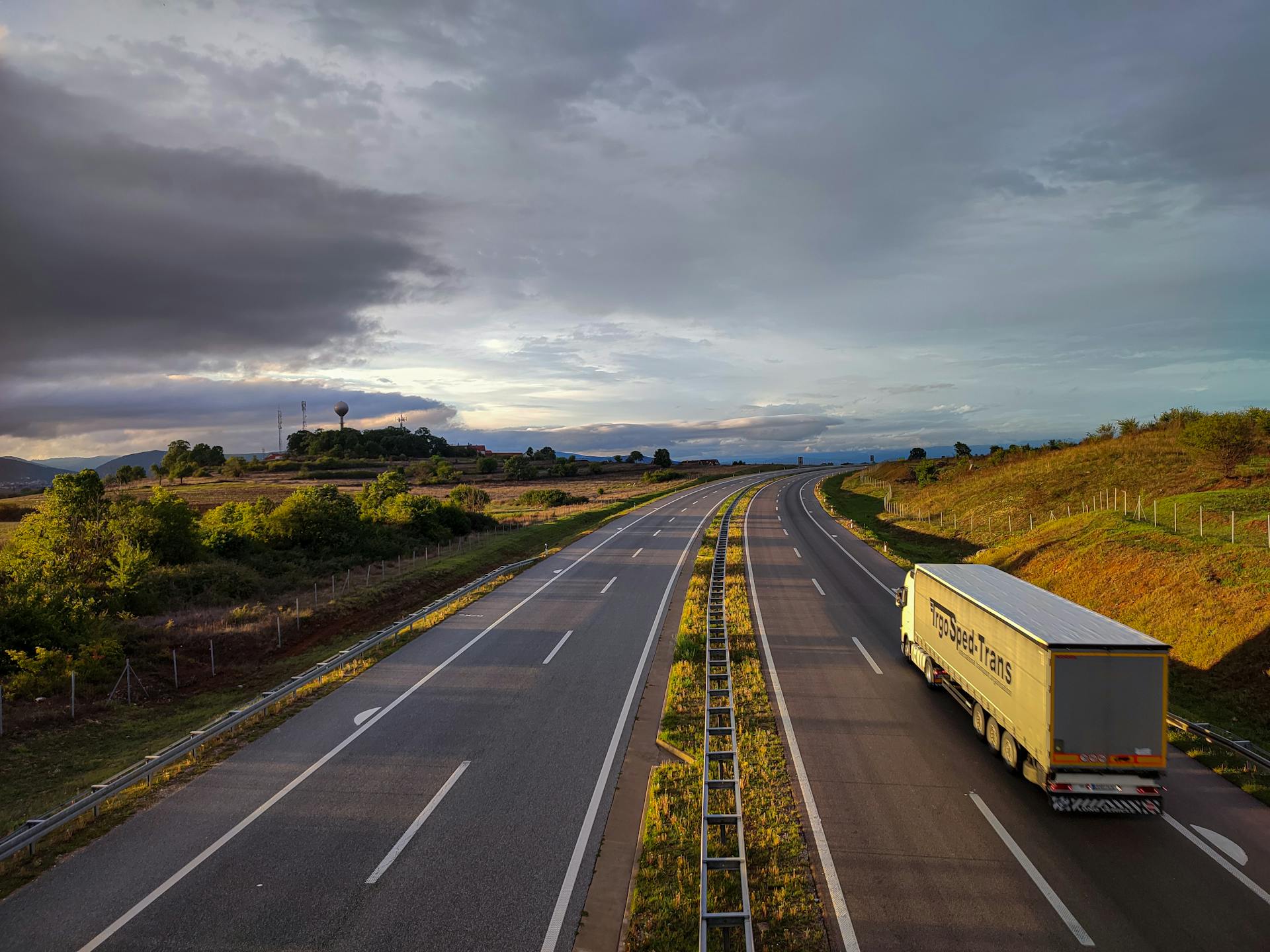
Burlington to Montreal Truck Dispatch
Freight route from Burlington, VT to Montreal, QC (105 miles). Cross-border freight runs on I-89 to Quebec's main distribution hub. Montreal is the second-largest French-speaking city in the world.
What do truck dispatch rates run from Burlington to Montreal?
Burlington to Montreal is a 105-mile lane paying about $289 - $336 per load, near $2.75 - $3.20 a mile. Freight is mostly consumer goods, forest-products freight and food/agricultural freight.
- Distance
- 105 miles
- Avg. rate / load
- $252 - $299
- Rate per mile
- $2.40 - $2.85
- Transit time
- Same day / 2 hrs
- Deadhead risk
- 20-25%
Lane rates reviewed September 2026. These numbers follow 2026 spot-market pricing, reflecting tighter cross-border truck capacity after 2026's carrier consolidation. See our dispatch fee structure.
Burlington to Montreal
Burlington to Montreal is a 105-mile, roughly 2-hour cross-border run north on I-89, connecting Vermont's biggest freight gateway to Quebec's biggest freight market. Food and agricultural products move strong in both directions of the Quebec-New England corridor, while forest products like lumber, pulp and paper are Quebec-dominated.
Origin
Burlington, VT
Destination
Montreal, QC
Distance
105 miles
Transit Time
Same day / 2 hrs
Average Rate
$252 - $299
Rate per Mile
$2.40 - $2.85
105-mile lane, about 2 hours on I-89
Food and agricultural products move strong in both directions of the Quebec-New England corridor
Forest products like lumber, pulp and paper are Quebec-dominated
Burlington to Montreal: route facts a driver should know
Montreal is North America's only 'destination port'
The Port of Montreal is Canada's second-busiest container port, handling over 1.3 million TEUs in 2024, with 100 kilometers of on-dock rail reaching both CN and CP networks.
Source: Port of Montreal. Checked 30 Sep 2026.
Crossing into Canada requires its own customs paperwork
Canada-bound freight needs an Advance Commercial Information manifest filed with Canadian border officials at least an hour before arrival, plus a PARS barcode number for pre-clearance. A FAST card speeds up the crossing significantly.
Source: Descartes, ACI eManifest resource center. Checked 30 Sep 2026.
Common Freight Types
Consumer goods, forest-products freight and food/agricultural freight fill the trailers heading north.
- Cross-Border Freight
- Manufactured Goods
- Consumer Goods
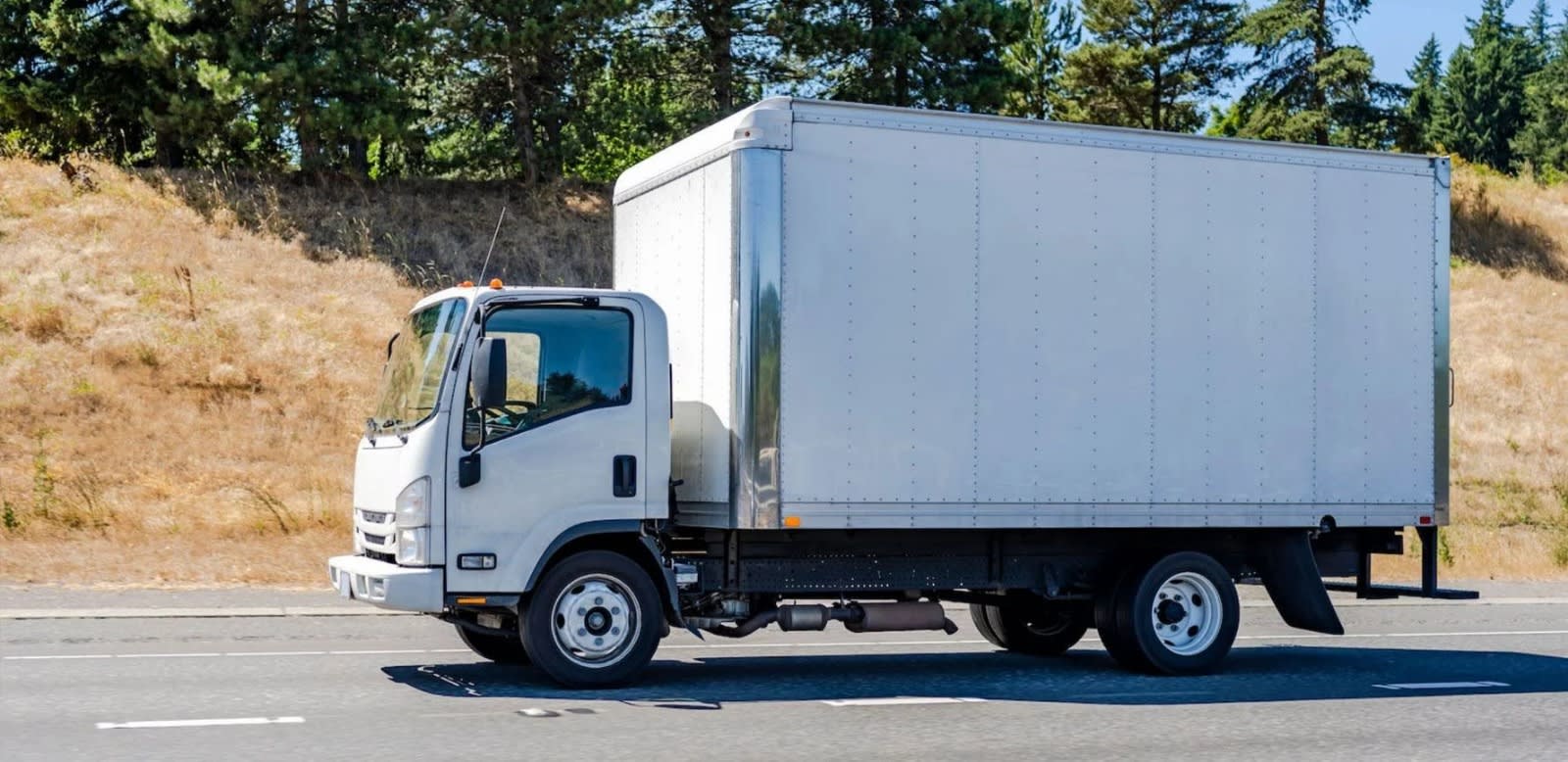
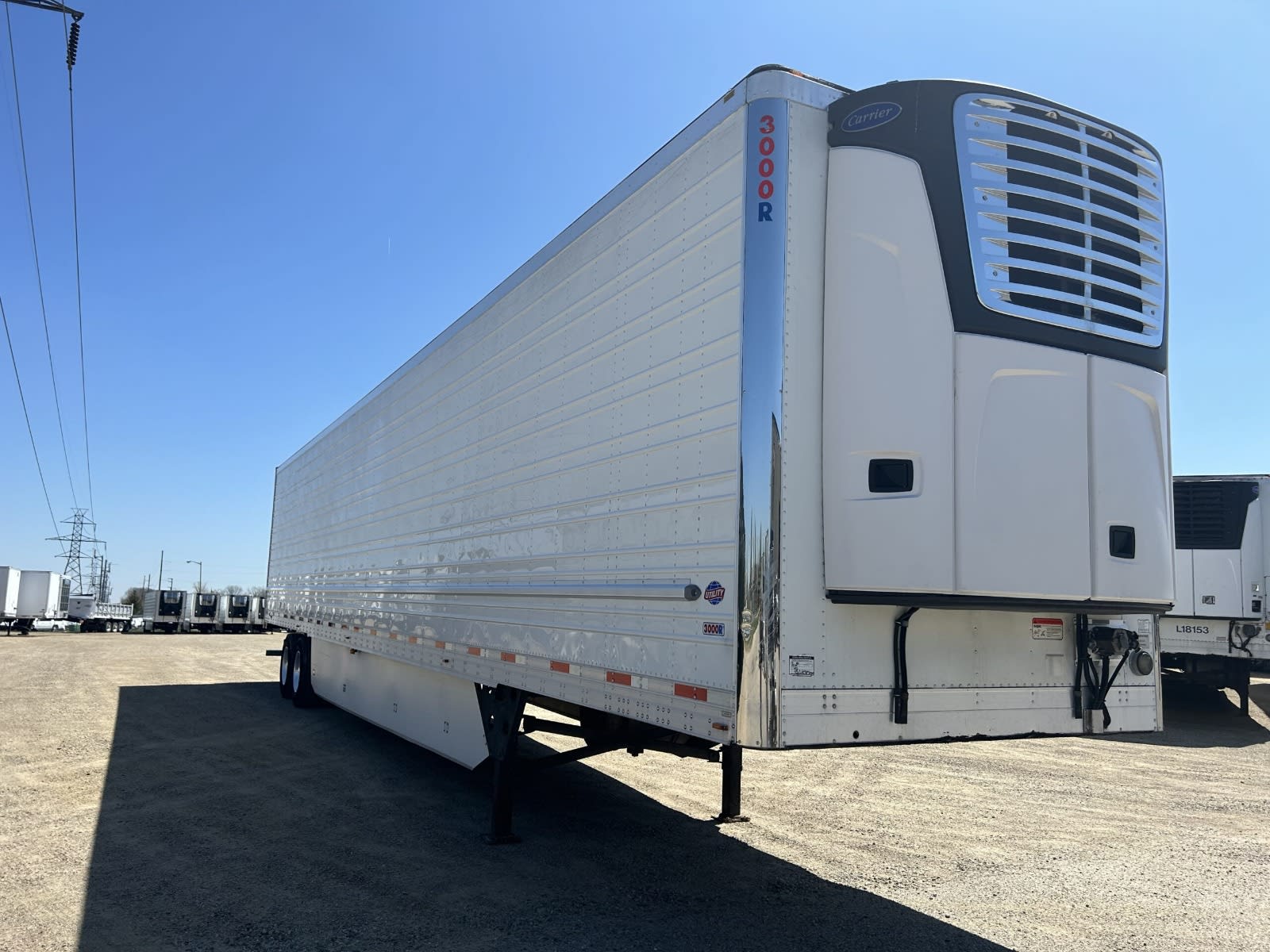
What makes the Burlington to Montreal lane difficult?
Cross-border freight requires customs documentation and can involve unpredictable wait times
Cross-border freight requires customs documentation and can involve unpredictable wait times.
Carrier consolidation and a crackdown on driver misclassification in early 2026 reduced trucks on cross-border lanes, tightening capacity
Carrier consolidation and a crackdown on driver misclassification in early 2026 reduced trucks on cross-border lanes, tightening capacity.
Winter weather across northern Vermont and Quebec can affect delivery schedules
Winter weather across northern Vermont and Quebec can affect delivery schedules.
What freight moves on the Burlington to Montreal lane?
What travels between Burlington and Montreal, and why the Quebec-New England commodity mix matters here.
Primary Commodities
- •Cross-Border Freight
- •Manufactured Goods
- •Consumer Goods
Secondary Commodities
- •Forest-products-connected freight (lumber, pulp, paper)
- •Food/agricultural-connected freight
- •Consumer goods
Seasonal Cargo
Peak seasons for this lane:
- •Consumer goods (holiday surge)
- •Forest-products freight (fall harvest)
- •Maple syrup-connected freight (late winter/early spring)
When is the Burlington to Montreal lane busiest?
Vermont's maple-syrup season and Quebec's forest-products harvest both shape this lane.
Q1 (Jan-Mar): Slow Period?
A modest dip after the holidays, cushioned by steady cross-border freight.
Q4 (Oct-Dec): Peak Period?
Consumer goods climb from October through December.
Produce Season?
A real factor tied to Vermont's maple-syrup season and Quebec's forest-products harvest.
- •Q4 holiday retail season
- •Maple syrup and forest-products harvest seasons
- •Steady cross-border freight year-round
Hurricane Risk?
None. Winter weather across northern Vermont and Quebec is this corridor's real seasonal risk.
Seasonal Strategy Summary
This lane runs steady year-round. Winter weather on both sides of the border can slow travel from November through March.
How do I negotiate the best rate on the Burlington to Montreal lane?
When to book, who pays extra, and which loads need border-time buffer.
When to Book
Suggested booking window:
1-2 days out is typical, tighter given reduced cross-border truck capacity in 2026.
What Brokers Pay More
Loads that command more:
Time-critical cross-border-connected freight tends to pay a premium given tighter capacity.
When to Avoid
Loads to price carefully:
Be careful committing to a tight border-crossing appointment without checking current wait times.
Rate Negotiation Tips for Burlington to Montreal
- •
At 100 miles plus border-crossing time, this is one of the shortest cross-border lanes we track.
- •
File your ACI paperwork before you arrive at the border. It lets Canadian customs pre-screen your load.
- •
A FAST card is worth getting if you run this cross-border lane regularly.
How do I find a backhaul load on the Burlington to Montreal lane?
Montreal's forest-products and food-export base makes a southbound load realistic.
Best Return Cities
Where to look for the return load:
- •Montreal, QC
- •Regional distribution hubs near Montreal
Deadhead Risk %
Deadhead risk on this lane: 20-25%
With Quebec-dominated forest-products freight moving south, there is real backhaul variety.
Alternative Routes
If the first load falls through, try these:
- •Montreal can reload toward Burlington or Albany. Domestic-only carriers should look for Burlington/Plattsburgh freight. Don't take a Canadian reload without authority.
Backhaul Optimization Tips
- •
Montreal's port and rail network gives you real backhaul options.
- •
Burlington's university and regional base keeps southbound loads flowing too.
- •
This lane is short enough to plan more than one trip a day if border wait times cooperate.
What do experienced dispatchers know about the Burlington to Montreal lane?
Three notes before this cross-border run.
Confirm customs documentation requirements before this cross-border run.
Book capacity early given the tighter cross-border trucking market following 2026's carrier consolidation.
Check northern Vermont and Quebec winter conditions before a late-fall through early-spring run.
Burlington's proximity to the Canadian border, under two hours, makes this one of the more efficient cross-border lanes in New England.
Burlington to Montreal Lane FAQs
Answers on drive time, the Quebec-New England commodity mix, and cross-border capacity.
The lane data shows about $289 - $336 per load, or $2.75 - $3.20 a mile, across 105 miles.
Food and agricultural products move strong in both directions, while forest products like lumber, pulp and paper are Quebec-dominated.
Yes; carrier consolidation and a crackdown on driver misclassification in early 2026 reduced the number of trucks on cross-border lanes.
Reasonably, given the strong forest-products and food-export freight moving south.
Other Vermont freight lanes we dispatch
- Burlington to Albany
- Burlington to Boston
- Burlington to Manchester
- Burlington to Portland
- Burlington to Hartford
- Burlington to New York
Local resources
Dry Van owner-operator, Midwest: +$1,950/week after moving to $2.65/mi on produce / auto parts freight.
Read the case studyNeed help running Burlington, VT to Montreal, QC consistently?
Running Burlington to Montreal often? Ask about a free custom growth plan.