
Sioux Falls to St. Louis Truck Dispatch
Freight route connecting Sioux Falls, SD to St. Louis, MO (570 miles). St. Louis's tri-modal hub status provides a dependable mid-distance lane via I-29/I-70.
What do truck dispatch rates run from Sioux Falls to St. Louis?
Sioux Falls to St. Louis is a 570-mile lane paying about $1,311 - $1,568 per load, near $2.30 - $2.75 a mile. Freight is mostly consumer goods, agricultural freight and barge/rail-connected freight.
- Distance
- 570 miles
- Avg. rate / load
- $1,340 - $1,568
- Rate per mile
- $2.35 - $2.75
- Transit time
- 1-2 days
- Deadhead risk
- 25-30%
Lane rates reviewed September 2026. These numbers follow 2026 spot-market pricing for this Northern Plains-to-Midwest river corridor. See our dispatch fee structure.
Sioux Falls to St. Louis
Sioux Falls to St. Louis is a 570-mile, multi-day run southeast, connecting South Dakota's biggest freight gateway to a major Mississippi River barge, rail and distribution hub. St. Louis's multimodal freight base gives South Dakota's farm freight a reliable reload market at the confluence of the Missouri and Mississippi rivers.
Origin
Sioux Falls, SD
Destination
St. Louis, MO
Distance
570 miles
Transit Time
1-2 days
Average Rate
$1,340 - $1,568
Rate per Mile
$2.35 - $2.75
570-mile lane, a multi-day run southeast
St. Louis sits at the confluence of the Missouri and Mississippi rivers
A major barge, rail and distribution hub for the central US
Sioux Falls to St. Louis: route facts a driver should know
The Army Corps of Engineers calls St. Louis the most efficient inland port in the country
The US Army Corps of Engineers has ranked the St. Louis region's barge and port system as the most efficient inland port district by tons moved per river mile.
Source: Marine Log, St. Louis metro ports tonnage efficiency. Checked 30 Sep 2026.
Sioux Falls is the country's credit-card processing capital
Citibank relocated its primary credit-card center from New York to Sioux Falls in 1981, and the operation now employs 3,000-plus workers. South Dakota has no state personal or corporate income tax.
Source: Sioux Falls Development, taxes and incentives overview. Checked 30 Sep 2026.
Diesel for this lane
How much is the diesel for Sioux Falls to St. Louis?
About $557.02 this week. The lane is 570 miles. A truck that gets 6.5 miles per gallon uses about 88 gallons, and diesel is averaging $6.35 a gallon on this lane (week of October 19, 2026). The U.S. average diesel price is up 10 cents this week.
An estimate. It uses EIA's weekly average for this region, not the price at each pump. Your mpg and fuel card discounts change it.
- Distance
- 570 mi
- Diesel needed
- 88 gal
- Price used
- $6.35/gal
- Fuel cost
- $557.02
Common Freight Types
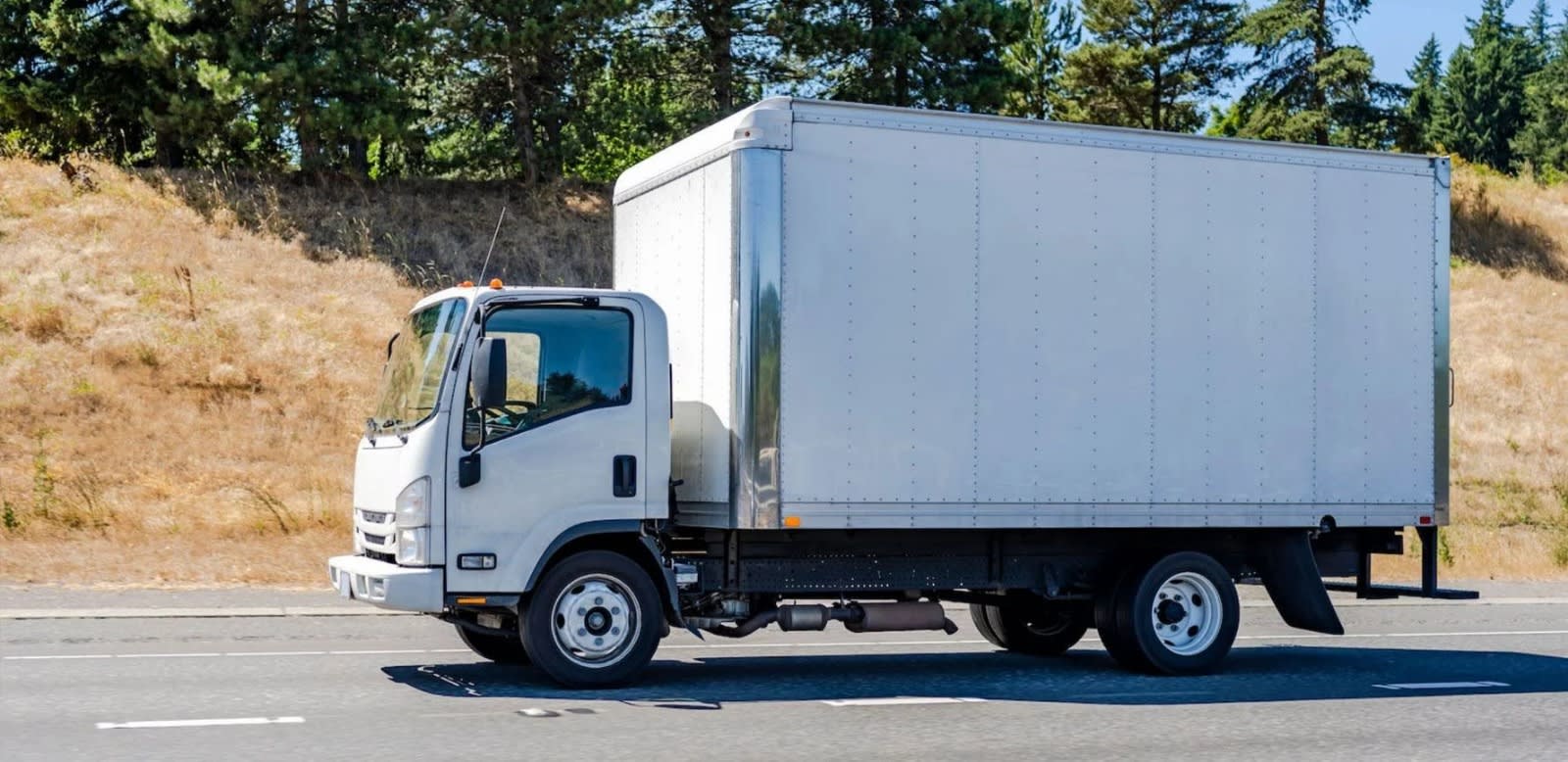
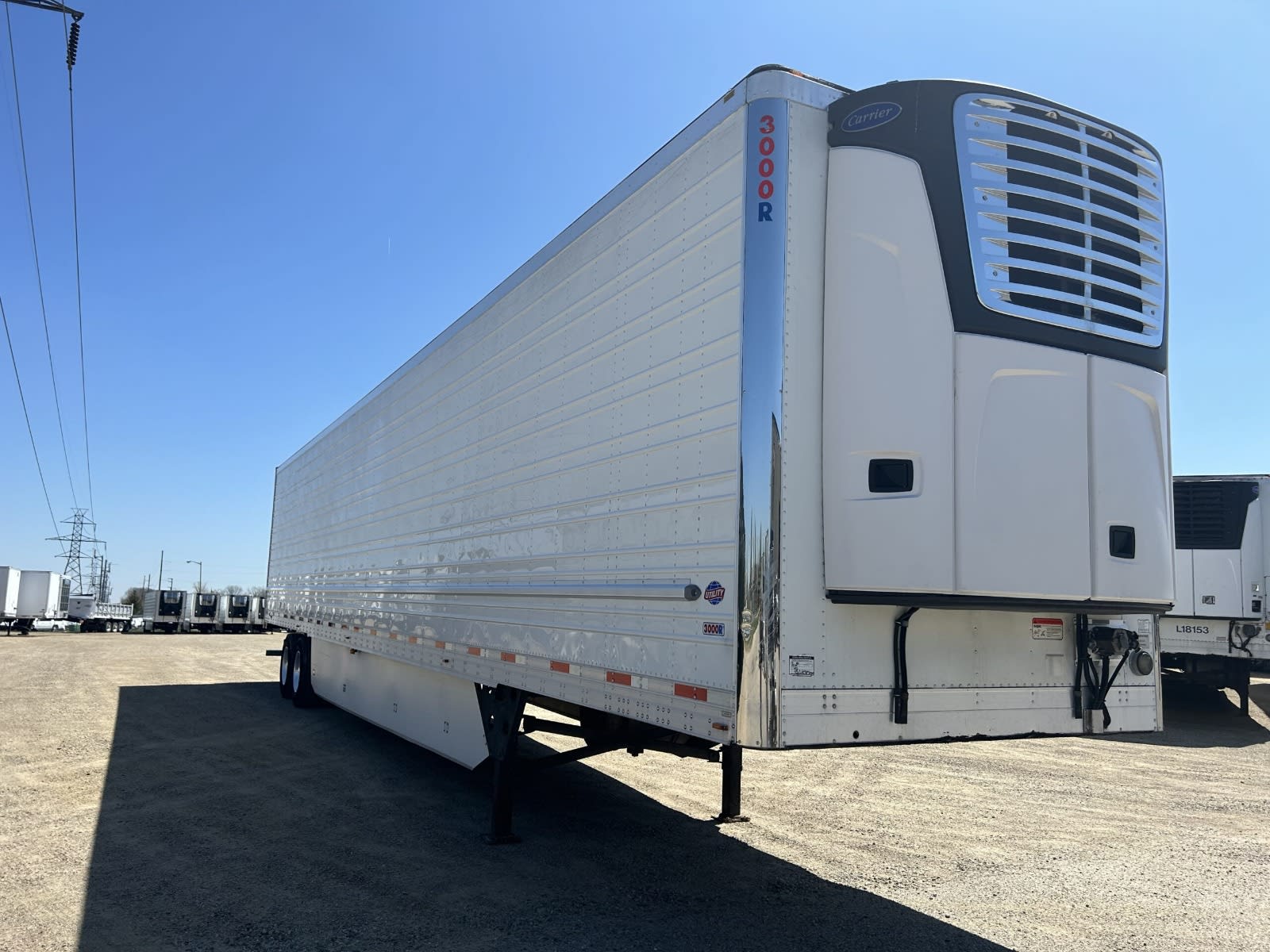
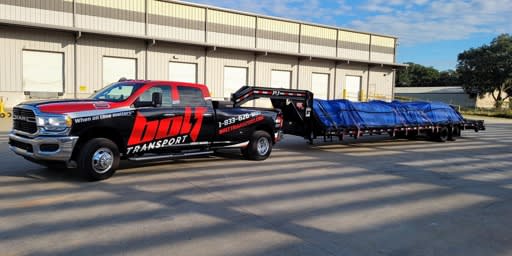
Consumer goods, agricultural freight and barge/rail-connected freight fill the trailers heading southeast.
- Food Products
- Industrial Equipment
- Consumer Goods
What makes the Sioux Falls to St. Louis lane difficult?
The length requires careful hours-of-service and multi-day trip planning
The length requires careful hours-of-service and multi-day trip planning.
Winter weather exposure is significant on the northern half of this route
Winter weather exposure is significant on the northern half of this route.
Farm freight ties part of capacity to harvest timing from August through October
Farm freight ties part of capacity to harvest timing from August through October.
What freight moves on the Sioux Falls to St. Louis lane?
What travels between Sioux Falls and St. Louis, and why the river-and-rail confluence matters here.
Primary Commodities
- •Food Products
- •Industrial Equipment
- •Consumer Goods
Secondary Commodities
- •Barge/rail-connected freight (St. Louis)
- •Agricultural-connected freight
- •Consumer goods
Seasonal Cargo
Peak seasons for this lane:
- •Farm commodities (fall harvest)
- •Consumer goods (holiday surge)
- •Barge/rail-connected freight (steady)
When is the Sioux Falls to St. Louis lane busiest?
Fall harvest timing drives this lane's origin-side demand.
Q1 (Jan-Mar): Slow Period?
A real dip after harvest wraps and before spring planting begins.
Q4 (Oct-Dec): Peak Period?
Consumer goods climb from October through December.
Produce Season?
The fall harvest is a real factor for this corridor's origin-side freight.
- •Fall harvest season (Aug-Oct)
- •Q4 holiday retail season
- •Steady barge/rail-connected freight year-round
Hurricane Risk?
None. Winter weather across the northern Plains is this corridor's real seasonal risk.
Seasonal Strategy Summary
This lane runs steady year-round, without a major seasonal swing to plan around.
How do I negotiate the best rate on the Sioux Falls to St. Louis lane?
When to book, who pays extra, and which loads need a harvest-season plan.
When to Book
Suggested booking window:
2-3 days out is typical for a haul this long.
What Brokers Pay More
Loads that command more:
Time-critical barge/rail-connected and harvest-season freight tends to pay a premium.
When to Avoid
Loads to price carefully:
Be careful committing to a tight winter delivery without checking northern Plains road conditions.
Rate Negotiation Tips for Sioux Falls to St. Louis
- •
This is a long haul at 555 miles, so plan for a solid one-day trip.
- •
Barge-linked freight is worth asking about given St. Louis's ranking as the country's most efficient inland port.
- •
Financial-services-linked freight out of Sioux Falls is another option here.
How do I find a backhaul load on the Sioux Falls to St. Louis lane?
St. Louis's multimodal hub role makes a northbound load realistic.
Best Return Cities
Where to look for the return load:
- •St. Louis, MO
- •Regional distribution hubs near St. Louis
Deadhead Risk %
Deadhead risk on this lane: 25-30%
With barge, rail and highway freight all converging at St. Louis, there is real backhaul variety.
Alternative Routes
If the first load falls through, try these:
- •St. Louis's varied freight base offers many backhaul options that don't rise and fall together.
Backhaul Optimization Tips
- •
St. Louis's inland port efficiency gives you real backhaul options.
- •
Sioux Falls's financial-services and meat-processing base keeps northbound loads flowing too.
- •
Give yourself real recovery time after this long run before your next dispatch.
What do experienced dispatchers know about the Sioux Falls to St. Louis lane?
Three notes before this Northern Plains river-corridor run.
Plan your multi-day route with fuel and rest stops before departing.
Check northern Plains winter road conditions closely before a late-fall through early-spring run.
Book harvest-season freight early given the tie to the regional farm calendar.
St. Louis's inland port ranks as the country's most efficient by tons per river mile. Worth asking about barge-fed freight specifically.
Sioux Falls to St. Louis Lane FAQs
Answers on drive time, St. Louis's multimodal hub role, and the harvest calendar.
The lane data shows about $1,311 - $1,568 per load, or $2.30 - $2.75 a mile, across 570 miles.
It's a multi-day run given the 570 miles.
It sits at the confluence of the Missouri and Mississippi rivers, anchoring a major barge, rail and distribution hub.
Yes, generally, given the city's multimodal freight base.
Other South Dakota freight lanes we dispatch
- Sioux Falls to Cheyenne
- Sioux Falls to Chicago
- Sioux Falls to Aberdeen
- Sioux Falls to Bismarck
- Sioux Falls to Billings
- Sioux Falls to Green Bay
Local resources
Also serving the other end of this lane
Dry Van owner-operator, Midwest: +$1,950/week after moving to $2.65/mi on produce / auto parts freight.
Read the case studyNeed help running Sioux Falls, SD to St. Louis, MO consistently?
Running Sioux Falls to St. Louis often? Ask about a free custom growth plan.