
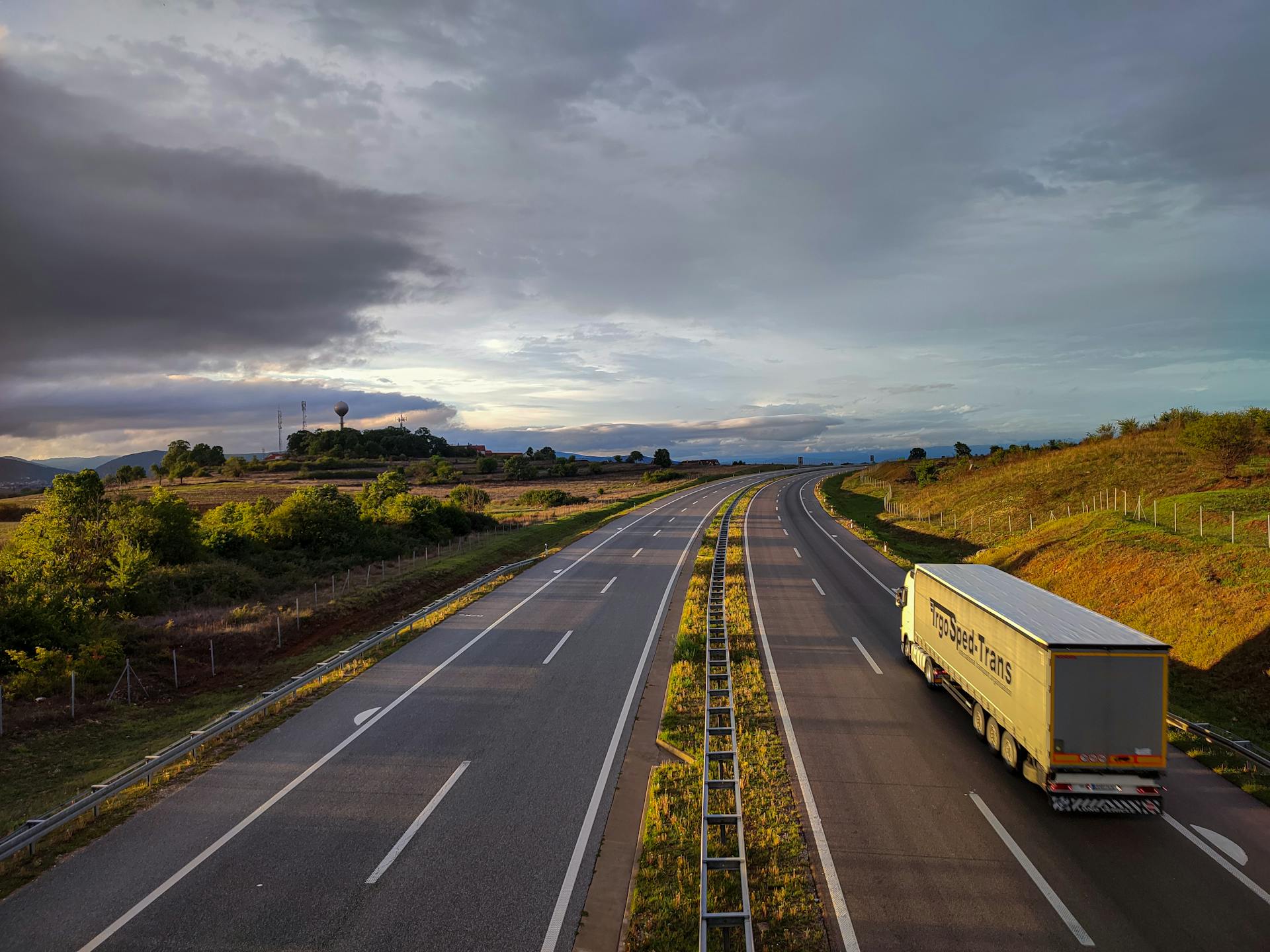
Los Angeles to Fresno Truck Dispatch
Freight route connecting Los Angeles, CA to Fresno, CA (220 miles). Connects LA to the Central Valley's agricultural freight base via CA-99.
What do truck dispatch rates run from Los Angeles to Fresno?
Los Angeles to Fresno is a 220-mile lane paying about $517 - $605 per load, near $2.35 - $2.75 a mile. The lane data lists transit as same-day, 3.5 hours. Freight is mostly agricultural products, food products and consumer goods.
- Distance
- 220 miles
- Avg. rate / load
- $517 - $605
- Rate per mile
- $2.35 - $2.75
- Transit time
- Same day / 3.5 hrs
- Deadhead risk
- 15-20%
Lane rates reviewed September 2026. These numbers follow 2026 spot-market pricing and shift hard with the harvest calendar; expect a premium during peak produce season. See our dispatch fee structure.
Los Angeles to Fresno
Los Angeles to Fresno is a 220-mile run north on Highway 99, about 3.5 hours of driving. Fresno is the agricultural freight engine of California's Central Valley, the top farm county in the country, shipping grapes, almonds, pistachios, tomatoes, citrus and dairy, nearly all of it by truck and much of it in reefers. The season shifts through the year: stone fruit peaks in May and June, table grapes run August through October, and almonds and citrus follow into late fall and winter. The busiest corridor by truck volume in the area is the SR-180/SR-99 stack near the Selma and Kingsburg agricultural exits.
Origin
Los Angeles, CA
Destination
Fresno, CA
Distance
220 miles
Transit Time
Same day / 3.5 hrs
Average Rate
$517 - $605
Rate per Mile
$2.35 - $2.75
220-mile lane, typically a same-day run on Highway 99
Fresno is the #1 agricultural county in the US by production
The SR-180/SR-99 stack near Selma and Kingsburg is the busiest local freight corridor
Los Angeles to Fresno: route facts a driver should know
Fresno County leads the nation in agricultural production
Fresno County produces more than $9 billion in annual agricultural output, with major commodities including grapes, almonds, pistachios, tomatoes, dairy products, poultry and cattle. Fresno's central location reaches more than 40 million people in a single day's drive.
Source: MET CO USA, Central Valley agricultural logistics overview. Checked 29 Sep 2026.
Freight rates have dropped sharply since 2020
Freight that cost $100 to $110 a ton in 2020 now moves for $60 to $70 a ton in the Fresno market, reflecting significant changes in trucking economics driven by tariff pressure and shifting agricultural, manufacturing and retail demand.
Source: Conner Logistics, Fresno tariff impact analysis. Checked 29 Sep 2026.
A short lane: you likely won't need the 30-minute break
FMCSA requires a 30-minute break after 8 cumulative hours of driving without one. This 220-mile lane runs about 3.5 hours, so most drivers can finish it without a required break.
Source: FMCSA, Summary of Hours of Service Regulations. Checked 29 Sep 2026.
Diesel for this lane
How much is the diesel for Los Angeles to Fresno?
About $278.96 this week. The lane is 220 miles. A truck that gets 6.5 miles per gallon uses about 34 gallons, and diesel is averaging $8.24 a gallon on this lane (week of October 19, 2026). The U.S. average diesel price is up 10 cents this week.
An estimate. It uses EIA's weekly average for this region, not the price at each pump. Your mpg and fuel card discounts change it.
- Distance
- 220 mi
- Diesel needed
- 34 gal
- Price used
- $8.24/gal
- Fuel cost
- $278.96
Common Freight Types
Agricultural products, food products and consumer goods fill the trailers on this Central Valley run.
- Agricultural Products
- Food Products
- Consumer Goods
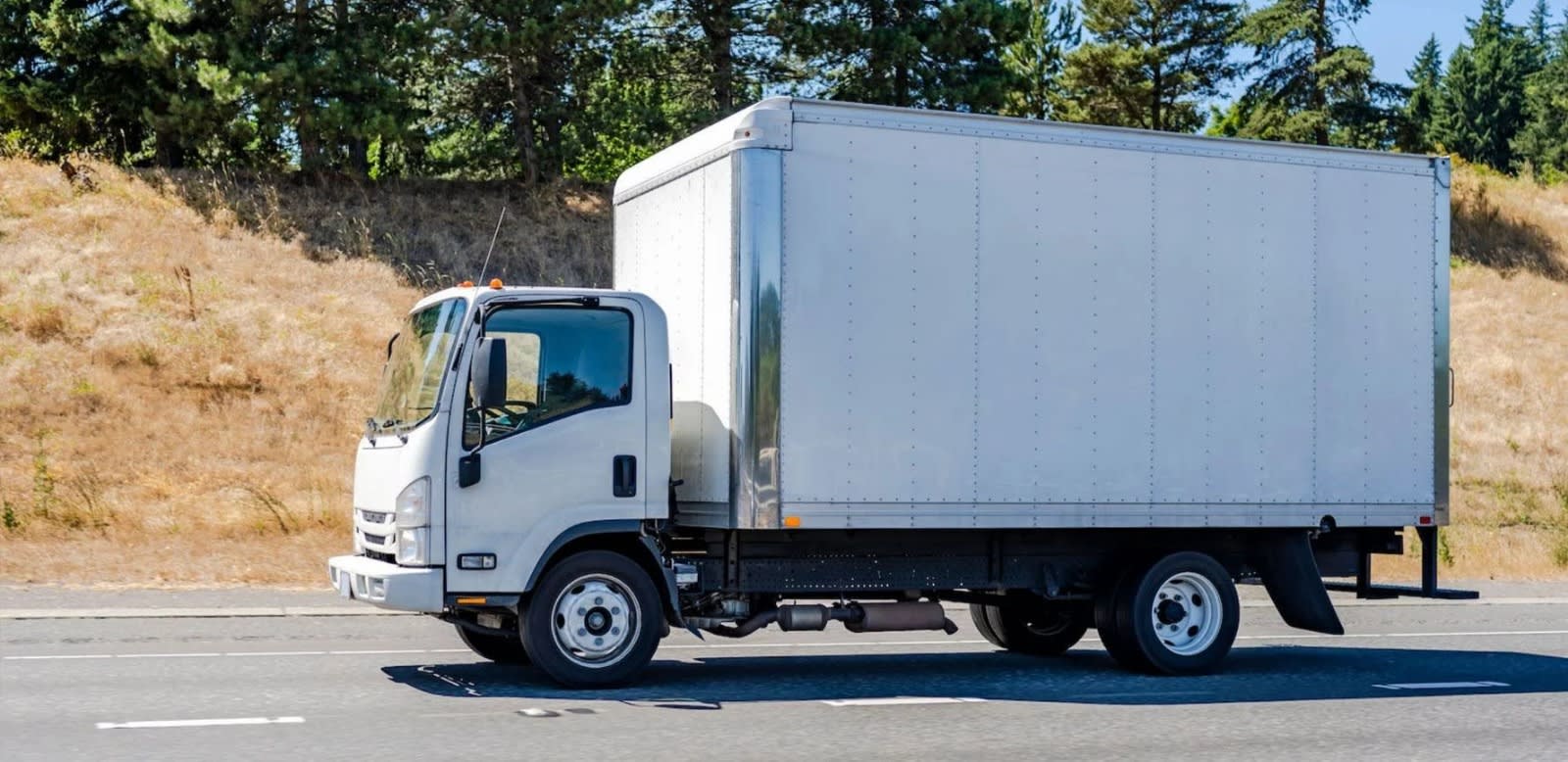
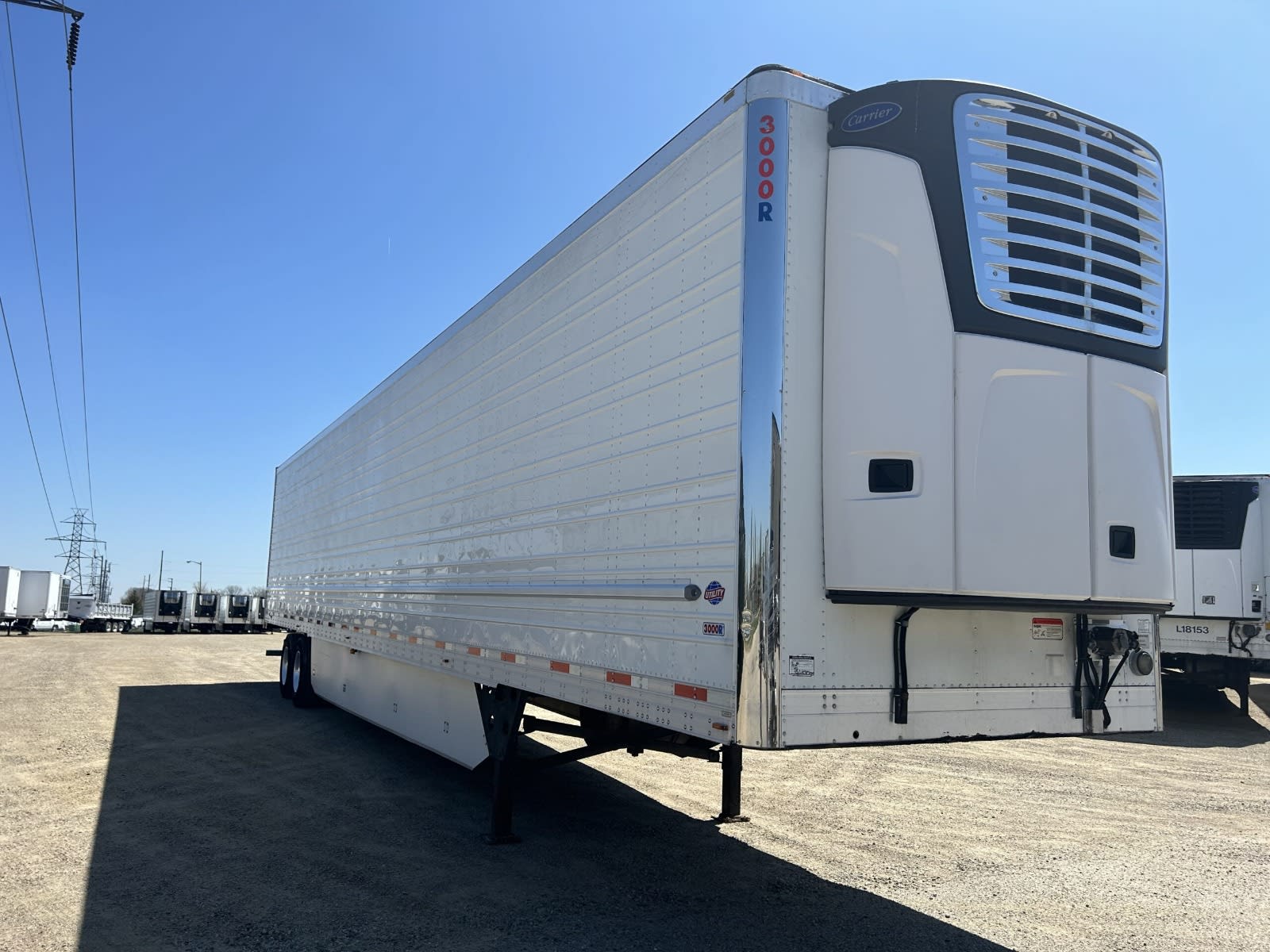
What makes the Los Angeles to Fresno lane difficult?
Harvest-season freight is heavily reefer-dependent, and reefer capacity tightens during peak weeks
Harvest-season freight is heavily reefer-dependent, and reefer capacity tightens during peak weeks.
The Selma/Kingsburg agricultural exit area gets congested during harvest
The Selma/Kingsburg agricultural exit area gets congested during harvest.
Central Valley summer heat is intense and hard on reefer units
Central Valley summer heat is intense and hard on reefer units.
What freight moves on the Los Angeles to Fresno lane?
What Fresno ships by season, and when each crop peaks.
Primary Commodities
- •Agricultural Products
- •Food Products
- •Consumer Goods
Secondary Commodities
- •Reefer produce freight
- •Dairy products
- •Food processing freight
Seasonal Cargo
Peak seasons for this lane:
- •Agricultural products (spring-fall harvest cycles)
- •Food products (year-round)
- •Consumer goods (steady)
When is the Los Angeles to Fresno lane busiest?
The harvest calendar drives this lane more than anything else.
Q1 (Jan-Mar): Slow Period?
Winter is the quietest stretch for produce, though citrus runs November through April and keeps some reefer freight moving.
Q4 (Oct-Dec): Peak Period?
Almond harvest wraps up and citrus season ramps up in the fall, keeping freight steady into winter.
Produce Season?
The defining factor on this lane. April through July, produce season pushes rates $0.15-$0.34 a mile higher, and the harvest calendar (stone fruit, grapes, almonds, citrus) drives capacity all year.
- •Stone fruit (May-June)
- •Table grapes (August-October)
- •Almonds and citrus (fall-winter)
Hurricane Risk?
None. This is an inland Central Valley route with no hurricane exposure.
Seasonal Strategy Summary
Agricultural freight out of Fresno peaks with the Central Valley harvest calendar through summer and fall, with steadier general freight the rest of the year.
How do I negotiate the best rate on the Los Angeles to Fresno lane?
When to book, what pays a premium, and what needs a reefer plan.
When to Book
Suggested booking window:
Book further ahead during peak harvest weeks (May-October) when reefer capacity tightens.
What Brokers Pay More
Loads that command more:
Reefer produce freight during produce season (April-July) pays a real premium, $0.15-$0.34 a mile above the rest of the year.
When to Avoid
Loads to price carefully:
Be careful committing to a tight window during the August-October table grape rush without confirming reefer availability first.
Rate Negotiation Tips for Los Angeles to Fresno
- •
Check current per-ton freight rates before quoting, since Fresno-market pricing has dropped roughly 35 to 40 percent since 2020.
- •
This short lane pairs well with a same-day return given the roughly 3.5-hour drive.
- •
Confirm your truck's Clean Truck Check status before dispatching into California.
How do I find a backhaul load on the Los Angeles to Fresno lane?
Fresno's agricultural volume keeps freight moving in both directions during harvest season.
Best Return Cities
Where to look for the return load:
- •Fresno, CA
- •Regional distribution hubs near Fresno
Deadhead Risk %
Deadhead risk on this lane: 15-20%
Backhaul availability tracks the harvest calendar closely; it is easiest during peak season and thinner in the off months.
Alternative Routes
If the first load falls through, try these:
- •Southbound produce and packaged food freight from Fresno-area cold storage into LA distribution centers is plentiful, especially during and after harvest season.
Backhaul Optimization Tips
- •
Fresno's massive agricultural output gives this lane a genuine, if seasonal, backhaul market for reefer and dry van freight.
- •
With about 3.5 hours of driving each way, a same-day round trip is realistic.
- •
Ask brokers about specific commodity freight (grapes, almonds, pistachios) tied to harvest timing.
What do experienced dispatchers know about the Los Angeles to Fresno lane?
Three notes before you haul into the Central Valley.
If hauling produce, confirm reefer temperature requirements before you load; different crops need different settings.
Expect tighter capacity and higher rates during the August-October table grape rush.
Build in extra time near the Selma/Kingsburg exits during harvest weeks.
Watch for tule fog on Highway 99 in winter mornings; visibility can drop fast.
Before you book Los Angeles to Fresno, confirm current per-ton freight rates, since pricing here has shifted significantly since 2020.
Los Angeles to Fresno Lane FAQs
Answers on driving time, produce season, and reefer freight.
The lane data shows about $517 - $605 per load, or $2.35 - $2.75 a mile, across 220 miles, with real seasonal swings tied to the harvest calendar.
April through July is the defined produce season, pushing rates $0.15-$0.34 a mile higher. Within that, stone fruit peaks in May-June and table grapes run August-October.
It is the #1 agricultural county in the US, shipping grapes, almonds, pistachios, tomatoes, citrus and dairy, nearly all of it by truck.
Often, yes, for produce and dairy freight. Confirm the required temperature setting before you load, since different crops need different settings.
Other California freight lanes we dispatch
- Los Angeles to Dallas
- Los Angeles to Sacramento
- Los Angeles to Houston
- Los Angeles to Seattle
- Los Angeles to Denver
- Los Angeles to Salt Lake City
Local resources
Dry Van owner-operator, West Coast: +$2,010/week after moving to $2.62/mi on general freight / consumer goods freight.
Read the case studyNeed help running Los Angeles, CA to Fresno, CA consistently?
Running Los Angeles to Fresno often? Ask about a free custom growth plan.