
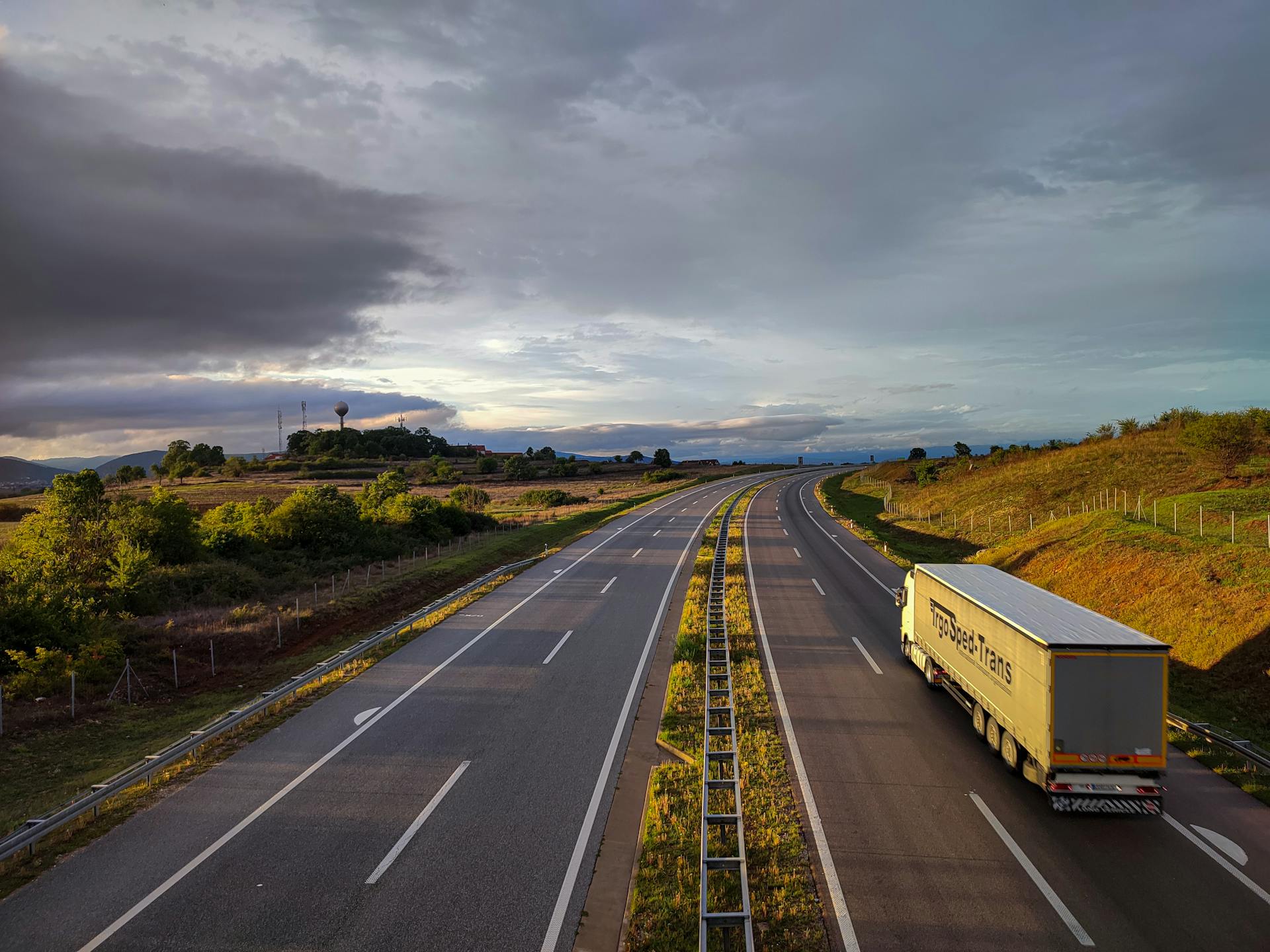
Los Angeles to Denver Truck Dispatch
Freight route connecting Los Angeles, CA to Denver, CO (1015 miles). Denver's Mountain West distribution hub connects via I-15/I-70.
What do truck dispatch rates run from Los Angeles to Denver?
Los Angeles to Denver is a 1,015-mile lane paying about $2,132 - $2,538 per load, near $2.10 - $2.50 a mile. The lane data lists transit as 1-2 days. Freight is mostly retail distribution, energy equipment and consumer goods.
- Distance
- 1015 miles
- Avg. rate / load
- $2,132 - $2,538
- Rate per mile
- $2.10 - $2.50
- Transit time
- 1-2 days
- Deadhead risk
- 30-35%
Lane rates reviewed September 2026. These numbers follow 2026 spot-market pricing and shift with fuel prices and winter mountain conditions. See our dispatch fee structure.
Los Angeles to Denver
Los Angeles to Denver is a 1,015-mile, 1-to-2-day run, mostly on I-15 to I-70. Denver sits where I-25, I-70 and I-76 meet, making it what industry sources call the undisputed logistics hub of the Mountain West, with more than $320 billion in freight flowing through the metro each year. The DIA corridor in northeast Denver, near Denver International Airport, has become the hottest warehouse submarket in the state. Along the way, I-70 climbs through the Rocky Mountains, including the Eisenhower Tunnel, one of the highest points on the Interstate system, where winter weather and chain requirements are common.
Origin
Los Angeles, CA
Destination
Denver, CO
Distance
1015 miles
Transit Time
1-2 days
Average Rate
$2,132 - $2,538
Rate per Mile
$2.10 - $2.50
1,015-mile lane, typically a 1-2 day run on I-15 to I-70
Denver is the Mountain West's logistics hub, with more than $320 billion in freight flowing through it a year
I-70 crosses the Rockies through the Eisenhower Tunnel, where winter chain requirements are common
Los Angeles to Denver: route facts a driver should know
CARB's Clean Truck Check now runs twice a year
California's Clean Truck Check program requires most diesel trucks over 14,000 pounds to pass emissions testing twice a year, with deadlines tied to DMV registration, applying to out-of-state trucks operating in California too.
Source: California Air Resources Board, Clean Truck Check overview. Checked 29 Sep 2026.
A long lane: plan for a real HOS break
FMCSA requires a 30-minute break after 8 cumulative hours of driving without one. This 1,015-mile lane runs well over one driving day, so plan multiple breaks and possibly an overnight stop.
Source: FMCSA, Summary of Hours of Service Regulations. Checked 29 Sep 2026.
Diesel for this lane
How much is the diesel for Los Angeles to Denver?
About $1144.92 this week. The lane is 1,015 miles. A truck that gets 6.5 miles per gallon uses about 156 gallons, and diesel is averaging $7.33 a gallon on this lane (week of October 19, 2026). The U.S. average diesel price is up 10 cents this week.
An estimate. It uses EIA's weekly average for the two regions this lane connects, not the price at each pump. Your mpg and fuel card discounts change it.
- Distance
- 1,015 mi
- Diesel needed
- 156 gal
- Price used
- $7.33/gal
- Fuel cost
- $1144.92
Common Freight Types
Retail distribution, energy equipment and consumer goods fill the trailers heading to the Mountain West.
- Retail Distribution
- Energy Equipment
- Consumer Goods
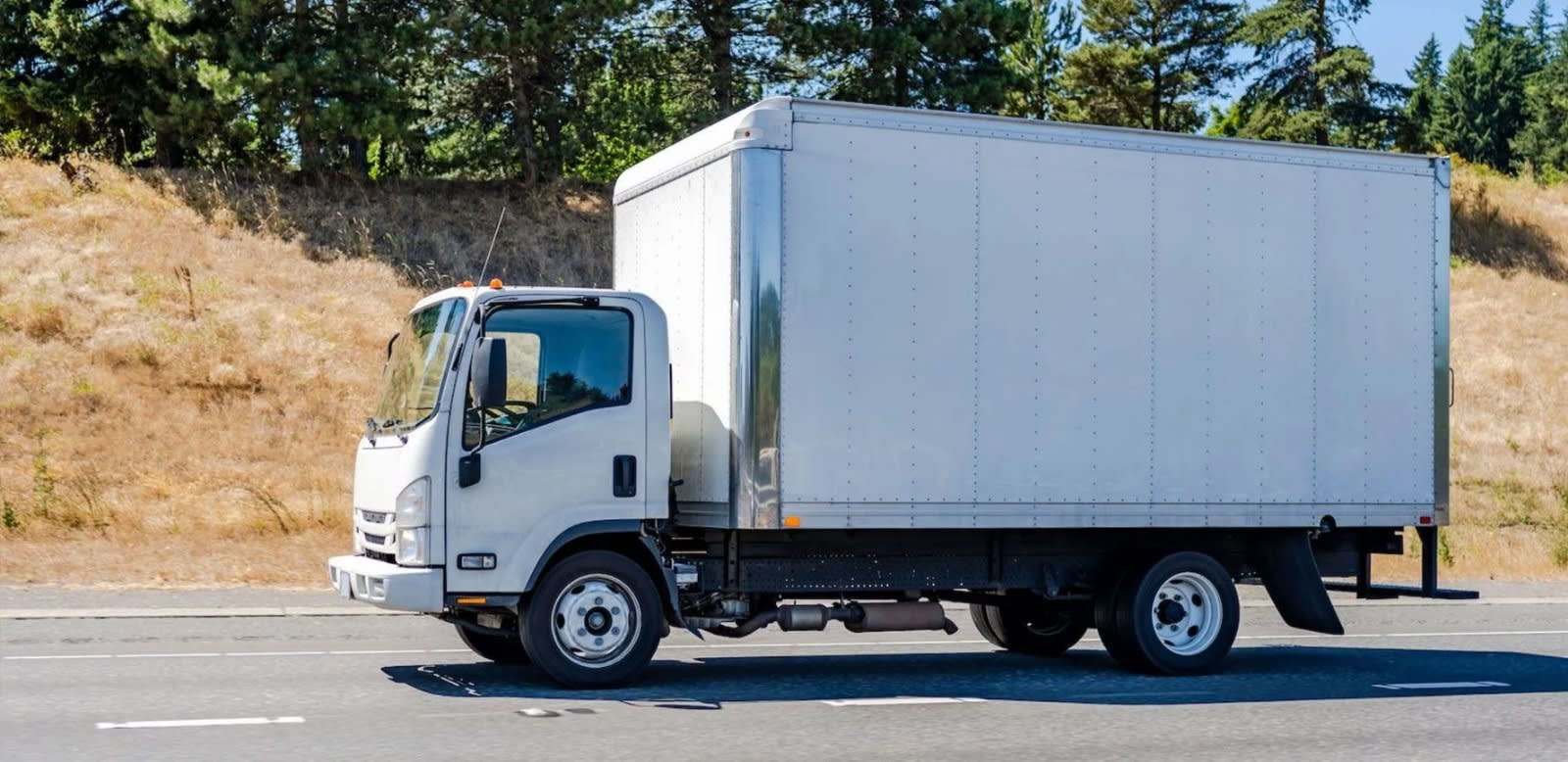
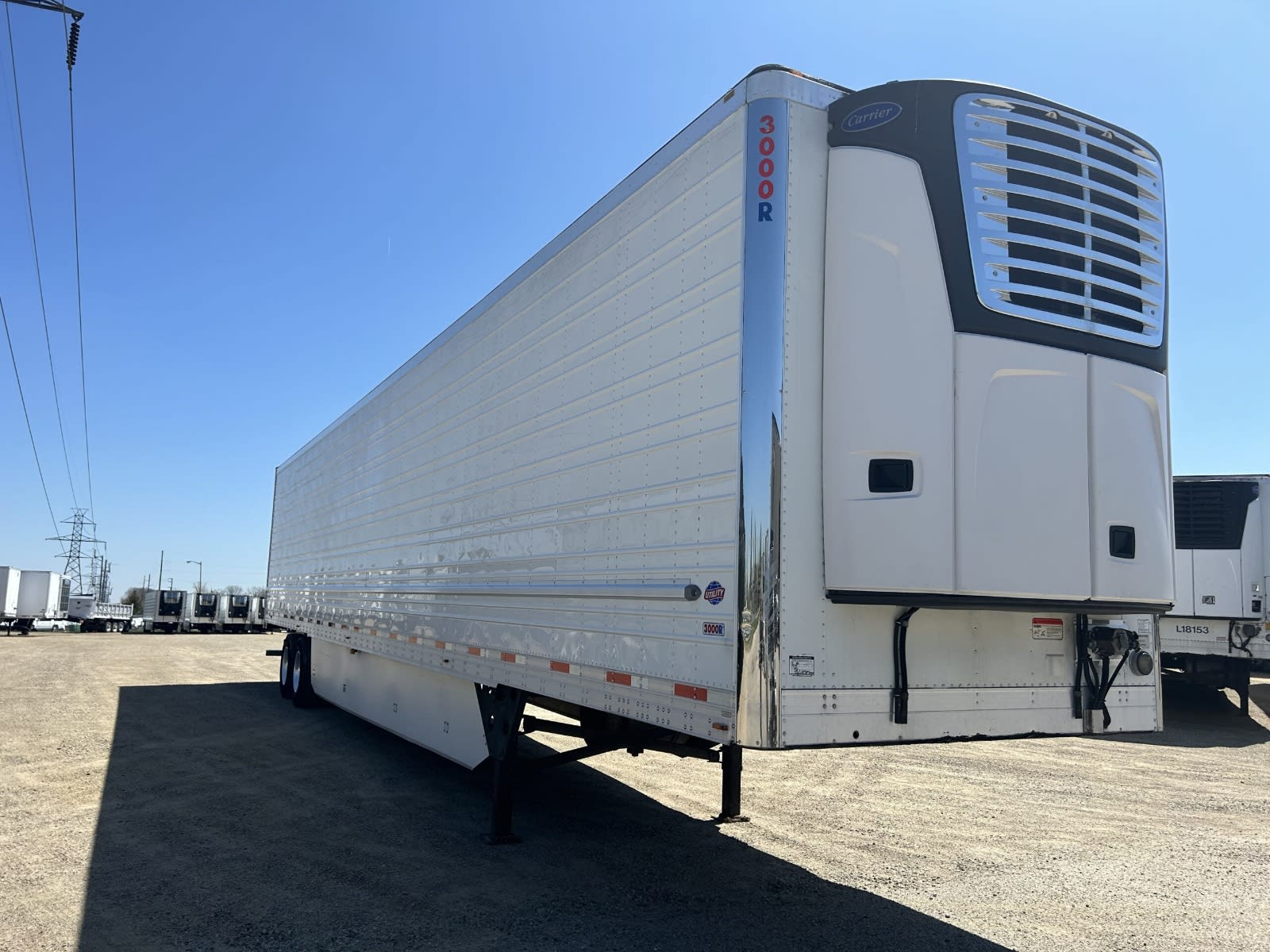
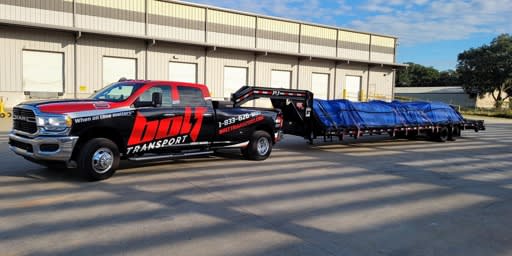
What makes the Los Angeles to Denver lane difficult?
I-70 through the Rockies, especially near the Eisenhower Tunnel, sees real winter weather and chain requirements
I-70 through the Rockies, especially near the Eisenhower Tunnel, sees real winter weather and chain requirements.
Mountain grades and altitude can affect equipment differently than flatland driving
Mountain grades and altitude can affect equipment differently than flatland driving.
The length requires proper HOS planning across the trip
The length requires proper HOS planning across the trip.
What freight moves on the Los Angeles to Denver lane?
What travels between Los Angeles and Denver, and when the busy weeks fall.
Primary Commodities
- •Retail Distribution
- •Energy Equipment
- •Consumer Goods
Secondary Commodities
- •Energy equipment
- •Denver International Airport-area air cargo freight
- •E-commerce fulfillment freight
Seasonal Cargo
Peak seasons for this lane:
- •Retail distribution (holiday surge)
- •Energy equipment (steady)
- •Consumer goods (steady)
When is the Los Angeles to Denver lane busiest?
Retail timing and mountain winter weather both shape this lane.
Q1 (Jan-Mar): Slow Period?
A modest dip after the holidays, cushioned by steady energy-sector freight.
Q4 (Oct-Dec): Peak Period?
Retail distribution climbs from October through December.
Produce Season?
Not a major factor on this route.
- •Q4 holiday retail season
- •Steady energy-sector freight
- •Ski-season freight into the mountains
Hurricane Risk?
None. Winter mountain weather on I-70 through the Rockies is the real seasonal risk, not hurricanes.
Seasonal Strategy Summary
Distribution freight on this lane runs steady most of the year, with winter mountain-pass conditions through Utah and Colorado adding real time from November through March.
How do I negotiate the best rate on the Los Angeles to Denver lane?
When to book, who pays extra, and which loads need a mountain-weather plan.
When to Book
Suggested booking window:
3-4 days out is typical for this haul, more during winter mountain weather.
What Brokers Pay More
Loads that command more:
Time-critical energy-sector freight tends to pay a premium.
When to Avoid
Loads to price carefully:
Be careful committing to a fixed winter delivery date through the Eisenhower Tunnel area without a weather contingency.
Rate Negotiation Tips for Los Angeles to Denver
- •
Plan your route and any overnight stop before you leave Los Angeles. This lane runs well beyond a single driving day.
- •
Confirm your truck's Clean Truck Check status before departing California.
- •
Winter mountain-pass conditions through Utah and Colorado can add real time. Check conditions before a late-fall through early-spring run.
How do I find a backhaul load on the Los Angeles to Denver lane?
Denver's role as the Mountain West's logistics hub gives good odds on a westbound load.
Best Return Cities
Where to look for the westbound load:
- •Denver, CO
- •Regional distribution hubs near Denver
Deadhead Risk %
Deadhead risk on this lane: 30-35%
Denver's $320 billion in annual freight volume and its energy sector both add backhaul options beyond straight retail.
Alternative Routes
If the first load falls through, try these:
- •Denver is a distribution hub, so westbound freight exists. But expect more deadhead risk than on coastal West Coast lanes, because the mountain corridor has less freight overall.
Backhaul Optimization Tips
- •
Denver's growing distribution and e-commerce network gives this lane strong backhaul options.
- •
Consider a mid-route reload near Las Vegas or Salt Lake City if a full round trip doesn't pencil out on one load.
- •
Check winter mountain-pass conditions for your return trip too.
What do experienced dispatchers know about the Los Angeles to Denver lane?
Three notes before you cross the Rockies.
Check chain requirements for I-70 through the Rockies before a winter run; the Eisenhower Tunnel area is a common trouble spot.
Watch your engine temperature on the mountain grades; altitude changes how equipment performs.
The DIA corridor in northeast Denver is the newest, fastest-growing warehouse submarket; confirm which part of the metro your delivery is in.
Check alternate routing options before a winter trip; the I-70 mountain section is not the only way into Denver.
Before you book Los Angeles to Denver, plan your route with a possible overnight stop, since this lane runs well beyond a single driving day.
Los Angeles to Denver Lane FAQs
Answers on drive time, mountain weather, and Denver's freight position.
The lane data shows about $2,132 - $2,538 per load, or $2.10 - $2.50 a mile, across 1,015 miles.
It can, especially near the Eisenhower Tunnel, one of the highest points on the Interstate system. Check Colorado DOT conditions before a winter run.
It sits where I-25, I-70 and I-76 meet, and more than $320 billion in freight flows through the metro each year, making it what industry sources call the undisputed logistics hub of the Mountain West.
Generally reasonable, given Denver's scale as a regional hub and its energy-sector freight base.
Other California freight lanes we dispatch
- Los Angeles to Salt Lake City
- Los Angeles to Seattle
- Los Angeles to Sacramento Valley/Stockton
- Los Angeles to Chicago
- Los Angeles to Reno
- Los Angeles to Portland
Local resources
Also serving the other end of this lane
Dry Van owner-operator, West Coast: +$2,010/week after moving to $2.62/mi on general freight / consumer goods freight.
Read the case studyNeed help running Los Angeles, CA to Denver, CO consistently?
Running Los Angeles to Denver often? Ask about a free custom growth plan.