
Phoenix to Yuma Truck Dispatch
Freight route connecting Phoenix, AZ to Yuma, AZ (185 miles). Connects Phoenix to Yuma's winter produce/reefer freight base via I-8.
What do truck dispatch rates run from Phoenix to Yuma?
Phoenix to Yuma is a 185-mile lane paying about $481 - $555 per load, near $2.60 - $3.00 a mile. Freight is mostly produce/perishables, agricultural equipment and consumer goods, dominated by winter lettuce volume.
- Distance
- 185 miles
- Avg. rate / load
- $481 - $555
- Rate per mile
- $2.60 - $3.00
- Transit time
- Same day / 3 hrs
- Deadhead risk
- 15-20%
Lane rates reviewed September 2026. These numbers follow 2026 spot-market pricing and shift hard with the winter lettuce season. See our dispatch fee structure.
Phoenix to Yuma
Phoenix to Yuma is a 185-mile, 3-hour run west on I-8, ending in what is known as America's winter lettuce capital. Farms around Yuma produce just under 90% of the leafy greens the country eats in winter, more than 91% by some counts, shipping about 1,000 to 1,200 truckloads of lettuce a day at peak season to destinations across the US and Canada. Local processing plants handle more than two million pounds of lettuce a day, and 23 cooling plants bring truck-sized loads down to shipping temperature in under half an hour.
Origin
Phoenix, AZ
Destination
Yuma, AZ
Distance
185 miles
Transit Time
Same day / 3 hrs
Average Rate
$481 - $555
Rate per Mile
$2.60 - $3.00
185-mile lane, typically a 3-hour run on I-8
Yuma produces just under 90% of the winter leafy greens eaten in the US
Yuma ships 1,000 to 1,200 truckloads of lettuce a day at peak season
Phoenix to Yuma: route facts a driver should know
Yuma supplies 80 to 90 percent of America's winter leafy greens
Yuma's mild winters and long growing season let it supply 80 to 90 percent of America's leafy greens during the winter months, producing about 170 million servings of lettuce a day from November through April.
Source: AgNet West, Yuma winter lettuce production overview. Checked 29 Sep 2026.
Nine salad plants and 23 cooling plants keep freight moving fast
Yuma is home to nine salad-processing plants, each handling more than 2 million pounds of lettuce a day at peak, plus 23 cooling plants that chill truck-sized loads of vegetables to shipping temperature in under 30 minutes.
Source: AgNet West, Yuma winter lettuce production overview. Checked 29 Sep 2026.
A short lane: you likely won't need the 30-minute break
FMCSA requires a 30-minute break after 8 cumulative hours of driving without one. This 185-mile lane runs about 3 hours, so most drivers can finish it without a required break.
Source: FMCSA, Summary of Hours of Service Regulations. Checked 29 Sep 2026.
Diesel for this lane
How much is the diesel for Phoenix to Yuma?
About $210.44 this week. The lane is 185 miles. A truck that gets 6.5 miles per gallon uses about 28 gallons, and diesel is averaging $7.39 a gallon on this lane (week of October 19, 2026). The U.S. average diesel price is up 10 cents this week.
An estimate. It uses EIA's weekly average for this region, not the price at each pump. Your mpg and fuel card discounts change it.
- Distance
- 185 mi
- Diesel needed
- 28 gal
- Price used
- $7.39/gal
- Fuel cost
- $210.44
Common Freight Types
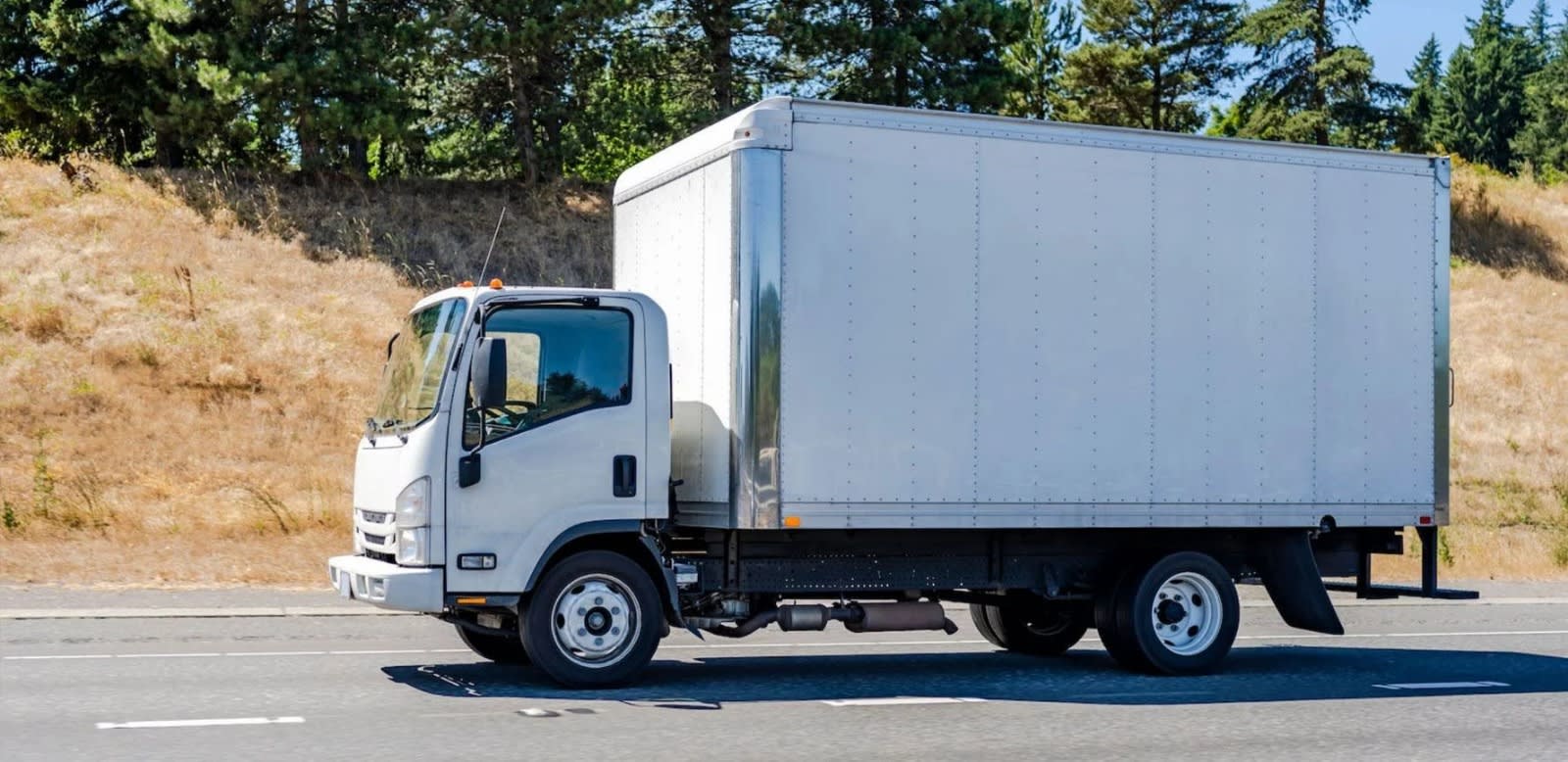
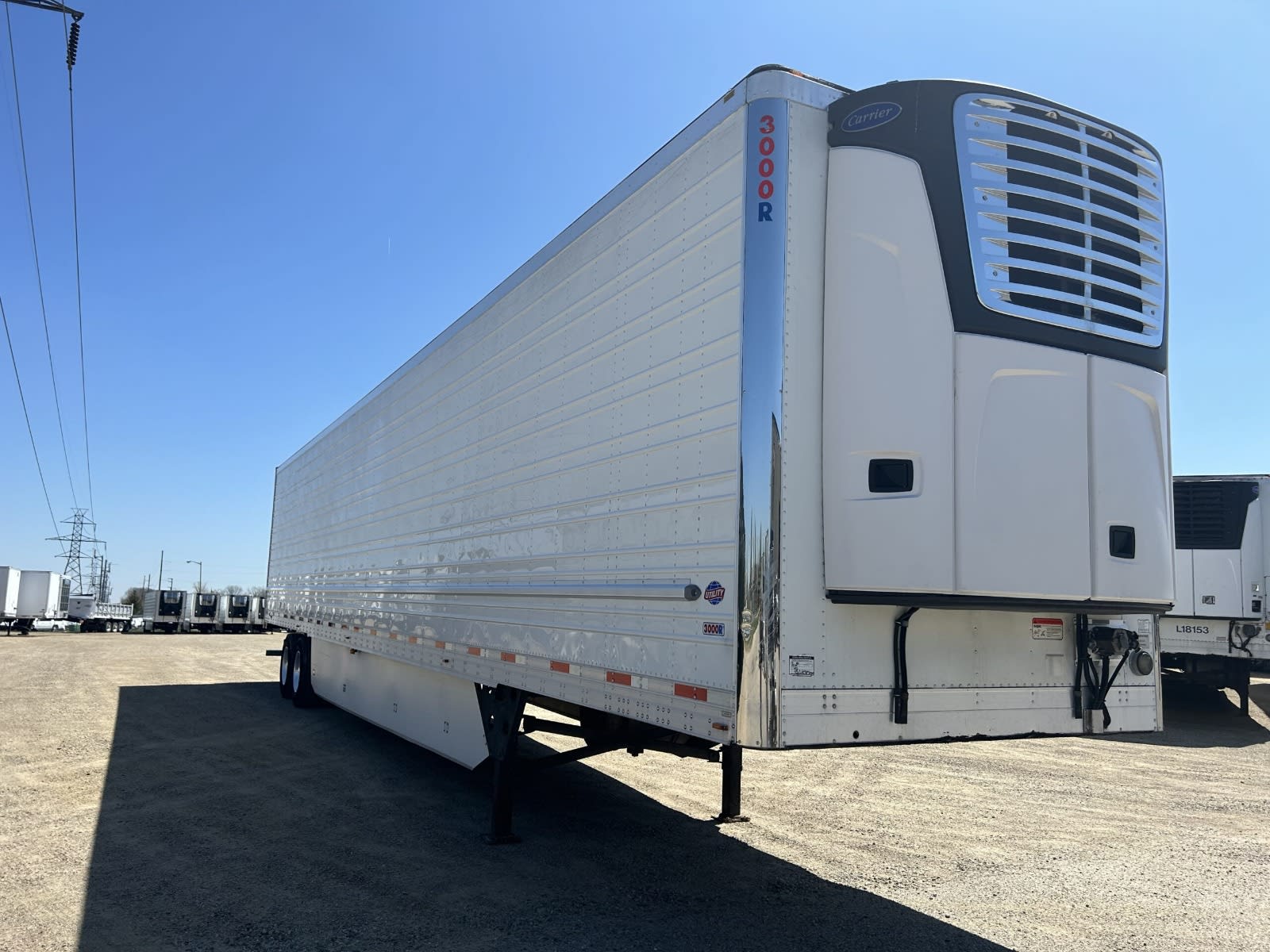
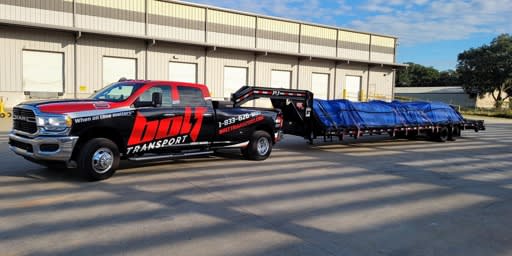
Produce and perishables, agricultural equipment and consumer goods fill the trailers on this short desert run.
- Produce/Perishables
- Agricultural Equipment
- Consumer Goods
What makes the Phoenix to Yuma lane difficult?
Winter peak season means real competition for reefer capacity
Winter peak season means real competition for reefer capacity.
A 2025 agricultural labor shortage has affected harvest timing in the region
A 2025 agricultural labor shortage has affected harvest timing in the region.
Summer heat outside the lettuce season leaves the lane much quieter
Summer heat outside the lettuce season leaves the lane much quieter.
What freight moves on the Phoenix to Yuma lane?
What Yuma ships in season, and how much of the country's winter greens come from here.
Primary Commodities
- •Produce/Perishables
- •Agricultural Equipment
- •Consumer Goods
Secondary Commodities
- •Leafy greens (lettuce, other winter vegetables)
- •Agricultural equipment
- •Citrus
Seasonal Cargo
Peak seasons for this lane:
- •Produce/perishables (winter peak, up to 1,200 truckloads a day)
- •Agricultural equipment (seasonal)
- •Consumer goods (steady, smaller share)
When is the Phoenix to Yuma lane busiest?
Winter is the defining season here, the opposite of most other lanes.
Q1 (Jan-Mar): Slow Period?
Not slow at all: this is peak winter lettuce season, when this lane is at its busiest.
Q4 (Oct-Dec): Peak Period?
Volume ramps up sharply as the winter lettuce and vegetable season begins.
Produce Season?
The entire reason for this lane. Yuma's winter growing season drives close to 90% of the country's leafy greens, with up to 1,200 truckloads a day at peak.
- •Winter lettuce season (peak volume)
- •Steady processing freight during the season
- •Off-season is notably quiet
Hurricane Risk?
None. This is a desert route; the off-season quiet, not weather, is the bigger planning factor.
Seasonal Strategy Summary
Reefer produce freight out of Yuma runs at its most intense from November through April, then drops off sharply through the summer as the growing season ends.
How do I negotiate the best rate on the Phoenix to Yuma lane?
When to book, what pays a premium, and what to expect off-season.
When to Book
Suggested booking window:
Book well ahead during peak winter season, when reefer capacity is tightest.
What Brokers Pay More
Loads that command more:
Time-critical reefer produce freight during peak lettuce season pays a real premium.
When to Avoid
Loads to price carefully:
Be careful counting on steady freight outside the winter growing season; the lane quiets significantly.
Rate Negotiation Tips for Phoenix to Yuma
- •
Book reefer capacity well ahead during winter season. Yuma runs 1,500 to 2,000 truckloads of produce a day between Thanksgiving and Easter.
- •
Confirm your cooling-plant pickup point, since Yuma's 23 cooling plants each serve specific growers and packers.
- •
This short lane pairs well with a same-day return if the Yuma-side dock window cooperates.
How do I find a backhaul load on the Phoenix to Yuma lane?
During peak season, the sheer volume of outbound produce keeps freight moving both ways.
Best Return Cities
Where to look for the return load:
- •Yuma, AZ
- •Regional distribution hubs near Yuma
Deadhead Risk %
Deadhead risk on this lane: 15-20%
Backhaul availability tracks the growing season closely; it is easiest at peak and thinner in the off months.
Alternative Routes
If the first load falls through, try these:
- •Winter produce freight offers very strong seasonal backhaul demand Nov-March, and thinner demand in summer.
Backhaul Optimization Tips
- •
Yuma's massive winter produce volume gives this lane extremely strong, if seasonal, reefer backhaul demand.
- •
Outside produce season, Yuma's freight volume drops sharply, so confirm current demand before committing to a summer schedule expecting winter-level loads.
- •
With about 3 hours of driving each way, a same-day round trip is realistic during peak season.
What do experienced dispatchers know about the Phoenix to Yuma lane?
Three notes before you haul out of Yuma.
Confirm reefer temperature settings before you load; leafy greens need precise cooling.
Book ahead during peak winter lettuce season, when 1,000+ truckloads a day compete for capacity.
Expect a much quieter lane outside the winter growing season.
Before you book Phoenix to Yuma, confirm current produce-season volume, since demand swings dramatically between winter peak and summer off-season.
Phoenix to Yuma Lane FAQs
Answers on driving time, lettuce season, and reefer requirements.
The lane data shows about $481 - $555 per load, or $2.60 - $3.00 a mile, across 185 miles, with big seasonal swings tied to lettuce volume.
Farms around Yuma produce just under 90% of the leafy greens Americans eat in winter, shipping about 1,000 to 1,200 truckloads a day at peak season.
Yuma's 23 cooling plants bring a truck-sized load down to shipping temperature in under 30 minutes, and local processing plants handle over two million pounds of lettuce a day.
No. It is extremely busy during winter growing season and much quieter the rest of the year, so plan your capacity expectations around the calendar.
Other Arizona freight lanes we dispatch
- Phoenix to Chicago
- Phoenix to Sacramento
- Phoenix to Reno
- Phoenix to Los Angeles
- Phoenix to Las Vegas
- Phoenix to San Diego
Local resources
Reefer owner-operator, Northeast: +$2,100/week after moving to $2.75/mi on produce / pharmaceutical / seafood freight.
Read the case studyNeed help running Phoenix, AZ to Yuma, AZ consistently?
Running Phoenix to Yuma often? Ask about a free custom growth plan.