

Phoenix to Las Vegas Truck Dispatch
Freight route from Phoenix, AZ to Las Vegas, NV (340 miles). It links Phoenix's semiconductor/distribution base to Las Vegas's hospitality and convention supply chain via I-10/US-93.
What do truck dispatch rates run from Phoenix to Las Vegas?
Phoenix to Las Vegas is a 340-mile lane paying about $816 - $952 per load, near $2.40 - $2.80 a mile. Freight is mostly consumer goods, convention/trade show freight and construction materials.
- Distance
- 340 miles
- Avg. rate / load
- $816 - $952
- Rate per mile
- $2.40 - $2.80
- Transit time
- 1 day
- Deadhead risk
- 20-25%
Lane rates reviewed September 2026. These numbers follow 2026 spot-market pricing and shift with the Las Vegas convention calendar. See our dispatch fee structure.
Phoenix to Las Vegas
Phoenix to Las Vegas is a 340-mile, roughly 6-hour run northwest, mostly on US-93. Phoenix ships from what industry writers call the Southwest's distribution backbone, having added 58.9 million square feet of warehouse space between 2019 and 2023, while Las Vegas pulls in convention, gaming and trade show freight. Nevada's weigh station south of Las Vegas near mile marker 25.5 opens without much warning, so keep paperwork current the whole way.
Origin
Phoenix, AZ
Destination
Las Vegas, NV
Distance
340 miles
Transit Time
1 day
Average Rate
$816 - $952
Rate per Mile
$2.40 - $2.80
340-mile lane on US-93
Phoenix added 58.9 million square feet of warehouse space from 2019-2023
Nevada's weigh station near mile marker 25.5 south of Las Vegas opens without warning
Phoenix to Las Vegas: route facts a driver should know
North Las Vegas is one of the fastest-growing logistics clusters in the Southwest
The North Las Vegas industrial zone along I-15 has grown into one of the largest and fastest-growing logistics clusters in the Southwest, with major distribution campuses serving e-commerce, retail and hospitality supply chains.
Source: WARP, Las Vegas freight shipping overview. Checked 29 Sep 2026.
A medium lane: plan for a real HOS break
FMCSA requires a 30-minute break after 8 cumulative hours of driving without one. This 340-mile lane runs close to 5 hours in good conditions, so plan your break into the schedule.
Source: FMCSA, Summary of Hours of Service Regulations. Checked 29 Sep 2026.
Diesel for this lane
How much is the diesel for Phoenix to Las Vegas?
About $386.76 this week. The lane is 340 miles. A truck that gets 6.5 miles per gallon uses about 52 gallons, and diesel is averaging $7.39 a gallon on this lane (week of October 19, 2026). The U.S. average diesel price is up 10 cents this week.
An estimate. It uses EIA's weekly average for this region, not the price at each pump. Your mpg and fuel card discounts change it.
- Distance
- 340 mi
- Diesel needed
- 52 gal
- Price used
- $7.39/gal
- Fuel cost
- $386.76
Common Freight Types
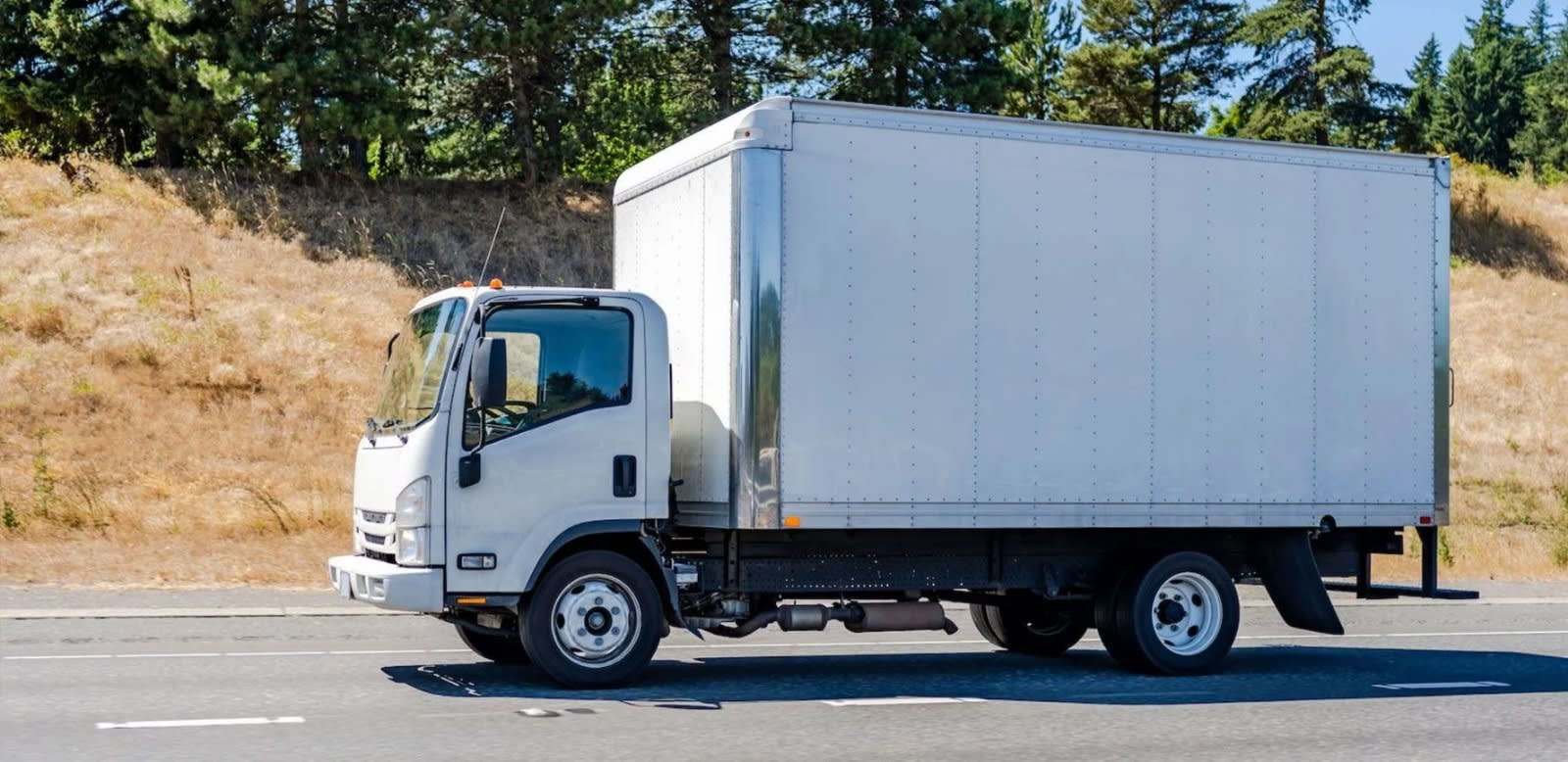
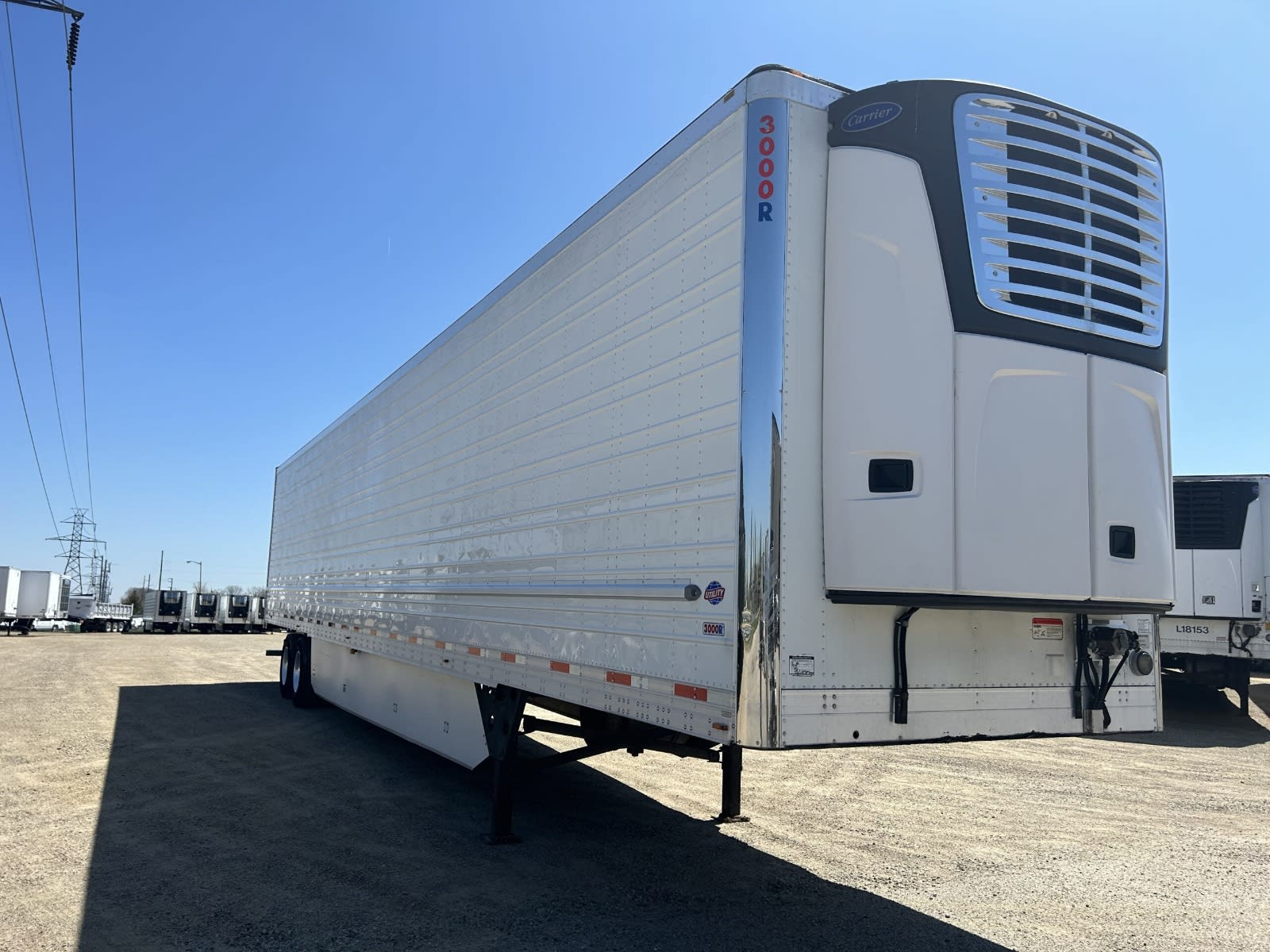
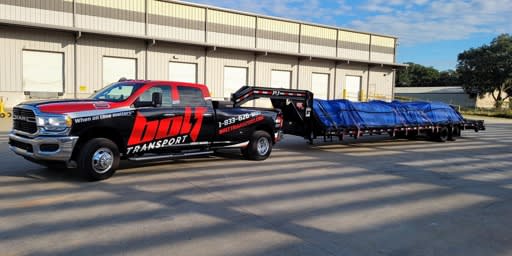
Consumer goods, convention freight and construction materials fill the trailers heading northwest.
- Consumer Goods
- Convention/Trade Show Freight
- Construction Materials
What makes the Phoenix to Las Vegas lane difficult?
US-93 through the Hoover Dam area has lower speed limits and tighter curves than a standard interstate
US-93 through the Hoover Dam area has lower speed limits and tighter curves than a standard interstate.
Convention-week freight in Las Vegas can mean a tight delivery window
Convention-week freight in Las Vegas can mean a tight delivery window.
Desert heat on both ends in summer
Understanding and preparing for this challenge helps optimize your operations and maximize profitability on this lane.
What freight moves on the Phoenix to Las Vegas lane?
What travels between Phoenix and Las Vegas, and when the busy weeks fall.
Primary Commodities
- •Consumer Goods
- •Convention/Trade Show Freight
- •Construction Materials
Secondary Commodities
- •Gaming and hospitality equipment
- •Trade show displays
- •Construction materials
Seasonal Cargo
Peak seasons for this lane:
- •Consumer goods (Q4 holiday surge)
- •Convention and trade show freight (tied to the Vegas show calendar)
- •Construction materials (spring/summer)
When is the Phoenix to Las Vegas lane busiest?
The Las Vegas convention calendar sets the peaks more than the season does.
Q1 (Jan-Mar): Slow Period?
January dips after the holiday rush, though CES and other early-year conventions soften the drop.
Q4 (Oct-Dec): Peak Period?
Consumer goods climb through October to December as Las Vegas retailers restock.
Produce Season?
Not a factor here.
- •Major Las Vegas convention weeks
- •Q4 holiday retail season
- •Spring/summer construction season
Hurricane Risk?
None. This is an inland desert route; summer heat is the real risk.
Seasonal Strategy Summary
Distribution freight into Las Vegas runs steady year-round, tracking the metro's ongoing warehouse growth more than any single season.
How do I negotiate the best rate on the Phoenix to Las Vegas lane?
When to book, who pays extra, and which loads need a heat plan.
When to Book
Suggested booking window:
2-3 days out is typical; book earlier during a major convention week.
What Brokers Pay More
Loads that command more:
Time-critical convention freight with a fixed show date tends to pay a premium.
When to Avoid
Loads to price carefully:
Be careful pricing a summer daytime desert run without a heat plan.
Rate Negotiation Tips for Phoenix to Las Vegas
- •
Ask brokers about freight tied to the North Las Vegas industrial zone specifically. It's a genuinely fast-growing reload market.
- •
This lane runs close to 5 hours, so plan your required HOS break into the schedule.
- •
Summer desert heat across this corridor is real. Check equipment and driver plans before a July or August run.
How do I find a backhaul load on the Phoenix to Las Vegas lane?
Las Vegas's hospitality economy consumes more than it ships, so plan ahead for the return.
Best Return Cities
Where to look for the return load:
- •Las Vegas, NV
- •Regional distribution hubs near Las Vegas
Deadhead Risk %
Deadhead risk on this lane: 20-25%
Book ahead if you can, since Las Vegas does not generate freight the way it consumes it.
Alternative Routes
If the first load falls through, try these:
- •Hospitality/entertainment supply freight offers fairly steady backhaul demand all year.
Backhaul Optimization Tips
- •
North Las Vegas's growing distribution campuses give this lane real, expanding backhaul variety.
- •
Hospitality-connected freight adds a steady demand base beyond general e-commerce and retail.
- •
Check current desert heat conditions for your return trip in summer months.
What do experienced dispatchers know about the Phoenix to Las Vegas lane?
Three notes before you take US-93 north.
Watch speed limits and curves through the Hoover Dam bypass.
Confirm Las Vegas convention-week schedules before booking a tight delivery window.
Check tires and coolant before a summer run.
Before you book Phoenix to Las Vegas, ask whether your freight connects to North Las Vegas's growing industrial zone, since that submarket has grown fastest.
Phoenix to Las Vegas Lane FAQs
Answers on driving time, the Hoover Dam bypass, and Nevada's weigh station.
The lane data shows about $816 - $952 per load, or $2.40 - $2.80 a mile, across 340 miles.
Mostly US-93 north through the Hoover Dam bypass, which has lower speed limits and tighter curves than a standard interstate.
Nevada runs one on I-15 south of Las Vegas near mile marker 25.5 that opens without much notice, so keep your logbook current.
Often, yes. Las Vegas's hospitality economy consumes more than it ships, so book your return before you unload if you can.
Other Arizona freight lanes we dispatch
- Phoenix to San Diego
- Phoenix to Los Angeles
- Phoenix to Tucson
- Phoenix to Dallas
- Phoenix to Denver
- Phoenix to Salt Lake City
Local resources
Also serving the other end of this lane
Dry Van owner-operator, West Coast: +$2,010/week after moving to $2.62/mi on general freight / consumer goods freight.
Read the case studyNeed help running Phoenix, AZ to Las Vegas, NV consistently?
Running Phoenix to Las Vegas often? Ask about a free custom growth plan.