
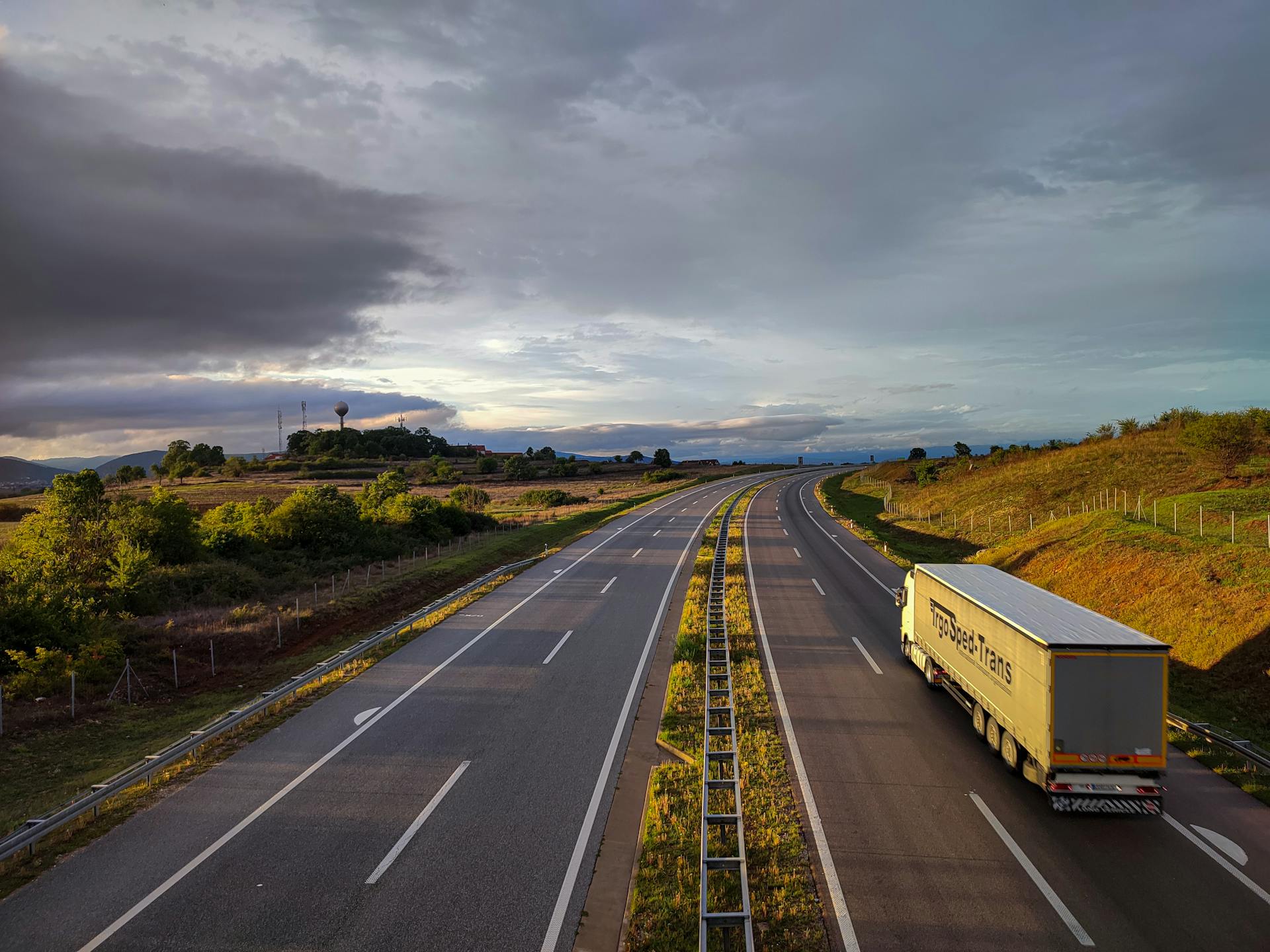
Anchorage to Seward Truck Dispatch
Freight route connecting Anchorage, AK to Seward, AK (125 miles). Connects Anchorage to the Port of Seward and Alaska Railroad terminus.
What do truck dispatch rates run from Anchorage to Seward?
Anchorage to Seward is a 125-mile lane paying about $356 - $431 per load, near $2.85 - $3.45 a mile. Freight is mostly fishing/seafood freight, rail-connected freight and cruise-connected freight.
- Distance
- 125 miles
- Avg. rate / load
- $356 - $431
- Rate per mile
- $2.85 - $3.45
- Transit time
- Same day / 2.5 hrs
- Deadhead risk
- 15-20%
Lane rates reviewed September 2026. These numbers follow 2026 spot-market pricing and rise during peak summer season. See our dispatch fee structure.
Anchorage to Seward
Anchorage to Seward is a 125-mile, roughly 2.5-hour run southeast on the Seward Highway, into a deepwater port that also serves as the terminus of the Alaska Railroad. More than 200,000 people and all cargo types move through Seward's railroad facilities annually, and the port ranks among the more valuable US fishing ports by catch value.
Origin
Anchorage, AK
Destination
Seward, AK
Distance
125 miles
Transit Time
Same day / 2.5 hrs
Average Rate
$356 - $431
Rate per Mile
$2.85 - $3.45
125-mile lane, about 2.5 hours on the Seward Highway
Seward is the terminus of the Alaska Railroad, linking marine and rail freight
More than 200,000 people plus all cargo types move through Seward's rail facilities annually
Anchorage to Seward: route facts a driver should know
Seward connects road, rail and deep-water port in one town
Seward is a deep-water port town connected to Anchorage by both the Seward Highway and the Alaska Railroad, making it one of the few Alaska communities where truck, rail and marine freight genuinely converge.
Source: Alaska Railroad, 2025 Business Fact Sheet, Freight Services. Checked 29 Sep 2026.
A short lane: you likely won't need the 30-minute break
FMCSA requires a 30-minute break after 8 cumulative hours of driving without one. This 125-mile lane runs about 2.5 hours in good conditions, so most drivers can finish it without a required break.
Source: FMCSA, Summary of Hours of Service Regulations. Checked 29 Sep 2026.
Diesel for this lane
How much is the diesel for Anchorage to Seward?
About $142.19 this week. The lane is 125 miles. A truck that gets 6.5 miles per gallon uses about 19 gallons, and diesel is averaging $7.39 a gallon on this lane (week of October 19, 2026). The U.S. average diesel price is up 10 cents this week.
An estimate. It uses EIA's weekly average for this region, not the price at each pump. Your mpg and fuel card discounts change it.
- Distance
- 125 mi
- Diesel needed
- 19 gal
- Price used
- $7.39/gal
- Fuel cost
- $142.19
Common Freight Types
Fishing/seafood freight, rail-connected freight and cruise-connected freight fill the trailers heading southeast.
- Containerized Cargo
- Seafood
- Consumer Goods
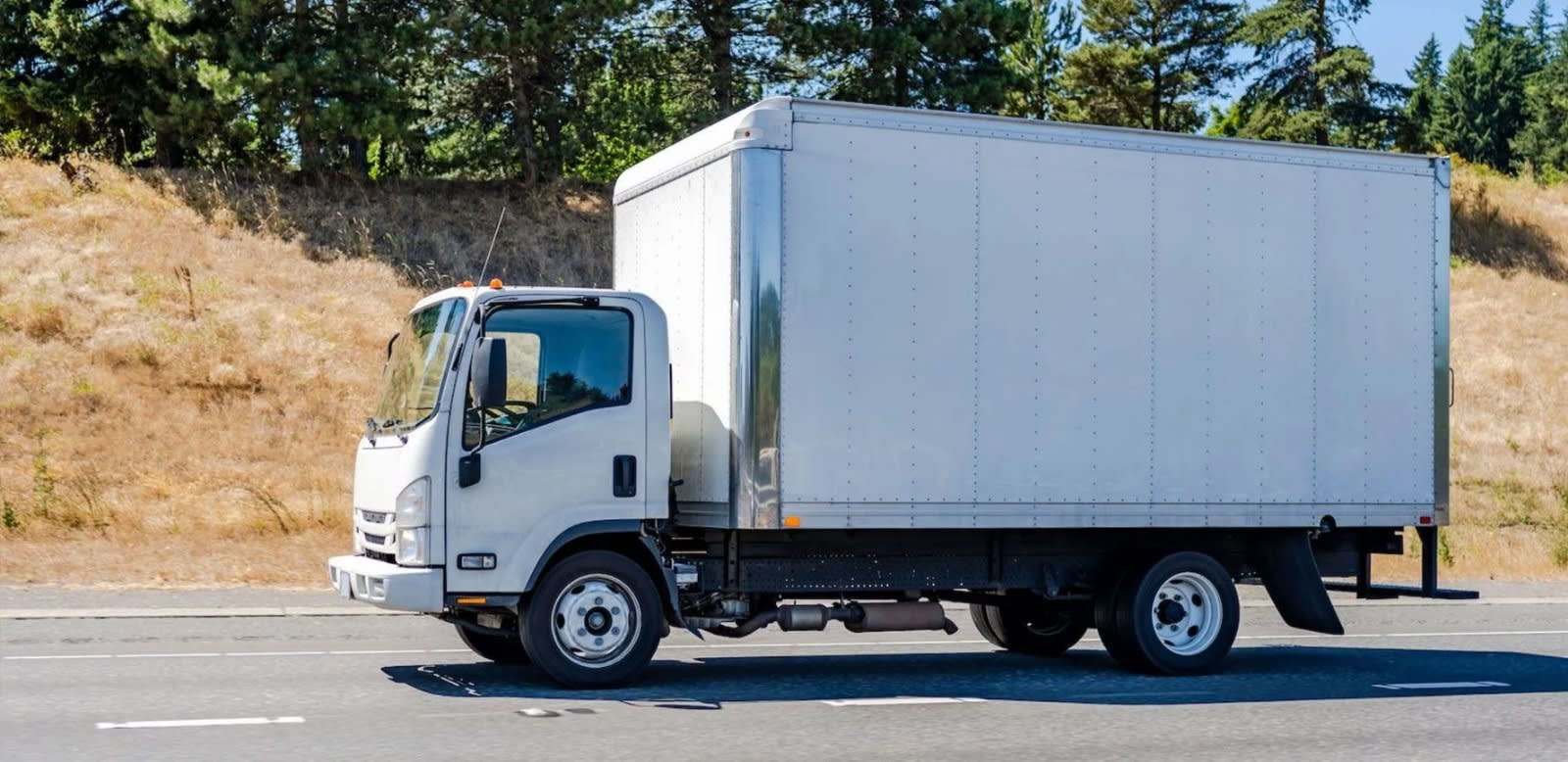
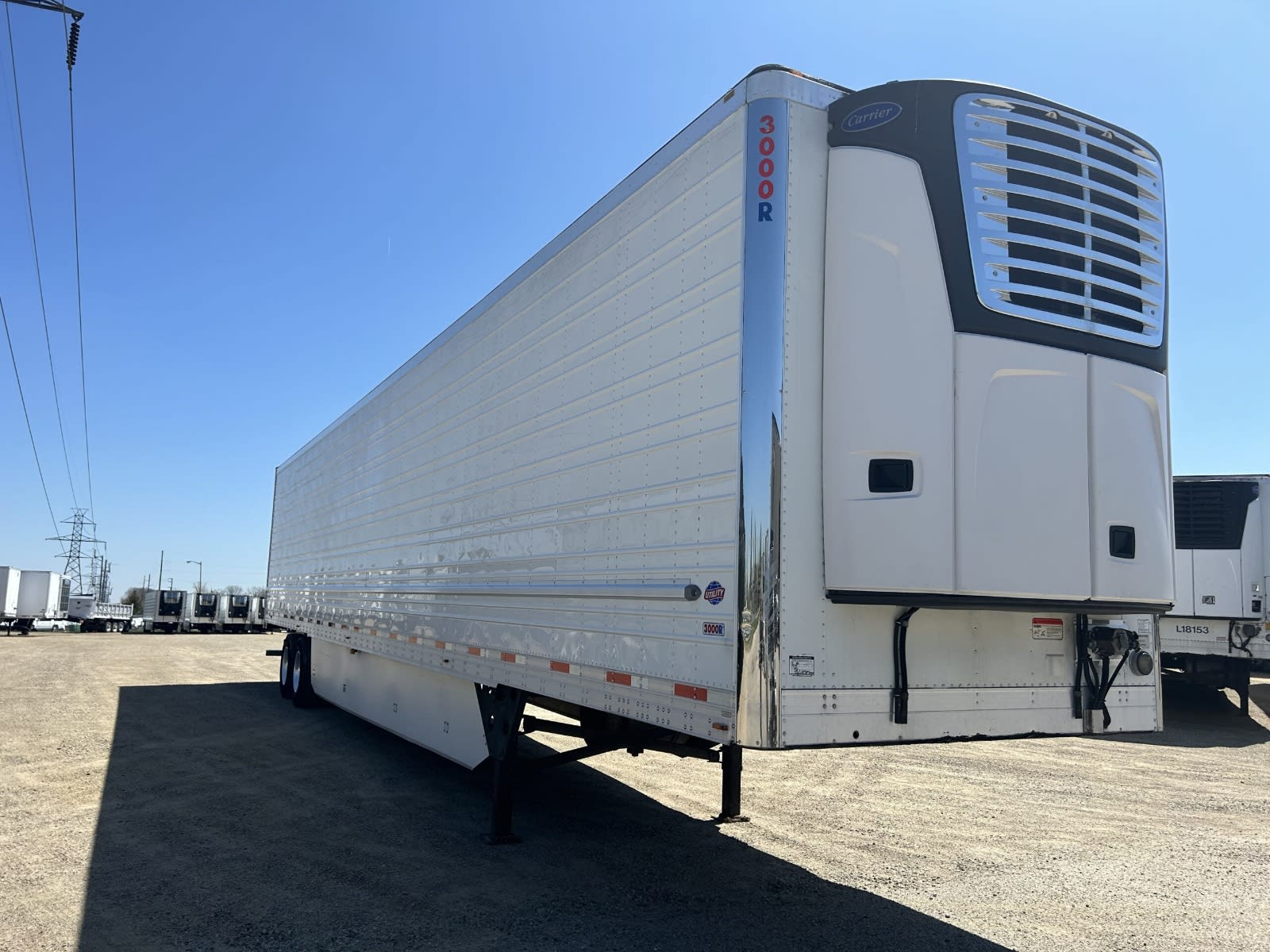
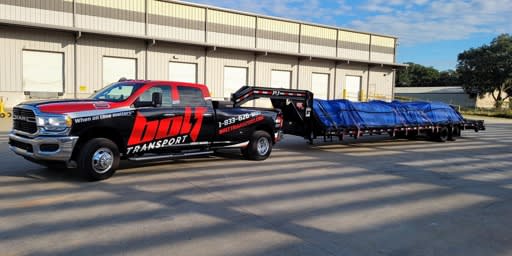
What makes the Anchorage to Seward lane difficult?
The Seward Highway can see winter weather and avalanche closures
The Seward Highway can see winter weather and avalanche closures.
A short-to-medium lane keeps per-load rates in a tighter range
A short-to-medium lane keeps per-load rates in a tighter range.
Port-connected freight can be seasonal, tied to shipping and fishing schedules
Port-connected freight can be seasonal, tied to shipping and fishing schedules.
What freight moves on the Anchorage to Seward lane?
What travels between Anchorage and Seward, and why the rail terminus matters.
Primary Commodities
- •Containerized Cargo
- •Seafood
- •Consumer Goods
Secondary Commodities
- •Alaska Railroad rail-connected freight
- •Commercial fishing freight
- •Cruise-connected freight
Seasonal Cargo
Peak seasons for this lane:
- •Fishing/seafood freight (summer peak)
- •Rail-connected freight (steady)
- •Cruise-connected freight (summer season)
When is the Anchorage to Seward lane busiest?
Summer fishing and cruise season drives this lane more than the usual retail cycle.
Q1 (Jan-Mar): Slow Period?
A modest dip in winter, cushioned by steady rail-connected freight.
Q4 (Oct-Dec): Peak Period?
Freight builds ahead of winter as the port and rail terminal wind down summer operations.
Produce Season?
Not directly applicable, though the summer fishing season drives significant reefer freight.
- •Summer fishing and cruise season
- •Rail-connected freight tied to Alaska Railroad schedules
- •Winter fuel and supply resupply
Hurricane Risk?
None. Winter weather and avalanche risk along the Seward Highway are this corridor's real risks.
Seasonal Strategy Summary
Port and tourism-connected freight peaks in the summer cruise season, with steadier general freight the rest of the year.
How do I negotiate the best rate on the Anchorage to Seward lane?
When to book, who pays extra, and which loads need seasonal awareness.
When to Book
Suggested booking window:
1-2 days out is typical for this haul.
What Brokers Pay More
Loads that command more:
Time-critical rail-connected and fishing freight tends to pay a premium during peak season.
When to Avoid
Loads to price carefully:
Be careful committing to a fast winter delivery without checking Seward Highway avalanche advisories.
Rate Negotiation Tips for Anchorage to Seward
- •
Ask whether your Seward freight connects to the port or the railroad. Both move through town and dock schedules differ.
- •
Check current Seward Highway conditions before you commit to a tight delivery window, especially in winter.
- •
This lane runs about 2.5 hours, so it pairs well with a same-day return if the Seward-side dock window cooperates.
How do I find a backhaul load on the Anchorage to Seward lane?
Seward's port and rail terminus make a northbound load realistic.
Best Return Cities
Where to look for the return load:
- •Seward, AK
- •Regional distribution hubs near Seward
Deadhead Risk %
Deadhead risk on this lane: 15-20%
With the Alaska Railroad terminus and a valuable commercial fishing fleet, there is real backhaul variety.
Alternative Routes
If the first load falls through, try these:
- •Use Kenai/Soldotna for seafood or oilfield reloads and Anchorage for the broadest return. Specialized port freight can also support project moves north.
Backhaul Optimization Tips
- •
Seward's deep-water port and rail connection give this lane real backhaul variety for a town its size.
- •
Summer cruise and tourism season brings extra freight demand tied to the port's passenger operations.
- •
With about 2.5 hours of driving each way, a same-day round trip is realistic if you line up the return load first.
What do experienced dispatchers know about the Anchorage to Seward lane?
Three notes before this coastal run.
Check Seward Highway winter and avalanche advisories before departing.
This lane pairs well with a same-day or next-day return load.
Confirm shipping-season timing if your load connects to port or rail freight.
Before you book Anchorage to Seward, confirm whether your load connects to the port or the Alaska Railroad, since pickup and dock procedures differ.
Anchorage to Seward Lane FAQs
Answers on drive time, the Alaska Railroad terminus, and winter conditions.
The lane data shows about $356 - $431 per load, or $2.85 - $3.45 a mile, across 125 miles.
It's the terminus of the Alaska Railroad, moving more than 200,000 people plus all cargo types through its facilities annually.
About 2.5 hours for the 125 miles on the Seward Highway.
Reasonably, given the rail terminus and the port's commercial fishing fleet.
Other Alaska freight lanes we dispatch
- Anchorage to Valdez
- Anchorage to Kenai
- Anchorage to Juneau
- Anchorage to Kodiak
- Anchorage to Dutch Harbor
- Anchorage to Seattle
Local resources
Dry Van owner-operator, West Coast: +$2,010/week after moving to $2.62/mi on general freight / consumer goods freight.
Read the case studyNeed help running Anchorage, AK to Seward, AK consistently?
Running Anchorage to Seward often? Ask about a free custom growth plan.