

Richmond to Norfolk Truck Dispatch
Freight route connecting Richmond, VA to Norfolk, VA (105 miles). Connects Richmond's distribution base to the Port of Virginia and Naval Station Norfolk.
What do truck dispatch rates run from Richmond to Norfolk?
Richmond to Norfolk is a 105-mile lane paying about $289 - $331 per load, near $2.75 - $3.15 a mile. Freight is mostly consumer goods, port-connected freight and agricultural export freight.
- Distance
- 105 miles
- Avg. rate / load
- $289 - $331
- Rate per mile
- $2.75 - $3.15
- Transit time
- Same day / 2 hrs
- Deadhead risk
- 15-20%
Lane rates reviewed September 2026. These numbers follow 2026 spot-market pricing for a short, high-rate-per-mile port lane. See our dispatch fee structure.
Richmond to Norfolk
Richmond to Norfolk is a 105-mile, roughly 1.5-hour run southeast on I-64, connecting Virginia's freight hub to the East Coast's fastest-growing deepwater port. The Port of Virginia moved 3.5 million TEUs in fiscal 2024, its second-highest total ever, and is completing a 55-foot-deep commercial channel in 2025, the deepest on the US East Coast, alongside a $300 million crane and infrastructure upgrade.
Origin
Richmond, VA
Destination
Norfolk, VA
Distance
105 miles
Transit Time
Same day / 2 hrs
Average Rate
$289 - $331
Rate per Mile
$2.75 - $3.15
105-mile lane, about 1.5 hours on I-64
The Port of Virginia moved 3.5 million TEUs in fiscal 2024
Port of Virginia is completing a 55-foot-deep commercial channel in 2025, the deepest on the US East Coast
Richmond to Norfolk: route facts a driver should know
The Port of Virginia just finished the deepest channel on the East Coast
The Port of Virginia completed a $450 million dredging project giving it a 55-foot-deep commercial shipping channel, the deepest and widest on the US East Coast, finished in February 2024.
Source: Port of Virginia, channel deepening completion. Checked 30 Sep 2026.
Naval Station Norfolk is the world's largest naval base
Naval Station Norfolk is homeport to roughly 75 ships and submarines and 134 aircraft, with about 75,000 active-duty sailors, civilians, and contractors reporting there daily, making it the headquarters of US Fleet Forces Command.
Source: Navy Week, Naval Station Norfolk overview. Checked 30 Sep 2026.
Diesel for this lane
How much is the diesel for Richmond to Norfolk?
About $92.72 this week. The lane is 105 miles. A truck that gets 6.5 miles per gallon uses about 16 gallons, and diesel is averaging $5.74 a gallon on this lane (week of October 19, 2026). The U.S. average diesel price is up 10 cents this week.
An estimate. It uses EIA's weekly average for this region, not the price at each pump. Your mpg and fuel card discounts change it.
- Distance
- 105 mi
- Diesel needed
- 16 gal
- Price used
- $5.74/gal
- Fuel cost
- $92.72
Common Freight Types
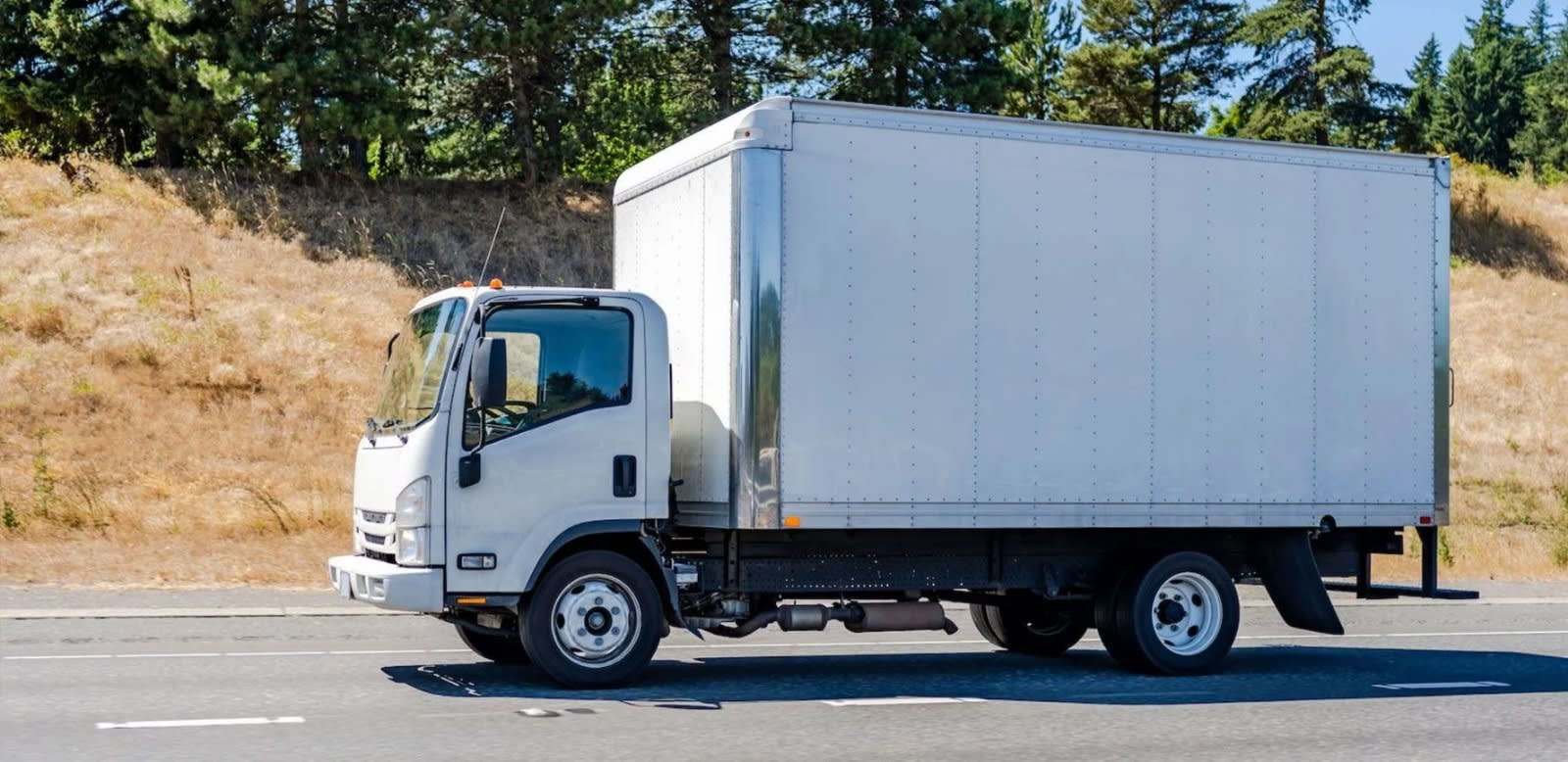
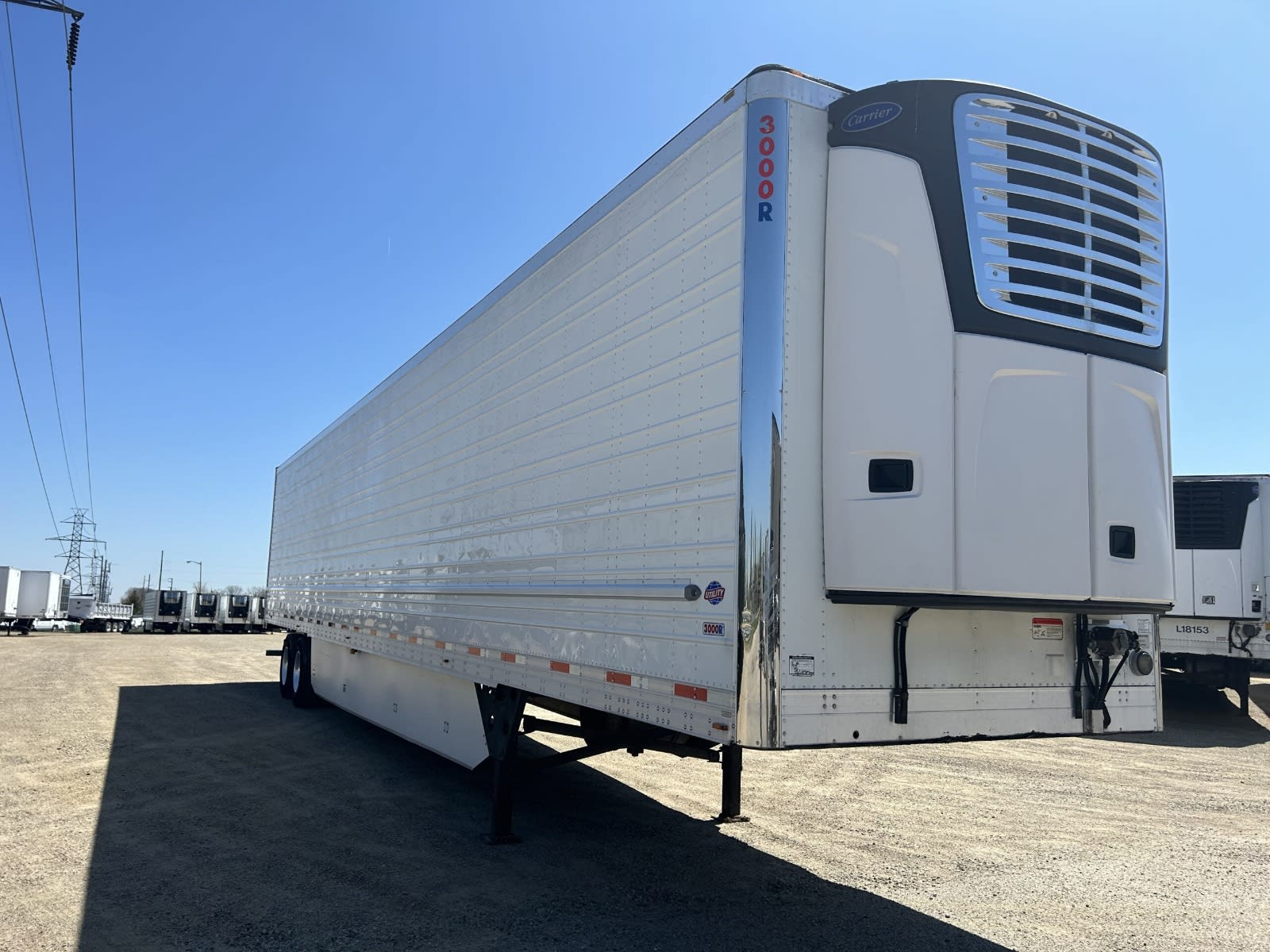
Consumer goods, port-connected freight and agricultural export freight fill the trailers heading southeast.
- Containerized Cargo
- Military/Defense Freight
- Automotive Imports
What makes the Richmond to Norfolk lane difficult?
Port congestion can add delay for drayage-connected freight during peak import periods
Port congestion can add delay for drayage-connected freight during peak import periods.
A short-to-medium lane keeps per-load rates in a moderate range
A short-to-medium lane keeps per-load rates in a moderate range.
Hurricane season (June-November) can disrupt Hampton Roads-area delivery schedules
Hurricane season (June-November) can disrupt Hampton Roads-area delivery schedules.
What freight moves on the Richmond to Norfolk lane?
What travels between Richmond and Norfolk, and why the Port of Virginia's growth matters here.
Primary Commodities
- •Containerized Cargo
- •Military/Defense Freight
- •Automotive Imports
Secondary Commodities
- •Port import-connected freight (Port of Virginia)
- •Consumer goods
- •Industrial equipment
Seasonal Cargo
Peak seasons for this lane:
- •Consumer goods (holiday import surge)
- •Port-connected freight (steady, record growth)
- •Agricultural export freight (seasonal)
When is the Richmond to Norfolk lane busiest?
Import timing and hurricane season both shape this lane.
Q1 (Jan-Mar): Slow Period?
A modest dip after the holidays as import volume normalizes.
Q4 (Oct-Dec): Peak Period?
Import-connected freight climbs sharply ahead of the holidays.
Produce Season?
A modest factor tied to Virginia's agricultural export freight through the port.
- •Q4 holiday import season
- •Hurricane-season disruption risk (June-November)
- •Steady port-connected freight year-round
Hurricane Risk?
Real on the Hampton Roads end; Atlantic hurricane season (June-November) can disrupt port operations.
Seasonal Strategy Summary
This lane runs steady year-round, tracking the Port of Virginia's consistent container volume and Naval Station Norfolk's daily freight needs.
How do I negotiate the best rate on the Richmond to Norfolk lane?
When to book, who pays extra, and which loads need a storm contingency.
When to Book
Suggested booking window:
Same-day to 1-2 days out is typical for this haul.
What Brokers Pay More
Loads that command more:
Time-critical port import-connected freight tends to pay a premium.
When to Avoid
Loads to price carefully:
Be careful committing to a fixed delivery date during an active hurricane without a contingency plan.
Rate Negotiation Tips for Richmond to Norfolk
- •
At 105 miles, this is a short, quick run.
- •
Port-linked drayage is worth asking about given the Port of Virginia's growing channel capacity.
- •
Military-linked freight tied to Naval Station Norfolk is another option worth checking.
How do I find a backhaul load on the Richmond to Norfolk lane?
The Port of Virginia's record growth makes a northwestbound load easy to find.
Best Return Cities
Where to look for the return load:
- •Norfolk, VA
- •Regional distribution hubs near Norfolk
Deadhead Risk %
Deadhead risk on this lane: 15-20%
With a $300 million crane and channel-depth upgrade underway, backhaul options are strong and growing.
Alternative Routes
If the first load falls through, try these:
- •Port of Virginia's import volume ensures strong container-based backhaul availability heading back toward Richmond and inland distribution points.
Backhaul Optimization Tips
- •
The Port of Virginia's container volume gives you real backhaul options.
- •
Naval Station Norfolk's daily supply needs keep freight flowing steadily too.
- •
This short lane pairs well with a same-day round trip.
What do experienced dispatchers know about the Richmond to Norfolk lane?
Three notes before this port-connected run.
Confirm current port congestion status before a tight Norfolk delivery appointment.
This lane pairs well with a same-day or next-day return load.
Check hurricane advisories before running this lane June through November.
The Port of Virginia's new 55-foot channel is drawing bigger ships. Drayage demand here should keep growing as that capacity comes online.
Richmond to Norfolk Lane FAQs
Answers on drive time, the Port of Virginia's growth, and hurricane season.
The lane data shows about $289 - $331 per load, or $2.75 - $3.15 a mile, across 105 miles.
It moved 3.5 million TEUs in fiscal 2024, its second-highest total ever, and is completing the East Coast's deepest commercial channel in 2025.
About 1.5 hours for the 105 miles on I-64.
Yes, generally, given the port's record and growing cargo volume.
Other Virginia freight lanes we dispatch
- Richmond to Charlotte
- Richmond to Washington
- Richmond to Atlanta
- Richmond to New York
- Richmond to Philadelphia
- Richmond to Charleston
Local resources
Dry Van owner-operator, Southeast: +$2,550/week after moving to $2.85/mi on automotive parts / retail / beverage freight.
Read the case studyNeed help running Richmond, VA to Norfolk, VA consistently?
Running Richmond to Norfolk often? Ask about a free custom growth plan.