

Harrisburg to New York Truck Dispatch
Freight route connecting Harrisburg, PA to New York, NY (170 miles). An extremely short, high-frequency corridor connecting Central PA's distribution base to the NYC metro.
What do truck dispatch rates run from Harrisburg to New York?
Harrisburg to New York is a 170-mile lane paying about $450 - $518 per load, near $2.65 - $3.05 a mile. Freight is mostly retail distribution, consumer goods and import cargo.
- Distance
- 170 miles
- Avg. rate / load
- $450 - $518
- Rate per mile
- $2.65 - $3.05
- Transit time
- Same day / 3 hrs
- Deadhead risk
- 10-15%
Lane rates reviewed September 2026. These numbers follow 2026 spot-market pricing and shift with fuel prices and Port NY/NJ volume. See our dispatch fee structure.
Harrisburg to New York
Harrisburg to New York is a 170-mile, roughly 3-hour run east on I-78/I-81, connecting one of the East Coast's biggest logistics value markets to the country's largest consumer market. Harrisburg sits at the I-81/I-83/PA Turnpike crossroads with 114.5 million square feet of industrial inventory and 6.3% vacancy as of year-end 2025, while New Jersey's Exit 8A cluster serves 130 million Tri-State consumers.
Origin
Harrisburg, PA
Destination
New York, NY
Distance
170 miles
Transit Time
Same day / 3 hrs
Average Rate
$450 - $518
Rate per Mile
$2.65 - $3.05
170-mile lane, about 3 hours on I-78/I-81
Harrisburg had 114.5 million square feet of industrial inventory at year-end 2025
The Exit 8A warehouse cluster near New York serves 130 million Tri-State consumers
Harrisburg to New York: route facts a driver should know
Harrisburg sits within a day's drive of 40% of the US population
Harrisburg's location puts it within a single day's drive of 40% of the US population, 60% of the nation's buying power, and 50% of Canada's population, which is why so many distribution centers cluster around the region.
Source: Smart Growth America, South Central Pennsylvania economic case study. Checked 30 Sep 2026.
The Port of NY/NJ is the busiest East Coast container gateway
The Port of New York and New Jersey handled 8.7 million TEUs in 2024, up 11% from the year before and its third-busiest year ever.
Source: North Jersey Transportation Planning Authority, citing Port Authority data. Checked 30 Sep 2026.
Diesel for this lane
How much is the diesel for Harrisburg to New York?
About $170.21 this week. The lane is 170 miles. A truck that gets 6.5 miles per gallon uses about 26 gallons, and diesel is averaging $6.51 a gallon on this lane (week of October 19, 2026). The U.S. average diesel price is up 10 cents this week.
An estimate. It uses EIA's weekly average for this region, not the price at each pump. Your mpg and fuel card discounts change it.
- Distance
- 170 mi
- Diesel needed
- 26 gal
- Price used
- $6.51/gal
- Fuel cost
- $170.21
Common Freight Types
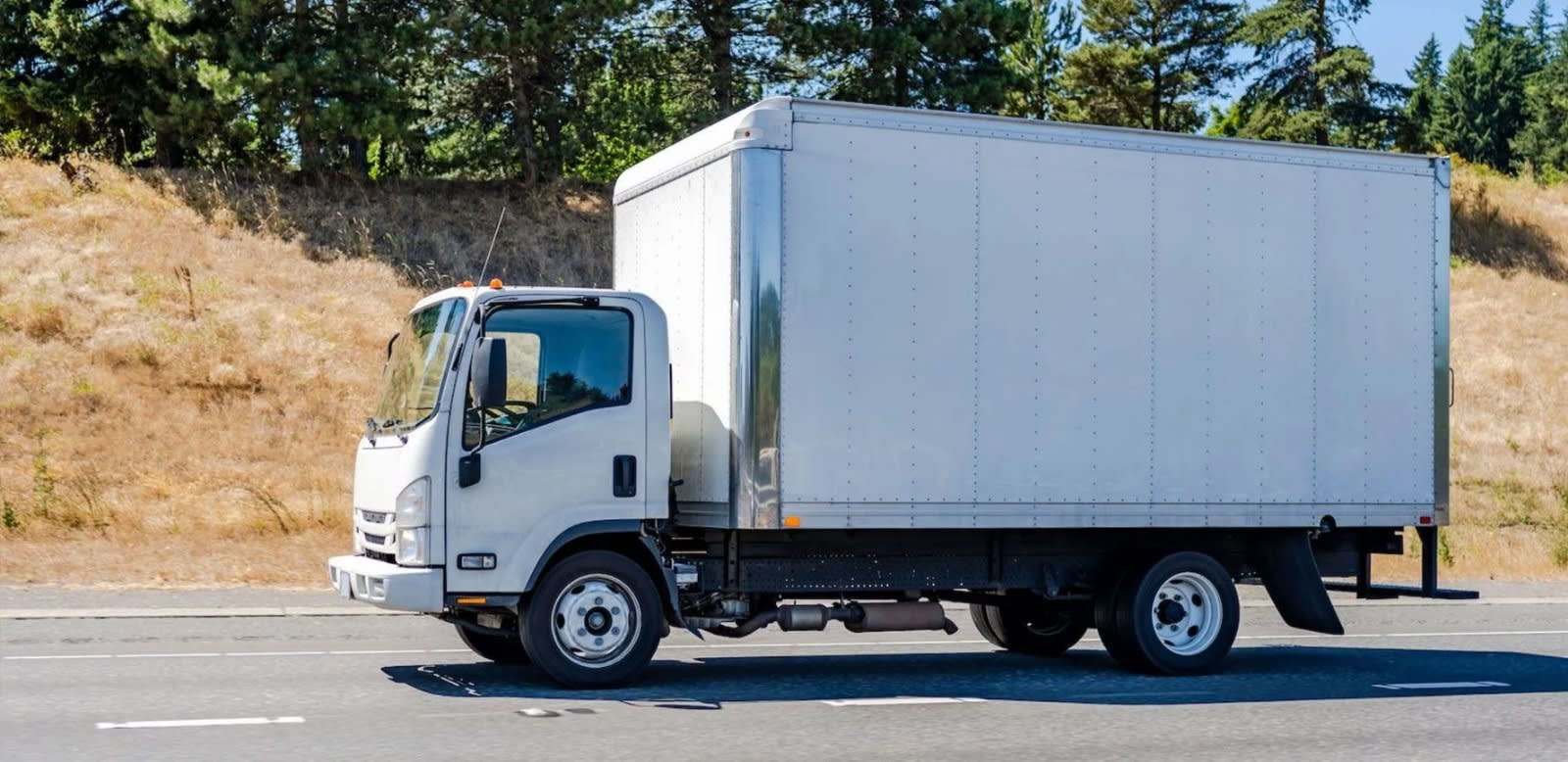
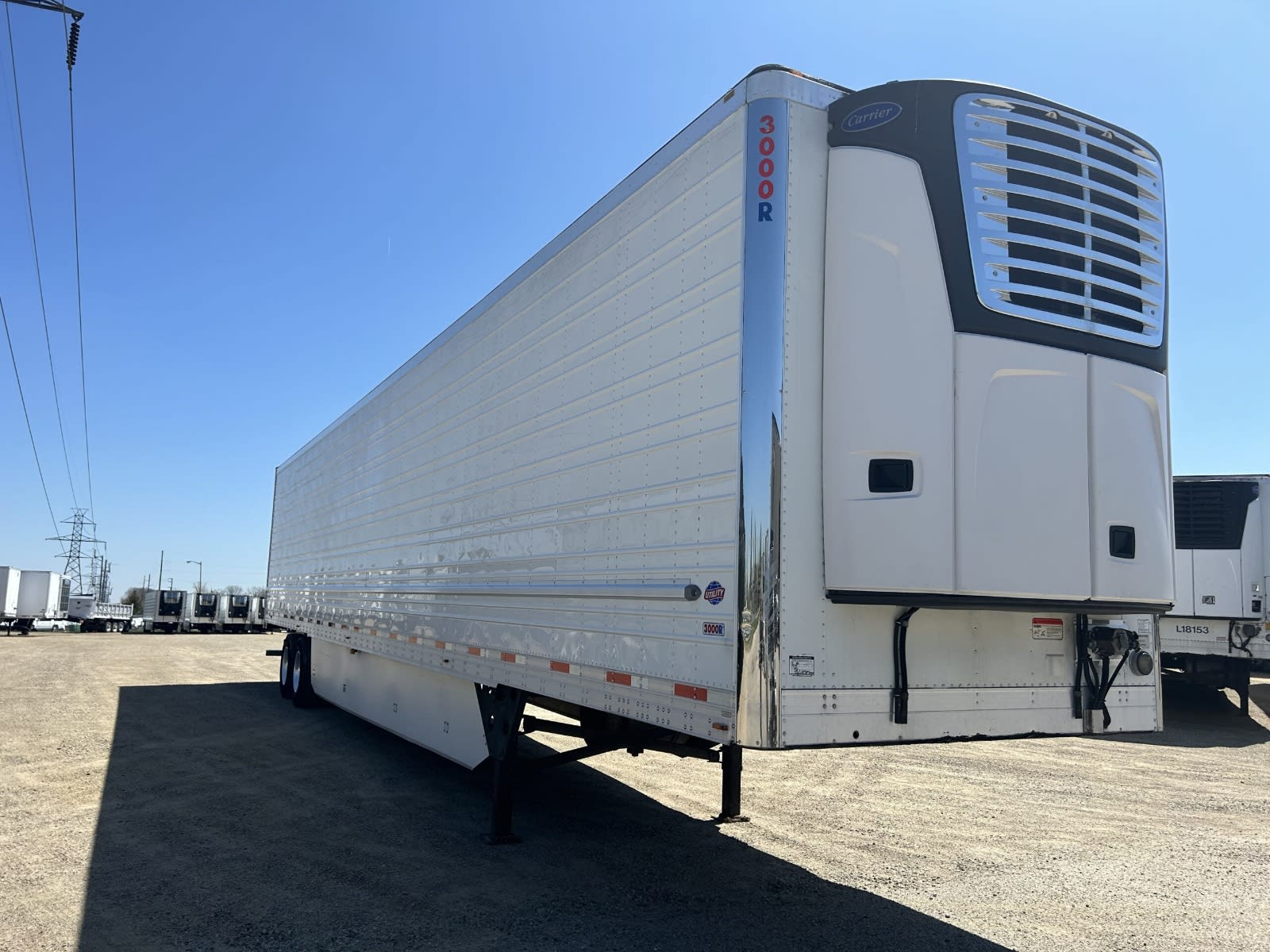
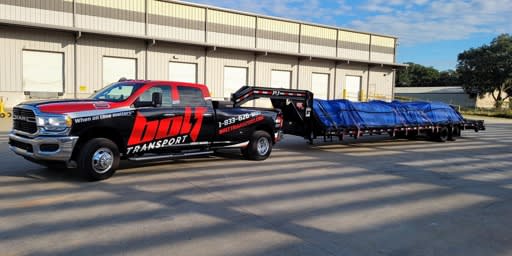
Retail distribution, consumer goods and import cargo fill the trailers heading east.
- Consumer Goods
- Retail Distribution
- E-commerce/Parcel
What makes the Harrisburg to New York lane difficult?
The I-95/SR-4 interchange near the George Washington Bridge is the nation's top freight bottleneck, according to ATRI
The I-95/SR-4 interchange near the George Washington Bridge is the nation's top freight bottleneck, according to ATRI.
I-78 through New Jersey can see heavy traffic
Understanding and preparing for this challenge helps optimize your operations and maximize profitability on this lane.
The length requires a realistic HOS plan
Understanding and preparing for this challenge helps optimize your operations and maximize profitability on this lane.
What freight moves on the Harrisburg to New York lane?
What travels between Harrisburg and New York, and why the GW Bridge bottleneck matters.
Primary Commodities
- •Consumer Goods
- •Retail Distribution
- •E-commerce/Parcel
Secondary Commodities
- •Port NY/NJ drayage and transload freight
- •Norfolk Southern rail-connected freight
- •Retail distribution
Seasonal Cargo
Peak seasons for this lane:
- •Retail distribution (holiday surge)
- •Consumer goods (steady)
- •Import cargo (tied to port volume)
When is the Harrisburg to New York lane busiest?
Retail timing and port import volume both shape this lane.
Q1 (Jan-Mar): Slow Period?
A modest dip after the holidays, cushioned by steady port-connected freight.
Q4 (Oct-Dec): Peak Period?
Retail distribution and port import volume both climb from October through December.
Produce Season?
Not a major factor on this lane.
- •Q4 holiday retail season
- •Steady import-cargo freight
- •Port import surges
Hurricane Risk?
Real at the New York end. Check Atlantic storm forecasts from June through November.
Seasonal Strategy Summary
This lane runs steady year-round, tracking both regions' consistent distribution and port freight.
How do I negotiate the best rate on the Harrisburg to New York lane?
When to book, who pays extra, and which loads need extra time near the GW Bridge.
When to Book
Suggested booking window:
1-2 days out is typical for this haul.
What Brokers Pay More
Loads that command more:
Time-critical Port NY/NJ drayage freight tends to pay a premium.
When to Avoid
Loads to price carefully:
Be careful pricing a Friday or Monday delivery near the George Washington Bridge without extra time built in.
Rate Negotiation Tips for Harrisburg to New York
- •
This is a 170-mile run, so plan for a solid one-day trip.
- •
Port-linked freight out of NY/NJ is worth asking about on this end.
- •
Harrisburg's warehouse density, over 100 distribution centers in the counties around it, keeps steady freight moving in both directions.
How do I find a backhaul load on the Harrisburg to New York lane?
The Tri-State area's massive warehouse density makes a westbound load realistic.
Best Return Cities
Where to look for the westbound load:
- •New York, NY
- •Regional distribution hubs near New York
Deadhead Risk %
Deadhead risk on this lane: 10-15%
New Jersey's Exit 8A warehouse concentration is one of the largest in the US and a strong backhaul source.
Alternative Routes
If the first load falls through, try these:
- •Port of NY/NJ import freight and general NYC-metro distribution volume moving west back toward Harrisburg and the wider Pennsylvania market is generally abundant. The sheer size of the New York market drives that.
Backhaul Optimization Tips
- •
New Jersey's dense warehouse corridor gives you strong backhaul odds heading west.
- •
Harrisburg's own distribution base, with named operators like Amazon, FedEx, UPS, and DHL nearby, keeps freight flowing too.
- •
Give yourself extra time and budget for tolls once you hit the NYC metro area.
What do experienced dispatchers know about the Harrisburg to New York lane?
Four notes before this Northeast run.
Avoid the I-95 corridor near the George Washington Bridge on Fridays and Mondays if you can; congestion there can add hours.
Check I-78 traffic conditions through New Jersey.
Plan your rest stops before you leave Harrisburg on this run.
Check winter conditions across Pennsylvania before departing.
Harrisburg's counties hold over 100 warehouses and distribution centers. This lane connects two of the densest freight regions on the East Coast.
Harrisburg to New York Lane FAQs
Answers on drive time, the GW Bridge bottleneck, and Harrisburg's industrial base.
The lane data shows about $450 - $518 per load, or $2.65 - $3.05 a mile, across 170 miles.
It had 114.5 million square feet of industrial inventory at year-end 2025, with vacancy at 6.3%.
The I-95/SR-4 interchange near the George Washington Bridge has ranked as the nation's top freight bottleneck for seven years running.
Reasonably, given the Tri-State area's massive warehouse density.
Other Pennsylvania freight lanes we dispatch
- Harrisburg to Philadelphia
- Harrisburg to Indianapolis
- Harrisburg to Baltimore
- Harrisburg to Pittsburgh
- Harrisburg to Washington
- Harrisburg to Chicago
Local resources
Also serving the other end of this lane
Dry Van owner-operator, Midwest: +$1,950/week after moving to $2.65/mi on produce / auto parts freight.
Read the case studyNeed help running Harrisburg, PA to New York, NY consistently?
Running Harrisburg to New York often? Ask about a free custom growth plan.