

Detroit to Nashville Truck Dispatch
Freight route connecting Detroit, MI to Nashville, TN (530 miles). Nashville's automotive and distribution base supports steady freight via I-65/I-24.
What do truck dispatch rates run from Detroit to Nashville?
Detroit to Nashville is a 530-mile lane paying about $1,272 - $1,484 per load, near $2.40 - $2.80 a mile. Freight is mostly automotive parts, consumer goods and healthcare/medical.
- Distance
- 530 miles
- Avg. rate / load
- $1,272 - $1,484
- Rate per mile
- $2.40 - $2.80
- Transit time
- 1 day
- Deadhead risk
- 25-30%
Lane rates reviewed September 2026. These numbers follow 2026 spot-market pricing and shift with fuel prices and Nashville's warehouse growth. See our dispatch fee structure.
Detroit to Nashville
Detroit to Nashville is a 530-mile, roughly 8-hour run south, mostly on I-75/I-24/I-65. Nashville sits at the crossroads of I-65, I-40 and I-24, and Wilson County alone has 3.4 million square feet of new distribution space in the Prologis pipeline.
Origin
Detroit, MI
Destination
Nashville, TN
Distance
530 miles
Transit Time
1 day
Average Rate
$1,272 - $1,484
Rate per Mile
$2.40 - $2.80
530-mile lane, about 8 hours south
Nashville sits at the crossroads of I-65, I-40 and I-24
Wilson County alone has 3.4 million square feet of new distribution space in the Prologis pipeline
Detroit to Nashville: route facts a driver should know
Nashville is one of only six US cities where three interstates converge
Nashville is one of just six US cities where three major interstates, I-40, I-65, and I-24, all come together, and half the US population lives within 650 miles of the city.
Source: Averitt Express, Nashville logistics hub overview. Checked 30 Sep 2026.
Over 140 freight carriers cluster along I-24 East
More than 140 freight carriers and 150 truck terminals are concentrated along the I-24 East corridor near LaVergne, Murfreesboro, and Smyrna, just outside Nashville.
Source: Averitt Express, Nashville logistics hub overview. Checked 30 Sep 2026.
Diesel for this lane
How much is the diesel for Detroit to Nashville?
About $517.93 this week. The lane is 530 miles. A truck that gets 6.5 miles per gallon uses about 82 gallons, and diesel is averaging $6.35 a gallon on this lane (week of October 19, 2026). The U.S. average diesel price is up 10 cents this week.
An estimate. It uses EIA's weekly average for this region, not the price at each pump. Your mpg and fuel card discounts change it.
- Distance
- 530 mi
- Diesel needed
- 82 gal
- Price used
- $6.35/gal
- Fuel cost
- $517.93
Common Freight Types
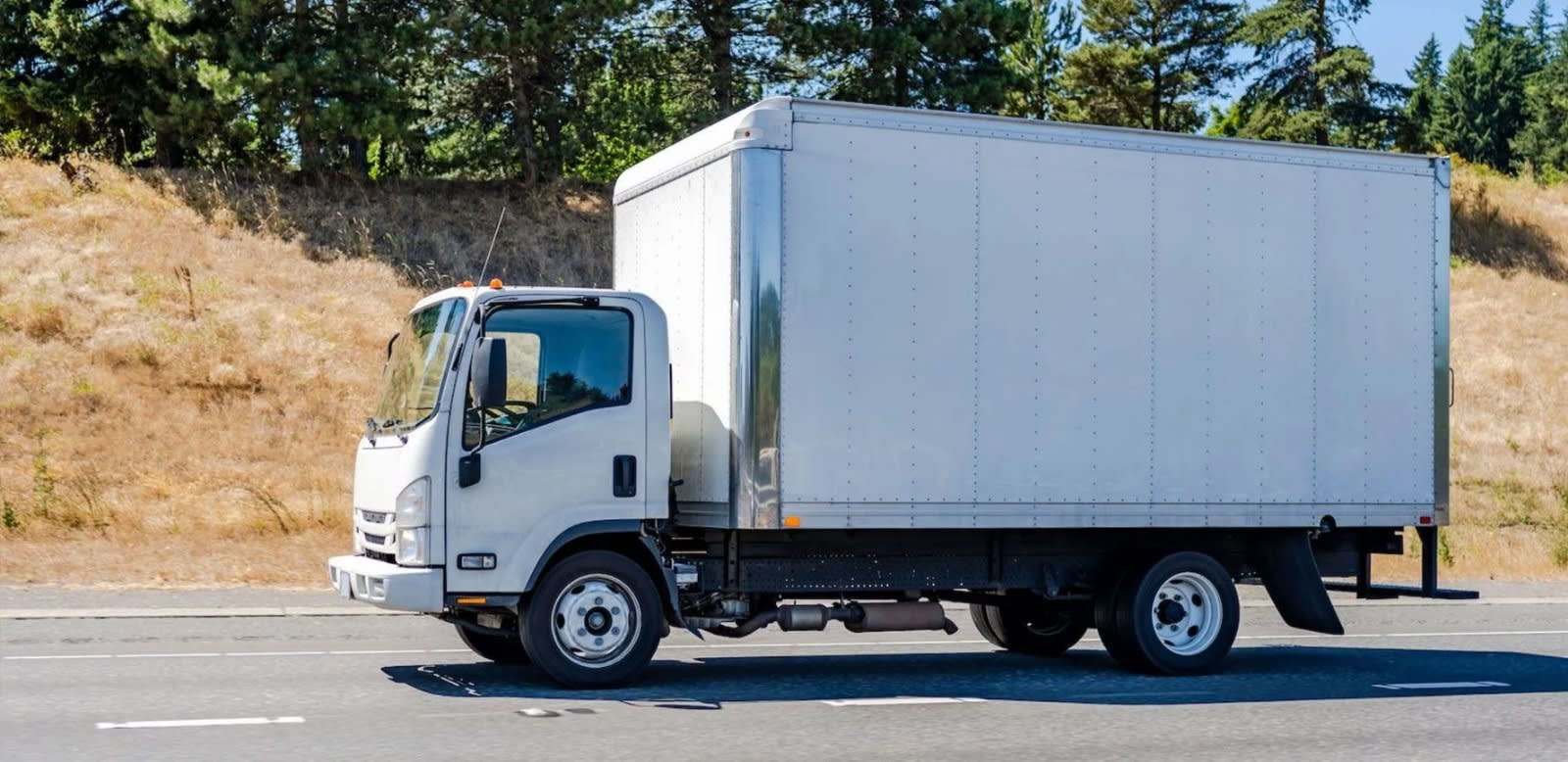
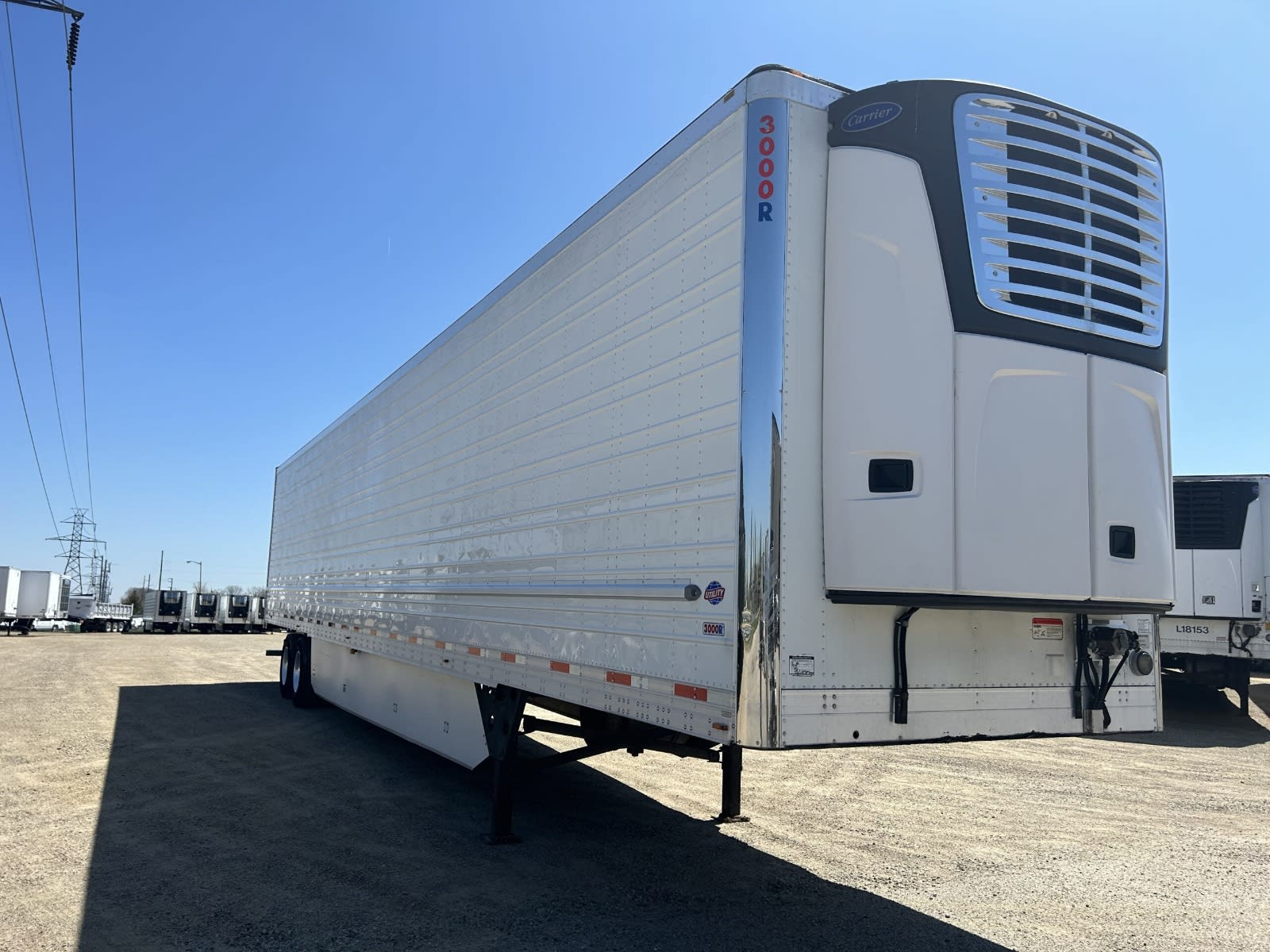
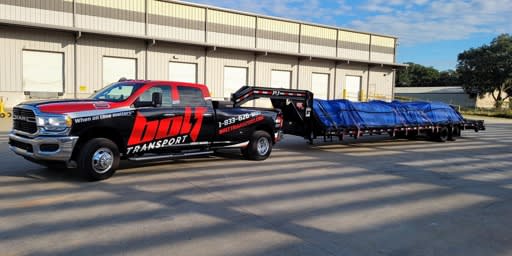
Automotive parts, consumer goods and healthcare/medical freight fill the trailers heading south.
- Automotive Parts
- Consumer Goods
- Healthcare/Medical
What makes the Detroit to Nashville lane difficult?
Kentucky's mountain stretches on I-75 can see winter weather
Kentucky's mountain stretches on I-75 can see winter weather.
Nashville's own growth means more competition for dock appointments than a few years ago
Nashville's own growth means more competition for dock appointments than a few years ago.
The length requires a realistic HOS plan
Understanding and preparing for this challenge helps optimize your operations and maximize profitability on this lane.
What freight moves on the Detroit to Nashville lane?
What travels between Detroit and Nashville, and when the busy weeks fall.
Primary Commodities
- •Automotive Parts
- •Consumer Goods
- •Healthcare/Medical
Secondary Commodities
- •Automotive parts
- •Healthcare/medical freight
- •Consumer goods
Seasonal Cargo
Peak seasons for this lane:
- •Automotive parts (steady)
- •Healthcare/medical (steady)
- •Consumer goods (holiday surge)
When is the Detroit to Nashville lane busiest?
Retail timing and steady automotive freight both shape this lane.
Q1 (Jan-Mar): Slow Period?
A modest dip after the holidays, cushioned by steady automotive and healthcare freight.
Q4 (Oct-Dec): Peak Period?
Consumer goods climb from October through December.
Produce Season?
Not a major factor on this lane.
- •Q4 holiday retail season
- •Steady automotive-parts and healthcare freight
- •New warehouse space coming online
Hurricane Risk?
None. Winter weather through Kentucky is the real seasonal risk.
Seasonal Strategy Summary
This lane runs steady through the year between two genuinely major freight markets.
How do I negotiate the best rate on the Detroit to Nashville lane?
When to book, who pays extra, and which loads need extra time.
When to Book
Suggested booking window:
2-3 days out is typical for this haul.
What Brokers Pay More
Loads that command more:
Time-critical automotive-parts and healthcare freight tend to pay a premium.
When to Avoid
Loads to price carefully:
Be careful committing to a fixed winter delivery through Kentucky without a weather plan.
Rate Negotiation Tips for Detroit to Nashville
- •
At 530 miles, this is a solid one-day run.
- •
Nashville's carrier density keeps freight flowing, but also means real competition for the best-paying loads.
- •
Ask about loads out of the I-24 East terminal cluster near LaVergne and Murfreesboro.
How do I find a backhaul load on the Detroit to Nashville lane?
Nashville's fast-growing distribution base gives good odds on a northbound load.
Best Return Cities
Where to look for the return load:
- •Nashville, TN
- •Regional distribution hubs near Nashville
Deadhead Risk %
Deadhead risk on this lane: 25-30%
New distribution space in Wilson County and elsewhere keeps adding backhaul options.
Alternative Routes
If the first load falls through, try these:
- •Auto plants at both ends support fairly balanced two-way freight.
Backhaul Optimization Tips
- •
With 140-plus carriers based near Nashville, backhaul supply is generally strong.
- •
Detroit's automotive manufacturing base keeps northbound freight flowing too.
- •
Check the LaVergne, Murfreesboro, and Smyrna terminal cluster first for a quick return load.
What do experienced dispatchers know about the Detroit to Nashville lane?
Three notes before this Nashville run.
Check I-75 winter conditions through Kentucky.
Confirm your dock appointment ahead of arrival given Nashville's growing warehouse volume.
Plan your rest stops before you leave Detroit on a run this long.
Know the I-24 East corridor by name. LaVergne, Murfreesboro, and Smyrna are where a lot of Nashville-area backhaul freight actually sits.
Detroit to Nashville Lane FAQs
Answers on driving time, Nashville's growth, and winter weather.
The lane data shows about $1,272 - $1,484 per load, or $2.40 - $2.80 a mile, across 530 miles.
It sits at the I-65/I-40/I-24 crossroads, and Wilson County alone has 3.4 million square feet of new distribution space.
About 8 hours for the 530 miles.
Reasonably, given Nashville's fast-growing distribution base.
Other Michigan freight lanes we dispatch
- Detroit to Atlanta
- Detroit to Cleveland
- Detroit to St. Louis
- Detroit to Pittsburgh
- Detroit to New York
- Detroit to Grand Rapids
Local resources
Also serving the other end of this lane
Dry Van owner-operator, Midwest: +$1,950/week after moving to $2.65/mi on produce / auto parts freight.
Read the case studyNeed help running Detroit, MI to Nashville, TN consistently?
Running Detroit to Nashville often? Ask about a free custom growth plan.