
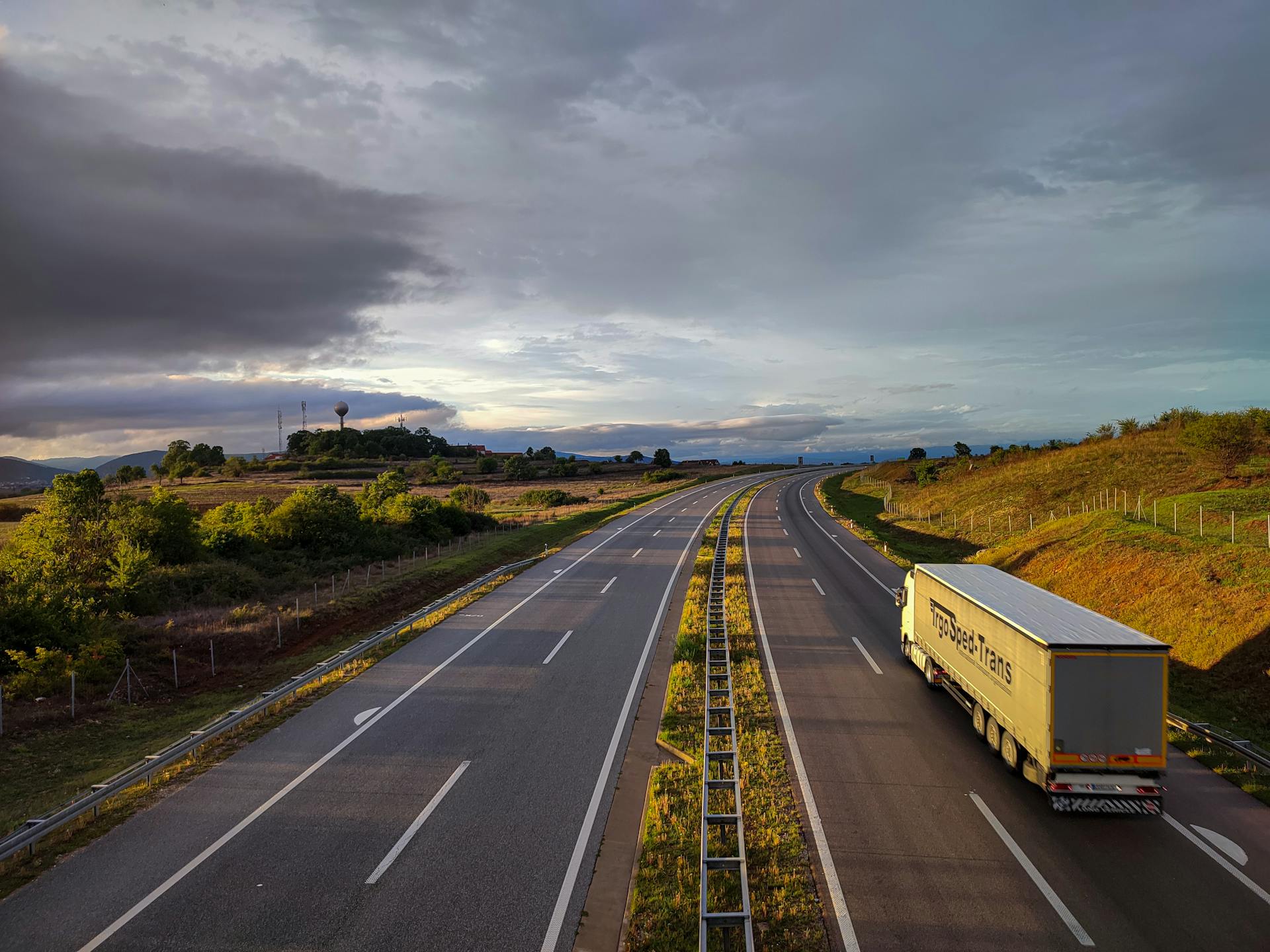
Los Angeles to Sacramento Valley/Stockton Truck Dispatch
Freight route from Los Angeles, CA to Stockton, CA (315 miles). Connects LA to the Central Valley's northern distribution/farm hub via CA-99/I-5.
What do truck dispatch rates run from Los Angeles to Stockton?
Los Angeles to Stockton is a 315-mile lane paying about $724 - $850 per load, near $2.30 - $2.70 a mile. The lane data lists transit as same-day, 5 hours. Freight is mostly agricultural products, consumer goods and retail distribution.
- Distance
- 315 miles
- Avg. rate / load
- $724 - $850
- Rate per mile
- $2.30 - $2.70
- Transit time
- Same day / 5 hrs
- Deadhead risk
- 15-20%
Lane rates reviewed September 2026. These numbers follow 2026 spot-market pricing and shift with fuel prices and Central Valley harvest timing. See our dispatch fee structure.
Los Angeles to Sacramento Valley/Stockton
Los Angeles to Stockton is a 315-mile run north, mostly on I-5, about 5 hours of driving. Stockton sits at the crossroads of I-5 and Highway 99, the Central Valley's two main freight arteries, and its deep-water Port of Stockton reaches 75 miles inland from San Francisco Bay through the Deep Water Ship Channel, one of the few inland deep-water ports in California, moving bulk cement, steel and fertilizer along with more than 3 million short tons a year on its own 75 miles of rail line. Major distribution operations for companies like Amazon, Procter & Gamble and Tesla now run out of Stockton, drawn by the combination of road, rail and inland port access.
Origin
Los Angeles, CA
Destination
Stockton, CA
Distance
315 miles
Transit Time
Same day / 5 hrs
Average Rate
$724 - $850
Rate per Mile
$2.30 - $2.70
315-mile lane, typically a same-day run on I-5
Stockton has one of California's few inland deep-water ports, 75 miles from the Bay
The Port of Stockton moves over 3 million short tons a year on its own 75 miles of rail
Los Angeles to Sacramento Valley/Stockton: route facts a driver should know
Walmart is opening its fifth next-gen fulfillment center in Stockton
Walmart's fifth 'next-generation' fulfillment center, a 900,000-square-foot facility at 150 Mariposa Road, is set to open in Stockton in 2026, enabling faster West Coast online order fulfillment.
Source: Walmart, next-generation fulfillment center announcement. Checked 29 Sep 2026.
The Port of Stockton has 7.7 million square feet of warehouse space
The Port of Stockton, an inland port on the San Joaquin River Delta, operates or leases 7.7 million square feet of warehouse space and posted record cargo volumes in 2024 as more shippers moved operations inland to avoid coastal port congestion.
Source: Port of Stockton overview. Checked 29 Sep 2026.
A short lane: you likely won't need the 30-minute break
FMCSA requires a 30-minute break after 8 cumulative hours of driving without one. This 315-mile lane runs about 5 hours, so plan your break into the schedule if running it in one push.
Source: FMCSA, Summary of Hours of Service Regulations. Checked 29 Sep 2026.
Diesel for this lane
How much is the diesel for Los Angeles to Sacramento Valley/Stockton?
About $399.42 this week. The lane is 315 miles. A truck that gets 6.5 miles per gallon uses about 48 gallons, and diesel is averaging $8.24 a gallon on this lane (week of October 19, 2026). The U.S. average diesel price is up 10 cents this week.
An estimate. It uses EIA's weekly average for this region, not the price at each pump. Your mpg and fuel card discounts change it.
- Distance
- 315 mi
- Diesel needed
- 48 gal
- Price used
- $8.24/gal
- Fuel cost
- $399.42
Common Freight Types
Agricultural products, consumer goods and retail distribution fill the trailers heading north.
- Agricultural Products
- Consumer Goods
- Retail Distribution
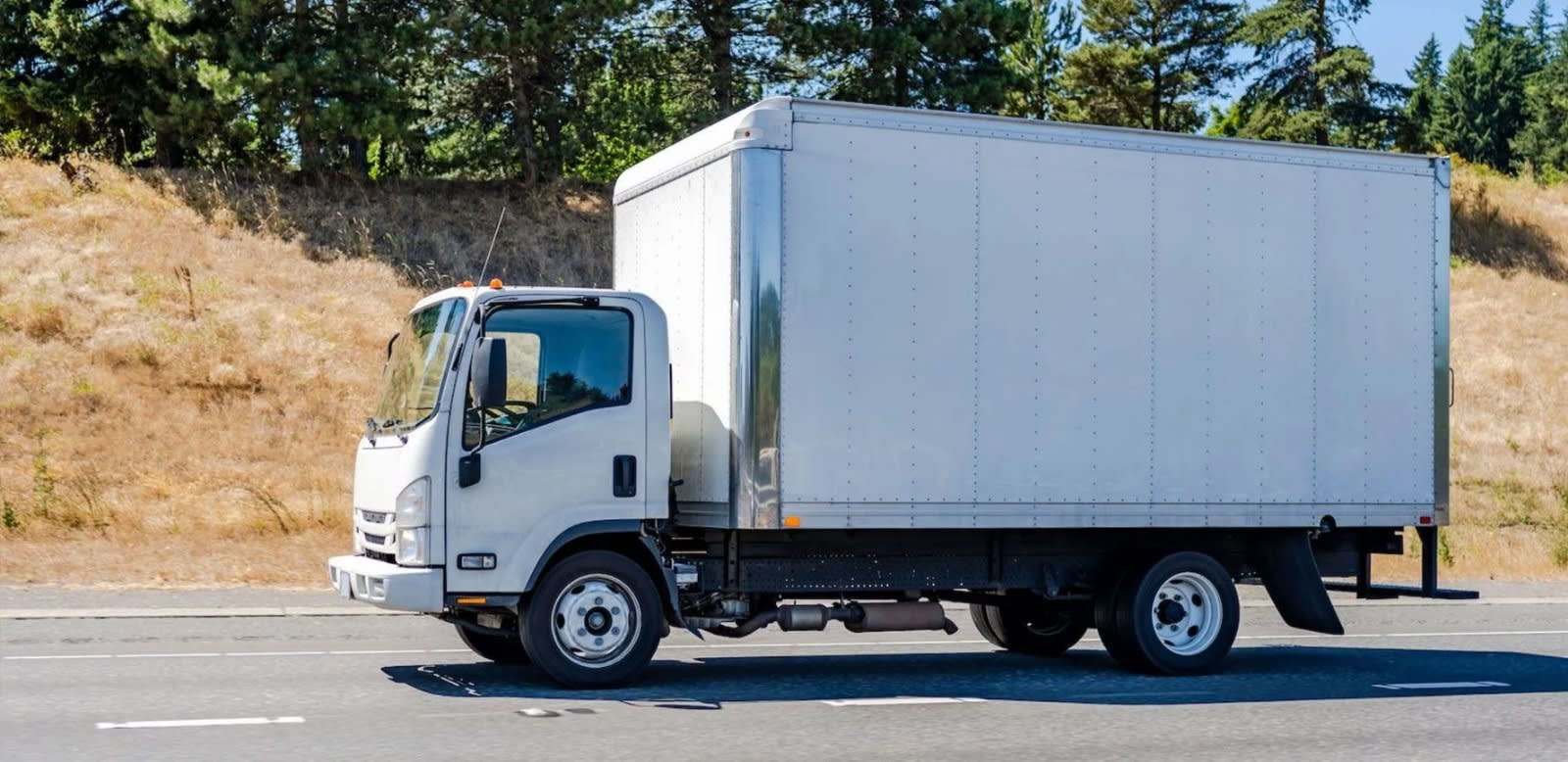
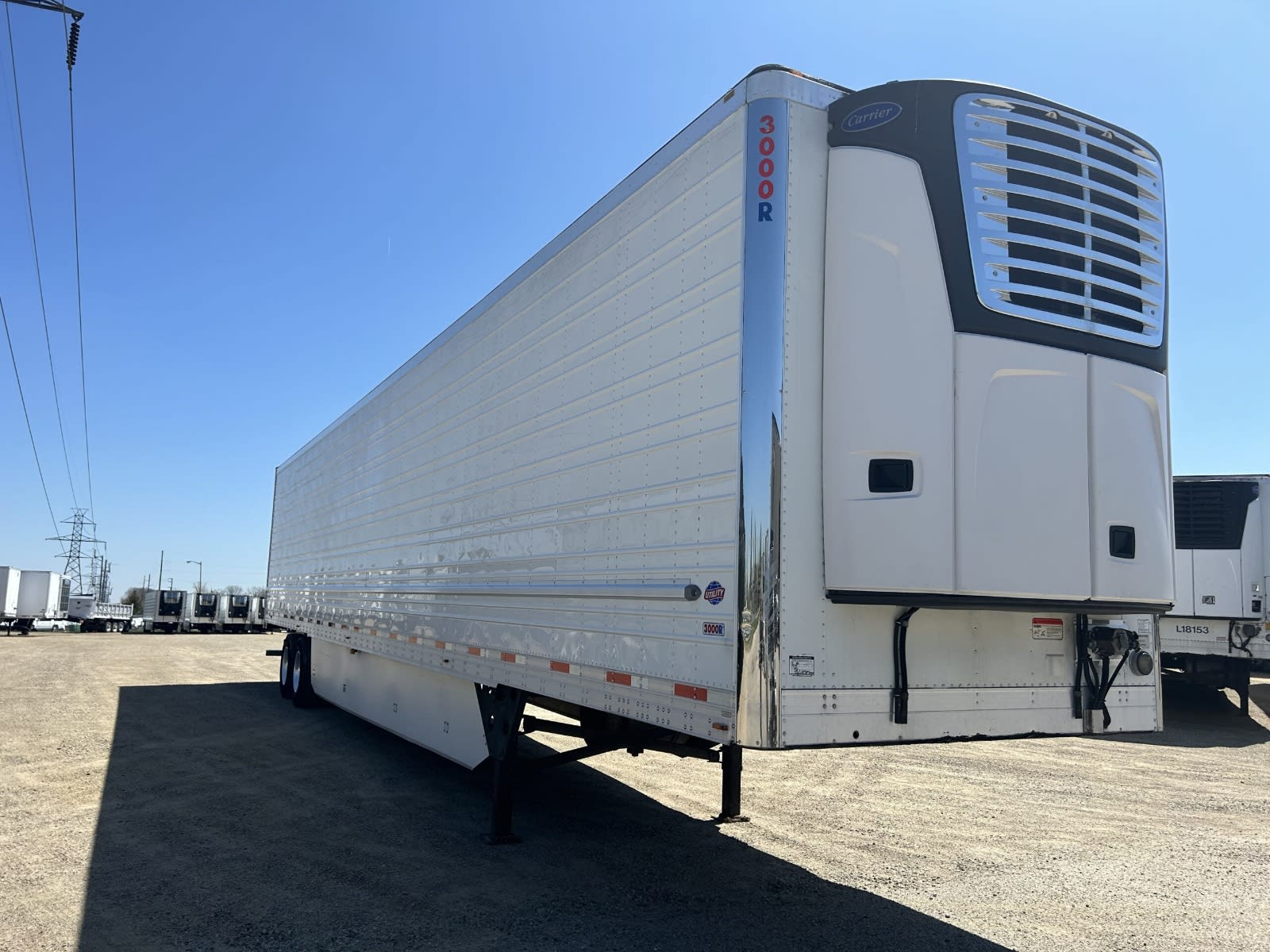
What makes the Los Angeles to Sacramento Valley/Stockton lane difficult?
Central Valley summer heat can affect equipment on the long I-5 stretch
Central Valley summer heat can affect equipment on the long I-5 stretch.
Port-adjacent traffic near the Deep Water Ship Channel can add time at pickup
Port-adjacent traffic near the Deep Water Ship Channel can add time at pickup.
Highway 99 stretches near Stockton can be busy with agricultural traffic during harvest
Highway 99 stretches near Stockton can be busy with agricultural traffic during harvest.
What freight moves on the Los Angeles to Sacramento Valley/Stockton lane?
What travels between Los Angeles and Stockton, and when the busy weeks fall.
Primary Commodities
- •Agricultural Products
- •Consumer Goods
- •Retail Distribution
Secondary Commodities
- •Port of Stockton bulk and rail freight
- •Central Valley agricultural products
- •E-commerce fulfillment freight (Amazon and similar)
Seasonal Cargo
Peak seasons for this lane:
- •Consumer goods (holiday surge)
- •Agricultural products (spring/summer harvest)
- •Retail distribution (steady)
When is the Los Angeles to Sacramento Valley/Stockton lane busiest?
Retail timing and the Central Valley growing season both shape this lane.
Q1 (Jan-Mar): Slow Period?
A modest dip after the holidays, cushioned by steady port and rail freight through Stockton.
Q4 (Oct-Dec): Peak Period?
Consumer goods climb from October through December.
Produce Season?
A real factor from spring through fall as Central Valley agricultural freight moves through the region.
- •Q4 holiday retail season
- •Spring/summer agricultural season
- •Steady port and rail freight
Hurricane Risk?
None. This is an inland California route; winter fog is the more relevant seasonal risk.
Seasonal Strategy Summary
Distribution freight into Stockton runs steady year-round, tracking the inland port's continued growth and new fulfillment-center capacity more than any single season.
How do I negotiate the best rate on the Los Angeles to Sacramento Valley/Stockton lane?
When to book, who pays extra, and which loads need extra time.
When to Book
Suggested booking window:
2-3 days out is typical for this steady lane.
What Brokers Pay More
Loads that command more:
Time-critical port-connected or rail-transfer freight tends to pay a premium.
When to Avoid
Loads to price carefully:
Be careful pricing a summer daytime run through the Central Valley without a heat plan.
Rate Negotiation Tips for Los Angeles to Sacramento Valley/Stockton
- •
Ask about freight connected to Walmart's new fulfillment center or the Port of Stockton's inland-port operations, both genuinely growing reload sources.
- •
This lane runs about 5 hours, so plan your required HOS break into the schedule.
- •
Confirm your truck's Clean Truck Check status before dispatching into California.
How do I find a backhaul load on the Los Angeles to Sacramento Valley/Stockton lane?
Stockton's port, rail and major distribution operations all add backhaul options.
Best Return Cities
Where to look for the southbound load:
- •Stockton, CA
- •Regional distribution hubs near Sacramento Valley/Stockton
Deadhead Risk %
Deadhead risk on this lane: 15-20%
Check the Port of Stockton's rail-connected freight in addition to the major distribution centers if a direct backhaul is thin.
Alternative Routes
If the first load falls through, try these:
- •Southbound almond, walnut, and processed food freight from Stockton-area cold storage is a reliable backhaul source, especially after harvest. It goes back to LA-area distribution and export consolidation.
Backhaul Optimization Tips
- •
The Port of Stockton's 7.7 million square feet of warehouse space gives this lane real, growing backhaul variety.
- •
Stockton's role as an inland-port alternative to coastal congestion keeps drawing new distribution tenants.
- •
Ask about Walmart fulfillment-center-connected freight as its new facility ramps up in 2026.
What do experienced dispatchers know about the Los Angeles to Sacramento Valley/Stockton lane?
Three notes before this Central Valley run.
Check tire pressure and coolant before summer runs through the Central Valley.
Confirm your dock is on the port side or the highway side of Stockton; the layouts differ.
If reloading near the Port of Stockton, ask about rail-connected freight in addition to standard truck freight.
Ask for the specific building or dock number in advance; Stockton has several large, similarly named campuses.
Before you book Los Angeles to Stockton, ask whether your freight connects to Walmart's new fulfillment center or general Port of Stockton distribution.
Los Angeles to Stockton Lane FAQs
Answers on drive time, the Port of Stockton, and the local freight base.
The lane data shows about $724 - $850 per load, or $2.30 - $2.70 a mile, across 315 miles.
The Port of Stockton is one of California's few inland deep-water ports, reaching 75 miles from San Francisco Bay through the Deep Water Ship Channel, and it moves more than 3 million short tons a year on its own rail lines.
Amazon, Procter & Gamble and Tesla all run distribution operations there, drawn by the combination of I-5 and Highway 99 access, rail connections and the inland port.
Reasonably. Between the port, rail freight and major distribution centers, there are more backhaul options than at many mid-size Central Valley stops.
Other California freight lanes we dispatch
- Los Angeles to Chicago
- Los Angeles to Salt Lake City
- Los Angeles to Reno
- Los Angeles to Portland
- Los Angeles to Phoenix
- Los Angeles to Las Vegas
Local resources
Dry Van owner-operator, West Coast: +$2,010/week after moving to $2.62/mi on general freight / consumer goods freight.
Read the case studyNeed help running Los Angeles, CA to Stockton, CA consistently?
Running Los Angeles to Stockton often? Ask about a free custom growth plan.