
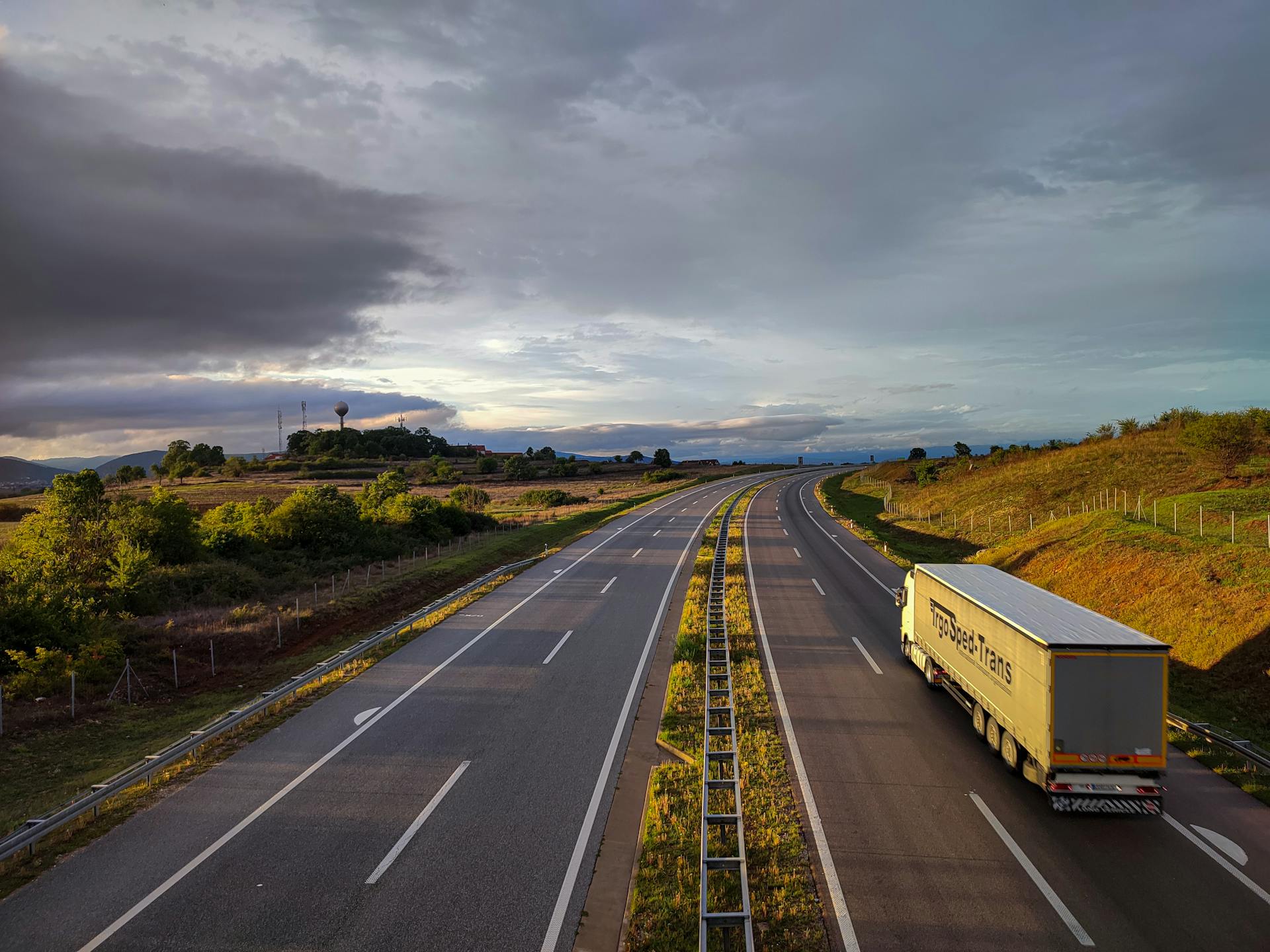
Los Angeles to Phoenix Truck Dispatch
Freight route from Los Angeles, CA to Phoenix, AZ (370 miles). One of the most active freight corridors in the country, driven by steady import-distribution volume from the ports.
What do truck dispatch rates run from Los Angeles to Phoenix?
Los Angeles to Phoenix is a 370-mile lane paying about $851 - $999 per load, near $2.30 - $2.70 a mile. The lane data lists transit as same-day, 6 hours. Freight is mostly retail distribution, consumer goods and import cargo.
- Distance
- 370 miles
- Avg. rate / load
- $851 - $999
- Rate per mile
- $2.30 - $2.70
- Transit time
- Same day / 6 hrs
- Deadhead risk
- 15-20%
Lane rates reviewed September 2026. These numbers follow 2026 spot-market pricing and shift with fuel prices and LA port volume. See our dispatch fee structure.
Los Angeles to Phoenix
Los Angeles to Phoenix is a 370-mile run east on I-10, about 6 hours of driving. Phoenix has grown into what industry writers call the Southwest's distribution backbone: between 2019 and 2023 the metro added 58.9 million square feet of warehouse space, more than almost any other US metro, much of it built to give retailers a lower-cost alternative to Southern California while staying close enough to reach it in a day. The I-10/I-17 interchange near downtown Phoenix is one of the busiest freight junctions in the Southwest, and TSMC's chip plants north of the city near Loop 303 and I-17 are pulling in new industrial freight on top of the retail base.
Origin
Los Angeles, CA
Destination
Phoenix, AZ
Distance
370 miles
Transit Time
Same day / 6 hrs
Average Rate
$851 - $999
Rate per Mile
$2.30 - $2.70
370-mile lane, typically a same-day run on I-10
Phoenix added 58.9 million square feet of warehouse space from 2019-2023, among the fastest growth of any US metro
The I-10/I-17 interchange near downtown Phoenix is a major Southwest freight junction
Los Angeles to Phoenix: route facts a driver should know
CARB's Clean Truck Check now runs twice a year
California's Clean Truck Check program requires most diesel trucks over 14,000 pounds to pass emissions testing twice a year, with deadlines tied to DMV registration. This applies to out-of-state trucks operating in California too, not just California-registered ones.
Source: California Air Resources Board, Clean Truck Check overview. Checked 29 Sep 2026.
A medium lane: plan for a real HOS break
FMCSA requires a 30-minute break after 8 cumulative hours of driving without one. This 370-mile lane runs about 5.5 hours, so plan your break into the schedule.
Source: FMCSA, Summary of Hours of Service Regulations. Checked 29 Sep 2026.
Diesel for this lane
How much is the diesel for Los Angeles to Phoenix?
About $445.02 this week. The lane is 370 miles. A truck that gets 6.5 miles per gallon uses about 57 gallons, and diesel is averaging $7.82 a gallon on this lane (week of October 19, 2026). The U.S. average diesel price is up 10 cents this week.
An estimate. It uses EIA's weekly average for the two regions this lane connects, not the price at each pump. Your mpg and fuel card discounts change it.
- Distance
- 370 mi
- Diesel needed
- 57 gal
- Price used
- $7.82/gal
- Fuel cost
- $445.02
Common Freight Types
Retail distribution, consumer goods and import cargo fill the trailers heading east.
- Retail Distribution
- Consumer Goods
- Import Cargo
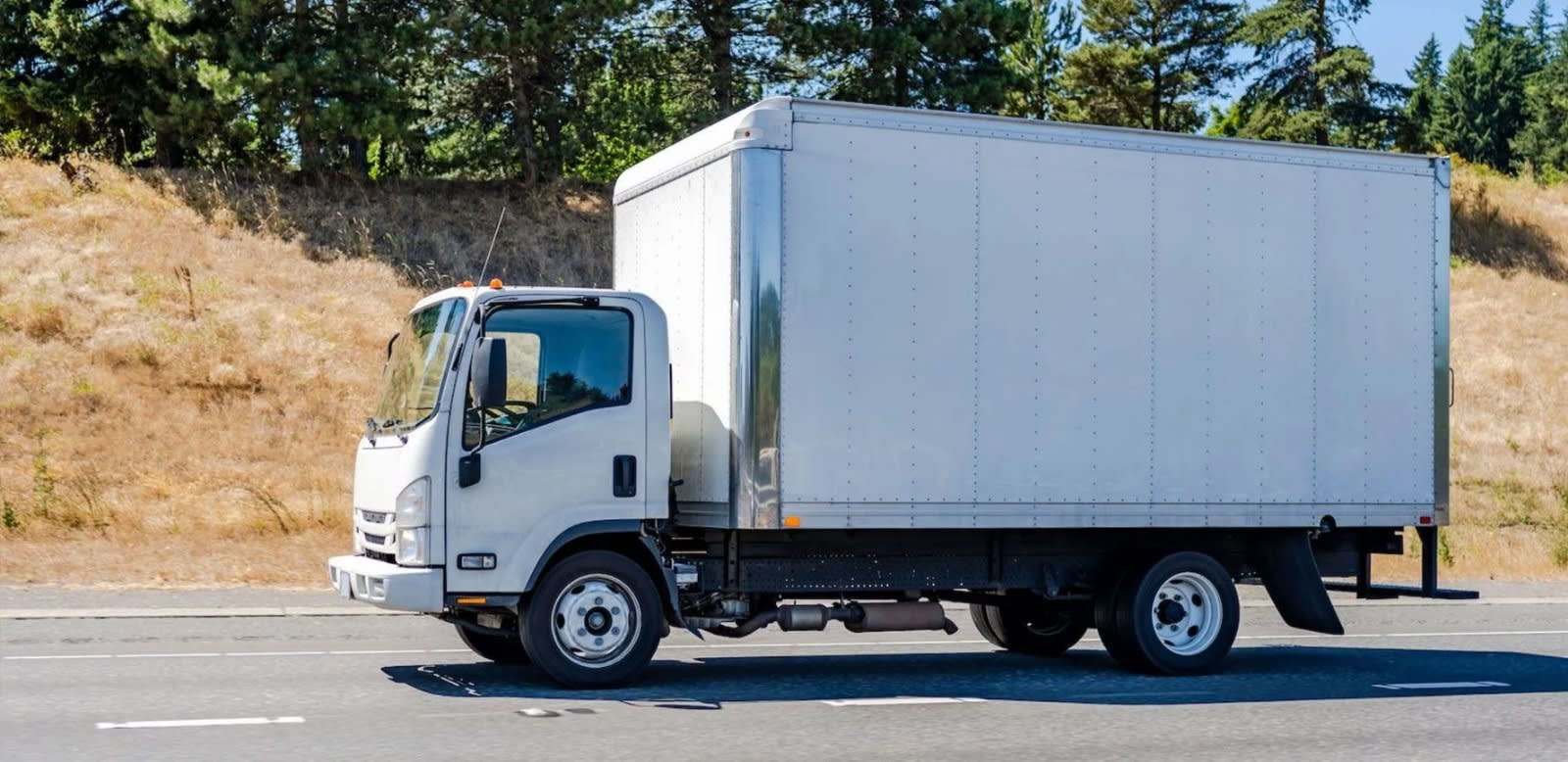
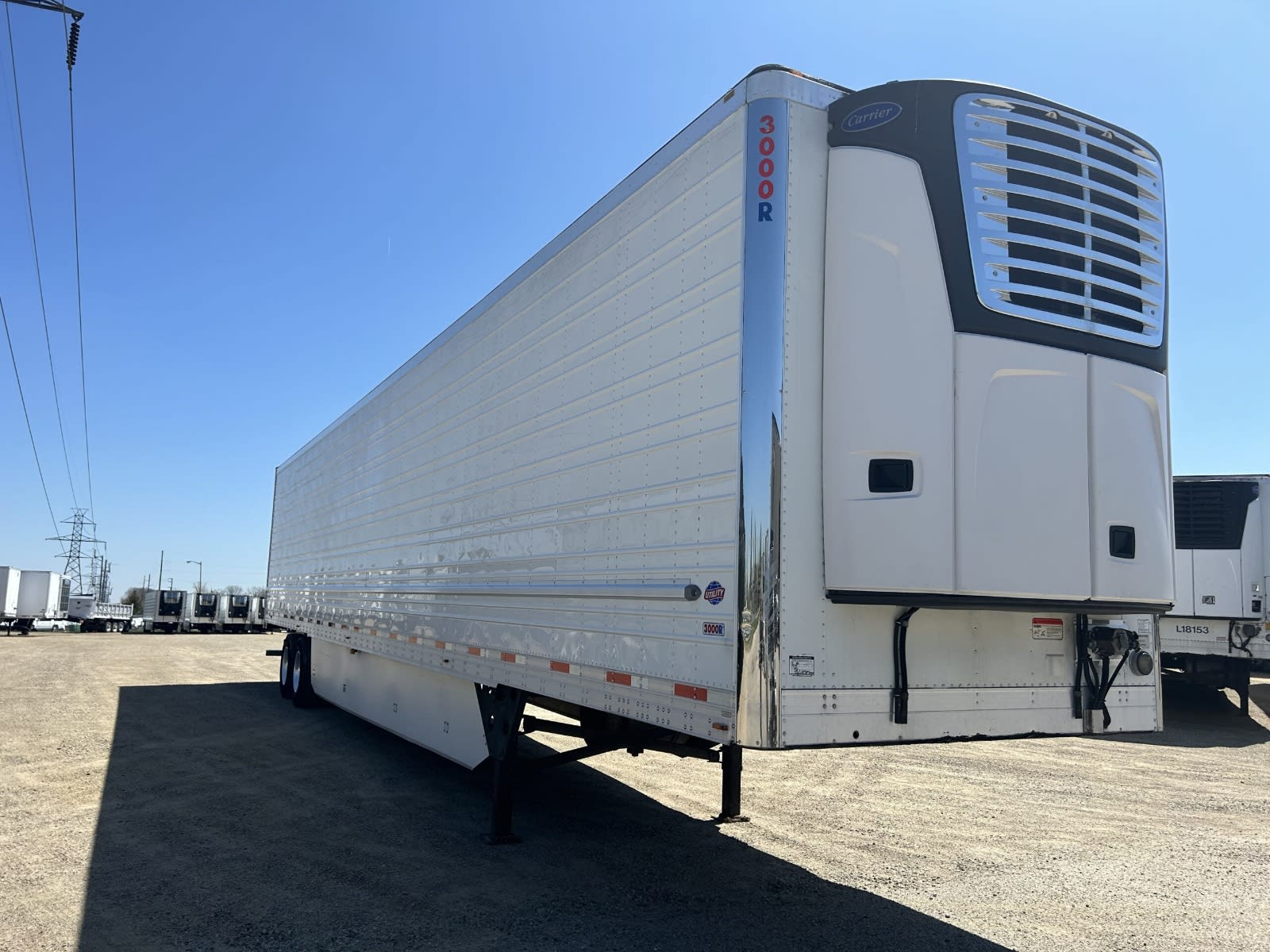
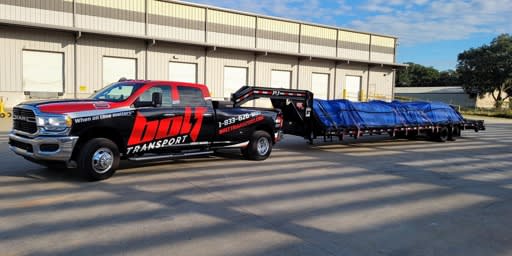
What makes the Los Angeles to Phoenix lane difficult?
Summer desert heat on I-10 between Blythe and Phoenix regularly tops 110°F
Summer desert heat on I-10 between Blythe and Phoenix regularly tops 110°F.
The I-10/I-17 interchange area can back up during Phoenix rush hour
The I-10/I-17 interchange area can back up during Phoenix rush hour.
A crowded, competitive lane keeps rates tight
Understanding and preparing for this challenge helps optimize your operations and maximize profitability on this lane.
What freight moves on the Los Angeles to Phoenix lane?
What travels between Los Angeles and Phoenix, and when the busy weeks fall.
Primary Commodities
- •Retail Distribution
- •Consumer Goods
- •Import Cargo
Secondary Commodities
- •Import cargo transloaded from LA-area ports
- •Semiconductor and manufacturing freight
- •E-commerce fulfillment freight
Seasonal Cargo
Peak seasons for this lane:
- •Retail distribution (holiday surge, October-December)
- •Consumer goods (steady all year)
- •Import cargo (tied to port volume)
When is the Los Angeles to Phoenix lane busiest?
Retail timing sets the peaks on this lane.
Q1 (Jan-Mar): Slow Period?
January and February slow some after the holiday rush, though Phoenix's growing manufacturing base keeps freight steadier than a pure retail lane.
Q4 (Oct-Dec): Peak Period?
Retail distribution climbs hard from October through December as Phoenix-area warehouses restock.
Produce Season?
A minor factor; this lane runs mostly on retail and import freight, not harvest timing.
- •Q4 holiday retail season
- •Spring/summer construction season
- •Steady semiconductor-linked freight
Hurricane Risk?
None. This is an inland desert route; summer heat is the real weather risk, not storms.
Seasonal Strategy Summary
Distribution freight on this lane runs steady year-round, with summer desert heat the main seasonal factor to plan equipment and driver breaks around.
How do I negotiate the best rate on the Los Angeles to Phoenix lane?
When to book, who pays extra, and which loads need a heat plan.
When to Book
Suggested booking window:
2-3 days out is typical for this steady, high-volume lane.
What Brokers Pay More
Loads that command more:
Time-critical import transload freight out of the LA ports tends to pay a premium.
When to Avoid
Loads to price carefully:
Be careful pricing a summer daytime run through the Blythe desert stretch without a heat plan.
Rate Negotiation Tips for Los Angeles to Phoenix
- •
Confirm your truck's Clean Truck Check status before running California loads. Non-compliance can trigger a DMV registration block.
- •
This lane runs about 5.5 hours, so plan your required HOS break into the schedule.
- •
Summer desert heat across this corridor is real. Check equipment and driver plans before a July or August run.
How do I find a backhaul load on the Los Angeles to Phoenix lane?
Phoenix's warehouse growth gives you good odds on a westbound load.
Best Return Cities
Where to look for the westbound load:
- •Phoenix, AZ
- •Regional distribution hubs near Phoenix
Deadhead Risk %
Deadhead risk on this lane: 15-20%
Phoenix's fast-growing distribution base makes this an easier backhaul than many desert lanes; check the newer Goodyear and Loop 303 submarkets first.
Alternative Routes
If the first load falls through, try these:
- •Phoenix-to-LA backhauls are plentiful. Westbound produce and retail freight from Arizona distribution centers flows back into the Inland Empire. Carriers rarely deadhead this lane in either direction.
Backhaul Optimization Tips
- •
Phoenix's booming distribution and semiconductor economy gives this lane real backhaul options.
- •
Confirm your Clean Truck Check compliance covers the full round trip, since the requirement applies to any truck operating on California roads.
- •
Check current desert heat conditions for your return trip in summer months.
What do experienced dispatchers know about the Los Angeles to Phoenix lane?
Three notes before you cross the desert.
Check tires and coolant before the Blythe-to-Phoenix desert stretch in summer.
Time your Phoenix arrival to miss the I-10/I-17 rush-hour crunch if the dock allows it.
Ask which side of the metro (Phoenix, Goodyear, Tucson) the delivery is on; the newer warehouse growth is spread wide.
Fuel and rest before Blythe if you are running late in the day; services thin out after that.
Watch for dust storm (haboob) warnings on I-10 between Phoenix and Tucson in summer; ADOT's advice is to pull fully off the road, turn off your lights, and wait it out rather than keep driving in zero visibility.
Before you book Los Angeles to Phoenix, confirm your truck's Clean Truck Check compliance status, since California enforces it on out-of-state trucks too.
Los Angeles to Phoenix Lane FAQs
Answers on driving time, the Phoenix warehouse boom, and heat planning.
The lane data shows about $851 - $999 per load, or $2.30 - $2.70 a mile, across 370 miles. It is a busy, competitive lane, so compare the offer with the board.
Phoenix added 58.9 million square feet of warehouse and distribution space between 2019 and 2023, among the fastest growth of any US metro, as retailers use it as a lower-cost alternative to Southern California that still reaches it in a day. TSMC's chip plants near Loop 303 and I-17 are adding manufacturing freight on top of that.
The Blythe-to-Phoenix stretch regularly tops 110°F in summer. Check your tires and cooling system before a summer daytime run.
Phoenix's rapid warehouse growth gives reasonable odds. Check the newer submarkets around Goodyear and Loop 303 as well as central Phoenix.
Other California freight lanes we dispatch
- Los Angeles to Las Vegas
- Los Angeles to Portland
- Los Angeles to San Francisco
- Los Angeles to San Diego
- Los Angeles to Sacramento
- Los Angeles to Fresno
Local resources
Also serving the other end of this lane
Dry Van owner-operator, West Coast: +$2,010/week after moving to $2.62/mi on general freight / consumer goods freight.
Read the case studyNeed help running Los Angeles, CA to Phoenix, AZ consistently?
Running Los Angeles to Phoenix often? Ask about a free custom growth plan.