
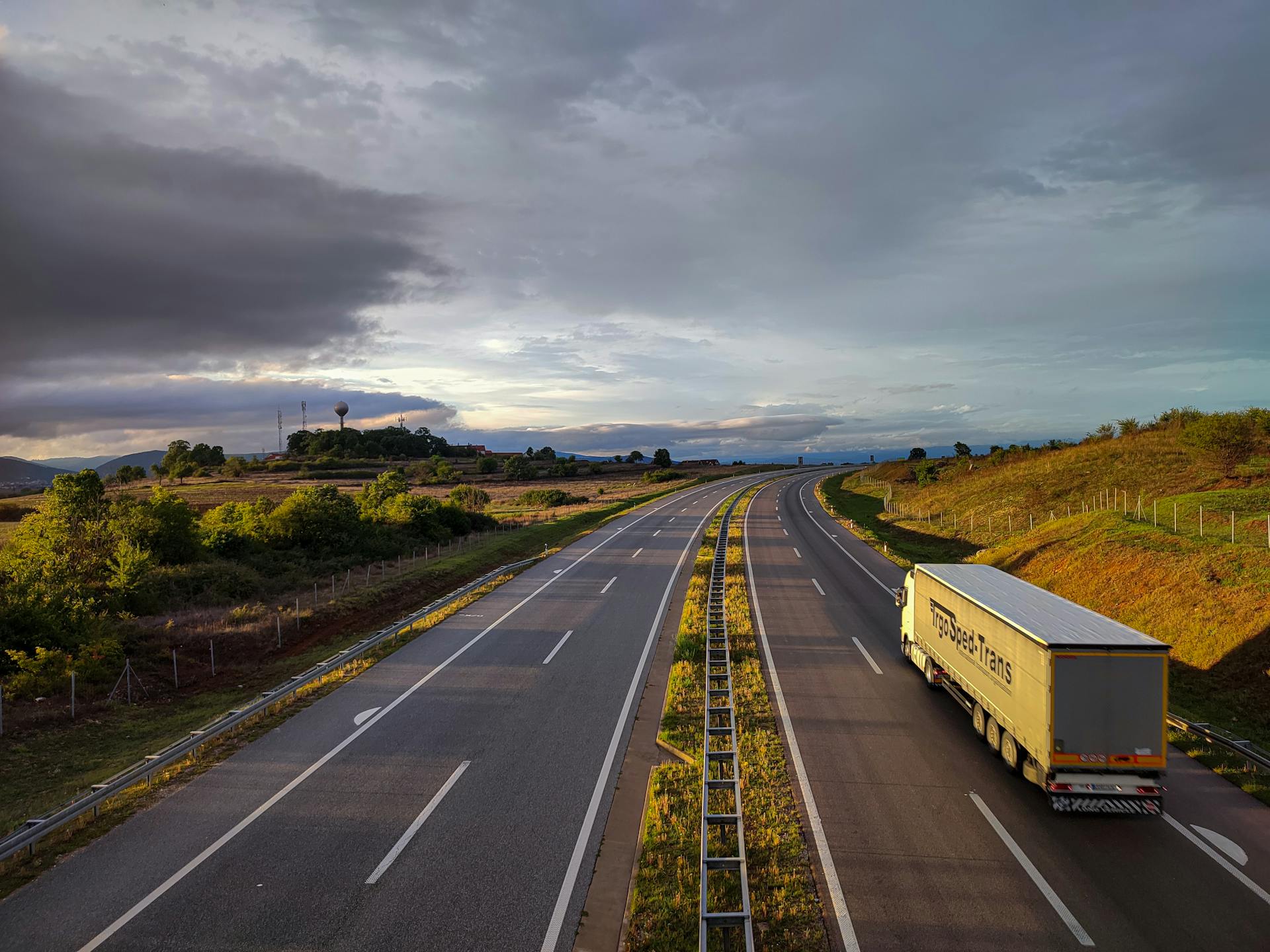
Phoenix to Nogales Truck Dispatch
Freight route from Phoenix, AZ to Nogales, AZ (180 miles). The main Arizona-Mexico crossing for maquiladora electronics, medical device, and auto parts freight.
What do truck dispatch rates run from Phoenix to Nogales?
Phoenix to Nogales is a 180-mile lane paying about $459 - $531 per load, near $2.55 - $2.95 a mile. Freight is mostly cross-border/import cargo, electronics and automotive parts, alongside heavy winter produce volume.
- Distance
- 180 miles
- Avg. rate / load
- $459 - $531
- Rate per mile
- $2.55 - $2.95
- Transit time
- Same day / 3 hrs
- Deadhead risk
- 20-25%
Lane rates reviewed September 2026. These numbers follow 2026 spot-market pricing and shift hard with the winter produce season. See our dispatch fee structure.
Phoenix to Nogales
Phoenix to Nogales is a 180-mile, 3-hour run south on I-19, ending at one of the country's most important produce gateways. Nogales's Mariposa Port of Entry handles the largest volume of fresh produce trucked into the US from Mexico, over 4 billion pounds a year, close to 45% of the fresh produce Americans eat in winter, with tomatoes, peppers, cucumbers, melons and berries peaking through the cold months. Nogales's ports of entry together move more than 309,000 trucks a year, and Mariposa's upgrades brought it to over 4,000 truck inspections a day across 8 commercial lanes.
Origin
Phoenix, AZ
Destination
Nogales, AZ
Distance
180 miles
Transit Time
Same day / 3 hrs
Average Rate
$459 - $531
Rate per Mile
$2.55 - $2.95
180-mile lane, typically a 3-hour run on I-19
The Mariposa Port of Entry handles over 4 billion pounds of fresh produce a year from Mexico
Nogales's ports of entry move more than 309,000 trucks a year
Phoenix to Nogales: route facts a driver should know
The Mariposa Port of Entry moves 120,000 trucks a year
The Mariposa Port of Entry in Nogales handles the largest volume of fresh produce trucked into the US from Mexico. About 120,000 trucks cross annually, carrying roughly $2.5 billion worth of Mexican produce and over 4 billion pounds of fresh produce a year.
Source: Nogales, Arizona city government, Produce page. Checked 29 Sep 2026.
Winter is the real peak: over 10,000 more crossings a month
During winter produce season, the average number of loaded truck crossings at Nogales runs more than 10,000 above the summer monthly average, as tomatoes, peppers, cucumbers, melons and berries surge north from Sinaloa and Sonora.
Source: University of Arizona, Arizona-Mexico Economic Indicators. Checked 29 Sep 2026.
A short lane: you likely won't need the 30-minute break
FMCSA requires a 30-minute break after 8 cumulative hours of driving without one. This 180-mile lane runs about 3 hours, so most drivers can finish it without a required break.
Source: FMCSA, Summary of Hours of Service Regulations. Checked 29 Sep 2026.
Diesel for this lane
How much is the diesel for Phoenix to Nogales?
About $204.76 this week. The lane is 180 miles. A truck that gets 6.5 miles per gallon uses about 28 gallons, and diesel is averaging $7.39 a gallon on this lane (week of October 19, 2026). The U.S. average diesel price is up 10 cents this week.
An estimate. It uses EIA's weekly average for this region, not the price at each pump. Your mpg and fuel card discounts change it.
- Distance
- 180 mi
- Diesel needed
- 28 gal
- Price used
- $7.39/gal
- Fuel cost
- $204.76
Common Freight Types
Cross-border cargo, electronics, automotive parts and winter produce fill the trailers on this border run.
- Cross-Border/Import Cargo
- Electronics
- Automotive Parts
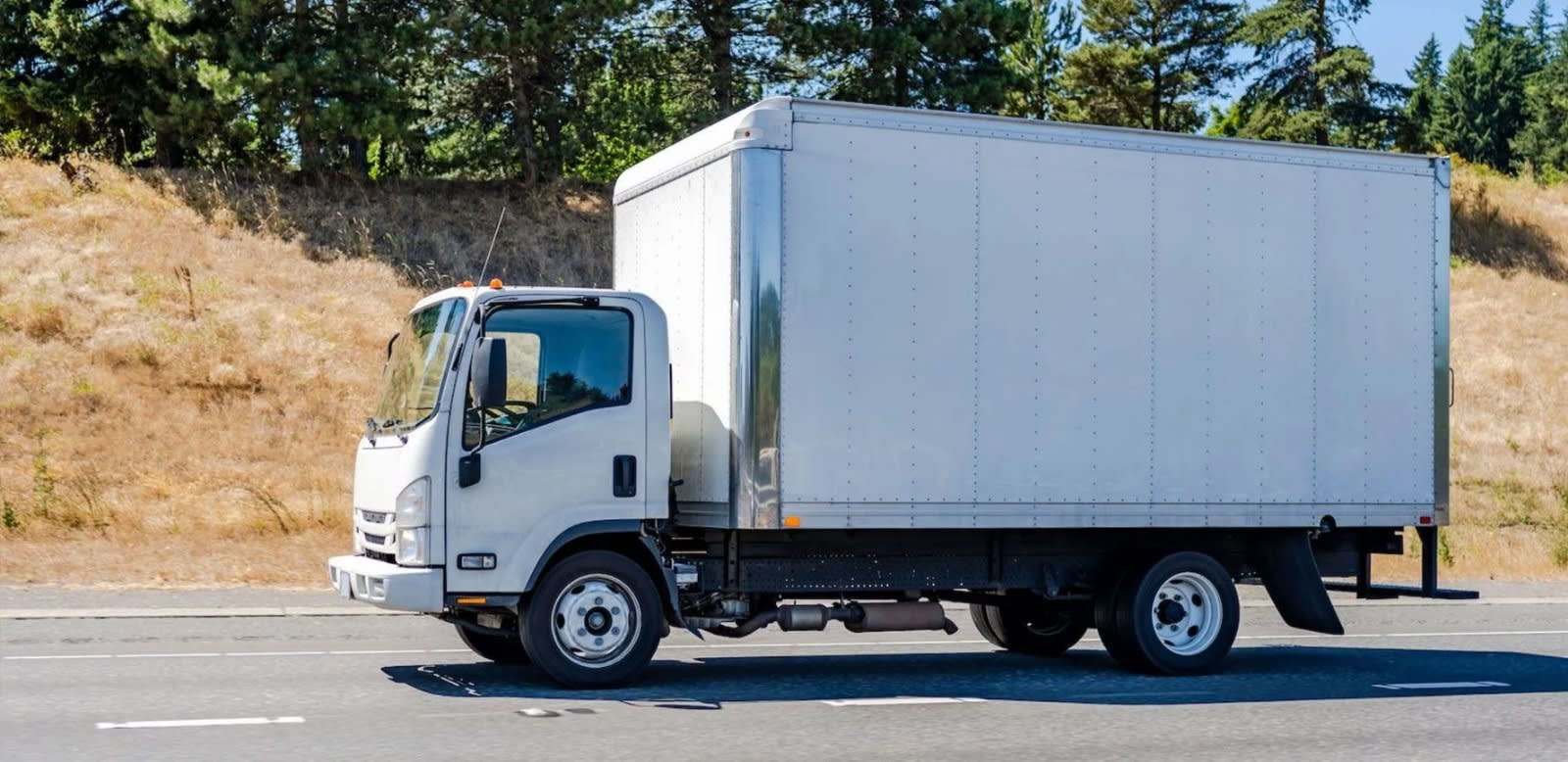
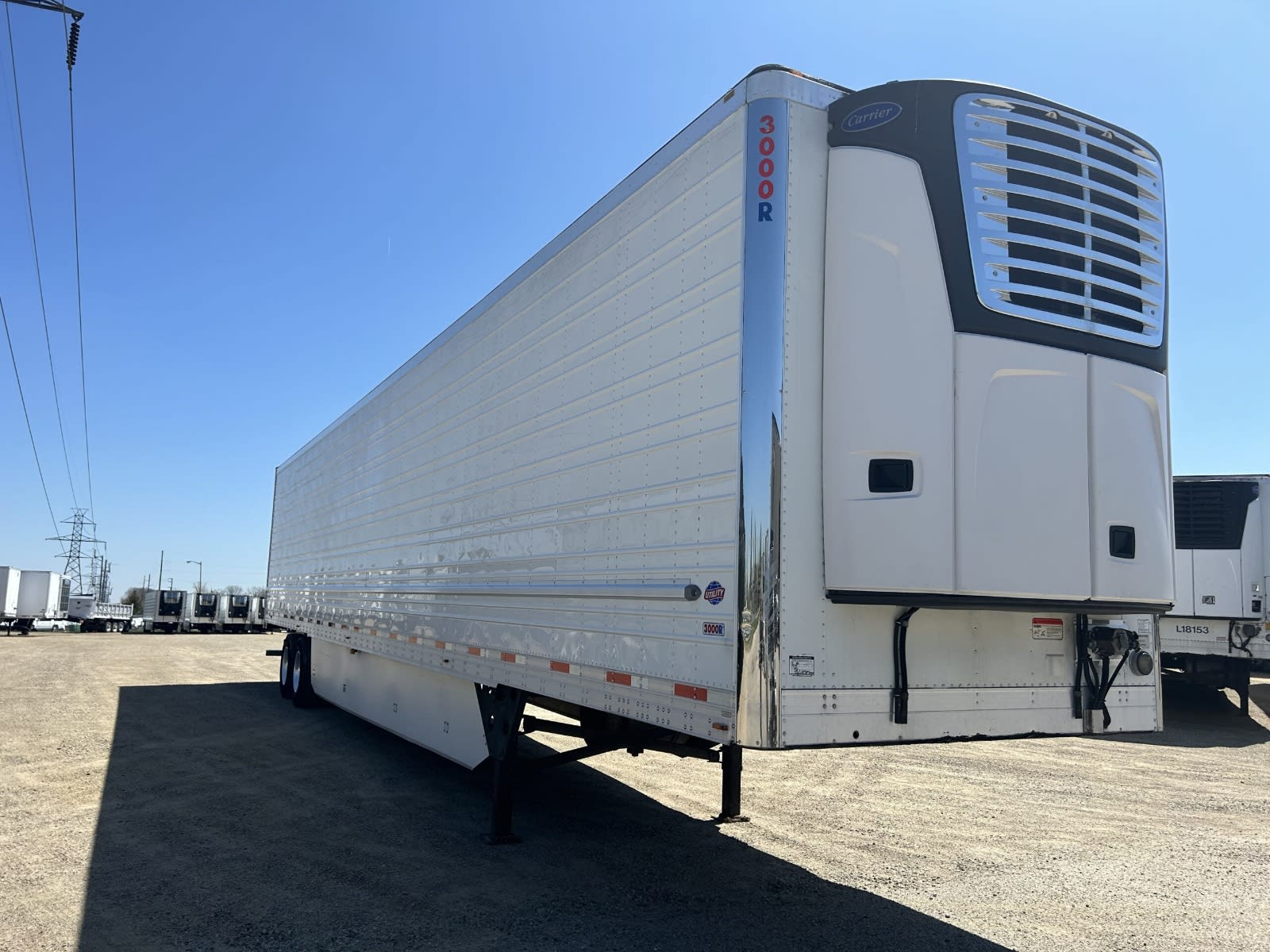
What makes the Phoenix to Nogales lane difficult?
Border crossing wait times can be long during peak winter produce season
Border crossing wait times can be long during peak winter produce season.
Reefer temperature requirements vary by commodity and need to be confirmed before loading
Reefer temperature requirements vary by commodity and need to be confirmed before loading.
Summer heat between Phoenix and Nogales can affect equipment
Summer heat between Phoenix and Nogales can affect equipment.
What freight moves on the Phoenix to Nogales lane?
What crosses at Nogales, and when the produce season peaks.
Primary Commodities
- •Cross-Border/Import Cargo
- •Electronics
- •Automotive Parts
Secondary Commodities
- •Fresh produce (tomatoes, peppers, cucumbers, melons, berries)
- •Electronics
- •Automotive parts
Seasonal Cargo
Peak seasons for this lane:
- •Produce/perishables (winter peak)
- •Cross-border/import cargo (steady)
- •Electronics (steady)
When is the Phoenix to Nogales lane busiest?
Winter is the defining season here, the opposite of most other lanes.
Q1 (Jan-Mar): Slow Period?
Not slow at all: winter is peak produce season, so this lane is at its busiest while many others quiet down.
Q4 (Oct-Dec): Peak Period?
Produce volume ramps up heading into winter as the Mexican growing season shifts north to south.
Produce Season?
The defining factor: Mariposa handles close to 45% of the fresh produce Americans eat in winter, with peak volume through the cold months.
- •Winter produce season (peak through the cold months)
- •Steady cross-border freight year-round
- •Q4 holiday retail season
Hurricane Risk?
None. Summer desert heat is the more relevant seasonal risk on this route.
Seasonal Strategy Summary
Reefer produce freight through Nogales peaks sharply from winter through early spring, while dry van manufacturing freight from Sonora runs steady year-round.
How do I negotiate the best rate on the Phoenix to Nogales lane?
When to book, what pays a premium, and what needs a border-time buffer.
When to Book
Suggested booking window:
Book further ahead during peak winter produce season when reefer capacity and border lanes both tighten.
What Brokers Pay More
Loads that command more:
Time-critical reefer produce freight during winter peak season pays a real premium.
When to Avoid
Loads to price carefully:
Be careful committing to a tight delivery window without confirming current border wait times first.
Rate Negotiation Tips for Phoenix to Nogales
- •
Book reefer capacity early for winter produce season, when Nogales sees over 10,000 more monthly crossings than summer.
- •
Ask whether your freight is reefer produce or dry van manufacturing freight from Sonora's Hermosillo-Guaymas corridor, since both move through Nogales year-round.
- •
This short lane pairs well with a same-day return if border wait times cooperate.
How do I find a backhaul load on the Phoenix to Nogales lane?
Steady cross-border freight in both directions keeps a return load realistic.
Best Return Cities
Where to look for the return load:
- •Nogales, AZ
- •Regional distribution hubs near Nogales
Deadhead Risk %
Deadhead risk on this lane: 20-25%
The high volume of cross-border traffic through Mariposa gives real backhaul options most of the year.
Alternative Routes
If the first load falls through, try these:
- •Winter produce import volume makes this one of the more reliably loaded border-crossing lanes in the network. It is concentrated in one season, though.
Backhaul Optimization Tips
- •
The Mariposa Port of Entry's massive produce volume gives this lane real, if seasonal, backhaul variety.
- •
Dry van manufacturing freight from Sonora's industrial corridor runs steady year-round, beyond the winter produce peak.
- •
Confirm current border wait times before planning a tight same-day turnaround.
What do experienced dispatchers know about the Phoenix to Nogales lane?
Three notes before you cross at Nogales.
Confirm reefer temperature settings before you load; different produce needs different settings.
Check current Mariposa Port of Entry wait times before committing to a tight delivery window, especially in winter.
Check tires and coolant before a summer run.
Before you book Phoenix to Nogales, confirm current Mariposa Port of Entry wait times and check whether it's winter produce season, when crossings surge.
Phoenix to Nogales Lane FAQs
Answers on driving time, produce season, and the border crossing itself.
The lane data shows about $459 - $531 per load, or $2.55 - $2.95 a mile, across 180 miles, with real seasonal swings tied to produce volume.
The Mariposa Port of Entry handles the largest volume of fresh produce trucked into the US from Mexico, over 4 billion pounds a year, close to 45% of the fresh produce Americans eat in winter.
Very. Nogales's ports of entry move more than 309,000 trucks a year, and the Mariposa crossing alone handles over 4,000 truck inspections a day across 8 commercial lanes.
Often, yes, for the produce that dominates winter volume. Confirm the temperature setting before you load.
Other Arizona freight lanes we dispatch
- Phoenix to Albuquerque
- Phoenix to Salt Lake City
- Phoenix to El Paso
- Phoenix to Houston
- Phoenix to Sacramento
- Phoenix to Yuma
Local resources
Dry Van owner-operator, West Coast: +$2,010/week after moving to $2.62/mi on general freight / consumer goods freight.
Read the case studyNeed help running Phoenix, AZ to Nogales, AZ consistently?
Running Phoenix to Nogales often? Ask about a free custom growth plan.