

Portland to Eugene Truck Dispatch
Freight route connecting Portland, OR to Eugene, OR (110 miles). Connects Portland to the Willamette Valley's grass seed and timber freight base via I-5.
What do truck dispatch rates run from Portland to Eugene?
Portland to Eugene is a 110-mile lane paying about $297 - $341 per load, near $2.70 - $3.10 a mile. Freight is mostly consumer goods, LTL/distribution-connected freight and agricultural freight.
- Distance
- 110 miles
- Avg. rate / load
- $297 - $341
- Rate per mile
- $2.70 - $3.10
- Transit time
- Same day / 2 hrs
- Deadhead risk
- 10-15%
Lane rates reviewed September 2026. These numbers follow 2026 spot-market pricing for a short, high-rate-per-mile lane. See our dispatch fee structure.
Portland to Eugene
Portland to Eugene is a 110-mile, roughly 1.5-hour run south on I-5, connecting two of Oregon's biggest freight markets. Estes Express opened a new Eugene service center in 2025 with 40 doors, more than triple the capacity of its previous location, letting more freight move directly from trailer to trailer without staging.
Origin
Portland, OR
Destination
Eugene, OR
Distance
110 miles
Transit Time
Same day / 2 hrs
Average Rate
$297 - $341
Rate per Mile
$2.70 - $3.10
110-mile lane, about 1.5 hours on I-5
Estes Express opened a new 40-door Eugene service center in 2025, more than tripling its prior capacity
Both cities sit on I-5, Oregon's core north-south freight corridor
Portland to Eugene: route facts a driver should know
Eugene is one of the nation's largest softwood lumber producers
The Eugene-Springfield region is described as among the nation's largest producers of softwood lumber and plywood products, and has diversified into tech, earning the nickname 'Silicon Shire.'
Source: Encyclopedia.com, Eugene regional economy overview. Checked 30 Sep 2026.
I-5 and I-84 carry most of Oregon's truck freight
More than 75% of Oregon's truck freight tonnage moves on either I-5 or I-84, the state's two most critical freight corridors, both connecting directly into Portland.
Source: Oregon Trucking Association. Checked 30 Sep 2026.
Diesel for this lane
How much is the diesel for Portland to Eugene?
About $125.13 this week. The lane is 110 miles. A truck that gets 6.5 miles per gallon uses about 17 gallons, and diesel is averaging $7.39 a gallon on this lane (week of October 19, 2026). The U.S. average diesel price is up 10 cents this week.
An estimate. It uses EIA's weekly average for this region, not the price at each pump. Your mpg and fuel card discounts change it.
- Distance
- 110 mi
- Diesel needed
- 17 gal
- Price used
- $7.39/gal
- Fuel cost
- $125.13
Common Freight Types
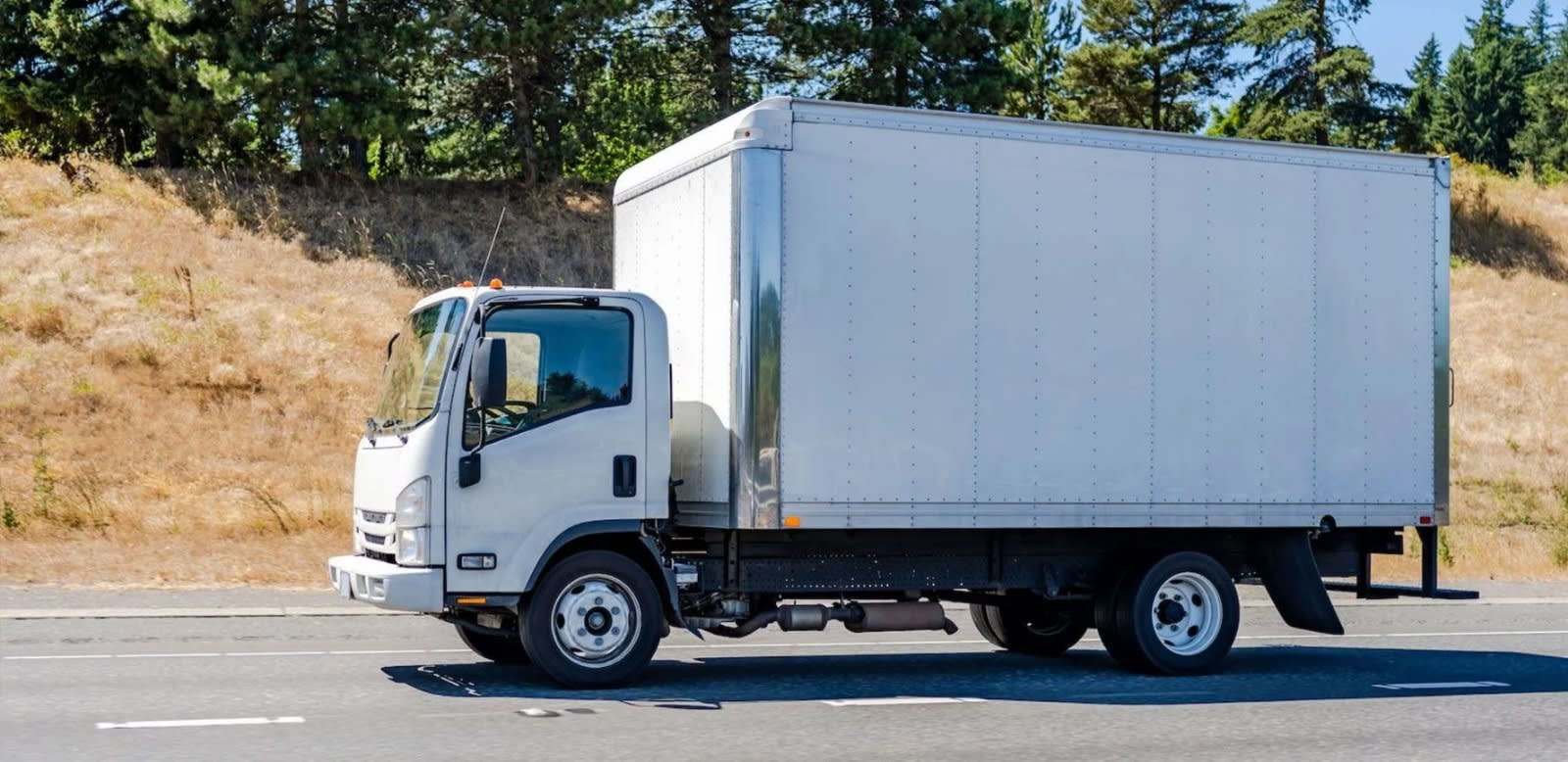
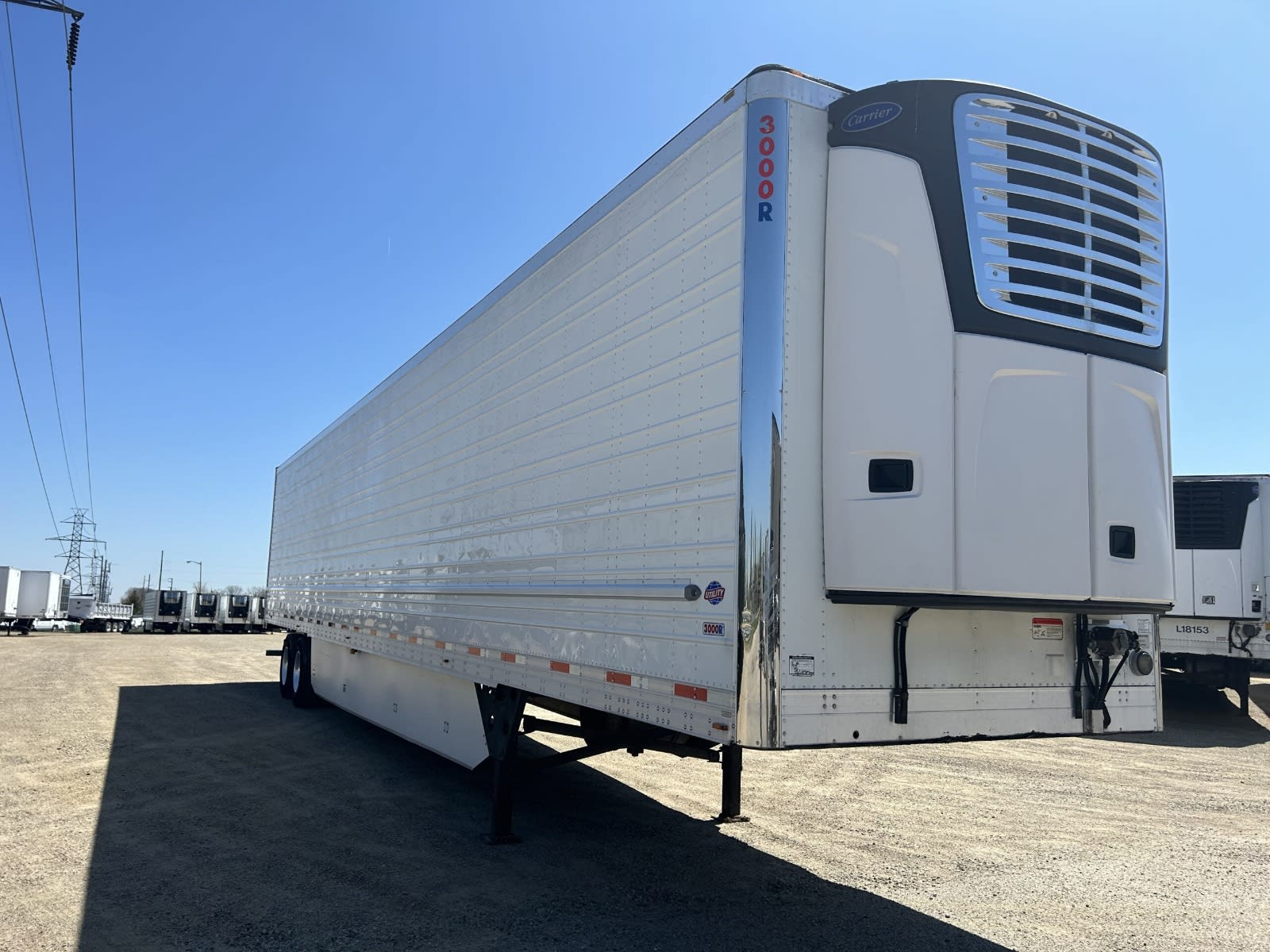
Consumer goods, LTL/distribution-connected freight and agricultural freight fill the trailers heading south.
- Grass Seed
- Timber Products
- Nursery Stock
What makes the Portland to Eugene lane difficult?
A short-to-medium lane keeps per-load rates in a moderate range
A short-to-medium lane keeps per-load rates in a moderate range.
Winter weather can occasionally affect I-5 road conditions
Winter weather can occasionally affect I-5 road conditions.
Competition from the dense I-5 corridor carrier base can pressure rates
Competition from the dense I-5 corridor carrier base can pressure rates.
What freight moves on the Portland to Eugene lane?
What travels between Portland and Eugene, and why Eugene's expanded LTL capacity matters here.
Primary Commodities
- •Grass Seed
- •Timber Products
- •Nursery Stock
Secondary Commodities
- •LTL/distribution-connected freight (Estes)
- •Agricultural-connected freight
- •Consumer goods
Seasonal Cargo
Peak seasons for this lane:
- •Consumer goods (holiday surge)
- •LTL/distribution-connected freight (steady, growing)
- •Agricultural freight (harvest season)
When is the Portland to Eugene lane busiest?
Retail timing and steady LTL freight both shape this lane.
Q1 (Jan-Mar): Slow Period?
A modest dip after the holidays, cushioned by steady LTL and distribution freight.
Q4 (Oct-Dec): Peak Period?
Consumer goods climb from October through December.
Produce Season?
A modest factor tied to Oregon's agricultural harvest season.
- •Q4 holiday retail season
- •Steady logistics freight year-round
- •Summer freight demand
Hurricane Risk?
None. Occasional winter weather along I-5 is this corridor's real seasonal risk.
Seasonal Strategy Summary
This lane runs steady year-round, without a major seasonal swing to plan around.
How do I negotiate the best rate on the Portland to Eugene lane?
When to book, who pays extra, and which loads need a market check.
When to Book
Suggested booking window:
Same-day booking is typical for this short, fast-turning lane.
What Brokers Pay More
Loads that command more:
Time-critical LTL-connected freight can pay a premium.
When to Avoid
Loads to price carefully:
Be careful committing to a slow-season load in a market this competitive without checking current rates.
Rate Negotiation Tips for Portland to Eugene
- •
At 110 miles, this is a comfortable one-day run, all on I-5.
- •
Lumber and timber-products freight is worth asking about given Eugene's status as a major softwood producer.
- •
This lane pairs well with a same-day or next-day round trip.
How do I find a backhaul load on the Portland to Eugene lane?
Eugene's expanded logistics capacity makes a northbound load realistic.
Best Return Cities
Where to look for the return load:
- •Eugene, OR
- •Regional distribution hubs near Eugene
Deadhead Risk %
Deadhead risk on this lane: 10-15%
With a new 40-door Estes service center, there is real backhaul variety.
Alternative Routes
If the first load falls through, try these:
- •This short, high-frequency lane has low deadhead risk. Freight moves steadily both ways between Portland and the Willamette Valley's wine, nursery, and timber sectors.
Backhaul Optimization Tips
- •
Eugene's timber and growing tech sector give you real backhaul options.
- •
Portland's container terminal keeps northbound loads flowing too.
- •
This lane is short enough for a same-day or next-day backhaul.
What do experienced dispatchers know about the Portland to Eugene lane?
Three notes before this short I-5 corridor run.
This lane pairs well with a same-day or next-day return load.
Check I-5 winter conditions during occasional Pacific Northwest storms.
Check current market rates before committing to a slow-season load given the dense I-5 corridor competition.
Consider combining this short lane with a Eugene-to-Medford continuation for a fuller day's run.
Eugene's timber base remains genuinely strong, unlike some other Pacific Northwest markets. A steady lane for lumber-linked freight.
Portland to Eugene Lane FAQs
Answers on drive time, Eugene's new Estes facility, and market conditions.
The lane data shows about $297 - $341 per load, or $2.70 - $3.10 a mile, across 110 miles.
Estes Express opened a new 40-door service center there in 2025, more than tripling its prior capacity.
About 1.5 hours for the 110 miles on I-5.
Reasonably, given the city's expanded LTL capacity and multimodal rail access.
Other Oregon freight lanes we dispatch
- Portland to Salt Lake City
- Portland to Spokane
- Portland to Denver
- Portland to Hillsboro
- Portland to Vancouver
- Portland to Medford
Local resources
Dry Van owner-operator, West Coast: +$2,010/week after moving to $2.62/mi on general freight / consumer goods freight.
Read the case studyNeed help running Portland, OR to Eugene, OR consistently?
Running Portland to Eugene often? Ask about a free custom growth plan.