
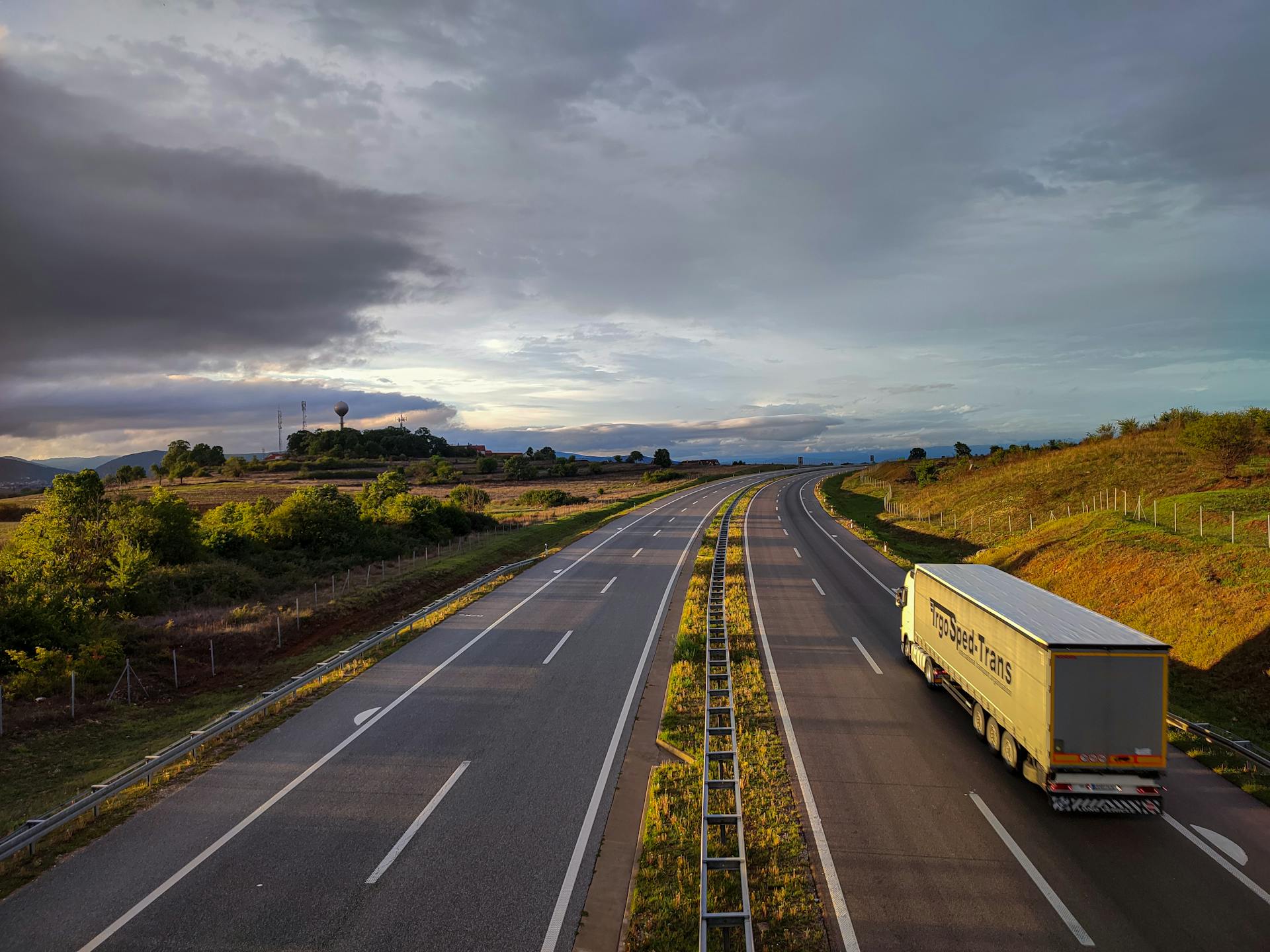
Fargo to Williston Truck Dispatch
Freight route connecting Fargo, ND to Williston, ND (380 miles). Connects Fargo to the heart of the Bakken oil formation via US-2.
What do truck dispatch rates run from Fargo to Williston?
Fargo to Williston is a 380-mile lane paying about $950 - $1,121 per load, near $2.50 - $2.95 a mile. Freight is mostly oilfield-equipment-connected freight, frac-water-connected freight and consumer goods.
- Distance
- 380 miles
- Avg. rate / load
- $969 - $1,121
- Rate per mile
- $2.55 - $2.95
- Transit time
- 1 day
- Deadhead risk
- 20-25%
Lane rates reviewed September 2026. These numbers follow 2026 spot-market pricing and can run well above the standard Fargo-origin scale during active drilling. See our dispatch fee structure.
Fargo to Williston
Fargo to Williston is a 380-mile, roughly 6-hour run northwest on US-2, connecting North Dakota's biggest freight gateway to the epicenter of the Bakken oil boom. North Dakota produces over 1 million barrels of oil a day, the third-most of any state, and Williston becomes one of the highest-paying freight markets per capita in the country when oil prices run high.
Origin
Fargo, ND
Destination
Williston, ND
Distance
380 miles
Transit Time
1 day
Average Rate
$969 - $1,121
Rate per Mile
$2.55 - $2.95
380-mile lane, about 6 hours on US-2
North Dakota produces over 1 million barrels of oil a day, the third-most of any state
Williston becomes one of the highest-paying freight markets per capita when oil prices run high
Fargo to Williston: route facts a driver should know
North Dakota still produces over a million barrels of oil a day
North Dakota's crude oil production ran at 1.13 million barrels a day as of mid-2026, with the Bakken shale formation around Williston at the center of that output.
Source: US Energy Information Administration, North Dakota field production. Checked 30 Sep 2026.
Limited pipeline capacity keeps trucks hauling oil out of the Bakken
Pipeline takeaway capacity in the Williston Basin hasn't kept pace with production, so producers still rely on rail and truck to move the surplus, keeping specialized tanker and heavy-haul demand steady around Williston.
Source: US Energy Information Administration, Williston Basin production and takeaway capacity. Checked 30 Sep 2026.
Diesel for this lane
How much is the diesel for Fargo to Williston?
About $371.35 this week. The lane is 380 miles. A truck that gets 6.5 miles per gallon uses about 58 gallons, and diesel is averaging $6.35 a gallon on this lane (week of October 19, 2026). The U.S. average diesel price is up 10 cents this week.
An estimate. It uses EIA's weekly average for this region, not the price at each pump. Your mpg and fuel card discounts change it.
- Distance
- 380 mi
- Diesel needed
- 58 gal
- Price used
- $6.35/gal
- Fuel cost
- $371.35
Common Freight Types
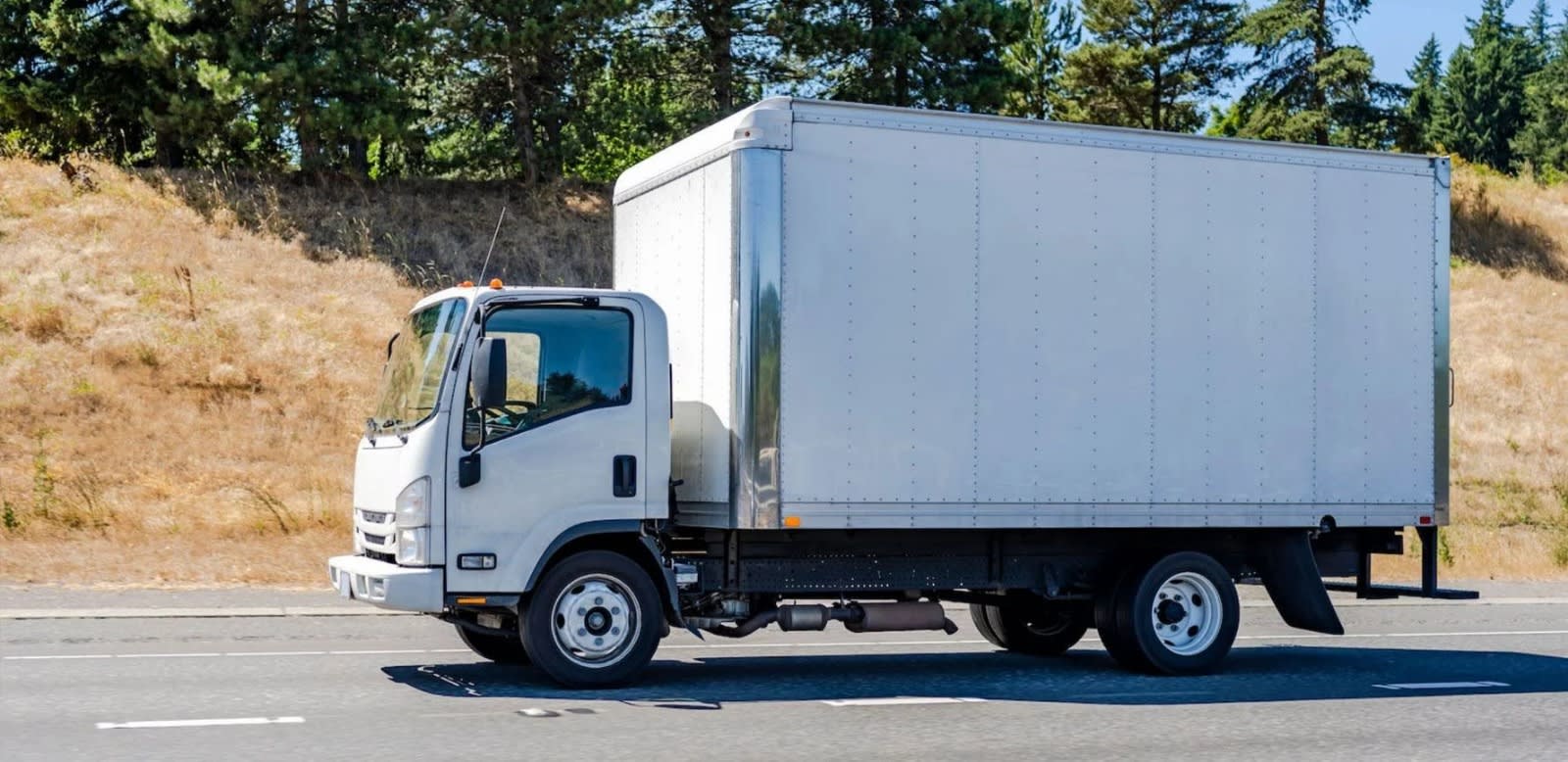
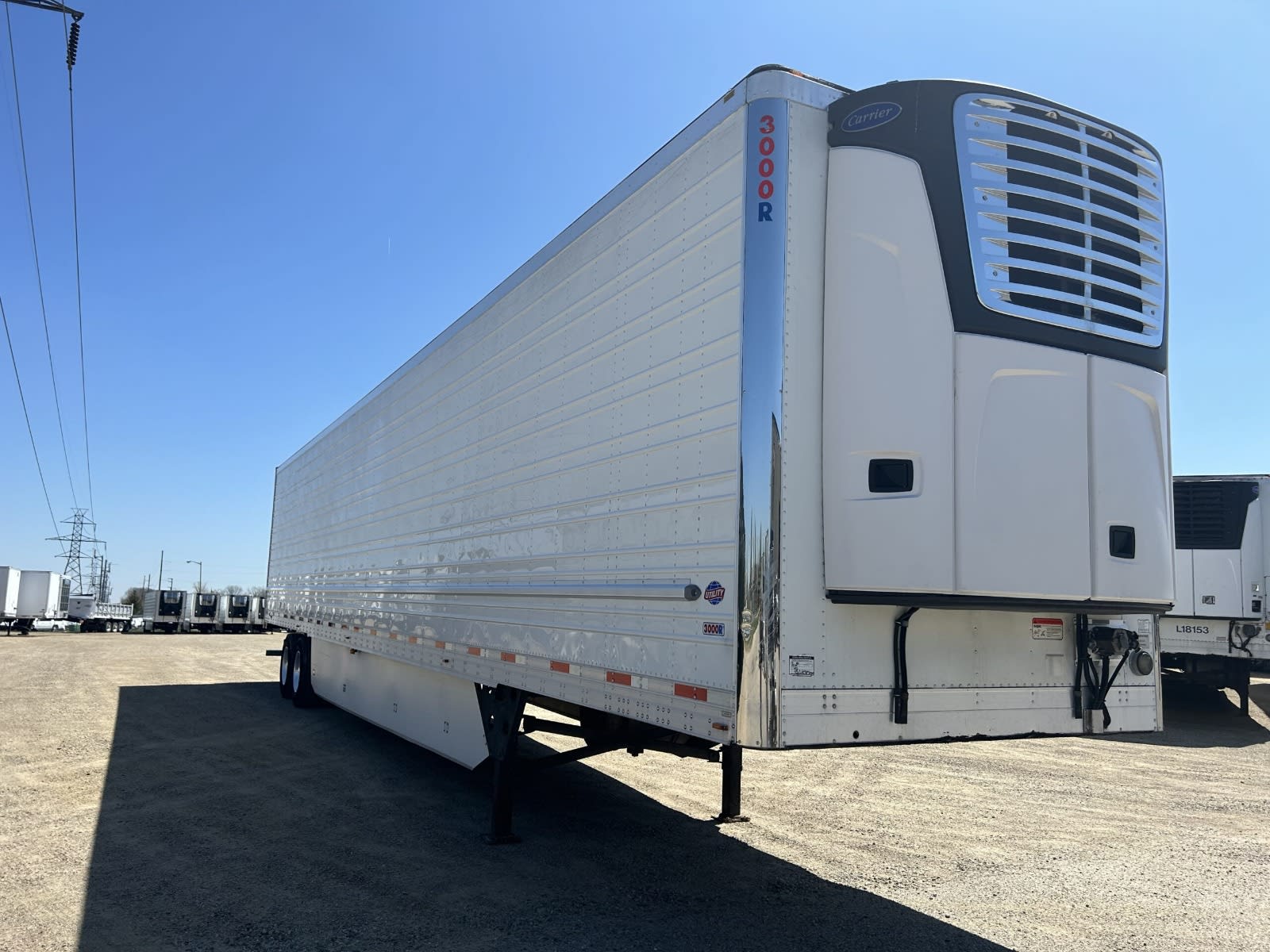
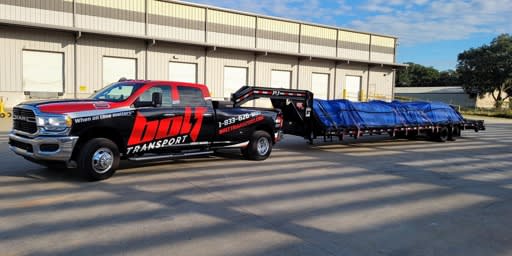
Oilfield-equipment-connected freight, frac-water-connected freight and consumer goods fill the trailers heading northwest.
- Oilfield Equipment
- Crude Oil (Tanker)
- Consumer Goods
What makes the Fargo to Williston lane difficult?
A longer haul requires careful hours-of-service planning
A longer haul requires careful hours-of-service planning.
Winter weather exposure is significant on this northern route
Winter weather exposure is significant on this northern route.
Freight demand can swing with oil-price cycles
Understanding and preparing for this challenge helps optimize your operations and maximize profitability on this lane.
What freight moves on the Fargo to Williston lane?
What travels between Fargo and Williston, and why the Bakken oil boom matters here.
Primary Commodities
- •Oilfield Equipment
- •Crude Oil (Tanker)
- •Consumer Goods
Secondary Commodities
- •Oilfield-equipment-connected freight (Bakken)
- •Frac-water-connected freight
- •Consumer goods
Seasonal Cargo
Peak seasons for this lane:
- •Oilfield-equipment freight (steady, price-cycle dependent)
- •Frac-water freight (active drilling season)
- •Consumer goods (holiday surge)
When is the Fargo to Williston lane busiest?
Drilling activity and oil-price cycles drive this lane more than any retail calendar.
Q1 (Jan-Mar): Slow Period?
A modest dip tied to winter drilling slowdowns and weather.
Q4 (Oct-Dec): Peak Period?
Consumer goods climb modestly from October through December.
Produce Season?
Not applicable; this lane's real cycle follows oil-price and drilling activity, not agriculture.
- •Active drilling seasons (spring through fall)
- •Steady oilfield-connected freight year-round
- •Q4 holiday retail season
Hurricane Risk?
None. Winter weather across northwestern North Dakota is this corridor's real seasonal risk.
Seasonal Strategy Summary
This lane runs steady year-round, tracking the Bakken's consistent oil production. Winter weather can slow travel across this stretch of North Dakota.
How do I negotiate the best rate on the Fargo to Williston lane?
When to book, who pays extra, and which loads need an oil-price check.
When to Book
Suggested booking window:
1-2 days out is typical, tighter during active drilling booms.
What Brokers Pay More
Loads that command more:
Time-critical oilfield-equipment and frac-water-connected freight tends to pay well above standard market rates.
When to Avoid
Loads to price carefully:
Be careful committing to a load without checking current oil-price trends, which swing this lane's freight volume.
Rate Negotiation Tips for Fargo to Williston
- •
At 380 miles, plan for a solid one-day trip.
- •
Tanker and heavy-haul freight tied to Bakken oil production is common on this lane.
- •
Oilfield equipment and component freight is another option here.
How do I find a backhaul load on the Fargo to Williston lane?
The Bakken's ongoing oil production makes a return load realistic.
Best Return Cities
Where to look for the return load:
- •Williston, ND
- •Regional distribution hubs near Williston
Deadhead Risk %
Deadhead risk on this lane: 20-25%
With North Dakota producing over 1 million barrels a day, there is real backhaul variety tied to oilfield logistics.
Alternative Routes
If the first load falls through, try these:
- •Record oilfield activity means backhaul chances exist. But they need specialized flatbed/heavy-haul equipment matching. That limits the pool of eligible carriers compared to general freight lanes.
Backhaul Optimization Tips
- •
Williston's oil production keeps steady tanker and specialized-freight backhaul demand.
- •
Fargo's own grain and equipment manufacturing keeps eastbound freight flowing too.
- •
Check with oilfield service companies directly for backhaul opportunities.
What do experienced dispatchers know about the Fargo to Williston lane?
Three notes before this Bakken oil-corridor run.
Plan your hours-of-service before this 6-hour US-2 run.
Check winter road conditions closely before a late-fall through early-spring run.
Watch current oil-price trends, since they directly affect freight volume and rates on this lane.
If you haul tanker or specialized oilfield equipment, Williston is worth knowing. Limited pipeline capacity keeps trucking demand real here.
Fargo to Williston Lane FAQs
Answers on drive time, the Bakken oil boom, and rate volatility.
The lane data shows about $950 - $1,121 per load, or $2.50 - $2.95 a mile, across 380 miles, though oilfield freight can run well above this during active drilling.
It's the epicenter of the Bakken oil boom; North Dakota produces over 1 million barrels of oil a day, the third-most of any state.
About 6 hours for the 380 miles on US-2.
It depends on oil-price cycles, though ongoing infrastructure investment adds steady construction freight.
Other North Dakota freight lanes we dispatch
- Fargo to Winnipeg
- Fargo to Bismarck
- Fargo to Grand Forks
- Fargo to Rapid City
- Fargo to Billings
- Fargo to Duluth
Local resources
Tanker owner-operator, Midwest: +$2,550/week after moving to $2.95/mi on specialty liquid / food-grade / industrial freight.
Read the case studyNeed help running Fargo, ND to Williston, ND consistently?
Running Fargo to Williston often? Ask about a free custom growth plan.