
The best factoring companies for trucking pay fast, price their fees honestly, and don't lock you into a contract you can't get out of. We compared six companies that actually work with trucking — OTR Solutions, Apex Capital, RTS Financial, TAFS, Riviera Finance, and eCapital.
When you're looking for the best factoring companies for trucking, the headline rate matters less than four things: how much of an invoice a factor advances, how upfront it is about fees, how fast the money lands in your account, and what happens if a broker never pays. Factoring itself is simple. You sell an unpaid freight invoice to a company (a "factor"), it advances most of the value within a day or two, and it collects from the broker directly.
That money isn't a loan. It's a sale of something you already own — your accounts receivable — so it doesn't show up as debt, and that's why a carrier with shaky credit can still get approved. The factor is underwriting the broker's ability to pay, not yours.
What Is Trucking Factoring, and Why Does It Matter?
The best factoring companies for trucking, at least the ones worth calling, are OTR Solutions, Apex Capital, RTS Financial, TAFS, Riviera Finance, and eCapital. We picked these six because they actually work with trucking, they publish at least some rate details instead of hiding everything behind a sales call, and they hold up when you compare them on advance rates, fees, funding speed, and contract terms.
Sign with any of them and the process looks roughly like this:
First, you submit the delivered invoice and proof of delivery through a portal or app.
Next, the factor checks the broker's credit and makes sure the paperwork is clean.
Then your advance shows up, usually within 24 hours.
Finally, once the broker pays the factor, you get the reserve balance minus the fee.
None of the six publish one flat fee for everybody. Factoring gets priced per account, based on your customers' credit, your monthly volume, and whether you pick recourse or non-recourse. Riviera Finance is the one exception with a published range, and that's worth knowing before you call anyone else — a quote should land somewhere close to what's below. If it's way outside that, ask why.
The Best Factoring Companies for Trucking, Compared
Trucking factoring companies at a glance
| Company | Recourse type | Advance rate | Fee range | Funding speed | Fuel card / advance | Contract term |
|---|---|---|---|---|---|---|
| OTR Solutions | Recourse & non-recourse (non-recourse is its flagship product) | Not published; quoted per account | Not published | Same-day; many invoices in 2–3 hours, nearly all within 24 | Yes, OTR Fuel Card, ~$0.50/gallon average savings at 3,000+ stations | Varies (monthly to annual); early termination fee applies |
| Apex Capital | Recourse & non-recourse, custom per account | Not published | Not published | Within 24 hours; near-instant via its Blynk app, including nights and weekends | Yes, fuel card discount program (rate not published) | No long-term contract advertised; company states no termination fees |
| RTS Financial | Not specified publicly; confirm before signing | "More than 90%" within 24 hours | Not published | Same-day / within 24 hours | Yes, separate fuel card product, terms not published | Not specified publicly |
| TAFS | Recourse | Not published | Not published | About one hour on weekdays; weekend and holiday advances available | Mobile app for managing loads and payments; no fuel card confirmed | Not specified publicly |
| Riviera Finance | Recourse & non-recourse | 80%–95% | 1%–5% per invoice, per 30 days | 24–48 hours | No fuel card program advertised | Longer-term agreements; some accounts carry minimum-volume terms |
| eCapital | Recourse & non-recourse | Up to 98% of receivables (up to 100% on some invoices) | Not published | First funding within 48 hours of signing; near-instant after that | Yes, Fuel Discount Program at 16,000+ locations | Not specified publicly |
OTR Solutions

OTR Solutions leans hardest into non-recourse as its identity, calling it "True Non-Recourse Factoring" that shifts non-payment risk off your books entirely. It backs that up with genuinely fast funding: the company's own FAQ describes payment happening in as little as two to three hours through its automated system, plus a fuel card program it says saves the average truck around $7,200 a year. Stack the fuel card with factoring and OTR knocks up to half a percentage point off your rate. What it doesn't do is post an advance percentage or a fee schedule anywhere public, so you'll need to get on the phone for that.
Apex Capital
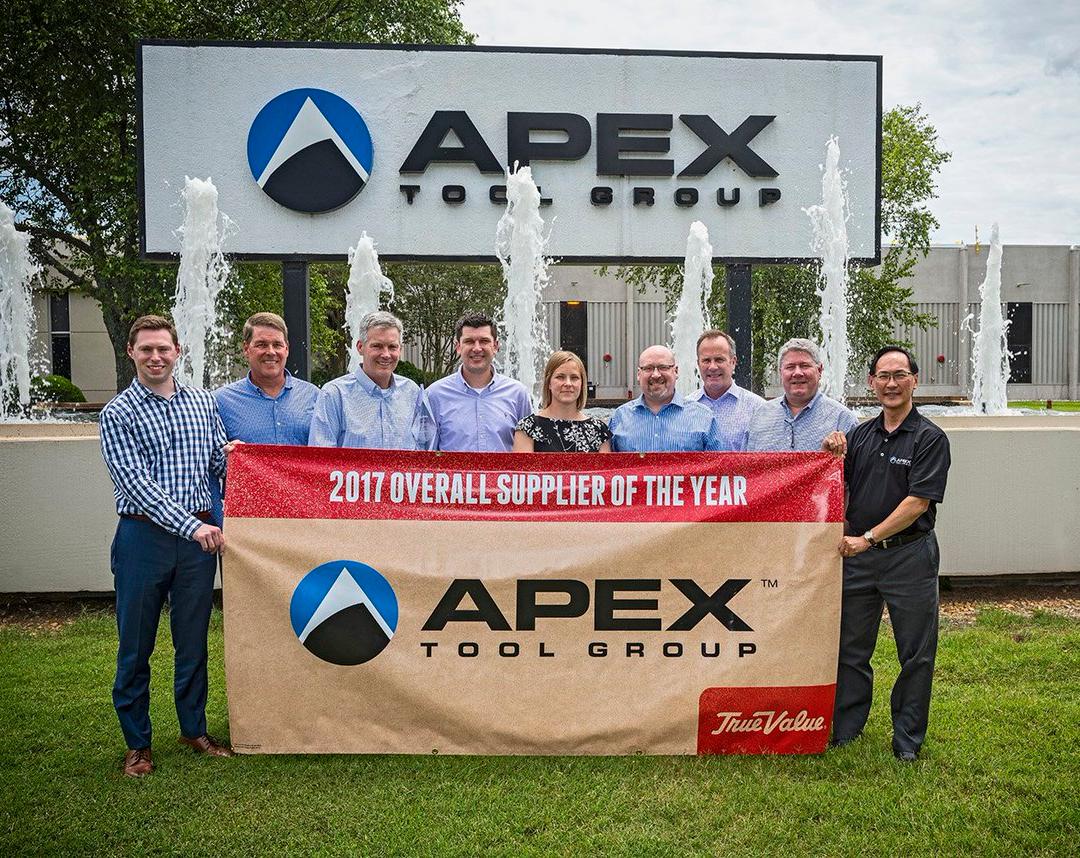
Apex Capital markets itself on flexibility and round-the-clock service, including holidays, plus a mobile app called Blynk for near-instant funding on approved loads. It doesn't advertise a fixed advance rate either, but it does explicitly avoid termination fees and volume-minimum language, which matters if your freight is seasonal or you're running this alongside a day job.
RTS Financial
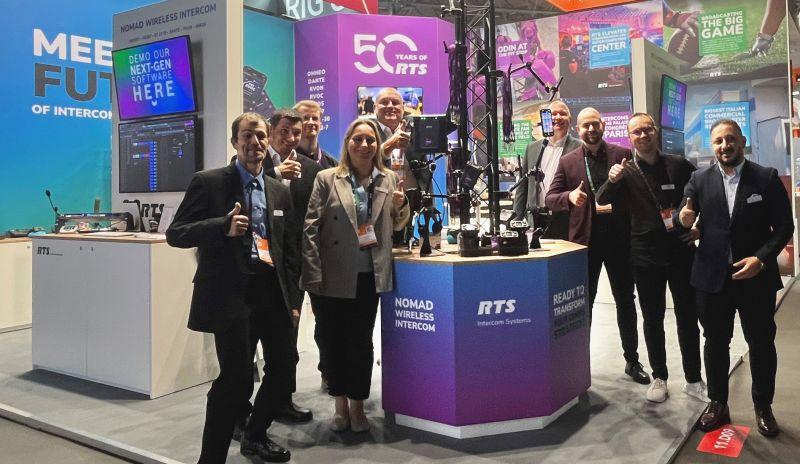
RTS Financial is one of the older names in this space, and one of the only ones willing to put a real number on its site: an advance of "more than 90 percent" of the invoice, delivered within 24 hours. What it doesn't spell out publicly is whether that comes as recourse, non-recourse, or your choice. That's a question worth asking directly before you sign anything.
TAFS

TAFS stands out for raw speed on weekdays, roughly an hour by its own description, and for offering weekend and holiday advances, which some competitors treat as an add-on rather than standard. It's a recourse-only factor, meaning you're on the hook if a broker doesn't pay, so the faster funding comes paired with more of the credit risk sitting on you.
Riviera Finance

Riviera Finance is the rare factor willing to put its pricing in writing: 80% to 95% advanced up front, 1% to 5% per invoice for every 30 days it's outstanding. It offers both recourse and non-recourse, and it's been doing trucking factoring for decades. The tradeoff is contract length. Riviera's agreements run longer than some of the app-first competitors, and it doesn't advertise a fuel card at all.
eCapital
eCapital advances up to 98% of your receivables, and up to 100% on some invoices, near the top of what we found published anywhere. First funding after signing takes up to 48 hours; after that, invoices move faster, with the company describing near-instant payment on approved loads. Its Fuel Discount Program covers more than 16,000 stops, one of the largest networks in this comparison.
Recourse vs. Non-Recourse Factoring: What's the Real Difference?
The real difference is who absorbs the loss if a broker never pays: with recourse factoring you buy back or replace the unpaid invoice, while with non-recourse factoring the factor absorbs that loss when the customer's non-payment is due to bankruptcy or insolvency.
Recourse factoring means you're still on the hook if the broker or shipper never pays. The factor can require you to buy the invoice back or swap in a fresh one of equal value. Non-recourse factoring shifts that risk to the factor, at least in that bankruptcy-or-insolvency scenario (not every reason for non-payment is covered, so read the exclusions closely).
DAT's own explainer puts it plainly: with non-recourse, "if the customer is late or defaults, you still keep the money the factoring company paid you." That protection usually comes at the cost of a lower advance rate or a higher fee, since the factor is pricing in the risk it just took on — a pattern we've also seen play out in the carriers behind our own dispatch case studies.
Either way, most factoring agreements require a Notice of Assignment, a letter that goes to your brokers telling them to pay the factor directly instead of you. Some carriers find this awkward with long-standing broker relationships, and a handful of brokers will only work with certain approved factors, which can complicate switching companies mid-relationship. It's a small piece of paperwork with real friction attached, and it's the part most sales calls gloss over.
What Does Trucking Factoring Actually Cost?
Trucking factoring typically costs between 1% and 5% of each invoice per 30-day period it's outstanding, with OOIDA data putting the 2022 industry average around 3%, though your actual fee depends on your customers' credit, your monthly volume, and whether you choose recourse or non-recourse.
Across the companies we looked at, published or industry-typical fees run from about 1% to 5% of the invoice, usually charged per 30-day period the invoice stays outstanding. According to a 2022 survey report cited by the Owner-Operator Independent Drivers Association, the average trucking factoring fee that year was around 3%, a reasonable midpoint to use when you're sanity-checking a quote, even though rates have likely shifted some since then.
New authorities and small fleets tend to land on the higher end of that range; established carriers with steady, high-volume freight can often negotiate toward the bottom. Running your own numbers first, with a tool like our free trucking calculators, makes it easier to spot when a quote is out of line.
The advertised fee is rarely the whole story. Before you sign, ask what else gets added on top of the base rate:
ACH or wire transfer fees on each advance
Monthly minimum charges, even in slow months
Credit-check fees for every new broker you want to factor
Early termination penalties on annual contracts
NSF or chargeback fees if a broker payment bounces
A 2% factoring fee with a $30 wire fee on every invoice can end up costing more than a 3% fee with no add-ons. Run the math on your actual invoice count and average size before you compare headline rates side by side.
When Factoring Isn't the Right Call
Factoring solves a cash-timing problem, not a margin problem, and it's worth being honest about where it stops helping. On a recourse contract, a single non-paying broker can turn a factoring fee you budgeted for into a bill you have to cover out of pocket, on top of never getting paid for the load in the first place. That risk is exactly what non-recourse factoring is priced to remove, but non-recourse costs more, so you're paying for the protection either way, just in a different form.
Long contracts are the other catch. Some agreements run 12 months with automatic renewal and a real early-termination fee if you leave before that term is up, which is a hard commitment to make before you know how a factor actually performs on your invoices.
New authorities should also expect to pay more: brokers and factors alike price a fresh FMCSA MC number and DOT authority as higher risk simply because there's no payment history to underwrite yet, and a factor may ask for a personal guarantee until you've built a track record. Carriers in that position are usually better served by pairing factoring with a plan for building freight volume, like one of our growth plans for new authorities, rather than treating factoring alone as the fix.
If your freight is genuinely seasonal, or you only run a handful of loads a month, a factor with minimum-volume language in its contract can end up costing you for volume you're not moving. There's also a simpler case where factoring just isn't worth it: if most of your freight already comes from shippers or brokers on quick-pay programs that settle in a few days anyway, you're paying a fee to solve a problem you don't really have.
The math only works when the gap between when you deliver and when you'd otherwise get paid is wide enough that the fee is cheaper than the cost of that cash sitting out there. For a carrier hauling mostly 45- and 60-day paper, that's an easy case. For one running mostly quick-pay lanes, it's worth running the numbers before signing anything.
Frequently Asked Questions About Best Factoring Companies for Trucking
These are the questions we hear most from owner-operators and small fleets who are actually deciding whether to sign with a factor, not just browsing.
How Fast Do the Best Factoring Companies for Trucking Actually Pay?
Most of the companies here fund same-day or within 24 hours once an invoice is submitted and approved. A few, like OTR Solutions and TAFS, advertise turnaround measured in hours rather than a full business day. First-time funding can take longer; eCapital, for example, says the first payment after signing can take up to 48 hours while your account is being set up.
Can a brand-new authority use factoring?
Yes — factoring approves based on your customers' credit, not your company's time in business, so a brand-new authority can usually qualify from day one, though expect a higher fee than an established fleet would get until you've built a payment history.
Don't be surprised if a factor also asks for a personal guarantee or extra documentation in that first year. If you're weighing factoring against other ways to get a new authority moving, our dedicated dispatcher service is another lever new carriers use to build volume faster.
Do I have to factor every load I haul?
It depends on the contract. Some factors, including a few in this comparison, advertise no minimum-volume requirements and let you factor selectively, load by load. Others build minimum monthly volume into the agreement, which means you're paying for capacity whether you use it or not. Read that clause before you sign, not after your first slow month.
One more thing worth clearing up before you call anyone: don't confuse the two numbers every sales pitch leans on. The advance rate is what you get paid up front, often 80% to 100% of the invoice. The fee, sometimes called the discount rate, is what the factor keeps for the service, usually 1% to 5%. A high advance paired with a high fee can end up costing more overall than a lower advance with a lower fee, so ask for both numbers, not just the one that sounds most generous.
Key takeaways:
the six factors compared here differ less on advance rate, most cluster between 80% and 100%, and more on what they'll actually put in writing, how fast money moves, and what happens if a broker doesn't pay. Riviera Finance is the only one that publishes real pricing; RTS Financial publishes a real advance number; the rest quote per account. Non-recourse costs more but protects you from a broker's bankruptcy; recourse is cheaper but leaves that risk with you. Whichever you pick, get the fee schedule, the contract length, and the termination terms in writing before you sign, not just the advance rate the sales rep leads with.
Free tools related to this article
Put the numbers from this article to work with free calculators and trackers.
- Load Board Rate BenchmarkerCompare offered rates against market benchmarks by equipment type, season, and day.
- Revenue Per Mile TrackerLog every load and track your RPM, net profit, and best/worst lanes.
- Should I Take This Load? CalculatorKnow right away if a load is worth taking: ACCEPT, NEGOTIATE, or REJECT. It is based on true profit, not just the posted rate.
- Factoring Fee CalculatorCompare factoring now vs waiting for broker payment — know the true cost.

Waqas Ahmed Qazi
Senior Fleet Technology Analyst · 7+ years in trucking dispatch operations
Waqas Ahmed Qazi is a CS graduate, CEO, and Senior Fleet Technology Analyst at WAQ Technologies, a software company that builds dispatch and back-office tools for U.S. trucking carriers, including the load management platform used by US carriers. His work involves reviewing carrier dispatch agreements and freight operations data directly with clients across the industry.