

Orlando to Washington Truck Dispatch
Freight route connecting Orlando, FL to Washington, DC (855 miles). The DC metro's government and consumer freight base rounds out the I-95 Northeast corridor.
What do truck dispatch rates run from Orlando to Washington?
Orlando to Washington is an 855-mile lane paying about $1,838 - $2,180 per load, near $2.15 - $2.55 a mile. Freight is mostly consumer goods, federal-contract-connected freight and port import-connected freight.
- Distance
- 855 miles
- Avg. rate / load
- $1,838 - $2,180
- Rate per mile
- $2.15 - $2.55
- Transit time
- 2 days
- Deadhead risk
- 30-35%
Lane rates reviewed September 2026. These numbers follow 2026 spot-market pricing and shift with fuel prices and Northeast congestion. See our dispatch fee structure.
Orlando to Washington
Orlando to Washington is an 855-mile, multi-day run north on I-95, connecting Central Florida's warehouse hub to the federal government's home market. Washington-area freight is anchored by steady federal-contract and government-supply demand, plus the region's proximity to the Port of Baltimore, giving this I-95 corridor a distinct freight mix beyond typical retail distribution.
Origin
Orlando, FL
Destination
Washington, DC
Distance
855 miles
Transit Time
2 days
Average Rate
$1,838 - $2,180
Rate per Mile
$2.15 - $2.55
855-mile lane, a multi-day run almost entirely on I-95
Washington-area freight includes steady federal-contract and government-supply demand
The region sits close to the Port of Baltimore for import-connected reload options
Orlando to Washington: route facts a driver should know
The Baltimore-DC corridor carries over 30,000 trucks a day
The I-95 corridor between Baltimore and Washington, DC carries more than 30,000 trucks daily, making it one of the most heavily used freight corridors on the East Coast.
Source: Maritime Executive, Port of Baltimore performance coverage. Checked 30 Sep 2026.
The Port of Baltimore is America's top Ro/Ro port
The Port of Baltimore is the number-one US port for roll-on/roll-off cargo, handling 887,513 tons of farm and construction equipment in 2025, up 6% from the year before, plus 728,225 autos and light trucks, its 13th straight year above 700,000 vehicles.
Source: Maritime Executive, Port of Baltimore performance coverage. Checked 30 Sep 2026.
Diesel for this lane
How much is the diesel for Orlando to Washington?
About $805.54 this week. The lane is 855 miles. A truck that gets 6.5 miles per gallon uses about 132 gallons, and diesel is averaging $6.12 a gallon on this lane (week of October 19, 2026). The U.S. average diesel price is up 10 cents this week.
An estimate. It uses EIA's weekly average for the two regions this lane connects, not the price at each pump. Your mpg and fuel card discounts change it.
- Distance
- 855 mi
- Diesel needed
- 132 gal
- Price used
- $6.12/gal
- Fuel cost
- $805.54
Common Freight Types
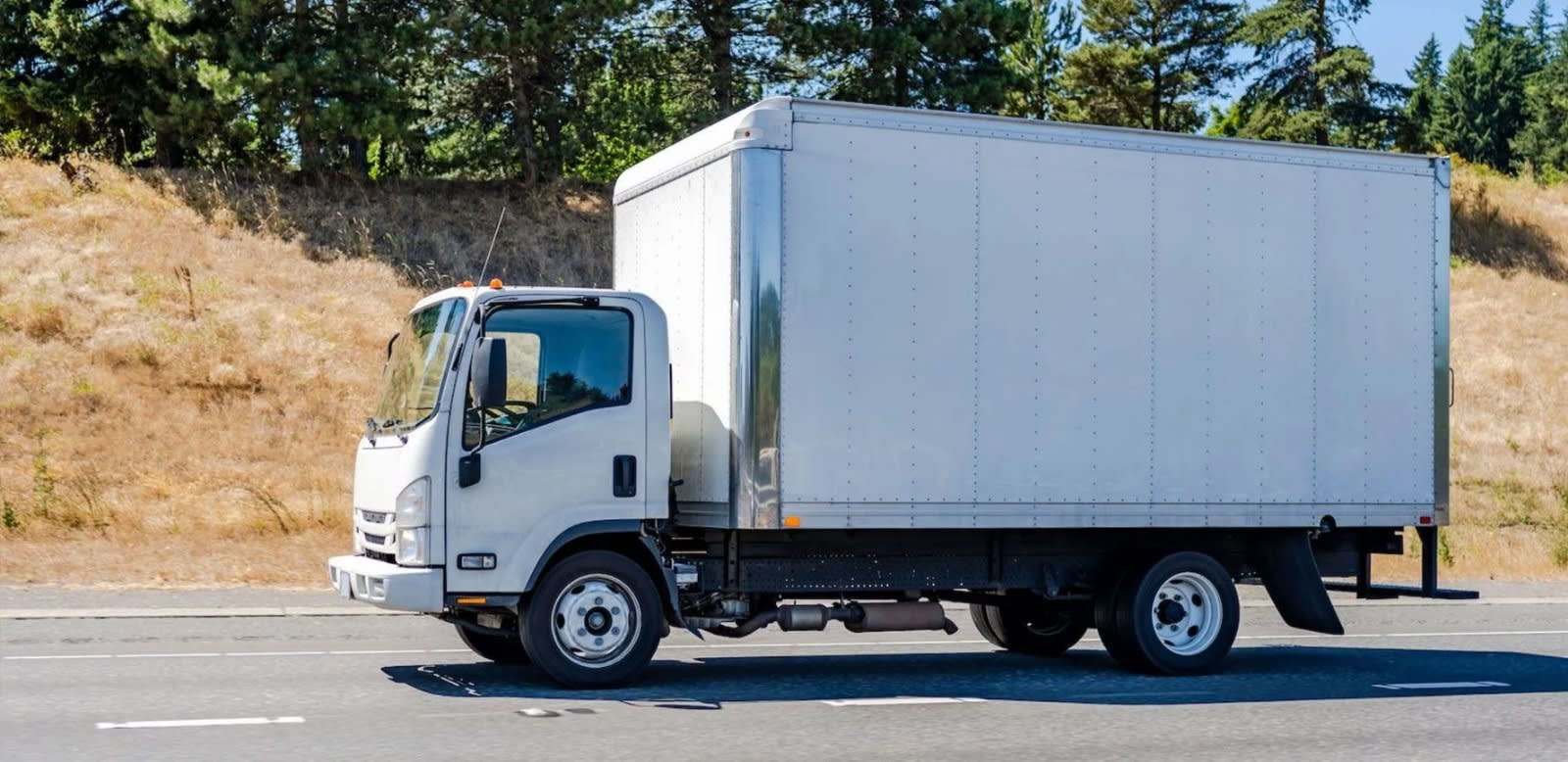
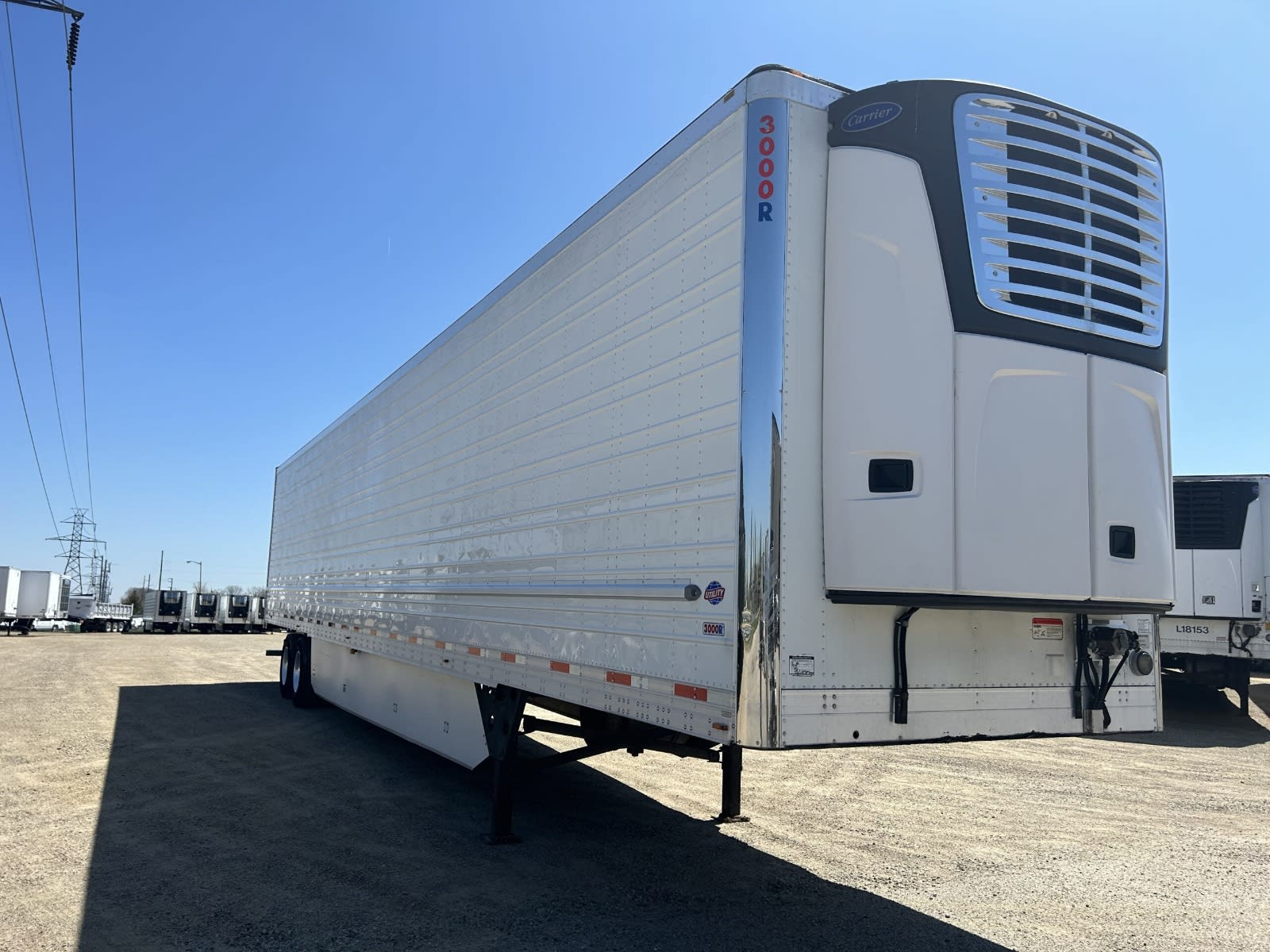
Consumer goods, federal-contract-connected freight and port import-connected freight fill the trailers heading north.
- Consumer Goods
- Government/Institutional Freight
- Produce/Perishables

What makes the Orlando to Washington lane difficult?
I-95 through the Mid-Atlantic and Northeast can see heavy, unpredictable congestion
I-95 through the Mid-Atlantic and Northeast can see heavy, unpredictable congestion.
The length requires a full multi-day trip plan with fuel and rest stops mapped in advance
The length requires a full multi-day trip plan with fuel and rest stops mapped in advance.
Government-contract freight can require specific documentation or security clearance
Government-contract freight can require specific documentation or security clearance.
What freight moves on the Orlando to Washington lane?
What travels between Orlando and Washington, and why federal-contract freight matters here.
Primary Commodities
- •Consumer Goods
- •Government/Institutional Freight
- •Produce/Perishables
Secondary Commodities
- •Federal-government-contract-connected freight
- •Consumer goods
- •Port import-connected freight (Baltimore)
Seasonal Cargo
Peak seasons for this lane:
- •Consumer goods (holiday surge)
- •Federal-contract freight (steady, September peak)
- •Hurricane-prep and resupply freight (June-November)
When is the Orlando to Washington lane busiest?
Retail timing and the federal fiscal-year-end cycle both shape this lane.
Q1 (Jan-Mar): Slow Period?
A modest dip after the holidays, cushioned by steady federal-contract freight.
Q4 (Oct-Dec): Peak Period?
Consumer goods climb from October through December.
Produce Season?
Not a major factor on this lane.
- •Q4 holiday retail season
- •Federal fiscal-year-end freight (September)
- •Hurricane-season disruption risk (June-November)
Hurricane Risk?
Real on the Florida end; Atlantic hurricane season (June-November) can disrupt Central Florida operations.
Seasonal Strategy Summary
This lane runs fairly steady year-round, tracking the Port of Baltimore's consistent Ro/Ro and cargo volume.
How do I negotiate the best rate on the Orlando to Washington lane?
When to book, who pays extra, and which loads need a congestion buffer.
When to Book
Suggested booking window:
3-4 days out is typical for a haul this long.
What Brokers Pay More
Loads that command more:
Time-critical federal-contract and government-supply freight tends to pay a premium, especially near fiscal year-end in September.
When to Avoid
Loads to price carefully:
Be careful committing to a tight Mid-Atlantic delivery window without a congestion buffer.
Rate Negotiation Tips for Orlando to Washington
- •
Baltimore's roll-on/roll-off cargo creates real flatbed and auto-hauler freight worth asking about on this lane.
- •
This run is over 850 miles, so plan for a full two-day trip with proper rest breaks.
- •
Expect heavy I-95 traffic near Baltimore and DC. Build extra time into your delivery window.
How do I find a backhaul load on the Orlando to Washington lane?
Washington's federal-contract base and Baltimore's port proximity make a southbound load realistic.
Best Return Cities
Where to look for the return load:
- •Washington, DC
- •Regional distribution hubs near Washington
Deadhead Risk %
Deadhead risk on this lane: 30-35%
With steady federal-government demand and Port of Baltimore import freight nearby, there is real backhaul variety.
Alternative Routes
If the first load falls through, try these:
- •Washington's stable institutional and government freight base gives reasonable southbound backhaul freight. Richmond and Charleston are useful stops along the Atlantic Coast corridor.
Backhaul Optimization Tips
- •
Baltimore's equipment and auto-import volume gives flatbed and specialized carriers strong backhaul options.
- •
The I-95 corridor's sheer truck volume means backhaul freight is rarely hard to find here.
- •
Watch for DC-area security and routing restrictions if your backhaul routes near the capital.
What do experienced dispatchers know about the Orlando to Washington lane?
Four notes before this long I-95 run.
Build in significant buffer time for I-95 congestion through the Mid-Atlantic.
Plan your multi-day route with fuel and rest stops before departing.
Confirm any documentation or clearance requirements before hauling government-connected freight.
Check hurricane advisories before running this lane June through November.
If your equipment fits, ask about Baltimore's Ro/Ro freight. It's a specialty most carriers on this lane don't think to check.
Orlando to Washington Lane FAQs
Answers on drive time, federal-contract freight, and Northeast congestion.
The lane data shows about $1,838 - $2,180 per load, or $2.15 - $2.55 a mile, across 855 miles.
As the seat of the federal government, the region sees steady demand for government-supply and contract-connected freight, which often peaks near the September fiscal year-end.
It's a multi-day run given the 855 miles, almost entirely on I-95.
Reasonably, given steady federal-contract demand and the nearby Port of Baltimore.
Other Florida freight lanes we dispatch
- Orlando to Columbus
- Orlando to Birmingham
- Orlando to New Orleans
- Orlando to Atlanta
- Orlando to Miami
- Orlando to Jacksonville
Local resources
Dry Van owner-operator, Southeast: +$2,550/week after moving to $2.85/mi on automotive parts / retail / beverage freight.
Read the case studyNeed help running Orlando, FL to Washington, DC consistently?
Running Orlando to Washington often? Ask about a free custom growth plan.